


Can You Use Face Oil Under Moisturizer?
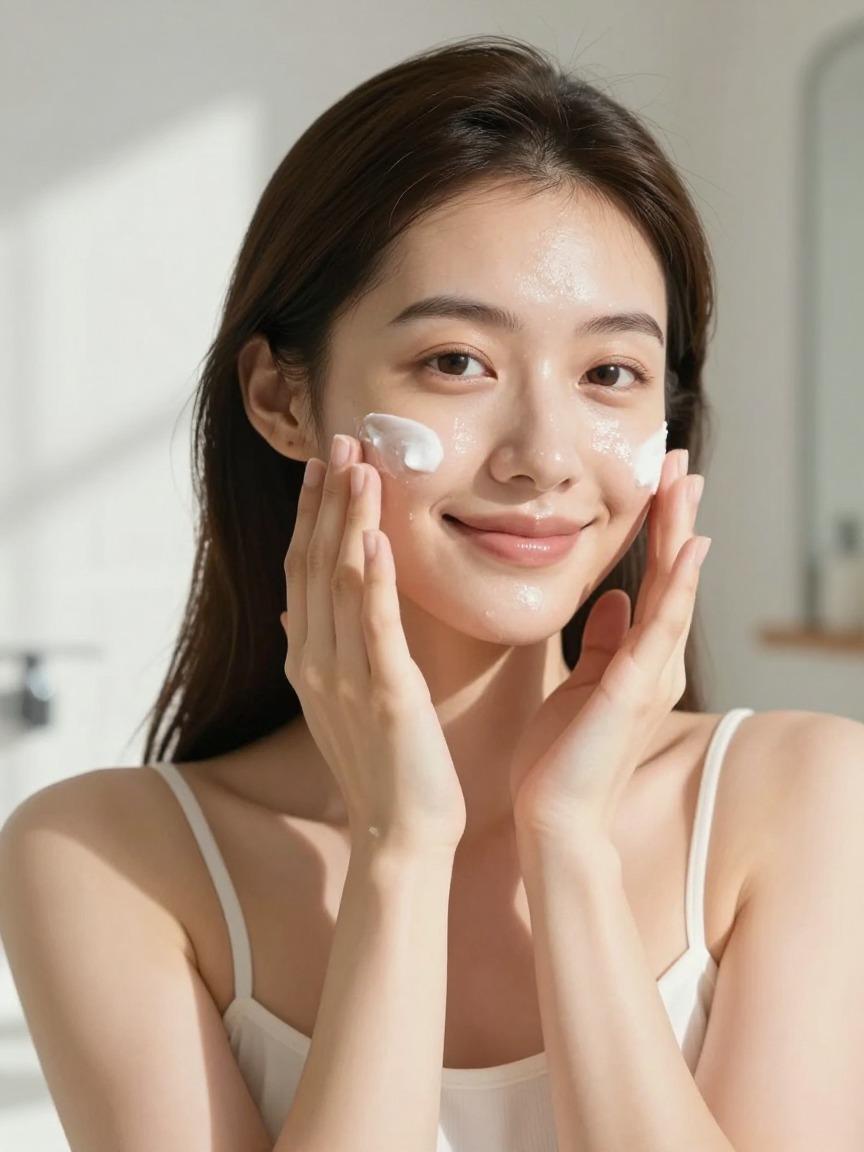
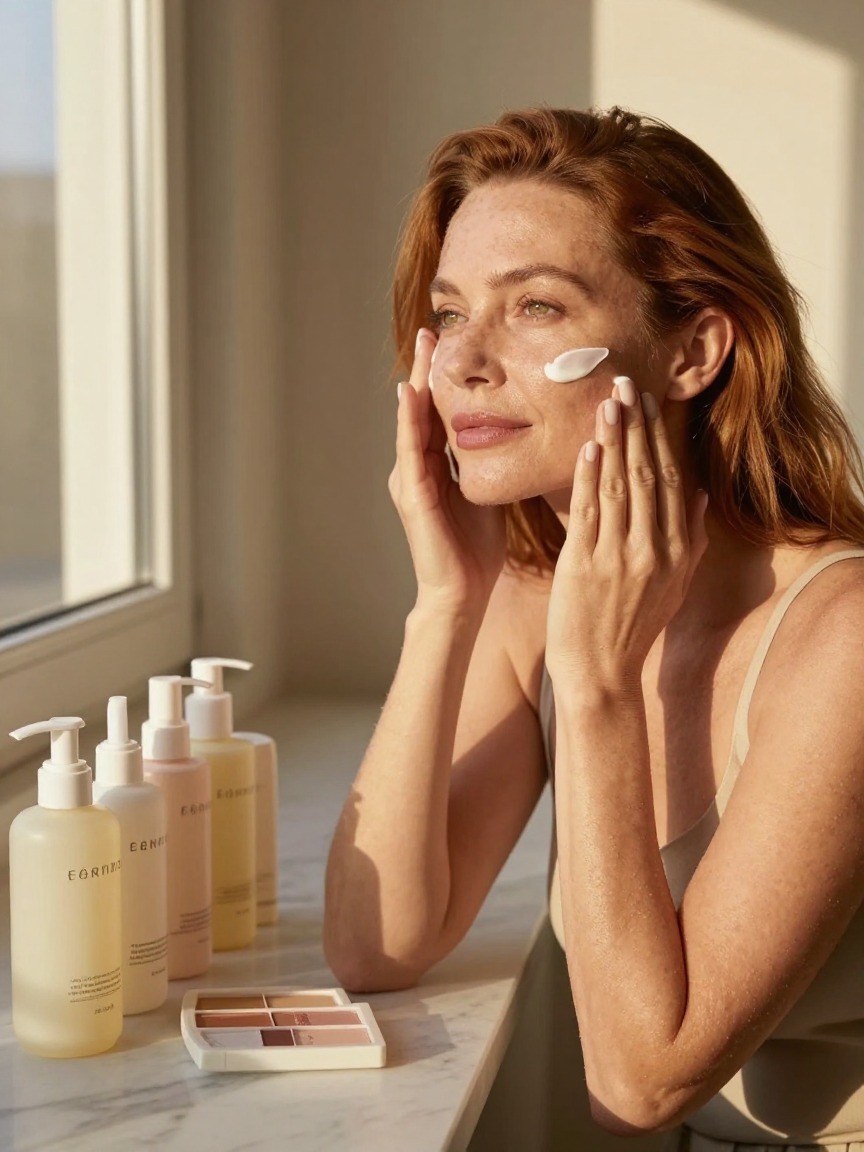
You can, but it is not the usual order. Putting face oil under moisturizer goes against how most products are built to absorb. Oils are heavier and sit on top of the skin. When you apply face oil first, its film can block a water-based moisturizer from soaking in. That leaves the cream sitting uselessly on the surface.
The general rule is thinnest to thickest. Water-like products go on early. Richer, oilier ones go on last. Since oil is usually the heaviest step, face oil under moisturizer flips that logic. So while it will not harm your skin, it often wastes part of your routine.
There are a few exceptions, and personal preference matters. Still, for most people the standard order gives better results.
The kind of face oil you use changes how it behaves in your routine. Light oils sink in fast and feel weightless. Heavier oils sit longer and seal more firmly. Matching the oil to your skin makes the order feel natural.
Climate plays a role as well. In humid weather, a drop or two is plenty. Dry, cold air may call for a little more.
Apply Moisturizer First to Lock In Moisture
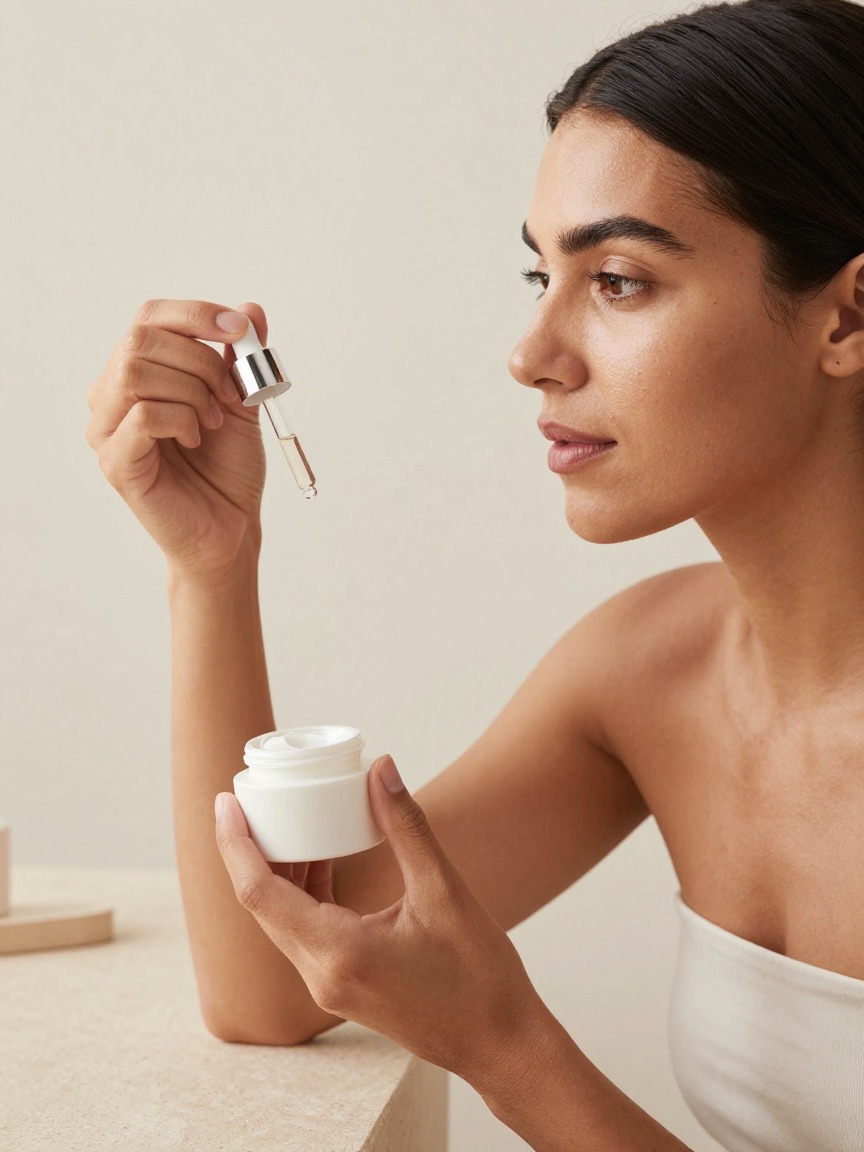
The reliable approach is to apply moisturizer first, then oil on top. The cream delivers water and humectants. The oil then seals the surface and helps lock in moisture so it does not evaporate. A few drops of The Ordinary 100% Plant-Derived Squalane Oil over your cream is a light way to finish.
Keep the layering simple with these steps:
- Cleanse, then apply any serums to damp skin.
- Smooth on your moisturizer first and let it settle.
- Press a few drops of face oil over the top to lock in moisture.
- Use less oil than you think you need.
Storage keeps your oil working as intended. Light and heat slowly degrade delicate plant oils. Keep bottles capped and away from a sunny windowsill. A cool, dark spot preserves them longer. If an oil smells sharp or off, it is time to replace it. Fresh oil always performs best.
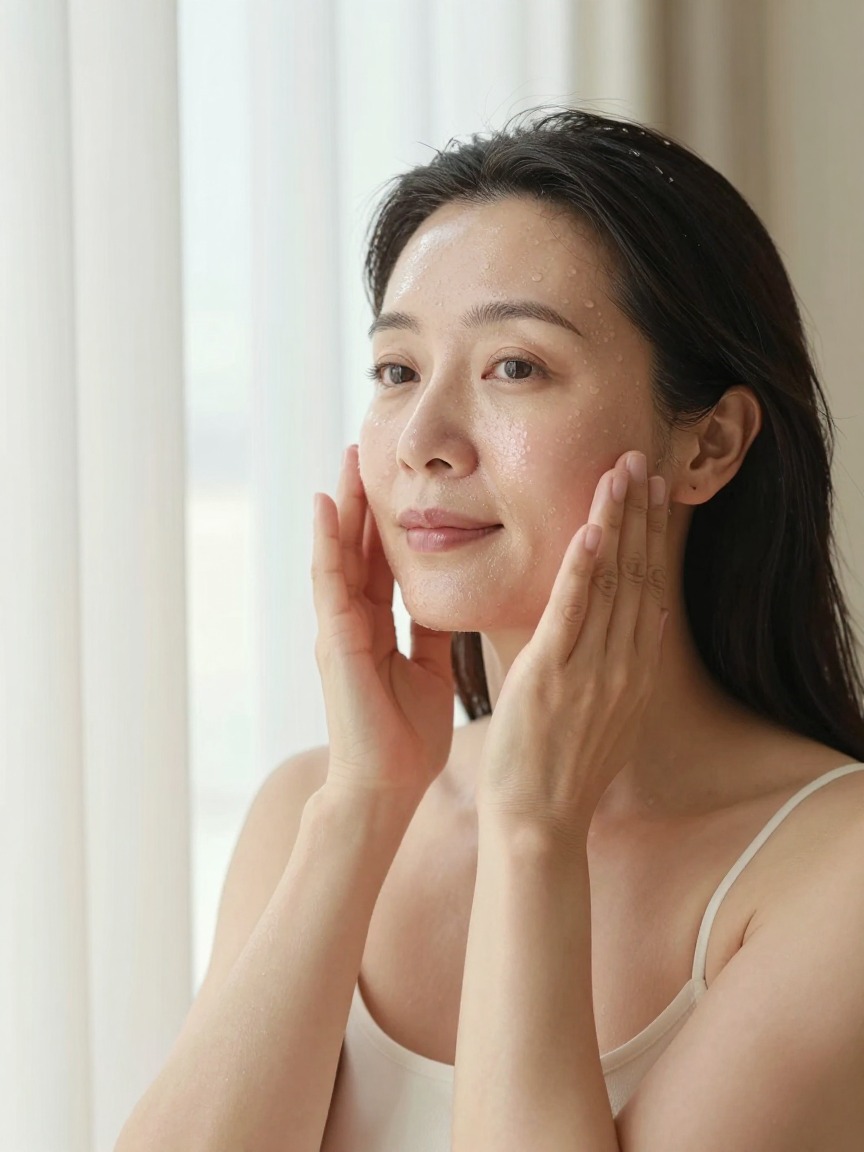
Damp skin is your secret weapon when you learn where it fits in your routine. Applying products to slightly moist skin helps them absorb. A light mist before your cream can boost the effect. The oil then locks that hydration in place.
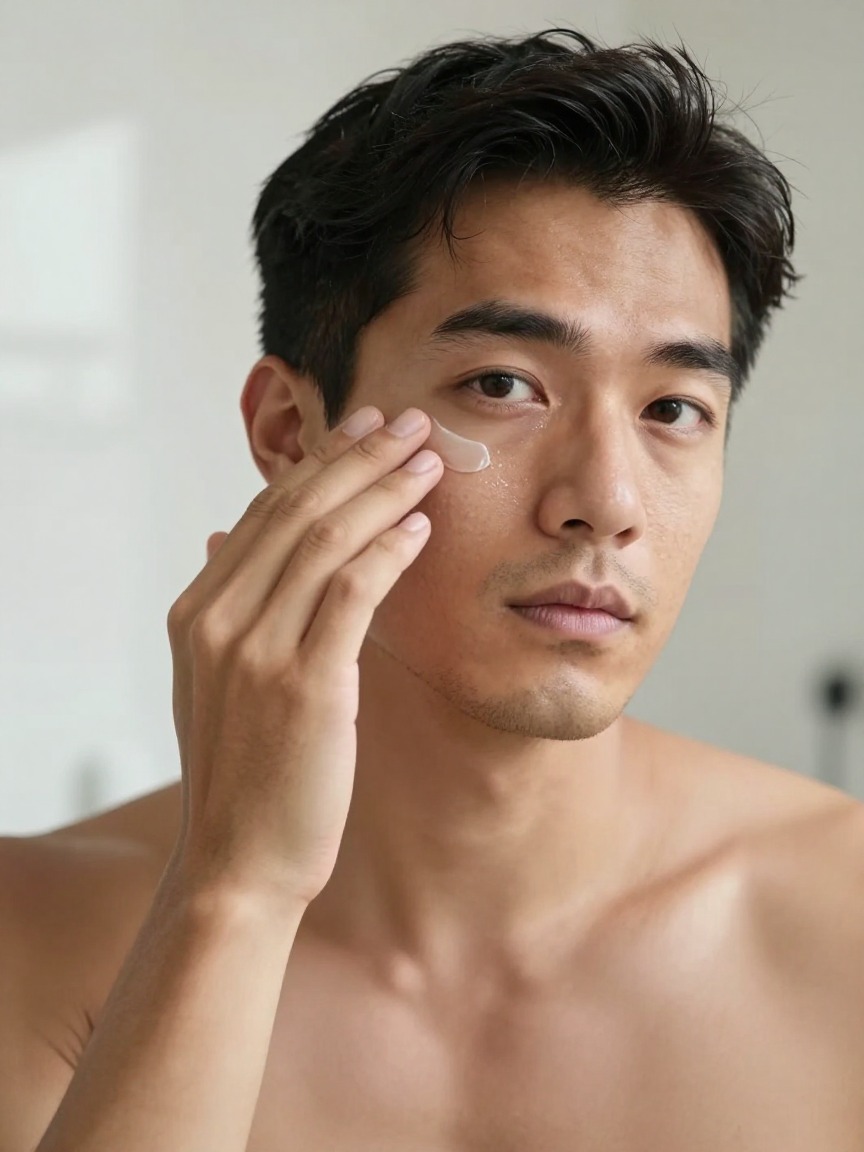
Less is almost always more with facial oil. Two or three drops cover the whole face. Too much leaves a greasy film that blocks makeup. Warm the drops between your palms and press them in gently.
Morning routines may prefer a lighter touch. A heavy oil under sunscreen can feel slick or cause pilling. Acne-prone skin should choose non-comedogenic oils and patch test first.
The face oils we rate most highly tend to be lightweight and work well as that final layer. The Inkey List Jojoba Oil and Trilogy Rosehip Oil absorb without feeling greasy. Josie Maran 100% Pure Argan Oil is a richer choice for dry skin at night. If you prefer, mix a drop of Herbivore Botanicals Phoenix Facial Oil into your cream instead of layering, which sidesteps the face oil under moisturizer question entirely.
Notice how your skin feels through the day. If it looks dewy and stays comfortable, your order is working. If makeup pills or products never seem to sink in, you likely layered too much oil, or put face oil under moisturizer by mistake. A treat like Clarins Lotus Face Treatment Oil is best pressed on last, not buried under cream. Adjust the amount and the order until your skin feels soft rather than slick, and your routine will do its job.
Affiliate disclosure: We may earn a commission from qualifying purchases made through links on this page, at no extra cost to you. Some links on this page are affiliate links.
Recommended face oils
Editor-picked products from our guides.

100% Plant-Derived Squalane Oil
The Ordinary
It's single-ingredient, non-comedogenic, and inexpensive enough to use generously without rationing drops. That makes it the easiest oil to recommend across skin types.
- Lightweight, non-greasy finish that layers well
- Enough slip for gua sha and facial massage tools
- Fragrance-free and well tolerated by most skin types
- Doesn't offer as much cushion as richer oils, so very dry skin may still want a heavier cream underneath

Jojoba Oil
The Inkey List
A wax ester close to skin's own sebum, it absorbs quickly and rarely feels heavy. It's also one of the lowest prices per ounce in this category.
- Fast-absorbing and not greasy
- Doubles as a gentle oil cleanser or makeup remover
- Simple, short ingredient list
- Can feel slightly tacky for the first minute or two after application until it fully settles

100% Pure Argan Oil
Josie Maran
Higher in oleic acid than squalane or jojoba, it sits with more richness. It visibly softens rough patches without a sticky finish.
- Noticeably richer, better suited to genuinely dry skin
- Cold-pressed with a minimal ingredient list
- Works well on dry hair ends and cuticles too
- Has a natural nutty scent some users find too noticeable, and it's easy to overapply at first since a little goes further than expected