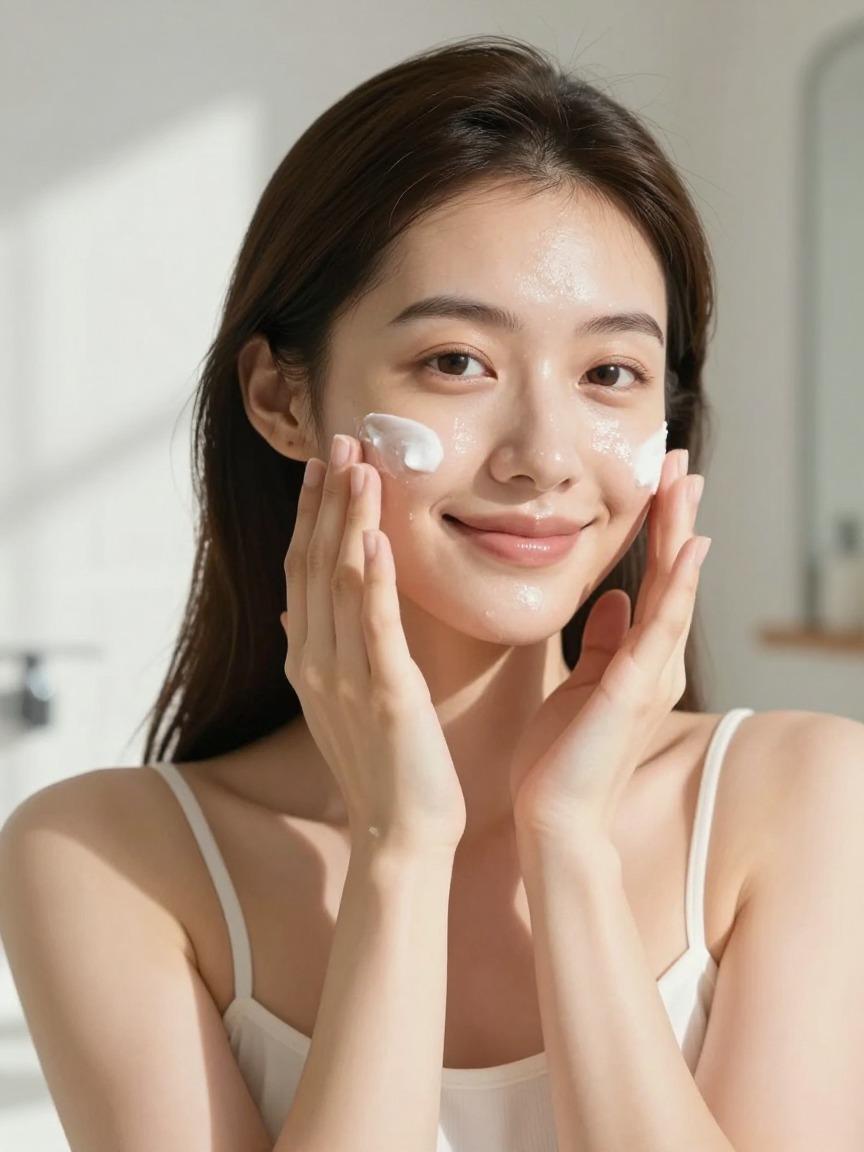
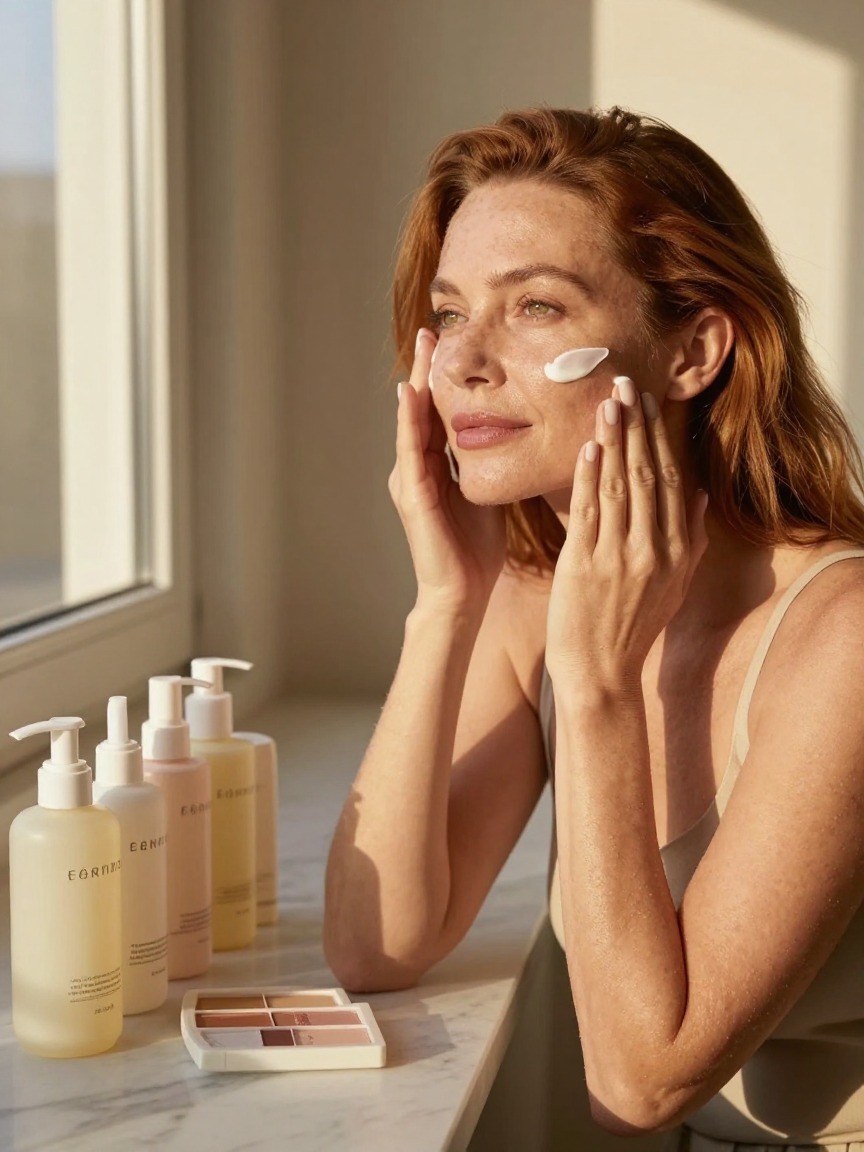
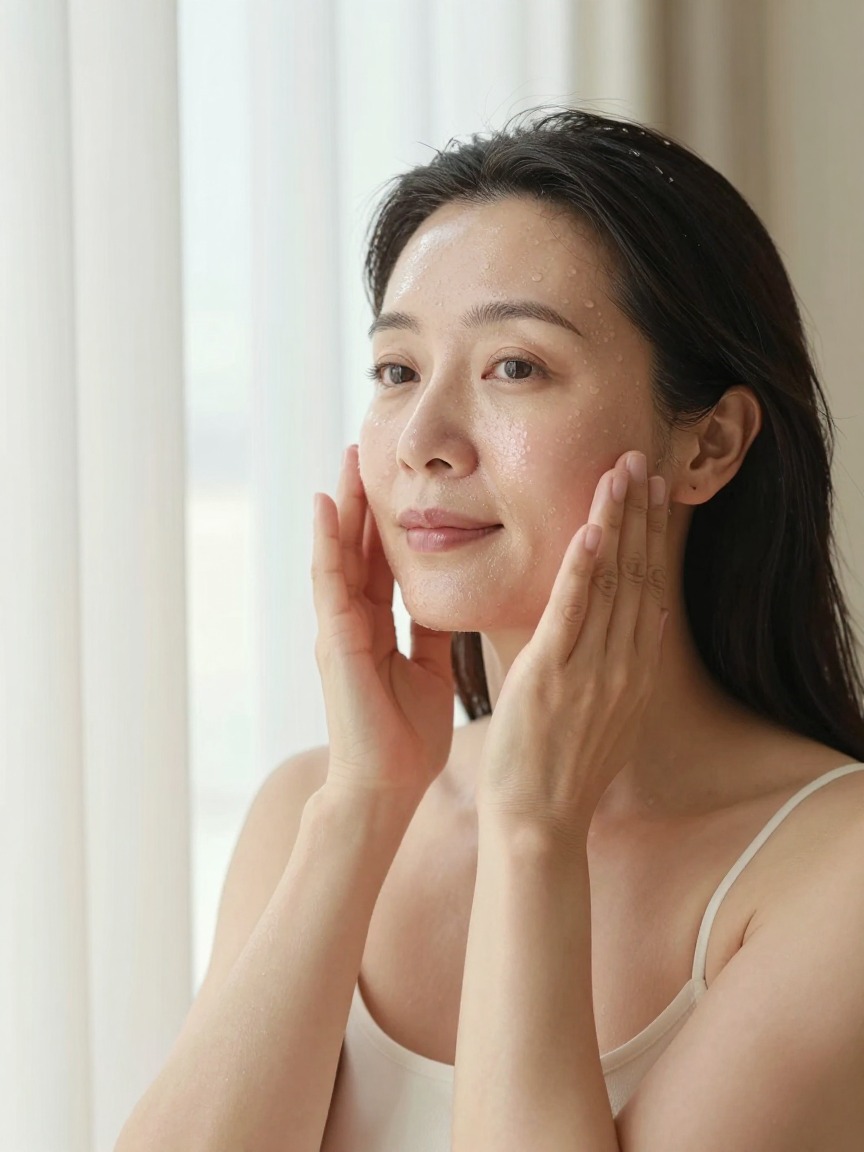
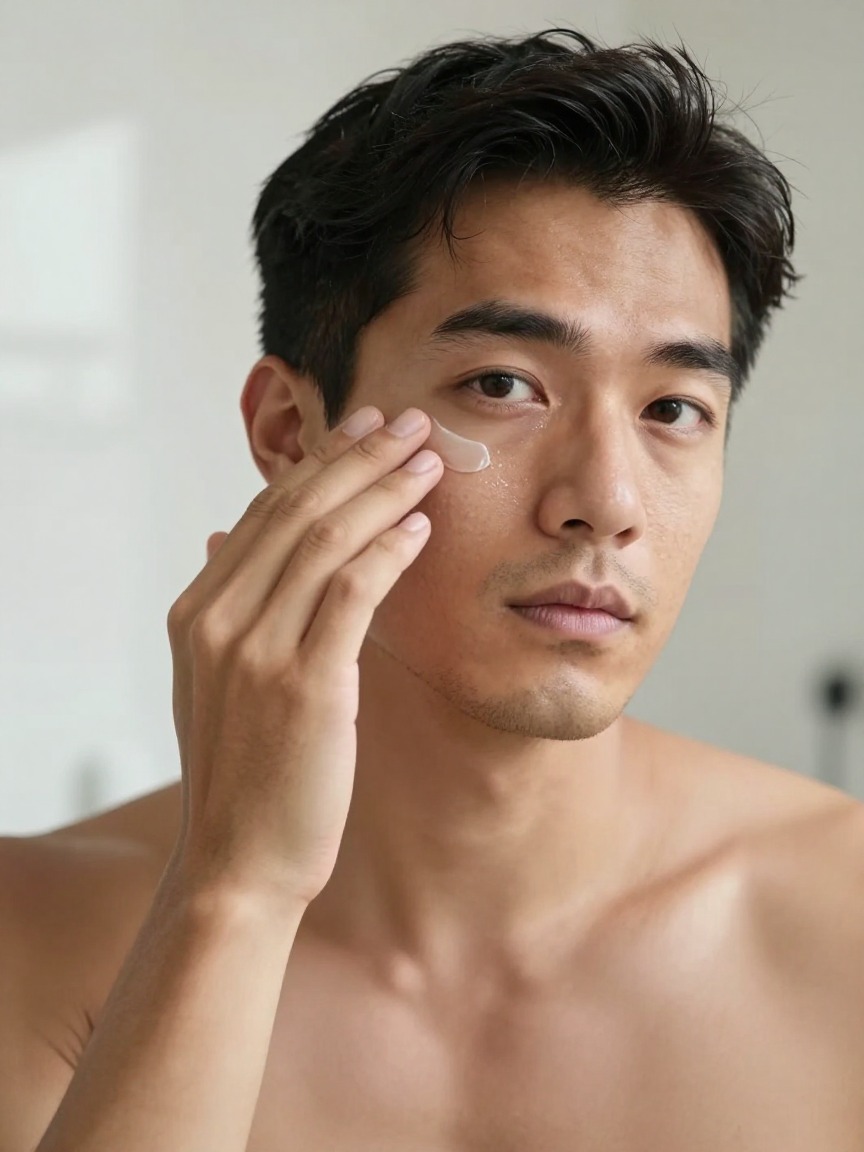
In short: Hyaluronic acid serum is a humectant. It pulls water into the skin, making it look and feel more hydrated and supple. It doesn't treat acne, wrinkles, or any skin condition. It works best applied to damp skin and sealed with a moisturizer. That matters most in dry climates, where used alone it can leave skin feeling more dehydrated.
Affiliate disclosure: We may earn a commission from qualifying purchases made through links on this page, at no extra cost to you. Some links on this page are affiliate links.
Serums & Treatments · Guide
Hyaluronic Acid Serums
Recommended hyaluronic acid serums
Our current top picks in this category, judged on formulation, evidence, texture and value.
Editor's Pick#1
Anyone wanting a dermatologist-backed, do-it-all HA serum that also calms redness and irritation
Hyalu B5 Serum
La Roche-Posay
It combines pure and fragmented hyaluronic acid with vitamin B5 and madecassoside. That hydrates skin at multiple depths. It also supports a compromised or reactive barrier. It's a more complete formula than a single-ingredient HA serum.
Multiple molecular weights of HA plus soothing panthenol and madecassoside
Backed by dermatologist-facing clinical testing
Gel texture layers well under moisturizer and sunscreen
Costs noticeably more per ounce than drugstore HA serums built around a similar core ingredient
Budget-conscious skincare fans who want a straightforward, no-frills HA serum
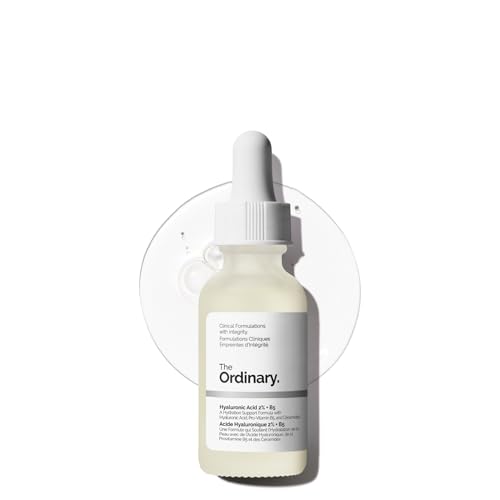
Hyaluronic Acid 2% + B5
The Ordinary
It's the serum that made multi-weight hyaluronic acid mainstream. The formula is simple and inexpensive, with vitamin B5 for support. It remains one of the most cost-effective ways to add HA to a routine.
Very low cost per ounce for a multi-molecular-weight HA formula
Fragrance-free with a short, low-risk ingredient list
Easy to layer under any moisturizer or other serum
Thin, slightly sticky-on-its-own texture that can feel tacky if it isn't sealed with a moisturizer soon after application
Oily or combination skin that wants noticeable hydration without any heaviness or shine
Hydro Boost Hyaluronic Acid Serum
Neutrogena
The water-gel texture absorbs almost instantly and leaves no residue. That makes it a reliable drugstore pick for skin that reacts badly to oil-based or occlusive products.
Fast-absorbing, oil-free gel texture suits oily and combination skin
Widely available at an accessible drugstore price
Non-comedogenic and easy to layer under sunscreen
Lighter formula may not be enough on its own for very dry skin without a heavier moisturizer layered on top
What Hyaluronic Acid Serum Actually Is: A Humectant for Hydration and Plumping
Hyaluronic acid (HA) is a molecule found naturally in human skin, joints, and connective tissue. Its job is to hold onto water. A single gram can bind several liters of it under lab conditions. In skincare, HA works as a humectant. It draws moisture toward the skin's surface. It doesn't supply oil or build a physical barrier the way a rich cream does. That's why a hyaluronic acid serum feels almost weightless compared to a moisturizer. Yet it can still visibly plump and smooth skin within minutes. It isn't a treatment ingredient. It won't clear acne, reverse sun damage, or fade dark spots. No amount of hydration changes that. What it reliably does is make skin look and feel more supple, less tight, and more comfortable. That's a genuinely low-risk, widely useful step that suits nearly every skin type. Widely available serums from brands like La Roche-Posay, The Ordinary, Neutrogena, Vichy, The INKEY List, and Good Molecules all take this same basic approach, though formulas vary in molecular weight and supporting ingredients.
Molecular Weight and Multi-Weight Formulas: Why They Matter More Than the Percentage
Most hyaluronic acid serums are marketed around a percentage. "2% hyaluronic acid" is the most common example. But percentage alone tells you very little about how a formula performs. The more useful variable is molecular weight. High-molecular-weight hyaluronic acid molecules are too large to penetrate the skin. They sit on the surface and form a hydrating, film-like layer instead. Low-molecular-weight versions are small enough to penetrate the upper layers of skin. There, they can plump it from within. Formulas that combine several molecular weights are often labeled "multi-weight" hyaluronic acid. They may also list multiple ingredients, like sodium hyaluronate and hydrolyzed hyaluronic acid. These formulas tend to hydrate more thoroughly than a single-weight version. That's because they work at more than one depth at once. A well-formulated serum at a lower percentage but multiple molecular weights can genuinely outperform a higher-percentage, single-weight formula. That's one reason ingredient percentages alone are a poor way to judge these products.
How to Apply It: Damp Skin, Sodium Hyaluronate and Sealing With a Moisturizer
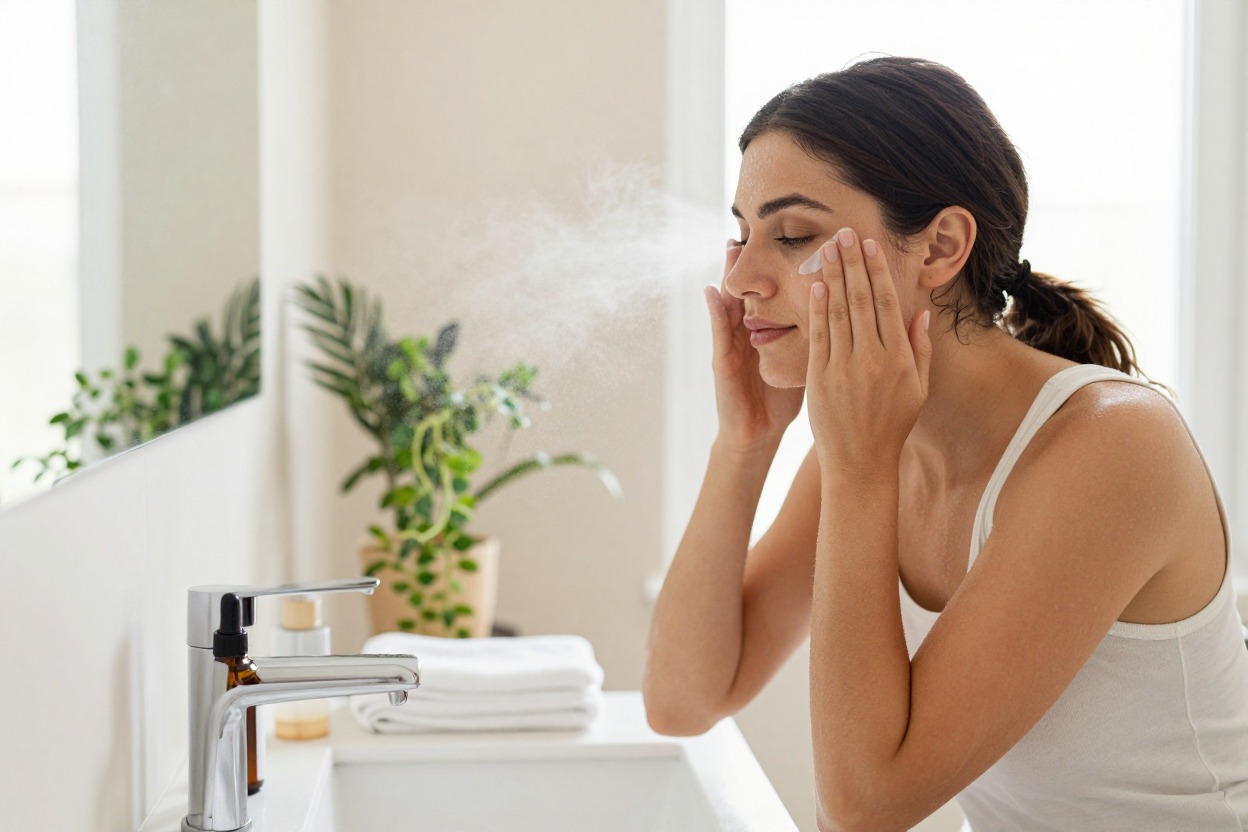
Hyaluronic acid needs water to draw from. That's the single most misunderstood part of using it correctly. Applied to bone-dry skin in a low-humidity room, an HA serum has very little ambient moisture to pull toward the skin. In the driest conditions, it can end up drawing water from the skin's own deeper layers instead. That leaves skin feeling more dehydrated, not less. The fix is straightforward. Apply hyaluronic acid serum — whether it's a sodium hyaluronate formula or a multi-weight blend — to slightly damp skin, right after cleansing or a hydrating toner. There should still be moisture on the surface for it to bind. Then seal it in with a moisturizer within a minute or two, before that surface moisture fully evaporates. This "apply damp, then seal" order matters more for how well an HA serum performs than which specific product you buy.
Who Should Use It
Almost every skin type can use hyaluronic acid. That's part of why it's such a common recommendation as a first "active" step for people just starting a routine.
Oily Skin
Oily or acne-prone skin benefits because HA hydrates without adding oil or clogging pores. A common misconception is that oily skin doesn't need hydration. In fact, stripped, dehydrated skin often produces more oil to compensate.
Dry Skin
Dry or mature skin benefits from layering an HA serum under a richer, more occlusive moisturizer. That combination adds meaningfully more water content to the skin than the moisturizer supplies alone.
Sensitive Skin: Choose Fragrance-Free Formulas
Sensitive or reactive skin generally tolerates hyaluronic acid well, since it isn't an exfoliant or a strong active. A fragrance-free, short-ingredient-list formula is still the safer starting point. A patch test is worth doing with any new product.
Combination Skin
Combination skin can use it across the whole face. It doesn't add oil to already-oily areas the way a rich cream might.
Where It Fits in a Routine: Layering With Glycerin, Panthenol and Other Actives
Hyaluronic acid serum typically goes after cleansing and any toner. It comes before heavier treatment serums, moisturizer, and sunscreen. Its light, water-based texture generally goes on before oil-based or heavier products. That follows the loose rule of thinnest-to-thickest consistency. It layers easily with most other actives — vitamin C, niacinamide, retinoids — since it isn't exfoliating or drying on its own. If anything, it can help buffer the potential dryness of a retinoid by adding water content underneath it. Many formulas also include glycerin or panthenol as supporting humectants and soothing agents. Many people use HA serum both morning and night. Apply a few drops to damp skin, gently pressing it in rather than rubbing. Follow immediately with moisturizer.
Common Mistakes: Skipping the Moisturizer and Risking a Damaged Barrier
Applying it to completely dry skin. Without any surface moisture to draw from, HA has little to work with. In dry conditions, it can pull water from the skin itself.
Skipping the moisturizer afterward. An HA serum used alone, especially in winter or a dry, air-conditioned environment, is far less effective. It can leave skin feeling tighter, not more hydrated, and stress the skin barrier.
Judging a serum only by its percentage. A formula's molecular weight range and supporting ingredients usually matter more than the number on the front of the bottle.
Expecting it to do a treatment ingredient's job. Hyaluronic acid hydrates. It doesn't exfoliate, brighten, or treat acne. Layering more of it won't compensate for skipping ingredients that actually target those concerns.
When Dehydrated Skin Needs a Dermatologist
Hyaluronic acid serum is one of the gentler, lower-risk products in a skincare routine. But it isn't a substitute for medical care. If you're dealing with persistent breakouts, ongoing redness, or a rash that isn't improving, a board-certified dermatologist can examine your skin directly. The same goes for a reaction to a new product that isn't settling down. This guide is based on formulation research and aggregated user experience. It isn't a medical assessment of your skin.
Popular picks from related categories, chosen with the same rubric.
Editor's Pick#1
Dry-to-normal sensitive skin, especially anyone also using retinoids or other actives
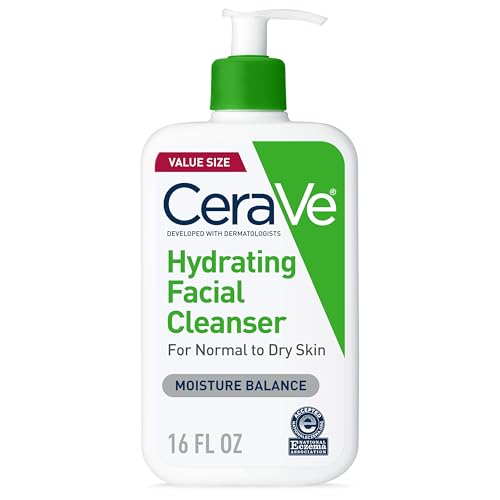
Hydrating Facial Cleanser
CeraVe
It's formulated with three ceramides, hyaluronic acid, and a National Eczema Association seal. Dermatologists mention it most often for reactive skin. It's a genuinely non-foaming, low-irritation formula that doesn't strip the barrier.
Ceramide and hyaluronic acid formula supports the skin barrier while cleansing
Fragrance-free, non-foaming, and won't disrupt a compromised moisture barrier
Budget-friendly per ounce and widely available at drugstores
Doesn't fully dissolve heavy sunscreen or long-wear makeup on its own, so double-cleansing days may need a micellar water or oil-based first step
Normal to dry skin that wants a dermatologist-developed, fragrance-free daily moisturizer
CeraVe Moisturizing Cream
CeraVe
It pairs three essential ceramides with hyaluronic acid in a rich, fragrance-free base. Long-term users with dry, compromised skin consistently praise it. It's also inexpensive enough to use liberally.
Ceramide + hyaluronic acid formula supports the skin barrier
Fragrance-free and well-tolerated by sensitive skin
Large jar size makes it very cost-effective per ounce
The tub packaging means dipping fingers into the product, which isn't ideal for hygiene or portability
acne-prone, sensitive, or post-procedure skin that needs a dermatologist-trusted daily option
UV Clear Broad-Spectrum SPF 46
EltaMD
Dermatologists reach for EltaMD more than almost any other sunscreen. It pairs broad-spectrum zinc oxide protection with niacinamide and hyaluronic acid. The oil-free base is genuinely weightless and layers well under makeup.
Broad-spectrum SPF 46 with zinc oxide
Oil-free, non-comedogenic formula favored for acne-prone skin
Contains niacinamide and hyaluronic acid for added hydration
Pricier per ounce than most drugstore sunscreens, and the pump makes it easy to under-apply if you're not deliberate about the amount.
oily, pore-prone skin that wants a formula built specifically around pore congestion
Super Volcanic Pore Clay Mask 2X
innisfree
Two types of volcanic clay target sebum and blackheads. The texture isn't chalky or hard to remove like older clay formulas. It's also genuinely affordable for how often you'll reach for it.
Lightweight, non-cakey texture that spreads and rinses easily
Visibly reduces the look of congested pores after a single use
Priced low enough to use regularly without guilt
The mineral scent is noticeable and won't appeal to everyone
Anyone dealing with clogged pores, blackheads, or rough, bumpy texture who wants an evidence-backed exfoliating toner
2% BHA Liquid Exfoliant
Paula's Choice
It's built around a well-studied 2% salicylic acid concentration at an effective pH. The base is fragrance-free and alcohol-free. That combination is why it's stayed a favorite among ingredient-focused shoppers for years, rather than fading as a trend.
2% salicylic acid at a pH that actually works
Fragrance-free and alcohol-free formula
Noticeably improves texture and blackheads with consistent use
The active concentration can cause redness or flaking in the first couple of weeks, so it's not the easiest starting point for very reactive or rosacea-prone skin
people who want the most clinically studied LED mask on the market and don't mind the price
Contour Face
Omnilux
Omnilux's LED technology is the same platform used in dermatology clinics. The Contour Face is its rigid, dermatologist-favorite home version, and it has more research behind it than most at-home competitors.
Extensive clinical research behind Omnilux's LED platform, more than most home devices
FDA-cleared for temporary reduction in the appearance of fine lines and wrinkles
Even, consistent light distance thanks to the rigid, hinged design
Rigid shell doesn't flex to different face shapes, there's no blue-light setting for acne, and it's one of the most expensive masks on the market
Affiliate disclosure: We may earn a commission from qualifying purchases made through links on this page, at no extra cost to you. Some links on this page are affiliate links.