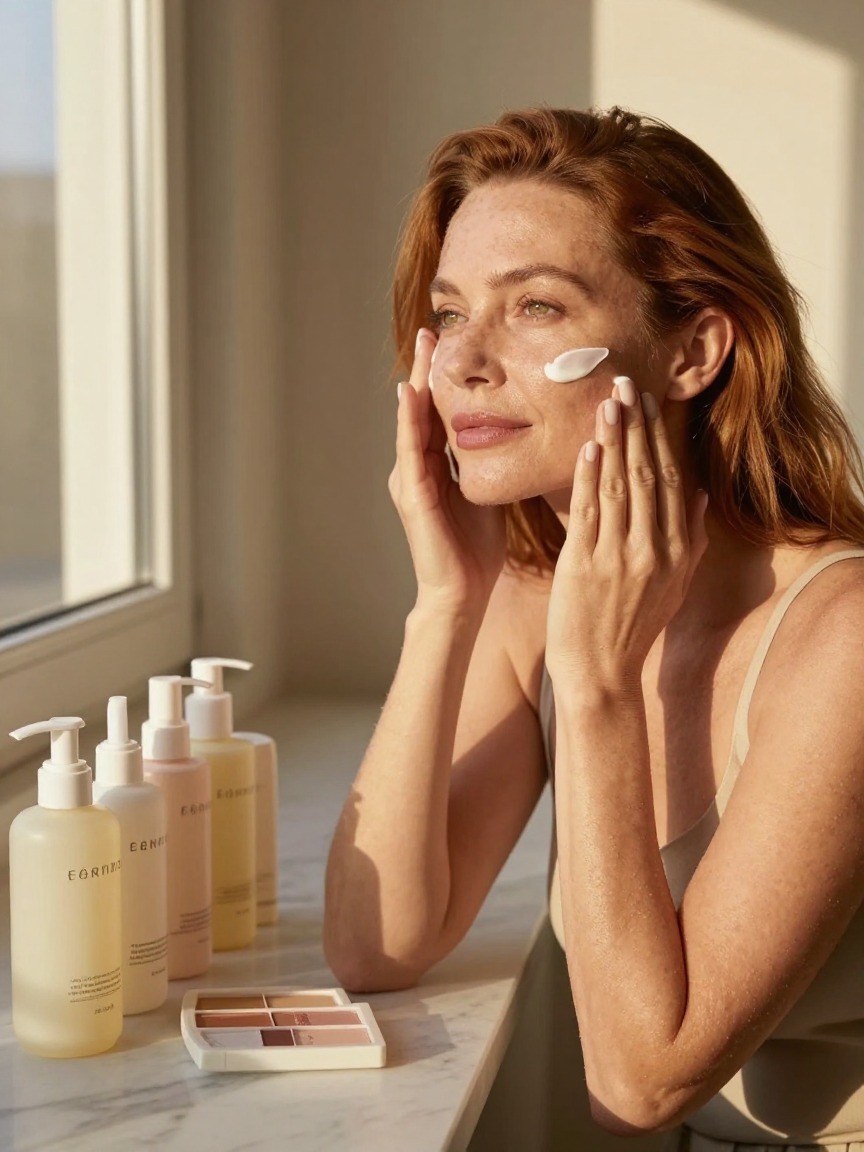
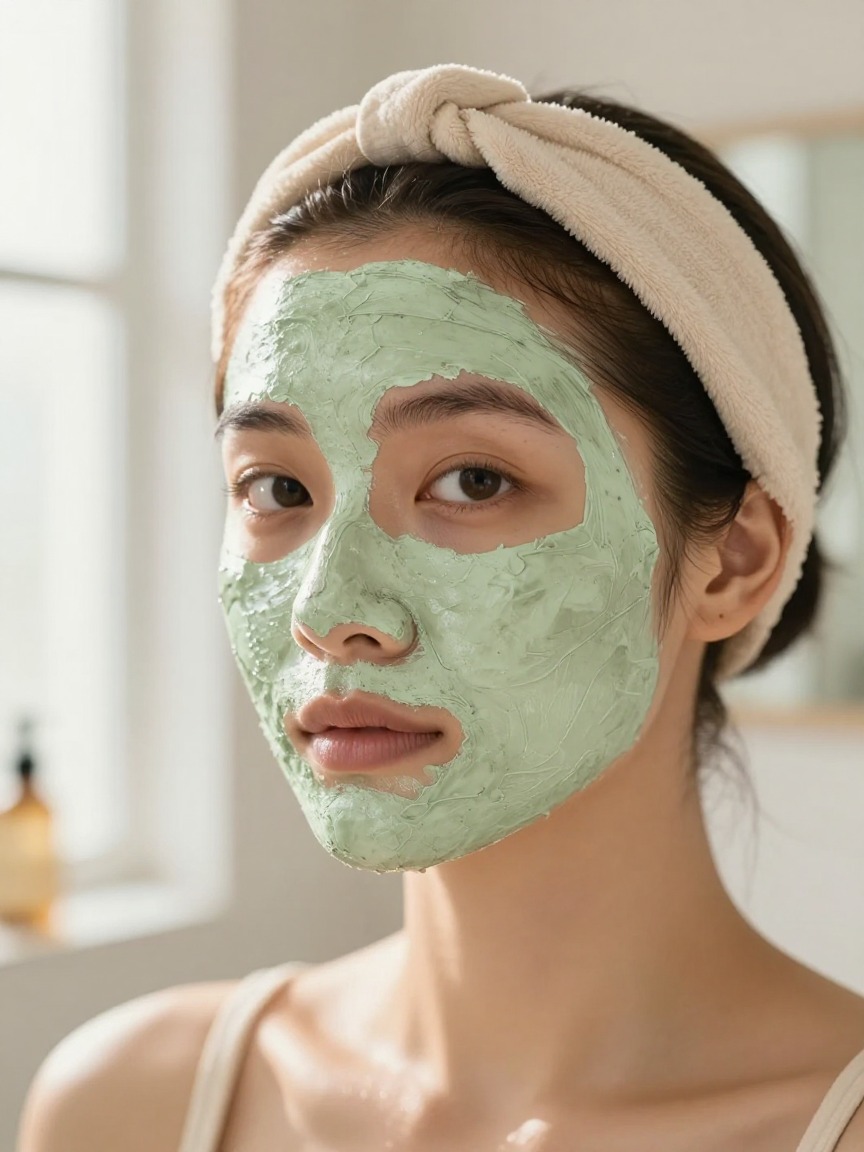
In short: Dermatologist-recommended cleansers share a few traits: a gentle, non-soap surfactant, a skin-friendly pH, and ceramides or humectants to protect the skin barrier. None carry added fragrance or harsh sulfates. Picking one comes down to matching foaming vs. non-foaming texture to your skin type, not chasing trends. See a dermatologist for persistent irritation or acne that won't clear up.
Affiliate disclosure: We may earn a commission from qualifying purchases made through links on this page, at no extra cost to you. Some links on this page are affiliate links.
Facial Cleansers · Guide
Dermatologist-Recommended Cleansers
Recommended dermatologist-recommended cleansers
Our current top picks in this category, judged on formulation, evidence, texture and value.
Editor's Pick#1
Normal to dry or sensitive skin that needs a daily, non-stripping cleanse
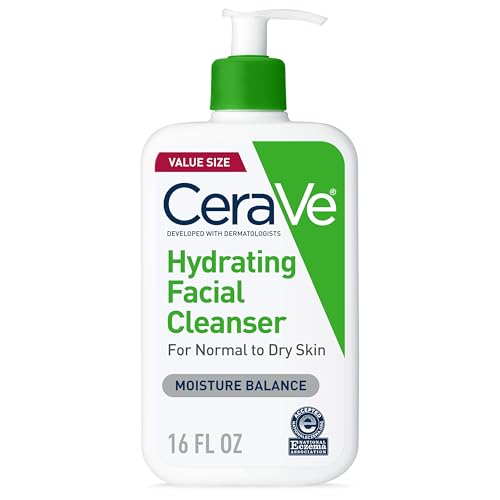
Hydrating Facial Cleanser
CeraVe
A ceramide-and-hyaluronic-acid formula that's non-foaming and fragrance-free. It's become a near-default pick for people who want a cleanser that just works without fuss.
Ceramides help support the skin barrier while cleansing
Fragrance-free and non-comedogenic
Doesn't leave a tight, stripped feeling after rinsing
Doesn't produce a lather, so it can feel underwhelming if you're used to foaming cleansers or wear heavy makeup and sunscreen
Built around ceramide-3, niacinamide, and glycerin. It's free of soap, sulfates, and fragrance. Dermatologists often point to it for compromised or easily irritated skin barriers.
Very gentle, minimal ingredient list
Leaves skin feeling calm rather than tight after rinsing
Gentle enough for use near the eye area for most people
The line has been reformulated over the years, so it's worth checking the current ingredient list if you're highly reactive
Anyone who wants a reliable, no-frills daily cleanser at a low cost
Gentle Skin Cleanser
Cetaphil
A decades-old dermatology-office staple. It's mild, soap-free, and gentle enough for most skin types. That's why it's such a common starter recommendation.
Inexpensive and widely available
Very low irritation potential, even after procedures like peels
Can double as a no-rinse cleanser for very dry or sensitive skin
Some users find it leaves a slight residue if not rinsed thoroughly, and it doesn't fully remove heavy makeup or SPF on its own
What 'dermatologist-recommended' actually means for a cleanser
'Dermatologist-recommended' isn't a certification or a regulated label. No governing body verifies it. Any brand can put the phrase on packaging. In practice, it describes a small, overlapping list of cleansers. Dermatologists mention these repeatedly in consultations, patient handouts, and their own guidance. The formulas are simple and predictable. They're unlikely to cause problems across most skin types. Brands like CeraVe, Cetaphil, La Roche-Posay, Vanicream, and Neutrogena keep showing up for that reason. Understanding why is more useful than treating the label as a guarantee.
The core job of a facial cleanser: the surfactant and the skin barrier
A cleanser's only real job is to remove what's sitting on top of the skin. That means oil, sweat, dirt, sunscreen, and makeup, without doing more harm than good. That's a narrower job than people often assume. Cleansers don't need to deep-clean pores the way that phrase implies. They're also not where active ingredients do their heaviest lifting, since they're rinsed off within seconds. The surfactant does the actual cleaning. It's also the ingredient most likely to disturb the skin barrier if the formula is too harsh. The formulas dermatologists favor reflect that narrow job: mild, predictable, and barrier-friendly rather than aggressive.
Ceramides, hyaluronic acid, niacinamide and fragrance-free formulas: what's inside
Dermatologist-favored cleansers tend to share a short list of ingredients. Ceramides help replace lipids that washing removes from the skin barrier. Hyaluronic acid and glycerin are humectants. They attract and hold onto moisture during the wash. Niacinamide often joins them, calming skin while supporting the barrier. None of these do as much in a rinse-off product as a leave-on one. But even a small assist helps during a barrier-stripping step. Fragrance-free formulas matter just as much. Added scent is a common trigger for contact irritation, with no cleansing benefit at all.
Non-foaming cleanser vs. foaming cleanser: matching texture to skin type
Cleansers generally fall into two camps. Non-foaming, cream or lotion-style cleansers use gentler surfactants. They often leave a slight residue that gets wiped or rinsed away. They clean effectively while removing less of the skin's own oil. Foaming cleansers produce lather, which can feel more thorough. They're generally better at cutting through heavier sunscreen, makeup, or excess oil. Neither type is inherently better. The right choice depends on how much oil your skin produces.
Sulfate-free, non-comedogenic and pH-balanced: what a gentle cleanser avoids
A gentle cleanser leaves out as much as it includes. Sulfate-free formulas swap harsh detergents for milder ones. Ingredients like cocamidopropyl betaine clean without stripping natural oils. Non-comedogenic means the formula won't clog pores or trigger breakouts. A pH-balanced formula sits close to skin's natural range, roughly pH 4.5 to 5.5. Alkaline soap sits far outside that range and can leave skin feeling tight.
How to choose by skin type
Dry skin and sensitive skin
Look for non-foaming, fragrance-free formulas with humectants like hyaluronic acid and glycerin, plus barrier ingredients like ceramides. Avoid anything that leaves skin feeling tight, squeaky, or stripped right after rinsing. That sensation usually means the cleanser removed more oil than it should have.
Oily skin and acne-prone skin: salicylic acid, benzoyl peroxide and cleanser limits
A light foaming cleanser is usually more satisfying here. It can help manage shine and sunscreen buildup. That said, cleansers aren't a primary acne treatment. Leave-on ingredients like salicylic acid or benzoyl peroxide, used as a separate treatment step, do more of the actual work against breakouts.
Combination skin
Either texture can work. Many people with combination skin do fine with a light foaming cleanser year-round. Others switch to a non-foaming formula in drier months. There's no need to use different cleansers on different zones of the face.
Mature skin
Skin tends to produce less oil and grows more prone to dryness with age. A non-foaming, hydrating cleanser is usually the safer default. Pair it with a moisturizer that reinforces the barrier afterward.
Where cleansing fits in a routine
For most people, twice-daily cleansing — morning and night — is enough. The morning wash removes overnight buildup and sweat. The evening wash removes the day's sunscreen, makeup, and pollution before bed. Cleansing more than that, or using hot water instead of lukewarm, tends to do more harm than good. After cleansing, the general order is treatment serums or actives, then moisturizer, then sunscreen in the morning. The cleanser itself isn't where most of a routine's results come from. It's the foundation that decides whether everything applied afterward absorbs comfortably or stings on irritated skin.
What to actually check on the label
Ingredient lists on cleansers are ordered by concentration. The first five or six entries tell you most of what you need to know. Water is almost always first. After that, look for the surfactant fairly high on the list, since that's what's doing the actual cleaning. Names often end in -aine (like cocamidopropyl betaine) or -ate (like sodium cocoyl isethionate). Ceramides, hyaluronic acid, glycerin, and niacinamide are worth noting if they appear. Their concentration matters less in a rinse-off product than a leave-on one. If you see fragrance or parfum on the list, and you have sensitive skin, screen for that first. It's responsible for a disproportionate share of cleanser-related irritation.
Patch testing before you commit to a new cleanser
Even a dermatologist-favored formula can cause a reaction in one person. Skin history and allergies vary widely. A patch test catches most problems early. Apply the new cleanser to your inner forearm for a few days. If it stays clear, it's safe to try on your face. If irritation or redness shows up, stop and skip that product. This matters most for eczema-prone or reactive skin.
Mistakes that undo a good cleanser: over-cleansing and double-cleansing
Using hot water, which strips more oil than warm or lukewarm water and can worsen dryness and redness
Over-cleansing more than twice a day, or double-cleansing unnecessarily without a real need like heavy makeup or SPF removal
Scrubbing daily with a washcloth, brush, or gritty exfoliant instead of using fingertips — mechanical friction is its own source of irritation
Switching cleansers frequently when skin reacts, instead of identifying which specific ingredient is the likely trigger
Expecting a cleanser to treat acne, hyperpigmentation, or fine lines on its own, when those results mostly come from leave-on products
Eczema, rosacea and when to see a dermatologist instead of guessing
General recommendations — including the picks in this guide — are a reasonable starting point for healthy skin without a diagnosed condition. Persistent redness, stinging that doesn't fade, or breakouts that don't respond to basic changes are reasons to see a dermatologist. So is a suspected reaction to a specific ingredient. Trial-and-error with different drugstore cleansers isn't a substitute for that. A dermatologist can patch test or prescribe something appropriate for a diagnosable condition like rosacea, eczema, or contact dermatitis, rather than something a cleanser swap alone will fix.
Popular picks from related categories, chosen with the same rubric.
Best Value#2
Readers who want a well-formulated L-ascorbic acid serum without the prestige price tag
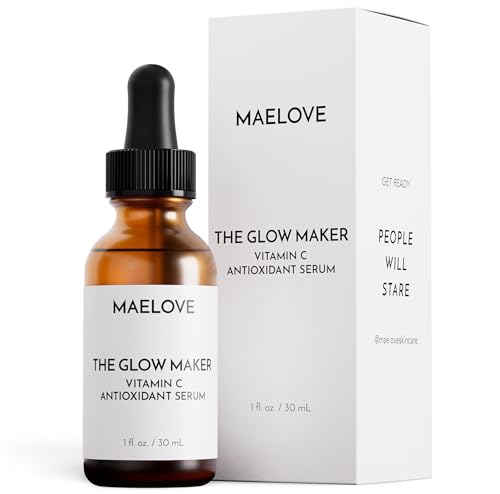
Glow Maker
Maelove
It leans on similar formulation logic to pricier serums: L-ascorbic acid plus vitamin E and ferulic acid. It costs a fraction of the price. That's why it's often called an affordable alternative to the prestige options.
Combines L-ascorbic acid with vitamin E and ferulic acid, echoing higher-end formulas
Opaque pump bottle helps limit light and air exposure
Noticeably cheaper per ounce than most L-ascorbic acid serums of similar formulation
The pump can dispense unevenly or feel like it needs priming, a minor but frequently mentioned annoyance
Normal to dry skin that wants a dermatologist-developed, fragrance-free daily moisturizer
CeraVe Moisturizing Cream
CeraVe
It pairs three essential ceramides with hyaluronic acid in a rich, fragrance-free base. Long-term users with dry, compromised skin consistently praise it. It's also inexpensive enough to use liberally.
Ceramide + hyaluronic acid formula supports the skin barrier
Fragrance-free and well-tolerated by sensitive skin
Large jar size makes it very cost-effective per ounce
The tub packaging means dipping fingers into the product, which isn't ideal for hygiene or portability
acne-prone, sensitive, or post-procedure skin that needs a dermatologist-trusted daily option
UV Clear Broad-Spectrum SPF 46
EltaMD
Dermatologists reach for EltaMD more than almost any other sunscreen. It pairs broad-spectrum zinc oxide protection with niacinamide and hyaluronic acid. The oil-free base is genuinely weightless and layers well under makeup.
Broad-spectrum SPF 46 with zinc oxide
Oil-free, non-comedogenic formula favored for acne-prone skin
Contains niacinamide and hyaluronic acid for added hydration
Pricier per ounce than most drugstore sunscreens, and the pump makes it easy to under-apply if you're not deliberate about the amount.
oily, pore-prone skin that wants a formula built specifically around pore congestion
Super Volcanic Pore Clay Mask 2X
innisfree
Two types of volcanic clay target sebum and blackheads. The texture isn't chalky or hard to remove like older clay formulas. It's also genuinely affordable for how often you'll reach for it.
Lightweight, non-cakey texture that spreads and rinses easily
Visibly reduces the look of congested pores after a single use
Priced low enough to use regularly without guilt
The mineral scent is noticeable and won't appeal to everyone
Anyone dealing with clogged pores, blackheads, or rough, bumpy texture who wants an evidence-backed exfoliating toner
2% BHA Liquid Exfoliant
Paula's Choice
It's built around a well-studied 2% salicylic acid concentration at an effective pH. The base is fragrance-free and alcohol-free. That combination is why it's stayed a favorite among ingredient-focused shoppers for years, rather than fading as a trend.
2% salicylic acid at a pH that actually works
Fragrance-free and alcohol-free formula
Noticeably improves texture and blackheads with consistent use
The active concentration can cause redness or flaking in the first couple of weeks, so it's not the easiest starting point for very reactive or rosacea-prone skin
people who want the most clinically studied LED mask on the market and don't mind the price
Contour Face
Omnilux
Omnilux's LED technology is the same platform used in dermatology clinics. The Contour Face is its rigid, dermatologist-favorite home version, and it has more research behind it than most at-home competitors.
Extensive clinical research behind Omnilux's LED platform, more than most home devices
FDA-cleared for temporary reduction in the appearance of fine lines and wrinkles
Even, consistent light distance thanks to the rigid, hinged design
Rigid shell doesn't flex to different face shapes, there's no blue-light setting for acne, and it's one of the most expensive masks on the market
Affiliate disclosure: We may earn a commission from qualifying purchases made through links on this page, at no extra cost to you. Some links on this page are affiliate links.