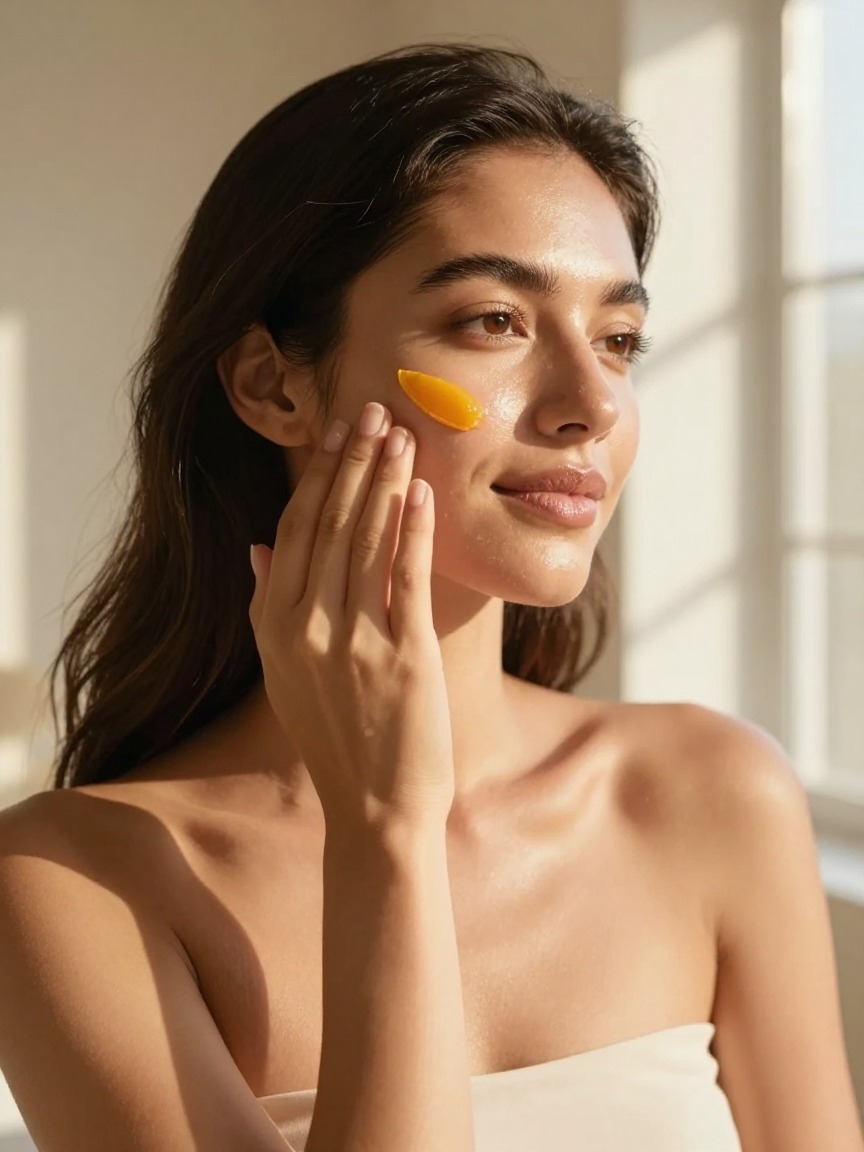
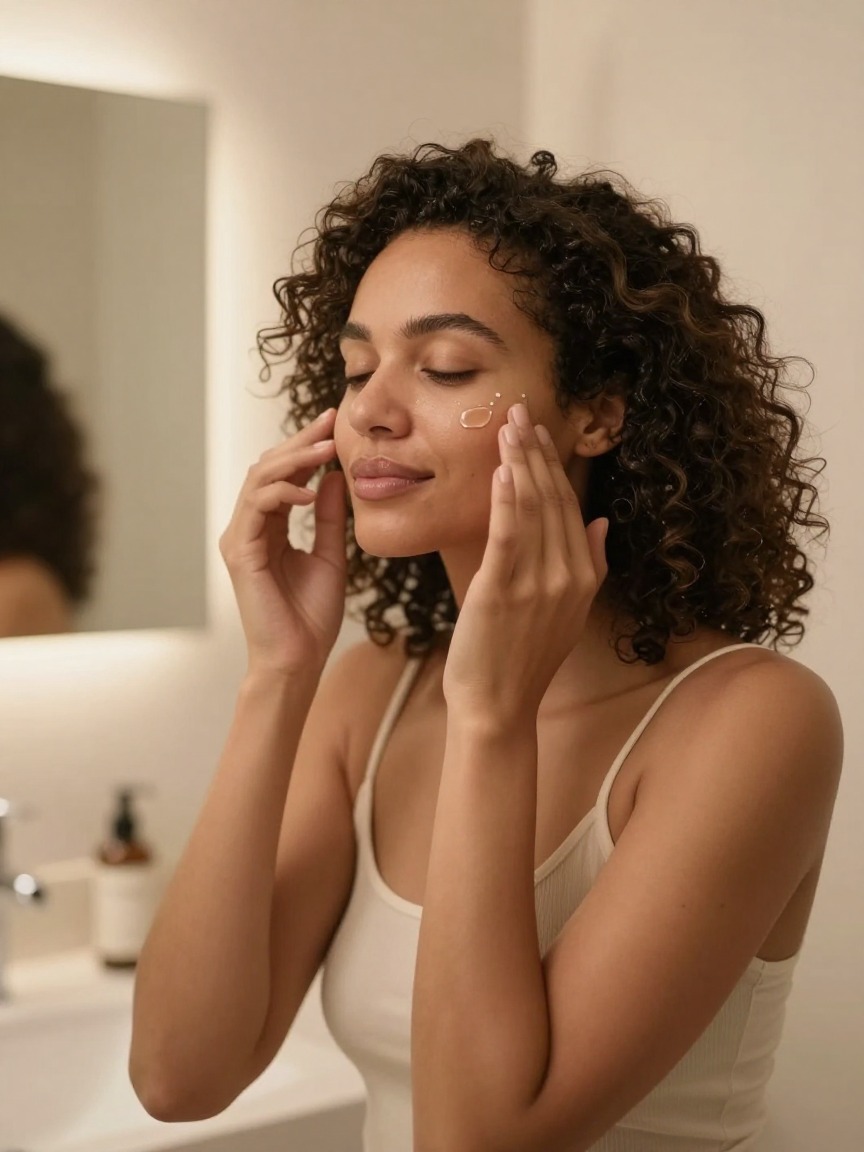
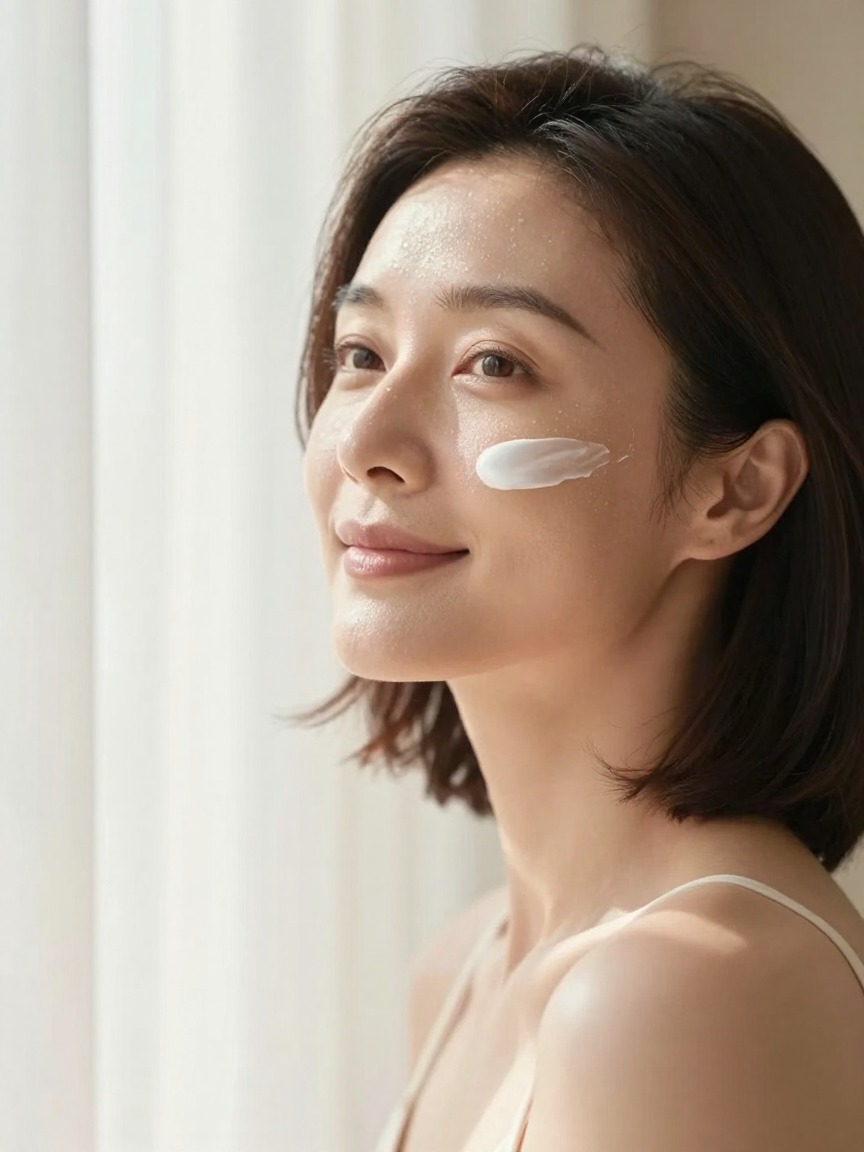
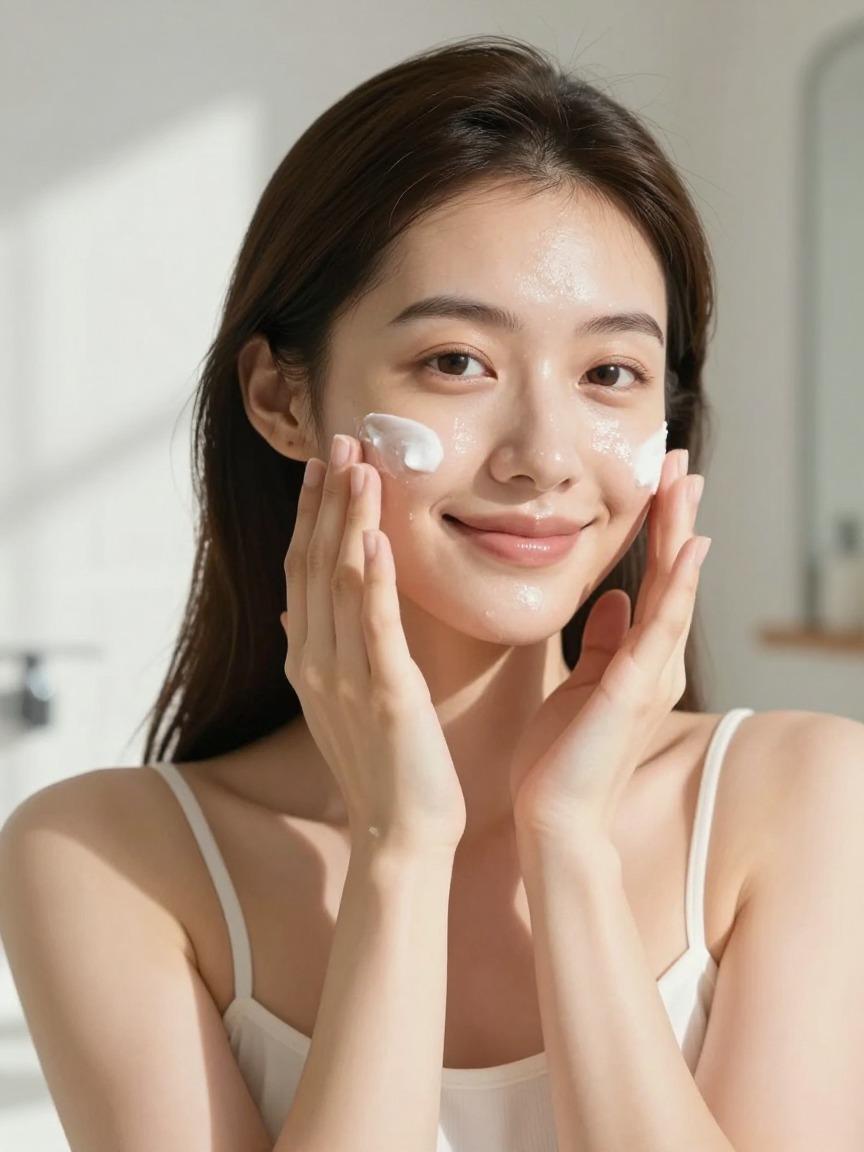
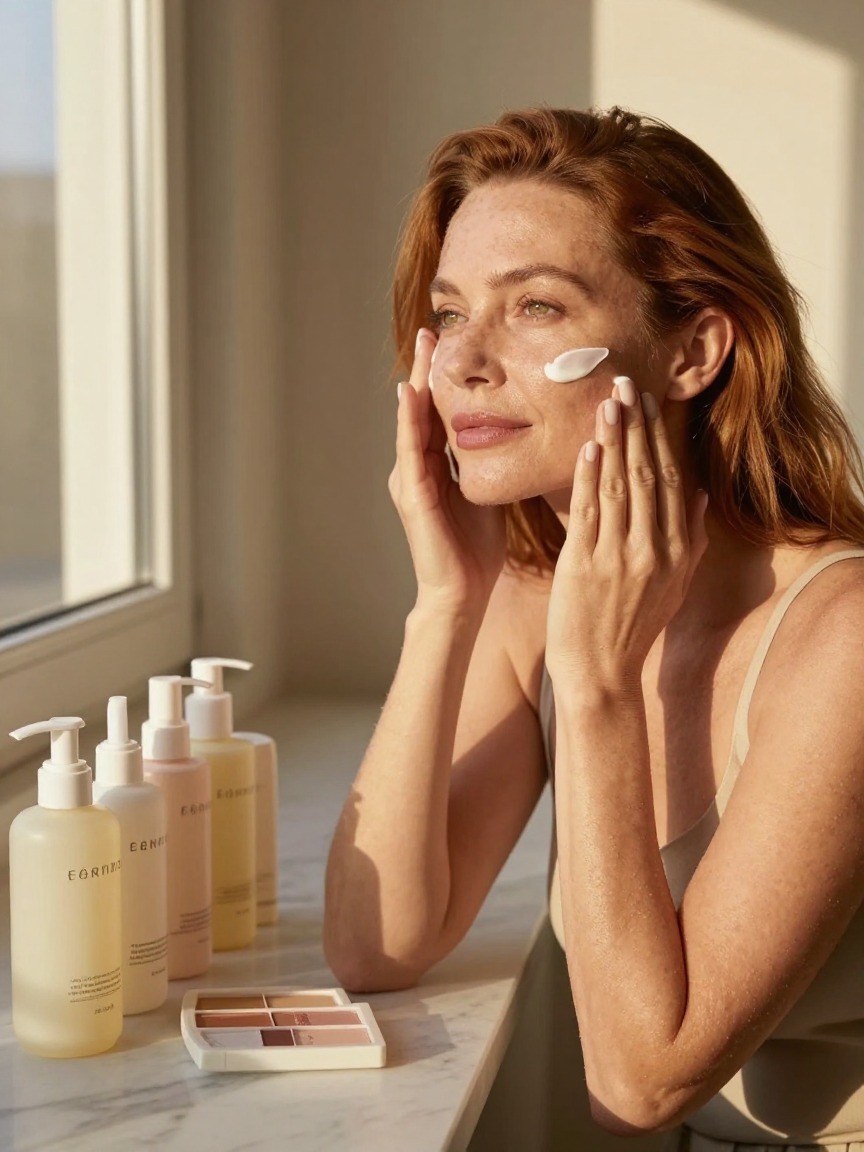
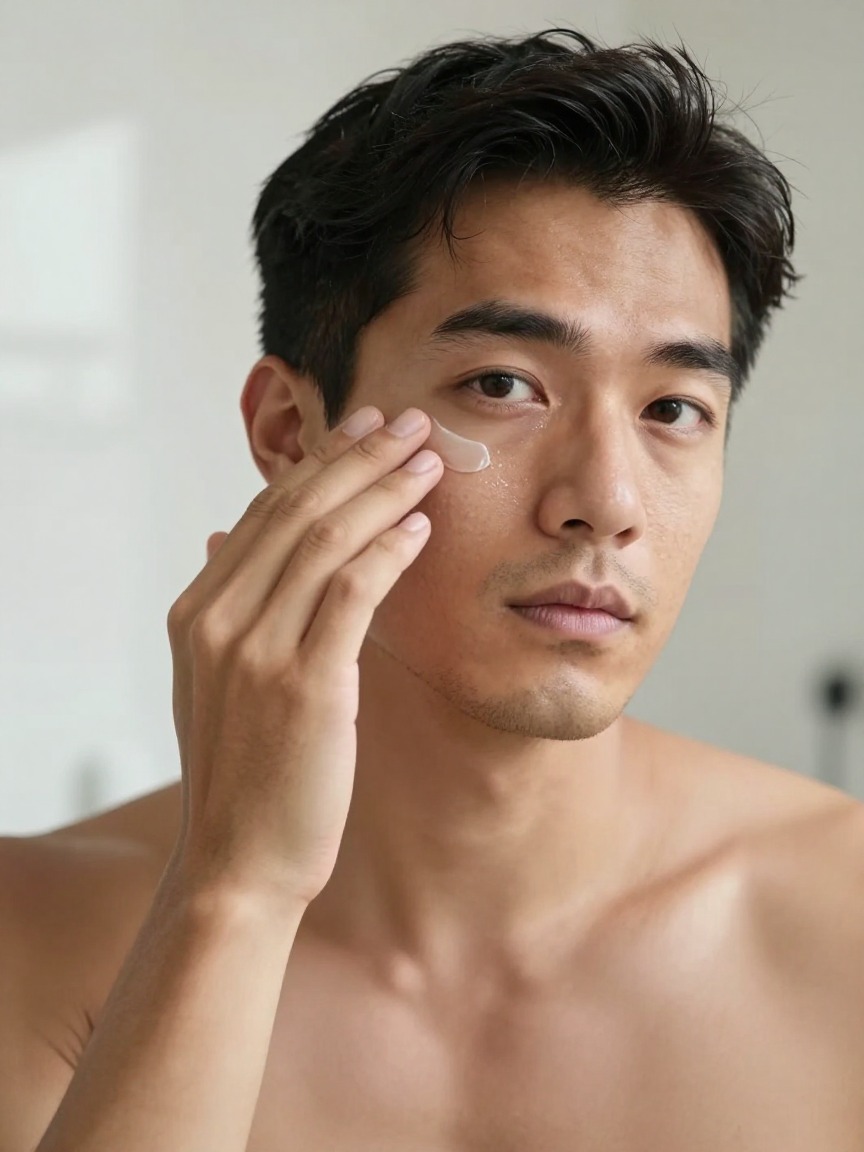
In short: Tinted facial sunscreen combines broad-spectrum UV protection with iron oxide pigments. Those pigments even out tone and, unlike plain sunscreen, help block visible light linked to worsening melasma and dark spots. It works well as a light foundation replacement. But shade ranges are limited, and most people under-apply it since it also functions as makeup.
Affiliate disclosure: We may earn a commission from qualifying purchases made through links on this page, at no extra cost to you. Some links on this page are affiliate links.
Sun Protection · Guide
Tinted Facial Sunscreens
Recommended tinted facial sunscreens
Our current top picks in this category, judged on formulation, evidence, texture and value.
Editor's Pick#1
Acne-prone, rosacea-prone, or post-procedure skin that wants a dermatologist-favorite tinted sunscreen with a proven track record
UV Clear Broad-Spectrum SPF 46 Tinted
EltaMD
It's the tinted sunscreen dermatologists recommend most often. It's built on a hybrid mineral-chemical formula with niacinamide. It's also non-comedogenic enough to hold up on reactive or acne-prone skin without triggering breakouts.
Contains niacinamide, which helps calm redness alongside the sun protection
Non-comedogenic and well-tolerated by acne-prone and post-procedure skin
Blends in with minimal white cast for most skin tones
Comes in essentially one universal shade, so it can read slightly light or slightly off on the deepest and the fairest skin tones
Anyone managing melasma, post-inflammatory marks, or visible-light sensitivity who wants a 100% mineral formula with a meaningful iron oxide load
Anthelios Tinted Mineral Sunscreen SPF 50
La Roche-Posay
It's a fully mineral formula built around a higher concentration of iron oxides. That's specifically for visible-light defense. It's one of the more purpose-built options for people whose main concern is pigmentation, not just sun protection.
100% mineral filters (zinc oxide and titanium dioxide), fragrance-free
Meaningful iron oxide content aimed specifically at visible-light protection
Gentle enough for sensitive and post-procedure skin
Mineral formulas like this one can leave a faint gray or ashy cast on deeper skin tones until it's fully blended in
Budget-conscious shoppers who want a genuinely gentle, ceramide-based tinted mineral sunscreen at a drugstore price
Hydrating Mineral Sunscreen Sheer Tint Face SPF 30
CeraVe
It pairs CeraVe's ceramide-and-niacinamide base with a sheer mineral tint. The cost is a fraction of the prestige options. It's stocked in nearly every US drugstore.
Contains ceramides and niacinamide alongside the mineral SPF
Very inexpensive relative to the amount of product you get
Widely available at drugstores and mass retailers nationwide
SPF 30 is on the lower end of this category, so people who burn easily or spend long stretches outdoors may want a higher-SPF option
What Tinted Sunscreen Actually Is: Broad-Spectrum UV Protection Plus Pigment
Tinted sunscreen is a broad-spectrum SPF formula with added pigment. Most often that pigment is iron oxide. It gives the formula a skin-toned cast rather than the stark white or gray finish plain mineral sunscreen can leave. Underneath the tint, it's still doing the same core job as any sunscreen. It filters or reflects UV radiation before it reaches living skin cells. The tint is the added feature, not a substitute for UV protection. A well-formulated tinted sunscreen should protect just as well as its untinted counterpart from the same line.
Why the Tint Isn't Just Cosmetic: Iron Oxides, Visible Light & Hyperpigmentation
This is the detail that separates tinted sunscreen from a marketing gimmick. Iron oxides are the pigments most commonly used to create the tint. They've been shown to help block visible light, a wavelength range standard UV filters, mineral or chemical, largely don't address. Meaningful amounts of visible light come from the sun, with a much smaller contribution from screens. Research has linked it to worsening melasma and post-inflammatory hyperpigmentation specifically, conditions plain SPF alone doesn't fully protect against. Not every tinted sunscreen contains a meaningful concentration of iron oxide. If visible-light protection is your actual goal, check that iron oxides appear reasonably high on the ingredient list rather than assuming any tint delivers the same benefit.
Mineral Sunscreen vs Chemical Sunscreen: Zinc Oxide, Titanium Dioxide & Melasma Protection
Mineral tinted sunscreens rely on zinc oxide and titanium dioxide as the UV filters. They sit on top of skin rather than absorbing into it. Formulas like La Roche-Posay's Anthelios Tinted Mineral Sunscreen or CeraVe's Hydrating Mineral Sunscreen tend to be the gentler choice for sensitive, rosacea-prone, or recently treated skin. They can still leave a faint gray cast on deeper skin tones before it's fully blended. Chemical and hybrid formulas use filters like avobenzone or octisalate alongside some mineral content. They generally blend more invisibly and feel lighter on the skin, which matters if you find mineral sunscreen's texture too heavy or don't like the initial cast. For anyone managing melasma, either type works well as long as it carries a meaningful iron oxide load.
How Much You Actually Need to Apply: SPF, Reapplication & Broad-Spectrum Protection
SPF testing is based on roughly a quarter teaspoon of product for the full face. This is where tinted sunscreen quietly falls short for a lot of people. Because it also functions as light makeup, most people apply a thinner layer than they would with a clear sunscreen, closer to how they'd apply foundation. That gap between tested amount and real-world amount can meaningfully undercut the labeled broad-spectrum protection. Formulas like EltaMD's UV Clear pack in extras like niacinamide, but no ingredient list replaces enough product. If you're relying on a tinted sunscreen as your only sun protection, apply more than feels natural for a makeup product. Reapply through the day the same way you would with any sunscreen.
Choosing for Sensitive Skin, Rosacea-Prone & Acne-Prone Skin
Oily and acne-prone skin generally does better with a matte-finish or oil-free formula, paired with a lighter mineral or hybrid filter system. Sensitive skin and rosacea-prone skin tend to tolerate fragrance-free mineral formulas, like Australian Gold's Botanical Tinted Sunscreen, better than heavier chemical blends. Dry skin tends to prefer a dewier finish with added hydrators like hyaluronic acid or niacinamide.
Shade Range, White Cast & Dewy Finish vs Matte Finish by Skin Tone
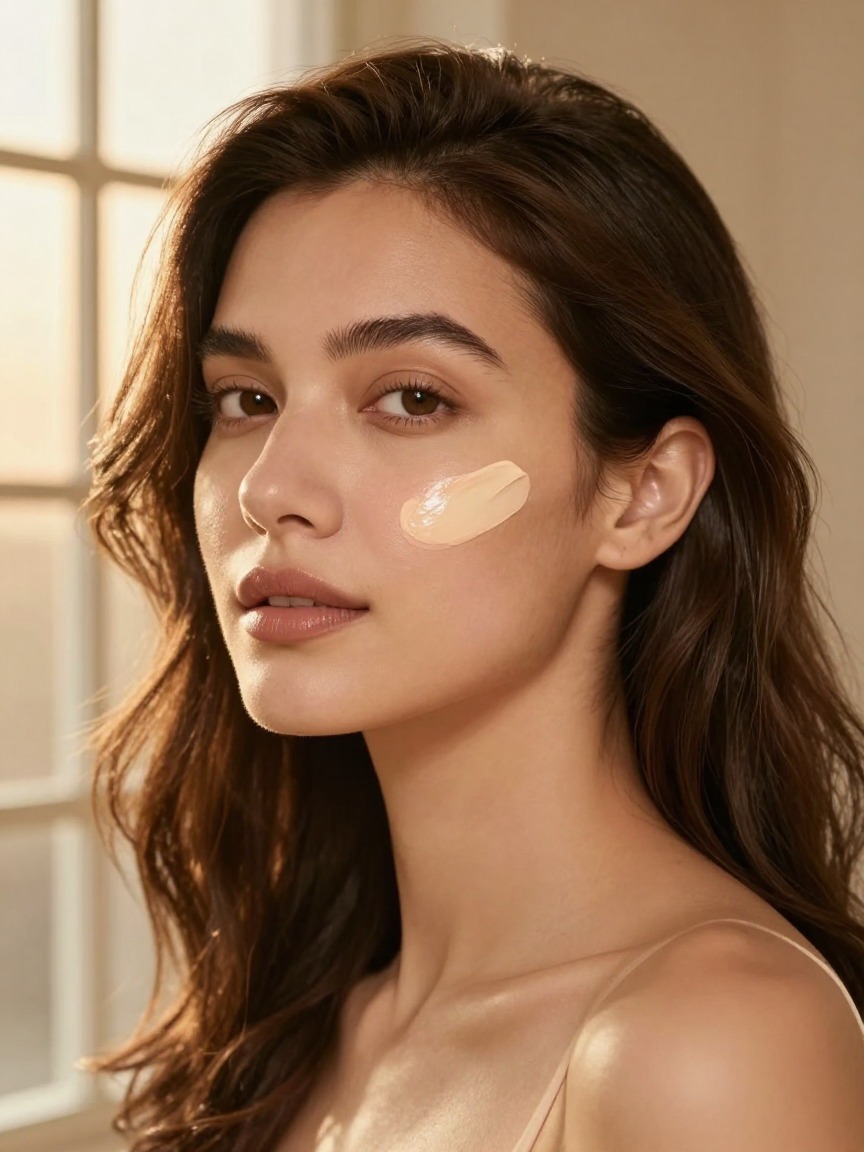
Most tinted sunscreens ship in one to three shades rather than a full foundation range. Think of the tint as a universal color-corrector, not a true match. It's built to even tone and calm redness, not to disappear seamlessly the way a forty-shade foundation would. If you have deeper skin, check reviews specifically from people with a similar depth of tone, since a gray or ashy white cast on darker skin is the single most common complaint in this category. Finish matters too. A dewy finish, like Supergoop's Glowscreen, suits dry or normal skin. A matte finish suits oily skin better.
Where It Fits in a Routine: Foundation & Niacinamide
Tinted sunscreen goes on last in a skincare routine, after moisturizer and before any additional makeup. It can genuinely replace a light foundation on days when you want minimal coverage. Skincare-forward formulas like ILIA's Super Serum Skin Tint, built around niacinamide and hyaluronic acid, blur the line between the two categories further. If you need more coverage than it provides, layer a cream concealer or foundation lightly on top. Piling on more products over a mineral sunscreen can sometimes cause pilling. It doesn't replace a separate broad-spectrum sunscreen if you're spending extended time outdoors. For a beach day or a long hike, a dedicated sport or water-resistant sunscreen is still the better tool, with the tinted formula reserved for everyday wear.
Common Mistakes
Applying too little because it doubles as makeup. This is the single biggest gap between labeled and real-world SPF for this category.
Assuming any tint means visible-light protection. Check that iron oxides are actually in the formula in a meaningful amount, not just any pigment.
Expecting a true shade match. Most formulas ship in a handful of shades. They're built to color-correct, not to match skin the way a full foundation line does.
Skipping reapplication because it "feels like makeup." The UV filters wear off on the same schedule as any sunscreen. Reapply roughly every two hours in direct sun.
When to See a Dermatologist
We're reviewers, not dermatologists. No sunscreen, tinted or otherwise, cures or reverses melasma, hyperpigmentation, or rosacea on its own. If your pigmentation isn't improving, is spreading, or you suspect a reaction to a specific ingredient, talk to a board-certified dermatologist rather than switching products again. What's covered here is choosing a well-formulated, genuinely protective everyday product, not managing a diagnosed skin condition.
Popular picks from related categories, chosen with the same rubric.
Editor's Pick#1
Dry-to-normal sensitive skin, especially anyone also using retinoids or other actives
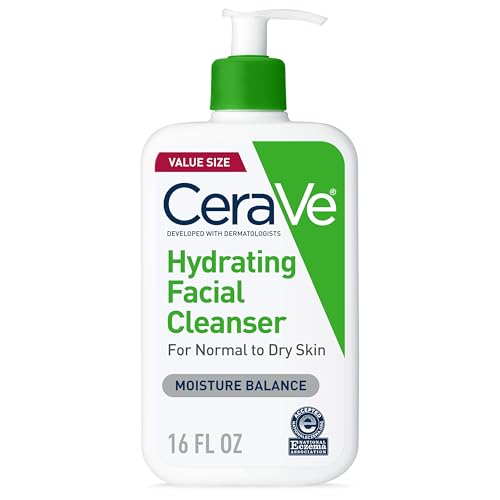
Hydrating Facial Cleanser
CeraVe
It's formulated with three ceramides, hyaluronic acid, and a National Eczema Association seal. Dermatologists mention it most often for reactive skin. It's a genuinely non-foaming, low-irritation formula that doesn't strip the barrier.
Ceramide and hyaluronic acid formula supports the skin barrier while cleansing
Fragrance-free, non-foaming, and won't disrupt a compromised moisture barrier
Budget-friendly per ounce and widely available at drugstores
Doesn't fully dissolve heavy sunscreen or long-wear makeup on its own, so double-cleansing days may need a micellar water or oil-based first step
Readers who want a well-formulated L-ascorbic acid serum without the prestige price tag
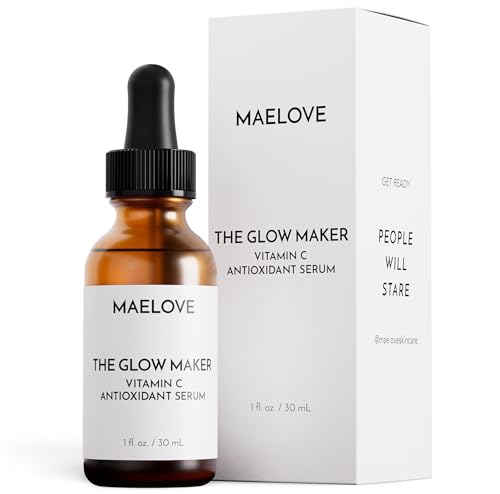
Glow Maker
Maelove
It leans on similar formulation logic to pricier serums: L-ascorbic acid plus vitamin E and ferulic acid. It costs a fraction of the price. That's why it's often called an affordable alternative to the prestige options.
Combines L-ascorbic acid with vitamin E and ferulic acid, echoing higher-end formulas
Opaque pump bottle helps limit light and air exposure
Noticeably cheaper per ounce than most L-ascorbic acid serums of similar formulation
The pump can dispense unevenly or feel like it needs priming, a minor but frequently mentioned annoyance
Normal to dry skin that wants a dermatologist-developed, fragrance-free daily moisturizer
CeraVe Moisturizing Cream
CeraVe
It pairs three essential ceramides with hyaluronic acid in a rich, fragrance-free base. Long-term users with dry, compromised skin consistently praise it. It's also inexpensive enough to use liberally.
Ceramide + hyaluronic acid formula supports the skin barrier
Fragrance-free and well-tolerated by sensitive skin
Large jar size makes it very cost-effective per ounce
The tub packaging means dipping fingers into the product, which isn't ideal for hygiene or portability
oily, pore-prone skin that wants a formula built specifically around pore congestion
Super Volcanic Pore Clay Mask 2X
innisfree
Two types of volcanic clay target sebum and blackheads. The texture isn't chalky or hard to remove like older clay formulas. It's also genuinely affordable for how often you'll reach for it.
Lightweight, non-cakey texture that spreads and rinses easily
Visibly reduces the look of congested pores after a single use
Priced low enough to use regularly without guilt
The mineral scent is noticeable and won't appeal to everyone
Anyone dealing with clogged pores, blackheads, or rough, bumpy texture who wants an evidence-backed exfoliating toner
2% BHA Liquid Exfoliant
Paula's Choice
It's built around a well-studied 2% salicylic acid concentration at an effective pH. The base is fragrance-free and alcohol-free. That combination is why it's stayed a favorite among ingredient-focused shoppers for years, rather than fading as a trend.
2% salicylic acid at a pH that actually works
Fragrance-free and alcohol-free formula
Noticeably improves texture and blackheads with consistent use
The active concentration can cause redness or flaking in the first couple of weeks, so it's not the easiest starting point for very reactive or rosacea-prone skin
people who want the most clinically studied LED mask on the market and don't mind the price
Contour Face
Omnilux
Omnilux's LED technology is the same platform used in dermatology clinics. The Contour Face is its rigid, dermatologist-favorite home version, and it has more research behind it than most at-home competitors.
Extensive clinical research behind Omnilux's LED platform, more than most home devices
FDA-cleared for temporary reduction in the appearance of fine lines and wrinkles
Even, consistent light distance thanks to the rigid, hinged design
Rigid shell doesn't flex to different face shapes, there's no blue-light setting for acne, and it's one of the most expensive masks on the market
Affiliate disclosure: We may earn a commission from qualifying purchases made through links on this page, at no extra cost to you. Some links on this page are affiliate links.