Skip to content
Category

Serums & Treatments

Independent, research-backed guides to serums & treatments — ranked picks, buying guides and answers for every skin type.

Serums & Treatments FAQ

Affiliate disclosure: We may earn a commission from qualifying purchases made through links on this page, at no extra cost to you. Some links on this page are affiliate links.

Recommended serums & treatments

Our current top picks across serums & treatments, judged on formulation, evidence, texture and value.

Best Value #2
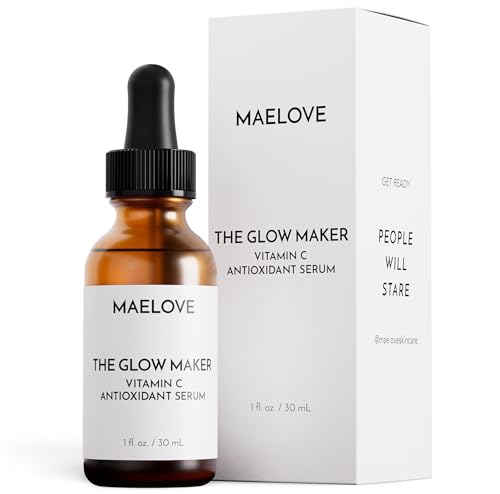
Glow Maker
Readers who want a well-formulated L-ascorbic acid serum without the prestige price tag

Glow Maker

Maelove

It leans on similar formulation logic to pricier serums: L-ascorbic acid plus vitamin E and ferulic acid. It costs a fraction of the price. That's why it's often called an affordable alternative to the prestige options.

Combines L-ascorbic acid with vitamin E and ferulic acid, echoing higher-end formulas
Opaque pump bottle helps limit light and air exposure
Noticeably cheaper per ounce than most L-ascorbic acid serums of similar formulation
The pump can dispense unevenly or feel like it needs priming, a minor but frequently mentioned annoyance
Editor's Pick #1
Retinoid — CeraVe Resurfacing Retinol Serum
First-time retinol users who want ceramides and niacinamide working alongside the active from day one

Resurfacing Retinol Serum

CeraVe

It pairs encapsulated retinol - a slower-release, gentler format - with niacinamide and ceramides. That gives the skin barrier support while it adjusts to a new active.

Encapsulated retinol releases gradually, which tends to feel gentler than free retinol at a similar strength
Includes niacinamide and a ceramide blend to support the skin barrier while it adjusts
Fragrance-free and widely available at drugstore prices
The exact retinol percentage isn't disclosed on the label, so it's harder to compare potency directly against serums that do state one
Editor's Pick #1
Hyalu B5 Serum
Anyone wanting a dermatologist-backed, do-it-all HA serum that also calms redness and irritation

Hyalu B5 Serum

La Roche-Posay

It combines pure and fragmented hyaluronic acid with vitamin B5 and madecassoside. That hydrates skin at multiple depths. It also supports a compromised or reactive barrier. It's a more complete formula than a single-ingredient HA serum.

Multiple molecular weights of HA plus soothing panthenol and madecassoside
Backed by dermatologist-facing clinical testing
Gel texture layers well under moisturizer and sunscreen
Costs noticeably more per ounce than drugstore HA serums built around a similar core ingredient

Serums & Treatments: what to know

Serums are where most of the visible change in a routine actually comes from. They are concentrated delivery systems for active ingredients, lighter and more potent than a moisturiser, designed to sink in and do a specific job. Choosing well means matching the active to your concern, not chasing the longest ingredient list or the buzziest new launch, and using two or three consistently rather than a dozen at random.

The actives that do the work

A handful of ingredients carry most of the evidence. Vitamin C is a morning antioxidant that brightens and defends against daily stress. Retinol and other retinoids are the most proven over-the-counter option for texture and fine lines, used at night. Niacinamide helps with oil, visible pores, redness and barrier support. Hyaluronic acid draws water into the skin for plumping hydration, AHAs and BHAs exfoliate, azelaic acid calms redness and evens tone, and peptides offer a gentler nudge toward firmer-looking skin. Dedicated brightening serums usually blend several of these to target dark spots. Each has its own guide, but the point of this hub is choosing between them rather than mastering any single one.

Matching a serum to your concern

The quickest way to choose is to name your single biggest concern and work backward. Dullness and uneven tone point to vitamin C or a brightening blend; fine lines and rough texture to a retinoid; oiliness and enlarged pores to niacinamide or a BHA; dehydration to hyaluronic acid. Redness-prone and sensitive skin often does best with azelaic acid or niacinamide, which tend to be better tolerated than stronger exfoliants. You do not need one of each, and two or three well-chosen serums covering your real priorities beat a shelf full of half-used bottles. Decide what matters most this season, address it properly, and add others only once the first is working.

Layering and introducing actives

Apply serums thinnest to thickest, and give each a moment to absorb before the next. The bigger rule is restraint: introduce one new active at a time, patch test on a small area, and do not stack multiple irritating actives, such as a strong acid and a retinoid, in the same routine when you are starting out. Buffer retinoids with moisturiser if your skin is reactive, and always pair morning actives with sunscreen, since several of them make skin more sun-sensitive. Introducing one product at a time also means that if irritation appears, you know exactly which serum to pull rather than guessing.

Morning versus night, and safe pairings

Timing matters as much as the ingredient. Mornings favour antioxidants and protective actives, such as vitamin C, niacinamide and hyaluronic acid, worn under sunscreen. Nights are for renewal: retinoids and exfoliating acids do their work while you sleep and would only increase sun sensitivity during the day. Some combinations play nicely, since niacinamide and hyaluronic acid pair with almost anything, while others are best separated. If you want both a retinoid and an acid, alternate them on different nights or buffer with moisturiser rather than layering them at once, which is one of the fastest routes to a compromised barrier.

Set realistic expectations

Serums reward consistency over intensity. Most well-formulated actives take several weeks to a few months of steady use to show their full effect, and pushing concentrations too fast usually backfires with irritation that forces you to stop entirely. The serum you tolerate and actually use every day will always beat a stronger one that leaves your skin too raw to continue. Judge a product after a fair run of a couple of months, not after a week, and resist swapping it out the moment a shinier launch appears.

Reading a label and spending wisely

A serum's price says little about how well it will work. What matters more is a sensible concentration, a stable formula, and packaging that protects it, meaning opaque, air-tight pumps for ingredients like vitamin C and retinol that degrade in light and air. Be wary of products promising to fix everything at once, because focused formulas usually outperform crowded ones that stretch a little of everything across one bottle. Spend where the active genuinely needs quality delivery, and save on the simpler humectant serums, where differences between brands are small and an affordable option performs just as well.

When a serum is not the answer

A serum cannot compensate for missing fundamentals. If you are not cleansing gently, moisturising or wearing sunscreen, no active will deliver on its promise, and several will simply irritate skin that is already struggling. Serums also cannot treat medical conditions: persistent or painful acne, rosacea that flares, or a mole or patch that changes deserve a dermatologist, not another bottle. Think of this category as the targeted layer that refines an already stable routine, most powerful when the basics underneath it are solid and consistent.

Browse every serums & treatments guide

You may be interested in

Popular picks from related categories, chosen with the same rubric.

Editor's Pick #1
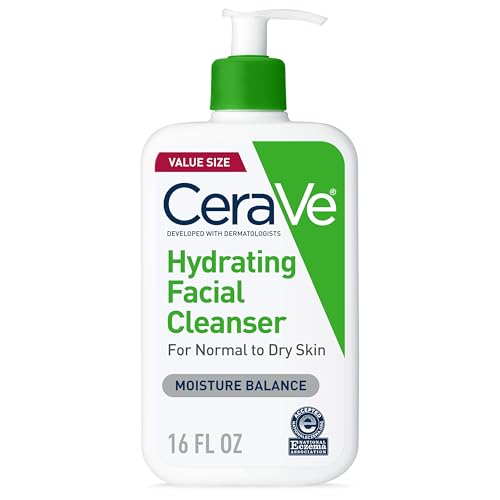
Hydrating Facial Cleanser
Dry-to-normal sensitive skin, especially anyone also using retinoids or other actives

Hydrating Facial Cleanser

CeraVe

It's formulated with three ceramides, hyaluronic acid, and a National Eczema Association seal. Dermatologists mention it most often for reactive skin. It's a genuinely non-foaming, low-irritation formula that doesn't strip the barrier.

Ceramide and hyaluronic acid formula supports the skin barrier while cleansing
Fragrance-free, non-foaming, and won't disrupt a compromised moisture barrier
Budget-friendly per ounce and widely available at drugstores
Doesn't fully dissolve heavy sunscreen or long-wear makeup on its own, so double-cleansing days may need a micellar water or oil-based first step
Editor's Pick #1
Moisturizing Cream
Normal to dry skin that wants a dermatologist-developed, fragrance-free daily moisturizer

CeraVe Moisturizing Cream

CeraVe

It pairs three essential ceramides with hyaluronic acid in a rich, fragrance-free base. Long-term users with dry, compromised skin consistently praise it. It's also inexpensive enough to use liberally.

Ceramide + hyaluronic acid formula supports the skin barrier
Fragrance-free and well-tolerated by sensitive skin
Large jar size makes it very cost-effective per ounce
The tub packaging means dipping fingers into the product, which isn't ideal for hygiene or portability
Editor's Pick #1
UV Clear Broad-Spectrum SPF 46
acne-prone, sensitive, or post-procedure skin that needs a dermatologist-trusted daily option

UV Clear Broad-Spectrum SPF 46

EltaMD

Dermatologists reach for EltaMD more than almost any other sunscreen. It pairs broad-spectrum zinc oxide protection with niacinamide and hyaluronic acid. The oil-free base is genuinely weightless and layers well under makeup.

Broad-spectrum SPF 46 with zinc oxide
Oil-free, non-comedogenic formula favored for acne-prone skin
Contains niacinamide and hyaluronic acid for added hydration
Pricier per ounce than most drugstore sunscreens, and the pump makes it easy to under-apply if you're not deliberate about the amount.
Editor's Pick #1
Super Volcanic Pore Clay Mask 2X
oily, pore-prone skin that wants a formula built specifically around pore congestion

Super Volcanic Pore Clay Mask 2X

innisfree

Two types of volcanic clay target sebum and blackheads. The texture isn't chalky or hard to remove like older clay formulas. It's also genuinely affordable for how often you'll reach for it.

Lightweight, non-cakey texture that spreads and rinses easily
Visibly reduces the look of congested pores after a single use
Priced low enough to use regularly without guilt
The mineral scent is noticeable and won't appeal to everyone
Editor's Pick #1
Skin Perfecting 2% BHA Liquid Exfoliant
Anyone dealing with clogged pores, blackheads, or rough, bumpy texture who wants an evidence-backed exfoliating toner

2% BHA Liquid Exfoliant

Paula's Choice

It's built around a well-studied 2% salicylic acid concentration at an effective pH. The base is fragrance-free and alcohol-free. That combination is why it's stayed a favorite among ingredient-focused shoppers for years, rather than fading as a trend.

2% salicylic acid at a pH that actually works
Fragrance-free and alcohol-free formula
Noticeably improves texture and blackheads with consistent use
The active concentration can cause redness or flaking in the first couple of weeks, so it's not the easiest starting point for very reactive or rosacea-prone skin
Editor's Pick #1
Contour Face
people who want the most clinically studied LED mask on the market and don't mind the price

Contour Face

Omnilux

Omnilux's LED technology is the same platform used in dermatology clinics. The Contour Face is its rigid, dermatologist-favorite home version, and it has more research behind it than most at-home competitors.

Extensive clinical research behind Omnilux's LED platform, more than most home devices
FDA-cleared for temporary reduction in the appearance of fine lines and wrinkles
Even, consistent light distance thanks to the rigid, hinged design
Rigid shell doesn't flex to different face shapes, there's no blue-light setting for acne, and it's one of the most expensive masks on the market

Affiliate disclosure: We may earn a commission from qualifying purchases made through links on this page, at no extra cost to you. Some links on this page are affiliate links.