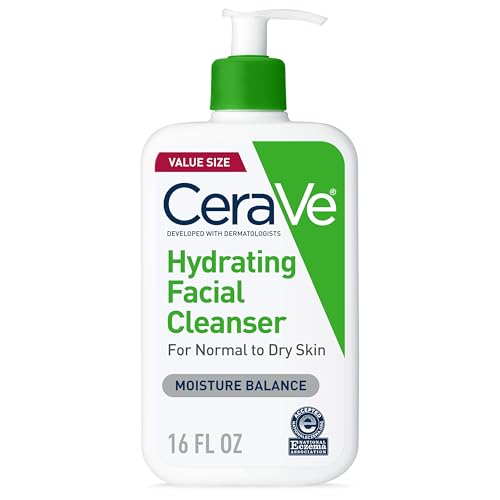
Routines & Skin Concerns: what to know
A great routine is less about owning the perfect products and more about using a sensible set of them in the right order, consistently, over time. Order matters because it decides whether your actives ever reach your skin, and consistency matters because skin renews on a scale of weeks and months, not days. Almost everything in this broad category comes back to those two simple ideas.
Morning defends, night repairs
Think of your day in two halves. A morning routine protects: cleanse, an antioxidant like vitamin C, moisturiser, and, non-negotiably, sunscreen. A night routine repairs: cleanse away the day, apply your treatment active such as a retinoid or exfoliant, but not both at once, and seal it in with moisturiser. Not every step is essential every day, but that framework keeps a routine coherent instead of a random pile of products. Once you internalise the defend-by-day, repair-by-night split, deciding where any new product belongs becomes far easier. Beginners can start with just the essentials from each half and layer in the optional steps only once the basics feel completely automatic.
The order that makes it work
Within each routine, sequence follows a simple logic of thinnest to thickest, water-based before oil-based. That usually means cleanser, then any toner or essence, then serums from lightest to richest, then moisturiser, and sunscreen last in the morning. Getting the order wrong, such as a heavy cream before a watery serum, can block the active from ever reaching the skin, so the product you paid for does nothing. This is the single skeleton behind every variation on this hub, so it is worth learning once and applying everywhere rather than memorising a different routine for each situation.
Build around your skin and concerns
The same skeleton flexes to fit you. Oily and acne-prone skin leans on lightweight, oil-controlling and pore-clearing steps; dry skin prioritises humectants and richer moisture; sensitive skin keeps it short and fragrance-free; and men's skin follows exactly the same principles despite the separate marketing. Specific concerns, such as dark spots, fine lines, redness, large pores and acne scars, are addressed by choosing the right treatment active for that goal, then giving it the months it needs to work. Each skin type and concern has its own deeper guide, but they are all variations on one adaptable core.
Start simple, add slowly
The most common mistake is doing too much too fast. Begin with the core three of a gentle cleanser, a moisturiser and a daily sunscreen, get comfortable, then introduce one active at a time so you can tell what is helping and what is irritating. A short routine you follow every day beats an elaborate one you abandon after a week, which is exactly why beginner routines and expert routines share the same foundation. Adding products one at a time also means that if something reacts, you know precisely which one to remove instead of scrapping everything.
Targeting specific concerns
Most named concerns come down to picking one proven active and staying patient. Dark spots and hyperpigmentation respond to vitamin C, niacinamide, azelaic acid and diligent sunscreen. Large pores look smaller with a BHA and a retinoid over time, though they cannot truly be closed. Redness and rosacea-prone skin calm with azelaic acid, niacinamide and a strict barrier-first, fragrance-free approach. Acne scars are the slowest, and raised or pitted scarring is genuinely a job for a professional. For anything painful, persistent or worsening, see a dermatologist rather than layering on more products in the hope one finally works.
Consistency, patience and tracking
Skincare pays off on skin's timeline, not yours. Cell turnover and collagen changes unfold over weeks and months, so the honest expectation for most actives is six to twelve weeks before a fair verdict. That makes patience the most underrated ingredient in any routine. It helps to change one thing at a time and give it a real trial, and a few dated phone photos in the same light track progress far more reliably than the mirror, which adjusts to gradual change without you noticing. Resisting the urge to overhaul everything after a bad week is often what separates a routine that works from one that never gets the chance.
The routine mistakes to avoid
A few recurring errors sabotage otherwise good routines. Stacking several strong actives at once overwhelms the barrier and causes the irritation people then blame on individual products. Skipping sunscreen quietly undoes the anti-ageing work everything else is doing. Constantly swapping products means nothing gets the weeks of consistent use it needs to prove itself. And expecting overnight results leads people to abandon products right before they would have started working. The fix for all of it is patience and restraint: decide what your main concern is, choose one product to address it, and give it a fair, uninterrupted run.