
Skip to content
Sun Protection · Guide

Moisturizers with SPF: The Complete Guide

In short: A moisturizer with SPF combines daily hydration with broad-spectrum sun protection in one step, which makes sunscreen easier to stick with. It's a solid baseline for ordinary, low-exposure days, but most people apply and reapply it far less than a dedicated sunscreen — so sustained outdoor time still calls for the real thing.

Affiliate disclosure: We may earn a commission from qualifying purchases made through links on this page, at no extra cost to you. Some links on this page are affiliate links.

Recommended moisturizers with spf

Our current top picks in this category, judged on formulation, evidence, texture and value.

Editor's Pick #1
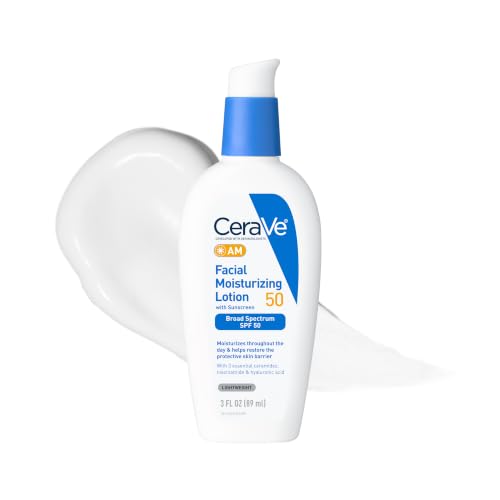
Moisturizer — CeraVe PM Facial Moisturizing Lotion
Normal to dry skin that wants one AM step covering moisture and sun protection

AM Facial Moisturizing Lotion SPF 30

CeraVe

It pairs ceramides and niacinamide with a broad-spectrum SPF 30 chemical filter in a lightweight, oil-free lotion. The price is genuinely low, so it's easy to apply generously instead of rationing it.

Broad-spectrum SPF 30 alongside ceramides and niacinamide for barrier support
Oil-free, non-comedogenic formula that layers well under makeup
Large bottle size keeps the cost per use low, which encourages generous application
It's a chemical-filter sunscreen, so it needs about 15 minutes to become fully active and isn't the gentlest option for stinging-prone eyes
Best for Sensitive Skin #2
Toleriane Double Repair Face Moisturizer SPF 30
Sensitive or reactive skin, including skin using retinoids or acids, that needs a gentle daily SPF step

Toleriane Double Repair Face Moisturizer SPF 30

La Roche-Posay

It builds on La Roche-Posay's ceramide-and-niacinamide barrier formula, boosted with their prebiotic thermal spring water. Broad-spectrum SPF 30 comes in a fragrance-free lotion built specifically for compromised or reactive skin.

Fragrance-free, formulated for sensitive and barrier-compromised skin
Ceramide and niacinamide base supports the skin barrier while protecting it
Lightweight gel-cream texture absorbs without pilling under makeup
Costs noticeably more per ounce than the drugstore picks on this list for a similar SPF 30 chemical-filter sunscreen
Best Value #3
Complete All Day Moisturizer SPF 30 for Sensitive Skin
Budget shoppers with sensitive skin who want a real mineral-filter option at a drugstore price

Complete All Day Moisturizer SPF 30 for Sensitive Skin

Olay

It uses zinc oxide, a genuine mineral filter, rather than a chemical filter. The fragrance-free formula is aimed at sensitive skin, at one of the lowest prices in this category.

Mineral zinc oxide filter starts working immediately, no 15-minute wait
Fragrance-free and formulated specifically for sensitive skin
One of the most affordable broad-spectrum SPF 30 moisturizers at any drugstore
The mineral filter can leave a faint white cast on deeper skin tones, and Olay also sells a near-identical SPF 15 version under a very similar name, so double-check the SPF number on the bottle before buying

What an SPF Moisturizer Actually Is: Humectants, Emollients, and Sunscreen Filters

A moisturizer with SPF is two products merged into one. It's a facial moisturizer built from humectants, emollients, and often ceramides or niacinamide. That's combined with a sunscreen filter system, rated to a specific SPF number. Facial formulas usually sit somewhere between SPF 15 and SPF 50. Moisturizers with SPF aim to make daily protection one less thing to think about. The appeal is obvious. You get one bottle and one step. There's no separate layer added to a routine that might already have five or six products. Some people reliably skip sunscreen because it feels like a chore. Folding SPF into a moisturizer they already use is a real behavior-change win. Dermatologists broadly support this trade-off for everyday, low-exposure days.

SPF 30, Broad-Spectrum, UVA and UVB: How Sun Protection Actually Works

SPF measures protection against UVB rays. UVB is the wavelength mainly responsible for sunburn. SPF 30 filters out roughly 97% of UVB rays when applied correctly. SPF 50 filters out about 98%. The jump from 30 to 50 is smaller than the numbers suggest. No sunscreen blocks 100% of UV radiation. That's true of moisturizers and dedicated sunscreens alike. The words "broad spectrum" on the label matter just as much as the SPF number. They mean the product also filters UVA rays. UVA penetrates deeper into skin and doesn't cause a visible burn. It's a major driver of premature aging and skin cancer risk. An SPF moisturizer without a broad-spectrum claim is only doing half its job.

Chemical Filter vs. Mineral Filter: Zinc Oxide, Titanium Dioxide, and Sunburn Protection

Most SPF moisturizers use a chemical filter. Common ones include avobenzone, octinoxate, or octisalate. They blend into a lightweight lotion more easily than mineral filters do. Chemical filters absorb UV radiation and convert it to heat. They need about 15 minutes after application to become fully effective. Some people find they sting the eyes or irritate reactive skin. A mineral filter uses zinc oxide and titanium dioxide instead. It sits on the skin's surface and physically reflects UV radiation. It's active immediately and tends to be gentler on reactive or acne-prone skin. It's also generally preferred during pregnancy. The trade-off is a temporary white or gray cast, particularly on deeper skin tones. The texture can also feel a little chalky. Check the active ingredients list, not just the marketing copy. That tells you which filter you're actually getting. Brands like CeraVe and La Roche-Posay sell both types. Olay's SPF moisturizers are another widely available option. Read the label rather than assuming from the brand name alone.

Who an SPF Moisturizer Suits: Morning Routine and Application Amount

This category is a strong fit for anyone whose sun exposure on a typical day is incidental. Think the walk to the car, sitting near a window, a short outdoor coffee, or a commute. It's also a sensible entry point for people who wear no facial sunscreen at all. A product that already lives in the morning routine is more likely to get used. A separate step is easy to skip. Combining a moisturizer and sunscreen into one product also means one less layer of ingredients on the skin. That's a real plus for anyone who finds a full routine irritating or time-consuming. Neutrogena and Aveeno both sell budget-friendly options for this kind of everyday, low-effort use. First Aid Beauty makes a gentle option aimed at sensitive skin.

Where an SPF Moisturizer Falls Short: Reapplication, Water-Resistant Limits, and Photoaging Risk

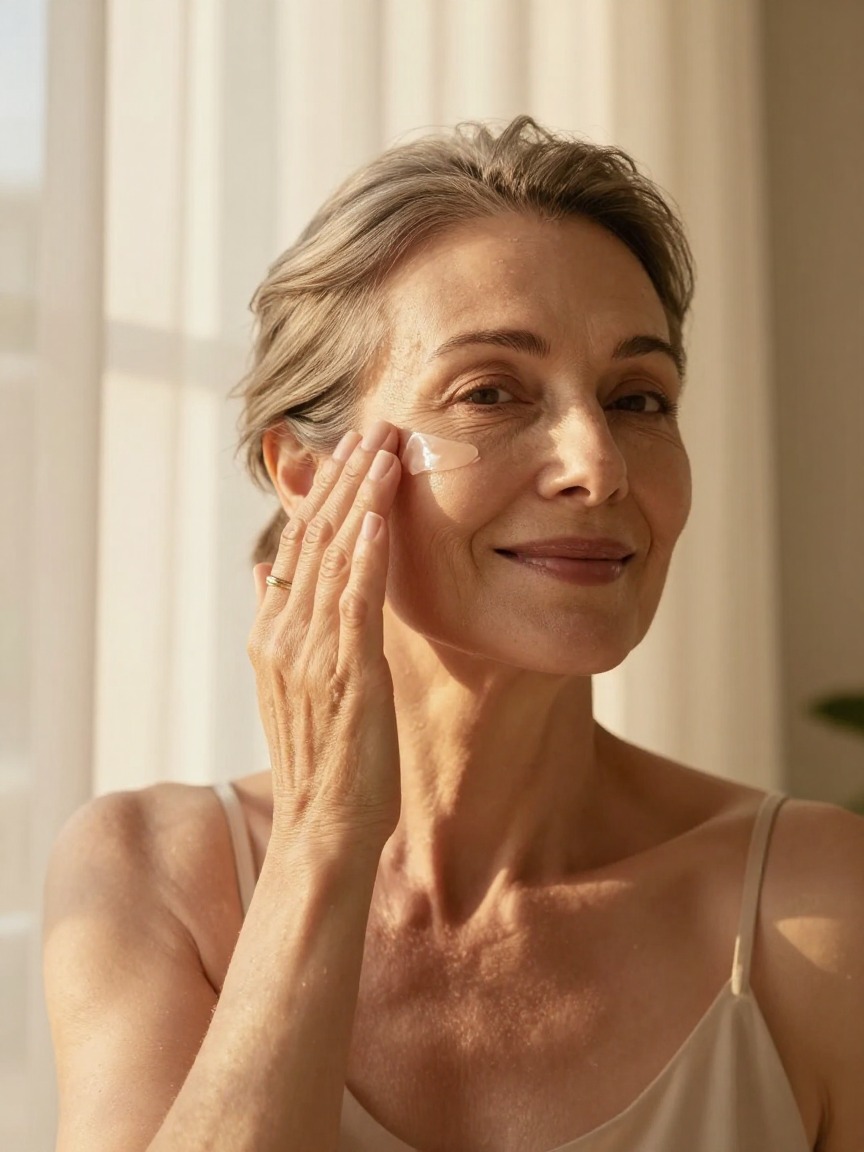
The honest limitation is application amount and reapplication, not the sunscreen filter itself. Sunscreen testing labs apply product at a set amount. That's 2 milligrams per square centimeter of skin. For a face and neck, that works out to roughly a quarter teaspoon, spread evenly. Published research on real-world use keeps finding a gap. People apply well under half of that tested amount. Moisturizer gets applied even more sparingly than dedicated sunscreen. It's simply not filed under "sun protection" the way a tube labeled sunscreen is. Apply an SPF 30 moisturizer at half the tested amount, and the real-world protection drops well below SPF 30. The label itself is still accurate. Most SPF moisturizers also aren't formulated to be water-resistant, unlike many dedicated sunscreens. On top of that, most people don't reapply a facial moisturizer at midday. They would reapply sunscreen on a beach day. The real protection window is closer to the first couple of hours after application. It's not a full day. That leaves more of the UVA exposure tied to photoaging unchecked later on.

Common Mistakes With SPF Moisturizers: Application Amount and Reapplication Habits

  • Using a dab, not a layer. A thin, moisturizer-sized amount under-delivers the SPF printed on the bottle. Apply it as generously as a normal moisturizer. Don't ration it because it "has sunscreen in it."
  • Treating it as full-day protection. Without reapplication, an SPF moisturizer's real protection fades over a few hours. That's the same as any sunscreen.
  • Skipping a dedicated sunscreen on high-exposure days. A beach day, a hike, or several hours outside call for a real, reapplied sunscreen. A once-a-day moisturizer step isn't enough.
  • Assuming SPF-rated makeup adds meaningful protection on top. Layering an SPF moisturizer under SPF-rated makeup doesn't add the two numbers together. Neither product is typically applied at the tested amount anyway.
  • Ignoring the UVA side. An SPF number alone says nothing about UVA protection. Always check for the broad-spectrum label.

Fitting an SPF Moisturizer Into Your Morning Routine

An SPF moisturizer typically replaces the separate moisturizer-then-sunscreen sequence. It becomes the last skincare step of a morning routine. Apply it after any treatment serums have had a few minutes to absorb. Using an SPF moisturizer in the morning doesn't mean skipping moisturizer at night. Evening routines still benefit from a plain, SPF-free moisturizer. Sunscreen filters serve no purpose after dark. Some people find their skin does better without a sunscreen formula sitting on it for eight hours overnight.

The Bottom Line: Dermatologist Guidance and Skin Cancer Risk Factors

An SPF moisturizer is a genuinely useful daily habit for ordinary, low-exposure days. It beats skipping sun protection altogether, by a wide margin. But it is not a substitute for a dedicated, reapplied sunscreen on days with real, sustained sun exposure. Treat it as your baseline, not your ceiling. Keep a proper sunscreen on hand for the days that call for one. This reflects general skincare research, not medical advice. Anyone with a history of skin cancer, unusual moles, or specific photosensitivity concerns should get personalized guidance from a dermatologist.

Common questions

Is a moisturizer with SPF enough?
Can you use SPF moisturizer instead of sunscreen?
Do you apply SPF moisturizer before or after serum?
Moisturizers with SPF as part of a daily skincare routine

You may be interested in

Popular picks from related categories, chosen with the same rubric.

Editor's Pick #1
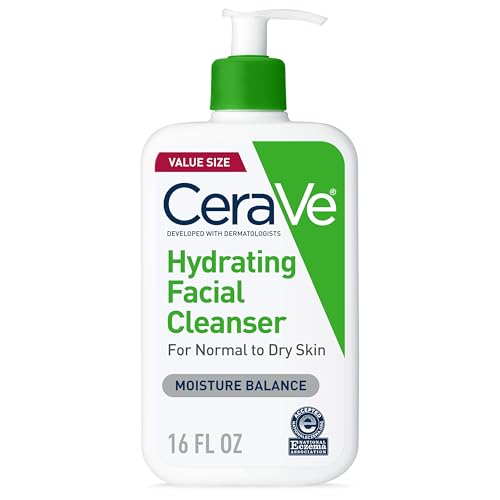
Hydrating Facial Cleanser
Dry-to-normal sensitive skin, especially anyone also using retinoids or other actives

Hydrating Facial Cleanser

CeraVe

It's formulated with three ceramides, hyaluronic acid, and a National Eczema Association seal. Dermatologists mention it most often for reactive skin. It's a genuinely non-foaming, low-irritation formula that doesn't strip the barrier.

Ceramide and hyaluronic acid formula supports the skin barrier while cleansing
Fragrance-free, non-foaming, and won't disrupt a compromised moisture barrier
Budget-friendly per ounce and widely available at drugstores
Doesn't fully dissolve heavy sunscreen or long-wear makeup on its own, so double-cleansing days may need a micellar water or oil-based first step
Best Value #2
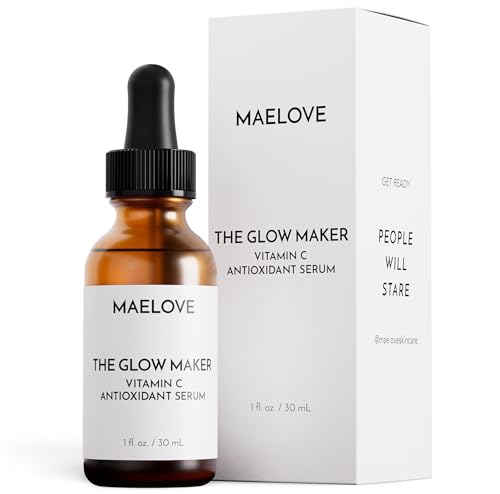
Glow Maker
Readers who want a well-formulated L-ascorbic acid serum without the prestige price tag

Glow Maker

Maelove

It leans on similar formulation logic to pricier serums: L-ascorbic acid plus vitamin E and ferulic acid. It costs a fraction of the price. That's why it's often called an affordable alternative to the prestige options.

Combines L-ascorbic acid with vitamin E and ferulic acid, echoing higher-end formulas
Opaque pump bottle helps limit light and air exposure
Noticeably cheaper per ounce than most L-ascorbic acid serums of similar formulation
The pump can dispense unevenly or feel like it needs priming, a minor but frequently mentioned annoyance
Editor's Pick #1
Moisturizing Cream
Normal to dry skin that wants a dermatologist-developed, fragrance-free daily moisturizer

CeraVe Moisturizing Cream

CeraVe

It pairs three essential ceramides with hyaluronic acid in a rich, fragrance-free base. Long-term users with dry, compromised skin consistently praise it. It's also inexpensive enough to use liberally.

Ceramide + hyaluronic acid formula supports the skin barrier
Fragrance-free and well-tolerated by sensitive skin
Large jar size makes it very cost-effective per ounce
The tub packaging means dipping fingers into the product, which isn't ideal for hygiene or portability
Editor's Pick #1
Super Volcanic Pore Clay Mask 2X
oily, pore-prone skin that wants a formula built specifically around pore congestion

Super Volcanic Pore Clay Mask 2X

innisfree

Two types of volcanic clay target sebum and blackheads. The texture isn't chalky or hard to remove like older clay formulas. It's also genuinely affordable for how often you'll reach for it.

Lightweight, non-cakey texture that spreads and rinses easily
Visibly reduces the look of congested pores after a single use
Priced low enough to use regularly without guilt
The mineral scent is noticeable and won't appeal to everyone
Editor's Pick #1
Skin Perfecting 2% BHA Liquid Exfoliant
Anyone dealing with clogged pores, blackheads, or rough, bumpy texture who wants an evidence-backed exfoliating toner

2% BHA Liquid Exfoliant

Paula's Choice

It's built around a well-studied 2% salicylic acid concentration at an effective pH. The base is fragrance-free and alcohol-free. That combination is why it's stayed a favorite among ingredient-focused shoppers for years, rather than fading as a trend.

2% salicylic acid at a pH that actually works
Fragrance-free and alcohol-free formula
Noticeably improves texture and blackheads with consistent use
The active concentration can cause redness or flaking in the first couple of weeks, so it's not the easiest starting point for very reactive or rosacea-prone skin
Editor's Pick #1
Contour Face
people who want the most clinically studied LED mask on the market and don't mind the price

Contour Face

Omnilux

Omnilux's LED technology is the same platform used in dermatology clinics. The Contour Face is its rigid, dermatologist-favorite home version, and it has more research behind it than most at-home competitors.

Extensive clinical research behind Omnilux's LED platform, more than most home devices
FDA-cleared for temporary reduction in the appearance of fine lines and wrinkles
Even, consistent light distance thanks to the rigid, hinged design
Rigid shell doesn't flex to different face shapes, there's no blue-light setting for acne, and it's one of the most expensive masks on the market

Affiliate disclosure: We may earn a commission from qualifying purchases made through links on this page, at no extra cost to you. Some links on this page are affiliate links.

Related products & guides

Sun ProtectionBest Facial Sunscreens

See our ranked picks and buying guide.

Sun ProtectionBest Mineral (Physical) Sunscreens

See our ranked picks and buying guide.

Sun ProtectionBest Tinted Facial Sunscreens

See our ranked picks and buying guide.

Sun ProtectionBest Sunscreens for Dark Skin Tones

See our ranked picks and buying guide.

Facial CleansersBest Gentle Cleansers for Sensitive Skin

See our ranked picks and buying guide.