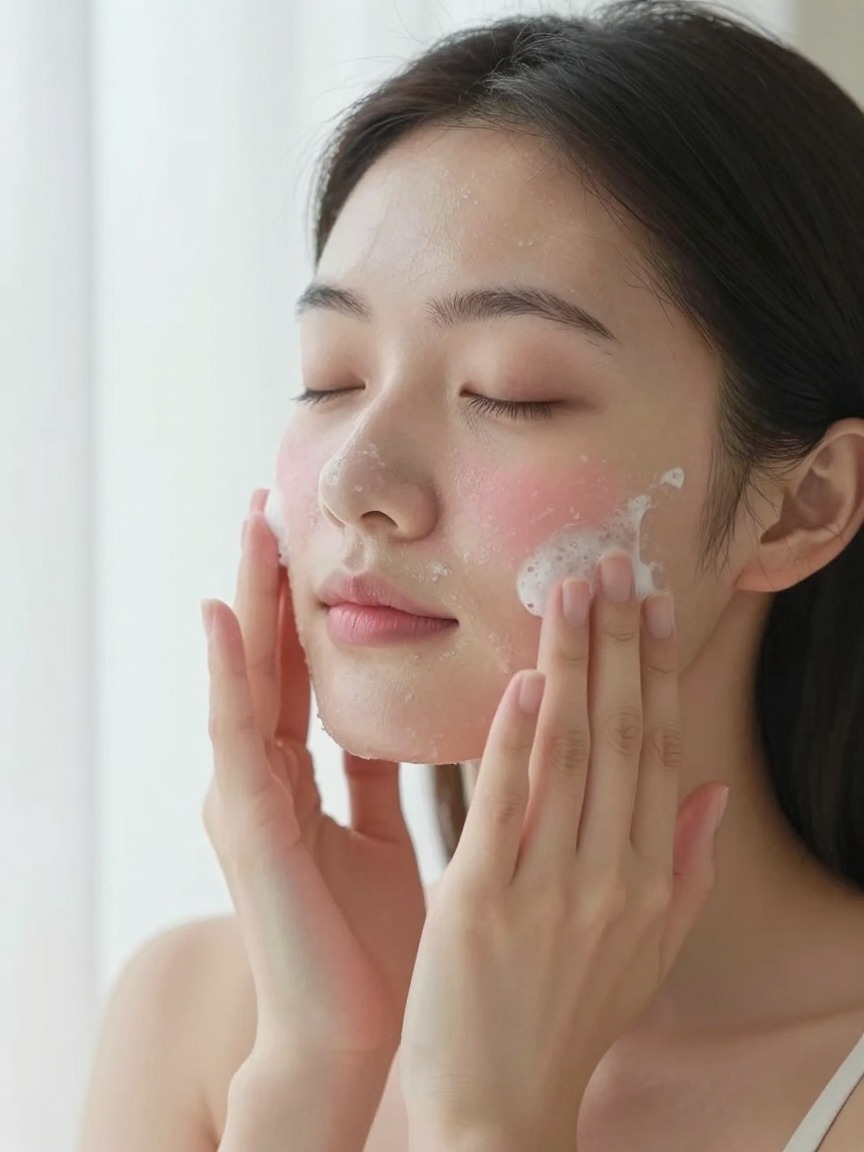
In short: Exfoliating cleansers use salicylic acid or similar acids to loosen the debris clogging acne-prone pores. They work alongside, not instead of, your other acne treatments. Look for 0.5-2% salicylic acid and introduce it two to three times weekly at first. Pair it with a barrier-supporting moisturizer to avoid irritation that can worsen breakouts.
Affiliate disclosure: We may earn a commission from qualifying purchases made through links on this page, at no extra cost to you. Some links on this page are affiliate links.
Facial Cleansers · Guide
Exfoliating Cleansers for Acne
Recommended exfoliating cleansers for acne
Our current top picks in this category, judged on formulation, evidence, texture and value.
Editor's Pick#1
Acne-prone skin that also needs barrier support (easily irritated, rosacea-adjacent)
Renewing SA Cleanser
CeraVe
Pairs 2% salicylic acid with ceramides and niacinamide. It exfoliates without leaving skin tight, a rare balance in this category.
Ceramides help maintain the skin barrier while the BHA works
Fragrance-free and non-comedogenic
Affordable and widely available at drugstores
The foam is fairly light, so heavy makeup or SPF needs a separate pre-cleanse
What Exfoliating Cleansers Do for Acne-Prone Skin: Dead Skin Cells, Blackheads & Whiteheads
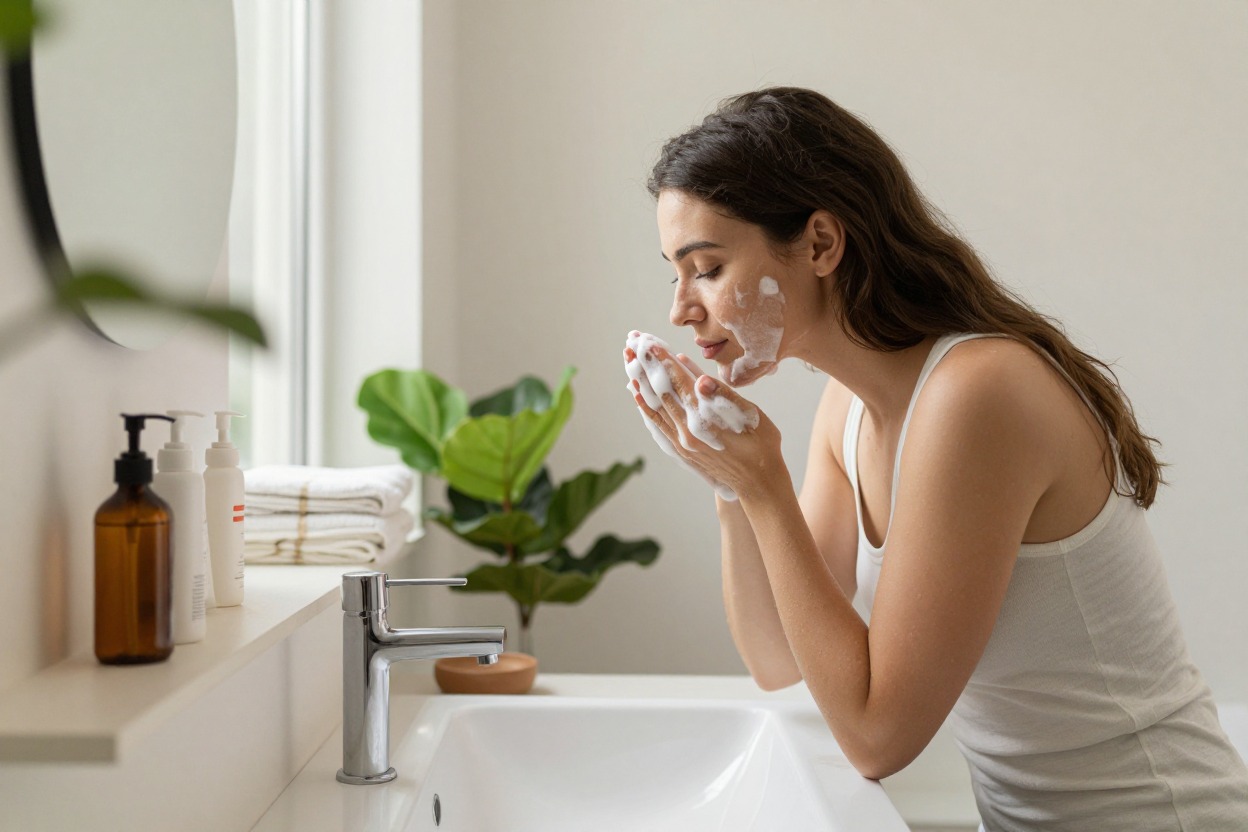
Acne starts inside the pore. Dead skin cells normally shed from the surface. Instead, they stick together and mix with oil, forming a plug. Bacteria feed on that trapped oil. Inflammation follows. The result is a blackhead, a whitehead, or a full breakout. An exfoliating cleanser interrupts that first step. It loosens the dead-cell buildup before it hardens into a clog. It's a supporting tool in an acne routine, not a stand-alone fix. But it's one of the few over-the-counter steps that targets clogged pores directly. Most products just calm redness after the fact.
Salicylic Acid (BHA) vs. Glycolic Acid (AHA): Chemical Exfoliation Compared
Most exfoliating cleansers marketed for acne rely on salicylic acid, a beta hydroxy acid (BHA). Salicylic acid is oil-soluble, so it penetrates into the sebum-filled pore itself. That's why it's the go-to choice for blackheads and closed comedones. Alpha hydroxy acids (AHAs), like glycolic or lactic acid, are water-soluble. They work mainly on the skin's surface. That makes AHAs better for texture, dullness, and post-acne marks than for deep pore congestion. Physical scrubs, the gritty, bead-based cleansers of the past, are a step backward. They're a poor fit for acne-prone skin. The mechanical friction can create micro-tears and inflame already-irritated skin. Most dermatology-informed brands have moved to chemical exfoliation instead.
Choosing a Formula for Oily Skin, Sensitive Skin & Skin of Color
The concentration and base formula matter as much as the active ingredient itself.
Oily, resilient, breakout-prone skin usually tolerates a 2% salicylic acid cleanser daily. A foaming or gel base also helps manage shine.
Combination or normal skin often does better with 2% every other day, or a lower 0.5%-1% version daily.
Sensitive, reactive, or barrier-compromised skin should start low: 0.5% strength, two to three times a week. Pick one with ceramides, niacinamide, or glycerin to offset the exfoliation.
Skin of color should be especially cautious about over-exfoliating. Irritation-triggered inflammation can cause post-inflammatory hyperpigmentation that lasts far longer than the original breakout.
Building a Routine With Retinoids Without Triggering Breakouts
An exfoliating cleanser is a short-contact product. It's on your skin for well under a minute before you rinse it off. That makes its effect real, but gentler than a leave-on BHA serum or a prescription retinoid. It's a reasonable first step for most people, but introduce it carefully. Start with two to three uses per week, not twice-daily use. Watch for tightness, flaking, or new redness over the next week or two. If you already use a leave-on exfoliant, a retinoid, or benzoyl peroxide, be conservative about adding a daily cleanser too. Actives stack, and the skin barrier doesn't distinguish "good" irritation from "bad" irritation. It just responds to total load.
Mistakes That Worsen Clogged Pores and Damage the Skin Barrier
The most common mistake is assuming "stronger is better." A higher percentage doesn't clear skin faster. Neither does more frequent use, past a point. It just raises the odds of a compromised skin barrier. That shows up as more redness, sensitivity, and often more breakouts. Skin overproduces oil to compensate for the dryness. The second mistake is abandoning a product too early. Salicylic acid cleansers need three to four weeks of consistent use before pores visibly decongest. Judging a cleanser after a few days isn't a fair test. The third mistake is relying on the cleanser alone. Contact time is short, so it works best alongside a non-comedogenic moisturizer. Add daily sunscreen too, since inflamed, acne-prone skin is more prone to sun-triggered discoloration.
Choosing well also means avoiding formulas that fight the exfoliation. Cleansers loaded with harsh sulfates, like sodium lauryl sulfate, can strip skin while the acid works. That combination tends to cause irritation without better results. Heavily fragranced formulas deserve a second look too. Fragrance is a common irritant on skin already handling an active ingredient. Physical exfoliating beads layered into a chemical exfoliant are usually redundant. They can also be abrasive. The acid already does the exfoliating work at a cellular level. Look instead for ceramides, niacinamide, or glycerin alongside the salicylic acid. These ingredients support the skin barrier while benzoyl peroxide or BHA does the exfoliating. Brands like CeraVe, La Roche-Posay, and COSRX build cleansers this way, pairing an active with barrier support. Neutrogena, Paula's Choice, and Murad also make well-regarded options at similar strengths. A short, recognizable ingredient list, with the active near the top, is usually a good sign.
When an Exfoliating Cleanser Isn't Enough: Talk to a Dermatologist
We review and compare products here. We are not dermatologists, and nothing in this guide is medical advice or a diagnosis. Over-the-counter exfoliating cleansers can meaningfully help mild to moderate surface congestion. But they aren't built to treat cystic acne or deep, painful nodules. The same goes for acne that isn't improving after six to eight weeks of consistent, correct use. Persistent or worsening breakouts, sudden reactions, or signs of rosacea deserve a professional look. See a board-certified dermatologist. A dermatologist can prescribe prescription-strength retinoids or oral treatments. Those options go beyond what any cleanser can do.
Popular picks from related categories, chosen with the same rubric.
Best Value#2
Readers who want a well-formulated L-ascorbic acid serum without the prestige price tag
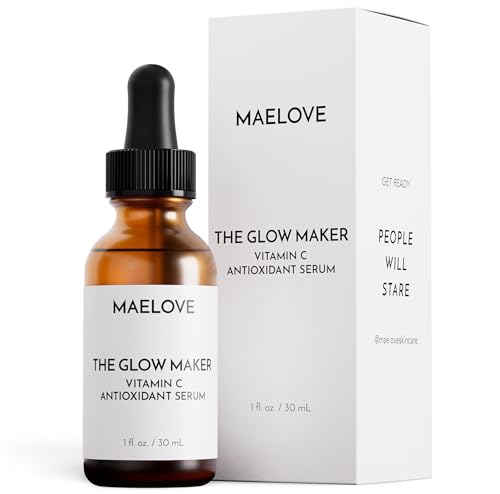
Glow Maker
Maelove
It leans on similar formulation logic to pricier serums: L-ascorbic acid plus vitamin E and ferulic acid. It costs a fraction of the price. That's why it's often called an affordable alternative to the prestige options.
Combines L-ascorbic acid with vitamin E and ferulic acid, echoing higher-end formulas
Opaque pump bottle helps limit light and air exposure
Noticeably cheaper per ounce than most L-ascorbic acid serums of similar formulation
The pump can dispense unevenly or feel like it needs priming, a minor but frequently mentioned annoyance
Normal to dry skin that wants a dermatologist-developed, fragrance-free daily moisturizer
CeraVe Moisturizing Cream
CeraVe
It pairs three essential ceramides with hyaluronic acid in a rich, fragrance-free base. Long-term users with dry, compromised skin consistently praise it. It's also inexpensive enough to use liberally.
Ceramide + hyaluronic acid formula supports the skin barrier
Fragrance-free and well-tolerated by sensitive skin
Large jar size makes it very cost-effective per ounce
The tub packaging means dipping fingers into the product, which isn't ideal for hygiene or portability
acne-prone, sensitive, or post-procedure skin that needs a dermatologist-trusted daily option
UV Clear Broad-Spectrum SPF 46
EltaMD
Dermatologists reach for EltaMD more than almost any other sunscreen. It pairs broad-spectrum zinc oxide protection with niacinamide and hyaluronic acid. The oil-free base is genuinely weightless and layers well under makeup.
Broad-spectrum SPF 46 with zinc oxide
Oil-free, non-comedogenic formula favored for acne-prone skin
Contains niacinamide and hyaluronic acid for added hydration
Pricier per ounce than most drugstore sunscreens, and the pump makes it easy to under-apply if you're not deliberate about the amount.
oily, pore-prone skin that wants a formula built specifically around pore congestion
Super Volcanic Pore Clay Mask 2X
innisfree
Two types of volcanic clay target sebum and blackheads. The texture isn't chalky or hard to remove like older clay formulas. It's also genuinely affordable for how often you'll reach for it.
Lightweight, non-cakey texture that spreads and rinses easily
Visibly reduces the look of congested pores after a single use
Priced low enough to use regularly without guilt
The mineral scent is noticeable and won't appeal to everyone
Anyone dealing with clogged pores, blackheads, or rough, bumpy texture who wants an evidence-backed exfoliating toner
2% BHA Liquid Exfoliant
Paula's Choice
It's built around a well-studied 2% salicylic acid concentration at an effective pH. The base is fragrance-free and alcohol-free. That combination is why it's stayed a favorite among ingredient-focused shoppers for years, rather than fading as a trend.
2% salicylic acid at a pH that actually works
Fragrance-free and alcohol-free formula
Noticeably improves texture and blackheads with consistent use
The active concentration can cause redness or flaking in the first couple of weeks, so it's not the easiest starting point for very reactive or rosacea-prone skin
people who want the most clinically studied LED mask on the market and don't mind the price
Contour Face
Omnilux
Omnilux's LED technology is the same platform used in dermatology clinics. The Contour Face is its rigid, dermatologist-favorite home version, and it has more research behind it than most at-home competitors.
Extensive clinical research behind Omnilux's LED platform, more than most home devices
FDA-cleared for temporary reduction in the appearance of fine lines and wrinkles
Even, consistent light distance thanks to the rigid, hinged design
Rigid shell doesn't flex to different face shapes, there's no blue-light setting for acne, and it's one of the most expensive masks on the market
Affiliate disclosure: We may earn a commission from qualifying purchases made through links on this page, at no extra cost to you. Some links on this page are affiliate links.