
Skip to content
Serums & Treatments · Guide

Niacinamide Serums: The Complete Guide

In short: Niacinamide is a form of vitamin B3 shown to help with oil control, visible pores, redness, and uneven tone at concentrations as low as 2-5%. It layers well with most other skincare ingredients, works for nearly every skin type, and is one of the lowest-risk actives to add to a routine.

Affiliate disclosure: We may earn a commission from qualifying purchases made through links on this page, at no extra cost to you. Some links on this page are affiliate links.

Recommended niacinamide serums

Our current top picks in this category, judged on formulation, evidence, texture and value.

Editor's Pick #1
Niacinamide 10% + Zinc 1%
Anyone who wants a proven, no-frills niacinamide serum without paying a premium

Niacinamide 10% + Zinc 1%

The Ordinary

It pairs a well-studied 10% niacinamide concentration with 1% zinc PCA for oil control. It's the formula most other brands get compared to.

Widely available and one of the cheapest ways to try niacinamide
Thin, fast-absorbing texture layers easily under sunscreen and makeup
Zinc PCA adds extra help with shine and visible pores
The 10% strength can cause pilling under other products or mild tingling for skin new to niacinamide
Best for Oily & Acne-Prone Skin #2
Niacinamide Serum 12% Plus Zinc 2%
Oily, congestion-prone skin that wants the strongest widely available over-the-counter dose

Niacinamide Serum 12% Plus Zinc 2%

Naturium

It combines 12% niacinamide with 2% zinc PCA. That's formulated to target excess oil and visible congestion more aggressively than lower-strength serums.

One of the highest over-the-counter concentrations available
Zinc PCA content is higher than most competitors, which helps with shine
Budget-friendly for the strength offered
The high 12% concentration can cause redness or a warm, flushed feeling, especially for first-time niacinamide users
Best Value #3
Niacinamide Serum
Beginners who want to try niacinamide at a gentler percentage before committing to a pricier bottle

Niacinamide Serum

Good Molecules

A straightforward 5% niacinamide formula at one of the lowest price points in the category. It's an easy, low-risk way to test tolerance.

Very low cost per bottle
5% concentration is gentle enough for most first-time users
Widely stocked at Ulta and online, so it's easy to find
The bare-bones formula and thin, watery texture feel less refined than pricier options, and the dropper can be fiddly to use precisely

What Niacinamide (Vitamin B3) Actually Is

Niacinamide is the skincare-friendly form of vitamin B3. It's also called nicotinamide. The ingredient has a long track record in dermatology. Researchers have studied its role in skin barrier function and oil regulation for decades. That's long before it became a beauty-aisle staple. You'll find it in budget serums, like The Ordinary's Niacinamide 10% + Zinc 1%. You'll also see it in dermatologist-brand treatments, like La Roche-Posay's Mela B3.

Oil Control, Sebum Production, Visible Pores & Redness: What Research Supports

Most clinical studies use topical niacinamide in the 2-5% range. They show measurable improvements over time. These include reduced sebum production and smaller-looking visible pores. They also point to better skin barrier function and more hydration. Redness and blotchiness tend to ease as well. With consistent use over 8-12 weeks, skin tone looks more even too. It's worth being precise here. Niacinamide doesn't "shrink pores" permanently or "cure" oily skin. Instead, it reduces oil output and improves skin texture. That makes pores look less prominent and skin look calmer. Results build gradually, not overnight.

Picking a Concentration: 2% to 12% Niacinamide

More is not automatically better. Most evidence for niacinamide's benefits comes from studies at 2% to 5%. Some products are marketed at 10% or 12%. One example is Naturium's Niacinamide Serum 12% Plus Zinc 2%. These stronger formulas aren't backed by proportionally better results. They're simply more concentrated. That raises the odds of side effects like flushing, tingling, or a rough surface texture. The risk is highest for first-time users. It also rises for anyone layering niacinamide with other actives. Brands like Paula's Choice offer niacinamide at more moderate strengths too.

  • 2-5% is the best-supported concentration for most people, including sensitive skin and rosacea-prone skin.
  • 5-10% is a reasonable step up once you know your skin tolerates niacinamide well.
  • 10% and above carries a higher risk of irritation. There's limited evidence it outperforms lower concentrations for most concerns.

Oily Skin, Sensitive Skin & Acne-Prone Skin: Matching Niacinamide to Your Type

Oily skin and combination skin tend to see the most noticeable difference. That shows up most around midday shine and visible pores across the T-zone. A lighter formula, like Glossier's Super Pure, suits this skin type well. Dry and normal skin can still benefit too. Niacinamide helps support the skin barrier and improve hydration. Look for it paired with a humectant like hyaluronic acid. Avoid a purely oil-focused formula if your skin runs dry. Beginners often start with an affordable 5% formula, like Good Molecules' Niacinamide Serum. They can move up from there. People with sensitive skin, and those who are rosacea-prone, usually tolerate niacinamide well at low concentrations. They may see less visible redness over time. Patch testing before full-face use is still worth the extra step. Acne-prone skin often reaches for niacinamide because of its oil-regulating effect. But it's a supporting ingredient, not a treatment for active breakouts. Persistent or cystic acne needs a dermatologist's input, not just a serum swap.

Layering Niacinamide With Retinoid, Vitamin C, Hyaluronic Acid & Zinc PCA

Niacinamide is one of the more flexible actives to build a routine around. It's generally well tolerated alongside a retinoid, vitamin C, exfoliating acids, and sunscreen. It doesn't need the careful timing some actives require. A simple approach works best. Cleanse first, then apply niacinamide serum to damp skin. Follow with moisturizer, then finish with sunscreen in the morning. Many formulas add hyaluronic acid for hydration or zinc PCA for extra oil control. Check the label if one of those is your main goal. Using a retinoid or acid exfoliant too? Apply niacinamide first. It can help offset dryness and irritation from those ingredients. Give each layer a minute or two to absorb before the next step.

Common Mistakes That Weaken the Skin Barrier

The most common misstep is reaching for the highest percentage available. People assume it will work faster or better. It usually just increases irritation. Over time, it can weaken the skin barrier. Another mistake is expecting visible change within days. Most studies track niacinamide's effects on oil and tone over 8-12 weeks of consistent use. A single application won't do it. Some people also apply niacinamide on top of very acidic products. Without time to absorb, that causes the classic "pilling" texture. That's a formulation and layering issue. It's not a sign the ingredient isn't working.

Rosacea, Dermatologist Visits & Who Should Be Cautious

Niacinamide is one of the gentler, lower-risk actives. But "gentle" doesn't mean risk-free for everyone. A small number of people experience flushing or a niacin-like warming sensation. This is more likely at higher concentrations. Do you have a diagnosed skin condition, like persistent acne, eczema, or rosacea flare-ups? Talk to a dermatologist before adding niacinamide, or any new active, to your routine. This article is written by researchers and reviewers, not medical professionals. Nothing here should be treated as a diagnosis or treatment plan.

The Bottom Line on Niacinamide & Uneven Tone

Niacinamide earns its popularity. It's backed by real research. It also plays well with almost everything else in a routine. It works for a wide range of skin types and concerns, from oil control to uneven tone. Treat percentage as a starting point to build up from. It's not a shortcut to faster results. Give any new serum a full 8-12 weeks before deciding whether it's working for your skin.

Common questions

What does niacinamide do for skin?
What percentage of niacinamide is best?
Can you use niacinamide every day?
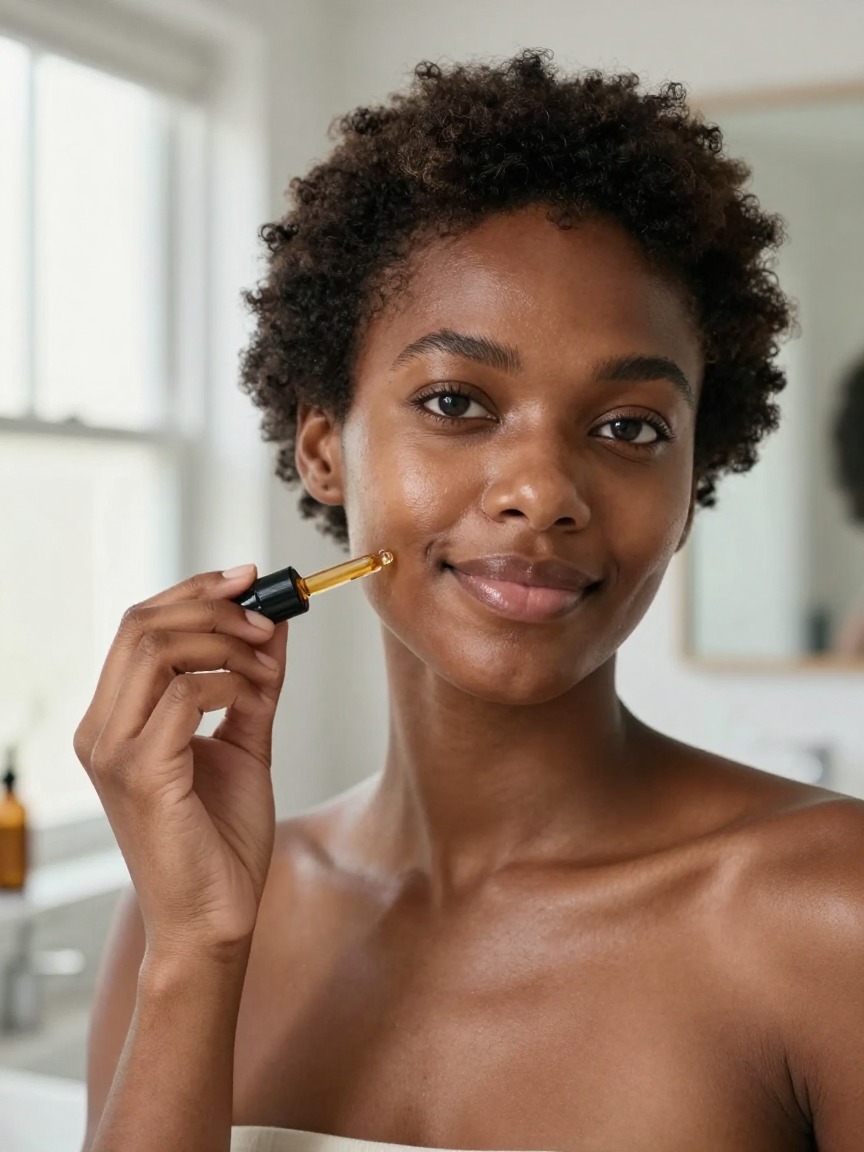
Niacinamide Serums as part of a daily skincare routine

You may be interested in

Popular picks from related categories, chosen with the same rubric.

Editor's Pick #1
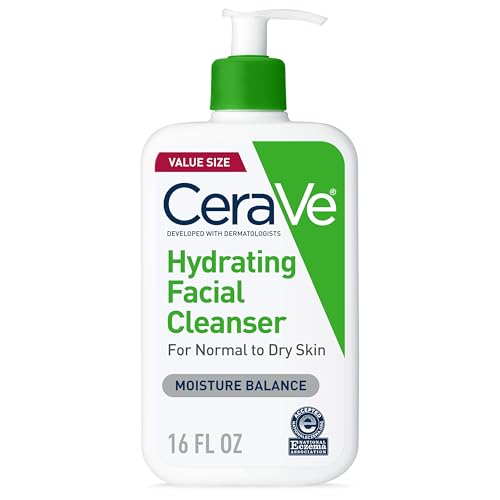
Hydrating Facial Cleanser
Dry-to-normal sensitive skin, especially anyone also using retinoids or other actives

Hydrating Facial Cleanser

CeraVe

It's formulated with three ceramides, hyaluronic acid, and a National Eczema Association seal. Dermatologists mention it most often for reactive skin. It's a genuinely non-foaming, low-irritation formula that doesn't strip the barrier.

Ceramide and hyaluronic acid formula supports the skin barrier while cleansing
Fragrance-free, non-foaming, and won't disrupt a compromised moisture barrier
Budget-friendly per ounce and widely available at drugstores
Doesn't fully dissolve heavy sunscreen or long-wear makeup on its own, so double-cleansing days may need a micellar water or oil-based first step
Editor's Pick #1
Moisturizing Cream
Normal to dry skin that wants a dermatologist-developed, fragrance-free daily moisturizer

CeraVe Moisturizing Cream

CeraVe

It pairs three essential ceramides with hyaluronic acid in a rich, fragrance-free base. Long-term users with dry, compromised skin consistently praise it. It's also inexpensive enough to use liberally.

Ceramide + hyaluronic acid formula supports the skin barrier
Fragrance-free and well-tolerated by sensitive skin
Large jar size makes it very cost-effective per ounce
The tub packaging means dipping fingers into the product, which isn't ideal for hygiene or portability
Editor's Pick #1
UV Clear Broad-Spectrum SPF 46
acne-prone, sensitive, or post-procedure skin that needs a dermatologist-trusted daily option

UV Clear Broad-Spectrum SPF 46

EltaMD

Dermatologists reach for EltaMD more than almost any other sunscreen. It pairs broad-spectrum zinc oxide protection with niacinamide and hyaluronic acid. The oil-free base is genuinely weightless and layers well under makeup.

Broad-spectrum SPF 46 with zinc oxide
Oil-free, non-comedogenic formula favored for acne-prone skin
Contains niacinamide and hyaluronic acid for added hydration
Pricier per ounce than most drugstore sunscreens, and the pump makes it easy to under-apply if you're not deliberate about the amount.
Editor's Pick #1
Super Volcanic Pore Clay Mask 2X
oily, pore-prone skin that wants a formula built specifically around pore congestion

Super Volcanic Pore Clay Mask 2X

innisfree

Two types of volcanic clay target sebum and blackheads. The texture isn't chalky or hard to remove like older clay formulas. It's also genuinely affordable for how often you'll reach for it.

Lightweight, non-cakey texture that spreads and rinses easily
Visibly reduces the look of congested pores after a single use
Priced low enough to use regularly without guilt
The mineral scent is noticeable and won't appeal to everyone
Editor's Pick #1
Skin Perfecting 2% BHA Liquid Exfoliant
Anyone dealing with clogged pores, blackheads, or rough, bumpy texture who wants an evidence-backed exfoliating toner

2% BHA Liquid Exfoliant

Paula's Choice

It's built around a well-studied 2% salicylic acid concentration at an effective pH. The base is fragrance-free and alcohol-free. That combination is why it's stayed a favorite among ingredient-focused shoppers for years, rather than fading as a trend.

2% salicylic acid at a pH that actually works
Fragrance-free and alcohol-free formula
Noticeably improves texture and blackheads with consistent use
The active concentration can cause redness or flaking in the first couple of weeks, so it's not the easiest starting point for very reactive or rosacea-prone skin
Editor's Pick #1
Contour Face
people who want the most clinically studied LED mask on the market and don't mind the price

Contour Face

Omnilux

Omnilux's LED technology is the same platform used in dermatology clinics. The Contour Face is its rigid, dermatologist-favorite home version, and it has more research behind it than most at-home competitors.

Extensive clinical research behind Omnilux's LED platform, more than most home devices
FDA-cleared for temporary reduction in the appearance of fine lines and wrinkles
Even, consistent light distance thanks to the rigid, hinged design
Rigid shell doesn't flex to different face shapes, there's no blue-light setting for acne, and it's one of the most expensive masks on the market

Affiliate disclosure: We may earn a commission from qualifying purchases made through links on this page, at no extra cost to you. Some links on this page are affiliate links.

Related products & guides

Serums & TreatmentsBest Vitamin C Serums

See our ranked picks and buying guide.

Serums & TreatmentsBest Retinol Serums for Beginners

See our ranked picks and buying guide.

Serums & TreatmentsBest Hyaluronic Acid Serums

See our ranked picks and buying guide.

Serums & TreatmentsBest Peptide Serums

See our ranked picks and buying guide.

Serums & TreatmentsBest AHA & BHA Exfoliating Serums

See our ranked picks and buying guide.

Serums & TreatmentsBest Dark Spot & Brightening Serums

See our ranked picks and buying guide.