In short: A dry-skin routine works by hydrating first, then sealing that hydration in before it evaporates — a cream cleanser, hyaluronic acid or hydrating essence, a ceramide-rich moisturizer, and daily SPF, with face oil as an optional sealing step. Consistency and gentle handling matter more than product richness alone.
Affiliate disclosure: We may earn a commission from qualifying purchases made through links on this page, at no extra cost to you. Some links on this page are affiliate links.
Routines & Skin Concerns · Guide
Skincare Routine for Dry Skin
Recommended skincare routine for dry skin
Our current top picks in this category, judged on formulation, evidence, texture and value.
Cleanser#1
Dry, flaky, or barrier-compromised skin that needs cleansing without stripping what little oil it produces
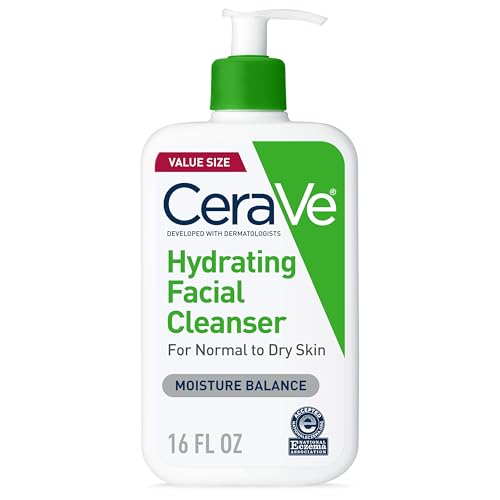
Cleanser — CeraVe Hydrating Facial Cleanser
CeraVe
A ceramide and hyaluronic acid cream formula that cleanses without foaming. It doesn't strip skin the way a foaming cleanser typically does.
Ceramide and hyaluronic acid formula supports rather than strips the skin barrier
Fragrance-free and non-comedogenic
Cream texture rinses clean without leaving skin feeling tight afterward
Doesn't fully break down heavy sunscreen or makeup on its own — dry skin wearing SPF daily may need a gentle oil-based first cleanse on those days
Dry, dehydrated skin that wants an extra hydration layer before serum and moisturizer
Toner/Essence — COSRX Advanced Snail 96 Mucin Power Essence
COSRX
Snail secretion filtrate is a well-tolerated hydrator. It leaves a light, slightly tacky film instead of evaporating quickly. That suits a multi-step hydration routine well.
Lightweight essence layers easily under serum and moisturizer without pilling
Hydration-forward formula suited to skin that's dry and dehydrated at once
Long track record among dry and combination-dry skin types
Slightly tacky, gel-like finish that some people find off-putting until it's layered with other products
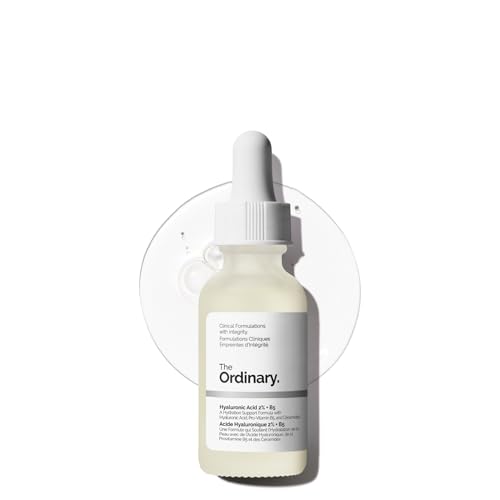
A straightforward, multi-molecular-weight hyaluronic acid serum at a low price point. It's formulated to draw water into skin's surface layers when applied to damp skin.
Budget-friendly way to add a dedicated hydration step
Fragrance-free and layers well under most moisturizers
Multiple molecular weights of hyaluronic acid target different skin depths
Needs to go on damp skin and be sealed with moisturizer promptly — used on bare dry skin in a low-humidity room, hyaluronic acid can pull moisture out of skin instead of into it
What Makes Skin Dry: Barrier, Ceramides & Transepidermal Water Loss
Dry skin isn't defined by how much oil it produces. It's defined by how well it holds onto water. The outermost layer of skin, the stratum corneum, is built from cells held together by lipids — including ceramides — that work like mortar between bricks. When that lipid mortar is thin, damaged, or genetically scarce, water escapes through skin faster than it should. Dermatologists call this transepidermal water loss. That's why dry skin can feel tight, look dull or flaky, and sometimes sting with products that wouldn't bother other skin types. The barrier that's supposed to hold moisture in simply isn't doing its full job. A routine built for dry skin has to address that directly, not just add richness for its own sake.
Hydrate, Then Seal: Hyaluronic Acid, Humectants, Emollients & Occlusives
Effective dry-skin routines do two things in sequence: hydrate, then seal. Hydrating means getting water-attracting ingredients — hyaluronic acid, glycerin, panthenol — into the skin's surface layers. Hyaluronic acid, for example, is a well-known humectant. That works best while skin is still slightly damp, so there's water available for those ingredients to draw in. Sealing means applying emollients and occlusives on top, so the water that was just drawn in doesn't evaporate straight back out. Humectants pull water in. Emollients like squalane and plant oils smooth rough patches and soften texture. Occlusives like ceramides, shea butter, and petrolatum sit on top and slow water loss overnight. Skipping the sealing step is one of the most common reasons a hydrating serum "doesn't work" for dry skin. The water gets pulled to the surface and evaporates anyway. Skin can end up feeling drier than before, especially in a low-humidity room.
Building the Routine: Cream Cleanser, Moisturizer, Face Oil & SPF
Morning: a gentle cream cleanser, or just a lukewarm rinse if skin didn't sweat or wear product overnight. Then a hydrating essence or hyaluronic acid serum on damp skin, a ceramide-rich moisturizer, and broad-spectrum SPF 30 or higher as the final step. Evening: a proper cleanse to remove sunscreen and the day's buildup, then any treatment actives. A retinoid or exfoliant works best a few nights a week rather than nightly for most dry skin. Follow with a hydrating serum, then a richer moisturizer or face oil on top to seal everything in overnight. Face oil belongs at the very end of a routine. Oils work as an occlusive seal, not a delivery vehicle. Oil applied before a water-based serum tends to block that serum from absorbing properly. A few reference points help. CeraVe Moisturizing Cream is a common ceramide moisturizer. COSRX Advanced Snail 96 Mucin Power Essence is a widely used hydrating essence. The Ordinary Hyaluronic Acid 2% + B5 is an affordable serum, and EltaMD UV Daily is a well-tolerated daily SPF.
Ceramides are worth prioritizing above almost anything else here, since they directly replace the lipids a compromised dry-skin barrier is often short on. Hyaluronic acid and glycerin are the standard humectants, both well tolerated and effective at pulling water into skin when used correctly. Squalane is a lightweight emollient that mimics skin's own natural oils. It's a reasonable option for dry skin that doesn't want a heavier, traditional face oil. Niacinamide is a useful addition too. It supports the barrier and can calm the redness or reactivity that often comes with dry, compromised skin.
Fragrance-Free, Non-Comedogenic Habits for Dehydrated, Flaky Skin
Fragrance, synthetic or "natural," is one of the more common irritants in products marketed to dry or sensitive skin. Fragrance-free, non-comedogenic formulas are generally the safer default. A few habits reliably make dehydrated, flaky skin worse.
Hot water and long showers or face-washing sessions, which strip natural oils dry skin is already short on
Foaming, sulfate-based cleansers, which clean effectively but tend to leave dry skin feeling tight and stripped afterward
Over-exfoliating — flaking on dry skin is often barrier damage rather than dead-skin buildup, and scrubbing it away makes the underlying problem worse
Alcohol-heavy toners, common in oily-skin routines for decades but drying to already-compromised skin
Skipping moisturizer because skin "doesn't feel that oily" — dryness and oiliness aren't opposites the way marketing sometimes implies
How a Dry-Skin Routine Changes With the Seasons
Dry skin is rarely static. Cold, low-humidity air pulls moisture out of skin faster, and indoor heating in winter compounds the problem further. That's why skin that feels "normal" in summer often turns noticeably drier and flakier by midwinter. A routine doesn't need to be rebuilt from scratch each season. But it's reasonable to add a heavier night moisturizer or face oil, and to dial back exfoliating actives, during the driest months. The reverse holds in humid summer weather, when the same routine that felt necessary in January can start to feel heavy or occlusive.
When to See a Dermatologist Instead of Adding More Products
A consistent, well-built routine resolves most everyday dryness within a few weeks. Dryness that doesn't respond to that is worth a closer look, especially with cracking, bleeding, intense itching, or a rash-like pattern. Those can signal a skin condition like eczema or psoriasis rather than ordinary dryness. That's a reason to see a dermatologist rather than keep layering on more products. Reviewers and researchers can point to which ingredients and formulations have decent evidence behind them. But diagnosing and treating an underlying skin condition is outside that scope, and outside what any store-bought routine is designed to do.
Popular picks from related categories, chosen with the same rubric.
Editor's Pick#1
Dry-to-normal sensitive skin, especially anyone also using retinoids or other actives
Hydrating Facial Cleanser
CeraVe
It's formulated with three ceramides, hyaluronic acid, and a National Eczema Association seal. Dermatologists mention it most often for reactive skin. It's a genuinely non-foaming, low-irritation formula that doesn't strip the barrier.
Ceramide and hyaluronic acid formula supports the skin barrier while cleansing
Fragrance-free, non-foaming, and won't disrupt a compromised moisture barrier
Budget-friendly per ounce and widely available at drugstores
Doesn't fully dissolve heavy sunscreen or long-wear makeup on its own, so double-cleansing days may need a micellar water or oil-based first step
Readers who want a well-formulated L-ascorbic acid serum without the prestige price tag
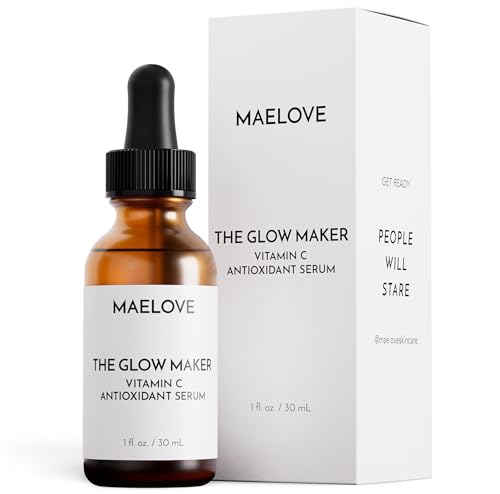
Glow Maker
Maelove
It leans on similar formulation logic to pricier serums: L-ascorbic acid plus vitamin E and ferulic acid. It costs a fraction of the price. That's why it's often called an affordable alternative to the prestige options.
Combines L-ascorbic acid with vitamin E and ferulic acid, echoing higher-end formulas
Opaque pump bottle helps limit light and air exposure
Noticeably cheaper per ounce than most L-ascorbic acid serums of similar formulation
The pump can dispense unevenly or feel like it needs priming, a minor but frequently mentioned annoyance
Normal to dry skin that wants a dermatologist-developed, fragrance-free daily moisturizer
CeraVe Moisturizing Cream
CeraVe
It pairs three essential ceramides with hyaluronic acid in a rich, fragrance-free base. Long-term users with dry, compromised skin consistently praise it. It's also inexpensive enough to use liberally.
Ceramide + hyaluronic acid formula supports the skin barrier
Fragrance-free and well-tolerated by sensitive skin
Large jar size makes it very cost-effective per ounce
The tub packaging means dipping fingers into the product, which isn't ideal for hygiene or portability
acne-prone, sensitive, or post-procedure skin that needs a dermatologist-trusted daily option
UV Clear Broad-Spectrum SPF 46
EltaMD
Dermatologists reach for EltaMD more than almost any other sunscreen. It pairs broad-spectrum zinc oxide protection with niacinamide and hyaluronic acid. The oil-free base is genuinely weightless and layers well under makeup.
Broad-spectrum SPF 46 with zinc oxide
Oil-free, non-comedogenic formula favored for acne-prone skin
Contains niacinamide and hyaluronic acid for added hydration
Pricier per ounce than most drugstore sunscreens, and the pump makes it easy to under-apply if you're not deliberate about the amount.
oily, pore-prone skin that wants a formula built specifically around pore congestion
Super Volcanic Pore Clay Mask 2X
innisfree
Two types of volcanic clay target sebum and blackheads. The texture isn't chalky or hard to remove like older clay formulas. It's also genuinely affordable for how often you'll reach for it.
Lightweight, non-cakey texture that spreads and rinses easily
Visibly reduces the look of congested pores after a single use
Priced low enough to use regularly without guilt
The mineral scent is noticeable and won't appeal to everyone
Anyone dealing with clogged pores, blackheads, or rough, bumpy texture who wants an evidence-backed exfoliating toner
2% BHA Liquid Exfoliant
Paula's Choice
It's built around a well-studied 2% salicylic acid concentration at an effective pH. The base is fragrance-free and alcohol-free. That combination is why it's stayed a favorite among ingredient-focused shoppers for years, rather than fading as a trend.
2% salicylic acid at a pH that actually works
Fragrance-free and alcohol-free formula
Noticeably improves texture and blackheads with consistent use
The active concentration can cause redness or flaking in the first couple of weeks, so it's not the easiest starting point for very reactive or rosacea-prone skin
Affiliate disclosure: We may earn a commission from qualifying purchases made through links on this page, at no extra cost to you. Some links on this page are affiliate links.