How mature skin actually changes: collagen, elastin & the skin barrier
Skin aging is driven by two processes happening at the same time. Intrinsic aging is the genetically programmed slowdown: collagen and elastin production drops by roughly one percent a year, starting in the mid-20s. Oil glands produce less sebum. The dermis thins. Extrinsic aging is everything from the outside — mostly cumulative UV exposure, but also pollution, smoking, and repeated facial movement. By the 40s and 50s, when most people notice visible changes, both processes have been compounding for decades. The outer skin barrier is made up of skin cells held together by a "mortar" of ceramides, cholesterol, and fatty acids. It also becomes less efficient with age. It holds onto water less effectively — measurable as increased transepidermal water loss — and reacts more easily to products that younger skin would tolerate without issue. Less structural support underneath, less moisture retention on top: that combination is why mature skin tends to look and feel drier, less elastic, and more sensitive, even without any change in skincare routine.
What a moisturizer can and can't do for fine lines and wrinkles
No moisturizer rebuilds collagen the way a dermatologist's in-office treatment can. Nothing sold over the counter reverses skin aging. What a well-formulated moisturizer can do is meaningfully help the look of fine lines, dullness, and dryness. It can support the skin's own barrier and repair processes, and create the hydrated conditions that make skin appear smoother and more even. Ingredients like retinoids and peptides have real, published clinical evidence behind them. But that evidence describes gradual improvement over weeks to months, not a transformation overnight. Setting that expectation up front avoids the most common reason people abandon good products: not seeing what they expected in the first two weeks.
The ingredient categories that matter most
Barrier-repair lipids: ceramides for a stronger skin barrier
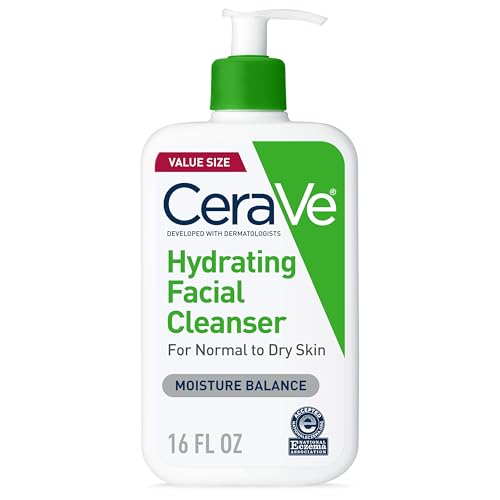
Ceramides, cholesterol, and free fatty acids occur naturally in skin, in a roughly balanced ratio. Aging skin produces less of all three, particularly ceramides. That's a major reason mature skin loses moisture faster. Moisturizers formulated with these three lipids together, in a ratio similar to skin's own, are consistently shown to improve barrier function more than any one lipid alone — it's the approach brands like CeraVe built their reputation on.
Retinoids and retinol for texture and fine lines
Retinol and its relatives — retinaldehyde, retinyl esters, and prescription tretinoin — remain the most rigorously studied ingredients for improving the appearance of fine lines, mottled pigmentation, and rough texture. They work by speeding cell turnover and, with consistent use, supporting collagen production. The tradeoff is real: retinoids commonly cause dryness, flaking, and redness during the first several weeks. They also increase sun sensitivity for as long as you use them. Drugstore options from brands like RoC and Neutrogena make retinol accessible without a prescription.
Peptides: a gentler complement to retinoids
Peptides are short chains of amino acids that act as chemical messengers. They signal skin cells to behave in ways associated with younger skin — producing more collagen, for instance, or relaxing the micro-muscle contractions linked to expression lines. Peptide research is younger and generally smaller in scale than retinoid research. Think of peptides as a gentler, slower-acting complement to retinoids, not a replacement for them.
Niacinamide, antioxidants & vitamin C for tone and dark spots
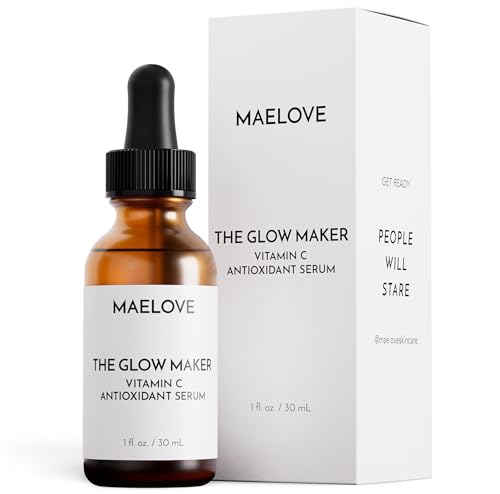
Niacinamide (vitamin B3) has solid evidence for improving the look of uneven tone, dark spots, redness, and barrier function. It's tolerated by nearly everyone, including retinoid users layering it in for extra support — Olay popularized niacinamide-and-peptide formulas at a drugstore price point. Antioxidants like vitamin C, vitamin E, and ferulic acid don't moisturize on their own. But they help neutralize the free-radical damage — much of it UV-driven — that accelerates visible aging, and they pair well with daily sunscreen. Prestige antioxidant formulas from brands like SkinCeuticals are built around this kind of free-radical defense.
Hyaluronic acid and other humectants vs. occlusives
Hyaluronic acid and glycerin are humectants: they draw water into the outer layer of skin, which is why they produce that immediate, plumped look. On their own, though, humectants can pull moisture out of deeper skin layers in very dry climates. They need to be sealed in with an occlusive ingredient — a heavier cream, shea butter, or an oil — that slows water loss.
Building a routine for dryness, sensitive skin & fragrance-free formulas
Dry or very dry mature skin usually needs a richer, ceramide-forward cream at night. Pair it with a lighter but still emollient, SPF-containing lotion by day. Combination or normal mature skin can often use a lighter gel-cream both morning and night, adding a heavier layer only in winter or dry climates. Sensitive or reactive mature skin should prioritize fragrance-free, minimal-ingredient formulas — La Roche-Posay's Toleriane line is built around exactly that brief. Bring in one active ingredient at a time, waiting several weeks between additions to see how skin responds before adding the next.
Where SPF and sun sensitivity fit into a daily routine
A simple, sustainable structure works better than a complicated one. In the morning: gentle cleanser, antioxidant serum if using one, moisturizer, and sunscreen — non-negotiable, since it protects everything else in the routine. At night: cleanser, a retinoid on the nights you're using one, moisturizer on top to buffer irritation. Peptide and niacinamide products can generally go under moisturizer any time of day. The goal is consistency over months, not maximizing the number of products used at once.
Mistakes that slow down results
- Starting retinol at full strength every night instead of ramping up gradually.
- Skipping sunscreen on days a retinoid or vitamin C product was used.
- Switching products every few weeks instead of giving one formula 8 to 12 weeks to show results.
- Assuming a higher price always means a more effective formula — ingredient concentration and formulation matter more than the price tag.
When to see a dermatologist
Persistent redness, stinging, breakouts that don't resolve, or any new or changing mole are reasons to see a board-certified dermatologist rather than trying to self-treat with over-the-counter products. A dermatologist can also prescribe stronger retinoid formulations. They can discuss in-office procedures for people whose goals go beyond what any moisturizer, however well-formulated, can realistically deliver.