In short: An anti-aging skincare routine protects skin from further UV damage and prompts cell turnover with well-evidenced actives. That means a retinoid at night, vitamin C and SPF during the day, and a supporting moisturizer. Consistency over months matters more than product count. Sunscreen alone does more visible-aging prevention than any serum.
Affiliate disclosure: We may earn a commission from qualifying purchases made through links on this page, at no extra cost to you. Some links on this page are affiliate links.
Routines & Skin Concerns · Guide
Anti-Aging Skincare Routine
Recommended anti-aging skincare routine
Our current top picks in this category, judged on formulation, evidence, texture and value.
Cleanser#1
Anyone running actives like retinoids or vitamin C who needs a first step that won't add to irritation
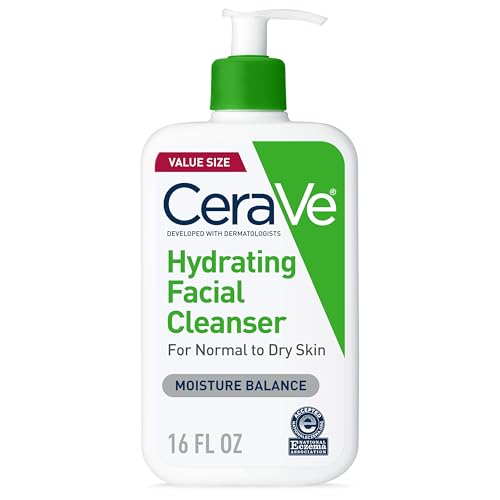
Cleanser — CeraVe Hydrating Facial Cleanser
CeraVe
Ceramides and hyaluronic acid clean without stripping the barrier. That matters more once retinoids or acids are already taxing skin.
Ceramide and hyaluronic acid formula supports rather than strips the skin barrier
Fragrance-free and non-comedogenic
Gentle enough to use daily alongside other actives
Not strong enough on its own to fully remove heavy sunscreen or makeup — may need a first cleanse on those days
What an Anti-Aging Routine Can Actually Do for Collagen and Fine Lines
An anti-aging routine isn't a cure for anything. Skin naturally loses collagen, elasticity, and some of its own repair capacity over time. No topical product stops that process outright. What a solid routine does is two things. First, it limits the damage that speeds visible aging along, mainly UV exposure. Second, it uses a handful of proven ingredients to support skin's own turnover and repair. Reviewers and researchers, not dermatologists, can tell you which products have decent evidence and good formulas. For anything beyond that, a board-certified dermatologist is the right call, especially if skin changes a lot or suddenly. It's also worth being honest about pace. This is a slow category by nature. A routine that looks quiet after two weeks can still be the right one. The timeline for actives to show visible change is measured in months, not days.
Retinoids, Antioxidants Like Vitamin C, Peptides, Niacinamide & AHAs: The Ingredients That Matter
Retinoids are the most studied ingredient in this space. They work by speeding up cell turnover and supporting collagen production over consistent use. Vitamin C is the standard daytime antioxidant. It helps defend against free-radical damage from UV and pollution, and softens the look of uneven tone. Peptides are gentler, slower-acting, and better tolerated by sensitive skin. They act as signals, telling skin to behave a little more like it did years earlier. Niacinamide supports the skin barrier and helps offset the dryness that comes with retinoid use. AHAs or BHAs contribute exfoliation that keeps texture smooth and helps other products absorb evenly. None of these ingredients work as well in isolation as they do layered into a full, consistent routine. None of them substitute for daily SPF, either, which remains the single highest-impact step in this list. It's worth resisting the urge to add all of them at once. A routine built one ingredient at a time is easier to troubleshoot, and easier to actually stick with.
How to Build a Morning and Evening Routine With Sunscreen, Retinoid & Eye Cream, Step by Step
Morning: a gentle cleanser, a vitamin C serum, moisturizer, then broad-spectrum SPF 30 or higher as the final, non-negotiable step. Evening: cleanser, a retinoid on scheduled nights, moisturizer over the top to buffer irritation. Eye cream can go in either routine. Apply it after serum and before the heavier moisturizer layer, since the skin around the eyes is thinner and needs a gentler formula. Introduce new actives one at a time, roughly two weeks apart, so it's easy to tell which one is at fault if skin reacts. For specific picks for each step — including CeraVe, SkinCeuticals, RoC, Olay, and EltaMD — see our full buying guide.
Choosing a Cleanser, Moisturizer & Actives for Sensitive Skin, Dry or Oily Skin
Dry and mature skin generally tolerates retinoid esters or lower-percentage retinol better than the strongest over-the-counter formulas. It also benefits from a richer, ceramide-based moisturizer layered over active ingredients. Oily and combination skin can usually build up to a stronger retinoid faster. It does well with lightweight, non-comedogenic moisturizers and gel-based vitamin C serums. Sensitive or reactive skin benefits most from a slow build-up. Start with two nights a week with a retinoid, use fragrance-free formulas, and skip AHA or BHA until retinoid tolerance is set. There's no universal "best" active. The right starting point depends on how reactive skin already is, not on which product has the most marketing behind it.
How Long Cell Turnover and Visible Results Actually Take
This is the part most anti-aging marketing glosses over. Visible change from actives like retinoids typically takes eight to twelve weeks of consistent use. The biggest improvements, deeper texture and tone changes, often take three to six months to show up clearly. Sunscreen's benefit works differently. It's mostly about preventing new damage rather than reversing existing damage, so its payoff shows up as years pass, not weeks. Anyone expecting a dramatic before-and-after by the two-week mark is likely to abandon a product that was actually working. It simply hadn't had time to yet.
Common Mistakes With Sunscreen, SPF & BHA That Undo Progress
Skipping SPF because a moisturizer claims sun protection. Most people don't apply enough of a moisturizer-SPF hybrid to hit the labeled protection level.
Starting a retinoid nightly at full strength instead of building up gradually. That usually causes enough irritation that people quit before results appear.
Combining a retinoid and an exfoliating acid in the same session. That adds irritation without speeding results much.
Chasing a new "breakthrough" ingredient every few months. Give one well-evidenced routine several months to actually work instead.
When Retinol, Tretinoin & UV Exposure Warrant a Dermatologist
An over-the-counter routine can really help skin's appearance over time, but it isn't a substitute for professional care. See a dermatologist instead of adjusting a routine at home in a few cases. Persistent irritation that lasts more than a few weeks is one. Unexplained rashes, a mole or patch of skin that suddenly changes, or a suspected condition like rosacea or melasma are others. A dermatologist can also prescribe stronger, prescription-strength retinoids like tretinoin. These work faster and more predictably than anything available over the counter, for people who've built tolerance and want a bigger step up.
Popular picks from related categories, chosen with the same rubric.
Editor's Pick#1
Dry-to-normal sensitive skin, especially anyone also using retinoids or other actives
Hydrating Facial Cleanser
CeraVe
It's formulated with three ceramides, hyaluronic acid, and a National Eczema Association seal. Dermatologists mention it most often for reactive skin. It's a genuinely non-foaming, low-irritation formula that doesn't strip the barrier.
Ceramide and hyaluronic acid formula supports the skin barrier while cleansing
Fragrance-free, non-foaming, and won't disrupt a compromised moisture barrier
Budget-friendly per ounce and widely available at drugstores
Doesn't fully dissolve heavy sunscreen or long-wear makeup on its own, so double-cleansing days may need a micellar water or oil-based first step
Readers who want a well-formulated L-ascorbic acid serum without the prestige price tag
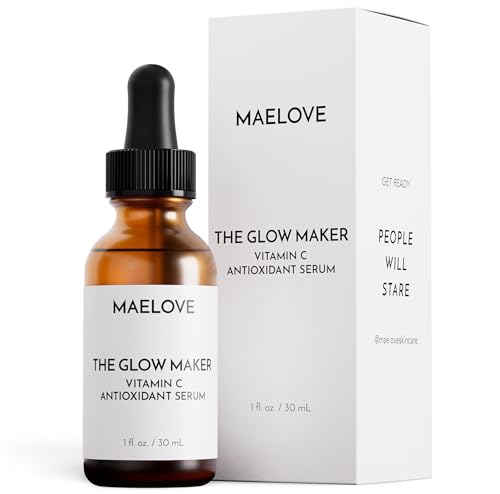
Glow Maker
Maelove
It leans on similar formulation logic to pricier serums: L-ascorbic acid plus vitamin E and ferulic acid. It costs a fraction of the price. That's why it's often called an affordable alternative to the prestige options.
Combines L-ascorbic acid with vitamin E and ferulic acid, echoing higher-end formulas
Opaque pump bottle helps limit light and air exposure
Noticeably cheaper per ounce than most L-ascorbic acid serums of similar formulation
The pump can dispense unevenly or feel like it needs priming, a minor but frequently mentioned annoyance
Normal to dry skin that wants a dermatologist-developed, fragrance-free daily moisturizer
CeraVe Moisturizing Cream
CeraVe
It pairs three essential ceramides with hyaluronic acid in a rich, fragrance-free base. Long-term users with dry, compromised skin consistently praise it. It's also inexpensive enough to use liberally.
Ceramide + hyaluronic acid formula supports the skin barrier
Fragrance-free and well-tolerated by sensitive skin
Large jar size makes it very cost-effective per ounce
The tub packaging means dipping fingers into the product, which isn't ideal for hygiene or portability
acne-prone, sensitive, or post-procedure skin that needs a dermatologist-trusted daily option
UV Clear Broad-Spectrum SPF 46
EltaMD
Dermatologists reach for EltaMD more than almost any other sunscreen. It pairs broad-spectrum zinc oxide protection with niacinamide and hyaluronic acid. The oil-free base is genuinely weightless and layers well under makeup.
Broad-spectrum SPF 46 with zinc oxide
Oil-free, non-comedogenic formula favored for acne-prone skin
Contains niacinamide and hyaluronic acid for added hydration
Pricier per ounce than most drugstore sunscreens, and the pump makes it easy to under-apply if you're not deliberate about the amount.
oily, pore-prone skin that wants a formula built specifically around pore congestion
Super Volcanic Pore Clay Mask 2X
innisfree
Two types of volcanic clay target sebum and blackheads. The texture isn't chalky or hard to remove like older clay formulas. It's also genuinely affordable for how often you'll reach for it.
Lightweight, non-cakey texture that spreads and rinses easily
Visibly reduces the look of congested pores after a single use
Priced low enough to use regularly without guilt
The mineral scent is noticeable and won't appeal to everyone
Anyone dealing with clogged pores, blackheads, or rough, bumpy texture who wants an evidence-backed exfoliating toner
2% BHA Liquid Exfoliant
Paula's Choice
It's built around a well-studied 2% salicylic acid concentration at an effective pH. The base is fragrance-free and alcohol-free. That combination is why it's stayed a favorite among ingredient-focused shoppers for years, rather than fading as a trend.
2% salicylic acid at a pH that actually works
Fragrance-free and alcohol-free formula
Noticeably improves texture and blackheads with consistent use
The active concentration can cause redness or flaking in the first couple of weeks, so it's not the easiest starting point for very reactive or rosacea-prone skin
Affiliate disclosure: We may earn a commission from qualifying purchases made through links on this page, at no extra cost to you. Some links on this page are affiliate links.