Masks & Exfoliation: what to know
Masks and exfoliants are the targeted boosters of a routine, used a few times a week rather than daily to address texture, congestion, dullness or a specific need. They can make a real difference, but they are also where people most often overdo it, so a little restraint goes a long way and more is rarely better in this category.
Exfoliation: chemical beats scrubbing
Exfoliation clears away dead surface cells to reveal smoother, brighter skin. Chemical exfoliants, meaning AHAs like glycolic and lactic acid for surface tone and BHAs like salicylic acid for oily, congestion-prone skin, are gentler and more even than gritty physical scrubs, which can cause micro-tears. Enzyme exfoliants offer an even milder option for sensitive skin that acids tend to irritate. Two to three times a week is plenty for most people, and daily acids or harsh scrubs lead to the tight, red, stinging skin of over-exfoliation. Start at the low end of any recommended frequency and build up only if your skin stays comfortable.
The mask types and what each does
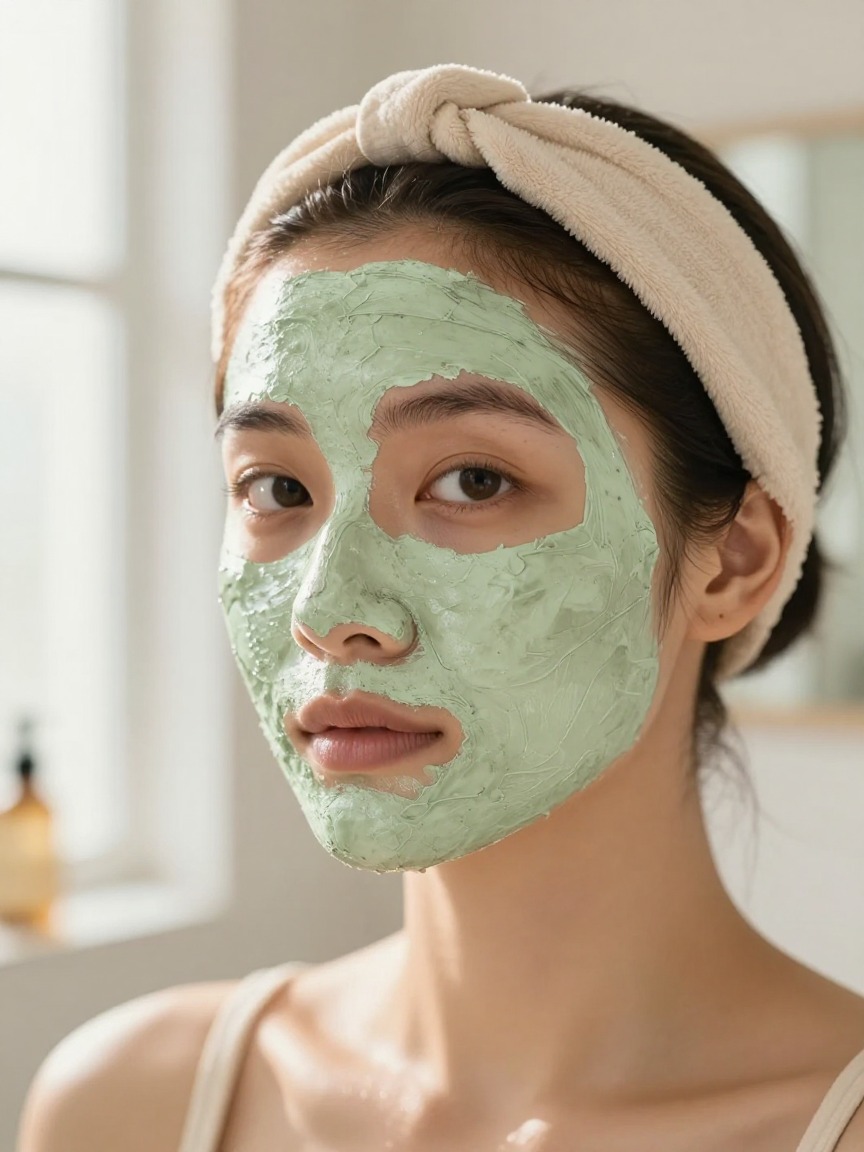
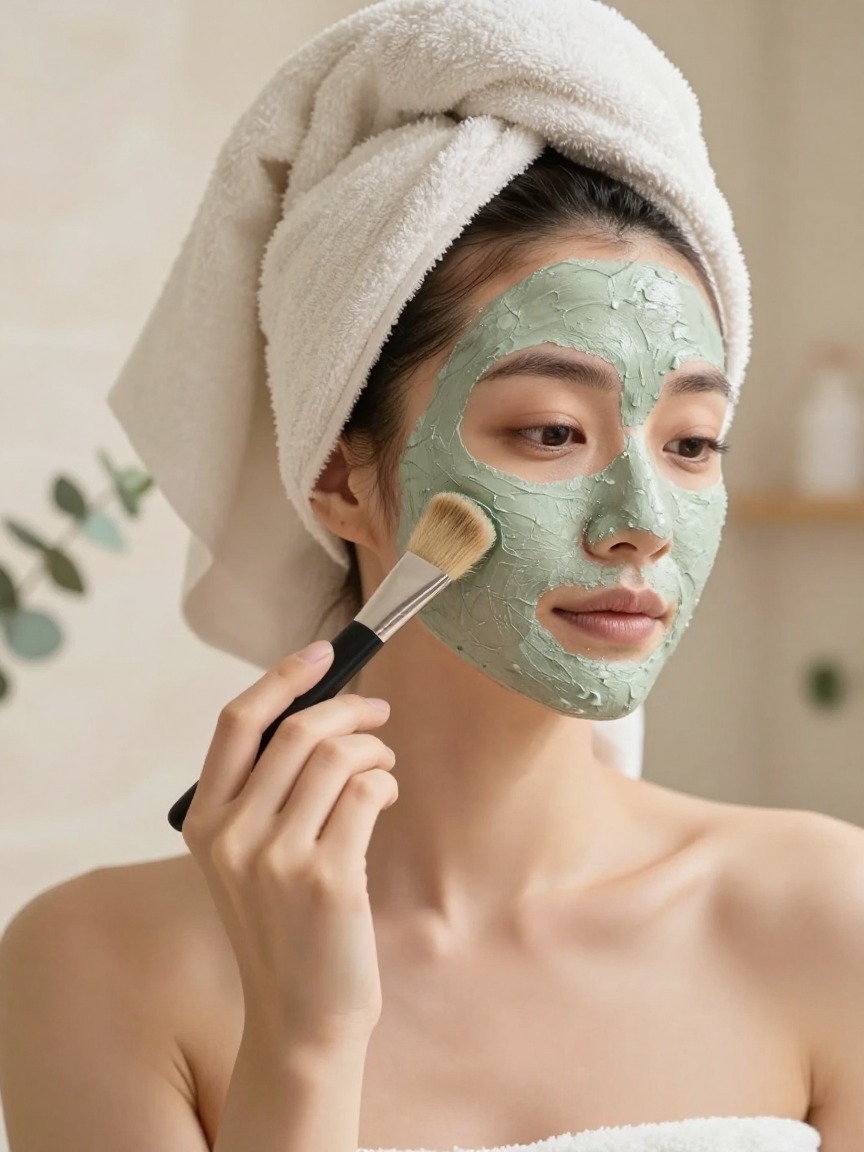
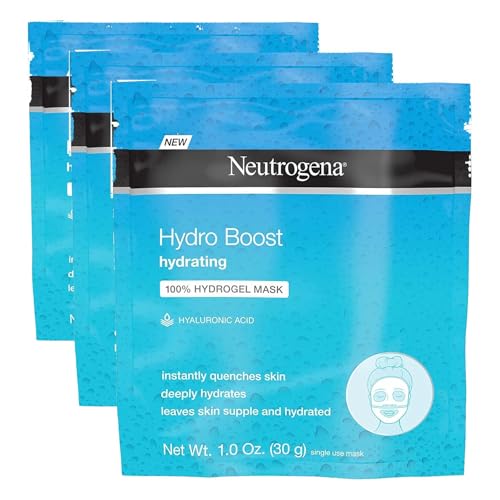
Masks are a group of short, targeted treatments rather than one product. Clay and charcoal masks draw out excess oil and suit congestion-prone skin. Hydrating and sheet masks flood dry, tired skin with a quick moisture boost before an event or after travel. Overnight sleeping masks act as an intensive last step that seals in hydration while you sleep. At-home chemical peels are stronger, occasional exfoliating treatments for a bigger reset when texture and dullness build up. Match the mask to the outcome you want on the day, rather than reaching for the same one out of habit, and remember each type has its own deeper guide.
How to choose for your skin
Choosing well starts with your skin type and the problem in front of you. Oily and congested skin benefits most from clay masks and a BHA-based exfoliant; dry and dehydrated skin from hydrating masks and gentler lactic acid or enzymes; dull, uneven skin from an occasional peel or glycolic exfoliant. Sensitive skin should favour enzymes and hydrating masks over strong acids and scrubs entirely. You do not need every type, and one exfoliant plus one or two masks that address your actual concerns are plenty. Buying the whole shelf usually just multiplies the chances of using too much at once. When you are unsure where to start, a gentle hydrating mask is the low-risk default that suits nearly every skin type and rarely causes trouble.
Frequency and recovery
More is not better here. Layering multiple exfoliating products, or masking too often, strips the barrier and undoes the results you are chasing. Build up slowly, pay attention to how your skin responds between sessions, and always follow exfoliation and clay masks with hydration and, the next morning, sunscreen, since freshly exfoliated skin is more sun-sensitive. If your skin still feels tight or looks red the day after, that is a clear signal to space treatments further apart, not to push through.
How to tell you are over-exfoliating
Over-exfoliation is one of the most common self-inflicted skin problems, and it often masquerades as the very issues people are trying to fix. The signs include a tight, taut feeling after washing, stinging when you apply products that never used to sting, new redness or a persistent flush, unexpected dryness or flaking alongside a strange waxy shine, and breakouts with no obvious cause. If several show up, stop all exfoliants and strong actives for a couple of weeks and switch to a bare-bones routine of a gentle cleanser, a barrier-supporting moisturiser with ceramides, and sunscreen, then reintroduce slowly once skin feels normal again.
Fitting it around your actives
Masks and exfoliants do not exist in isolation, and the commonest mistake is doubling up on acids. If you already use an exfoliating toner or an acid serum, an exfoliating mask or peel on the same day is usually too much for the barrier to handle. Keep exfoliation to set days, and reserve hydrating and calming masks for the nights after, or after a retinoid, when skin could use extra comfort. Treated as occasional support rather than a daily habit, this category quietly lifts the results of everything else instead of fighting it.
Budget and realistic expectations
Spending more does not buy better exfoliation. A well-formulated inexpensive AHA or BHA works as well as a costly one, and single-use sheet masks in particular are a small pleasure rather than a long-term investment. Set expectations honestly: exfoliation smooths texture and adds glow over weeks, and masks give a short, welcome boost, but neither replaces the daily work of cleansing, treatment serums and sun protection. Anything promising a permanent transformation from a weekly treatment is overselling. Used sparingly and matched to your skin, these are a reliable finishing touch, not the foundation of a routine.