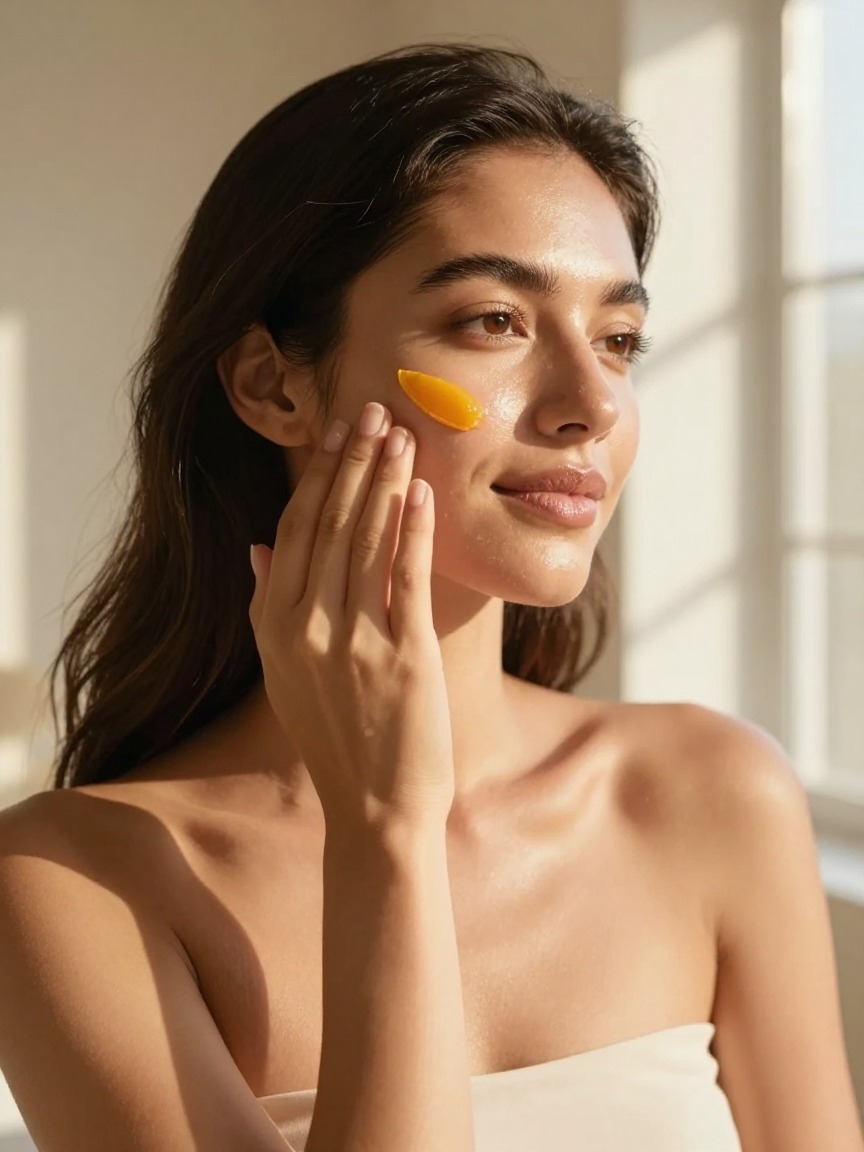
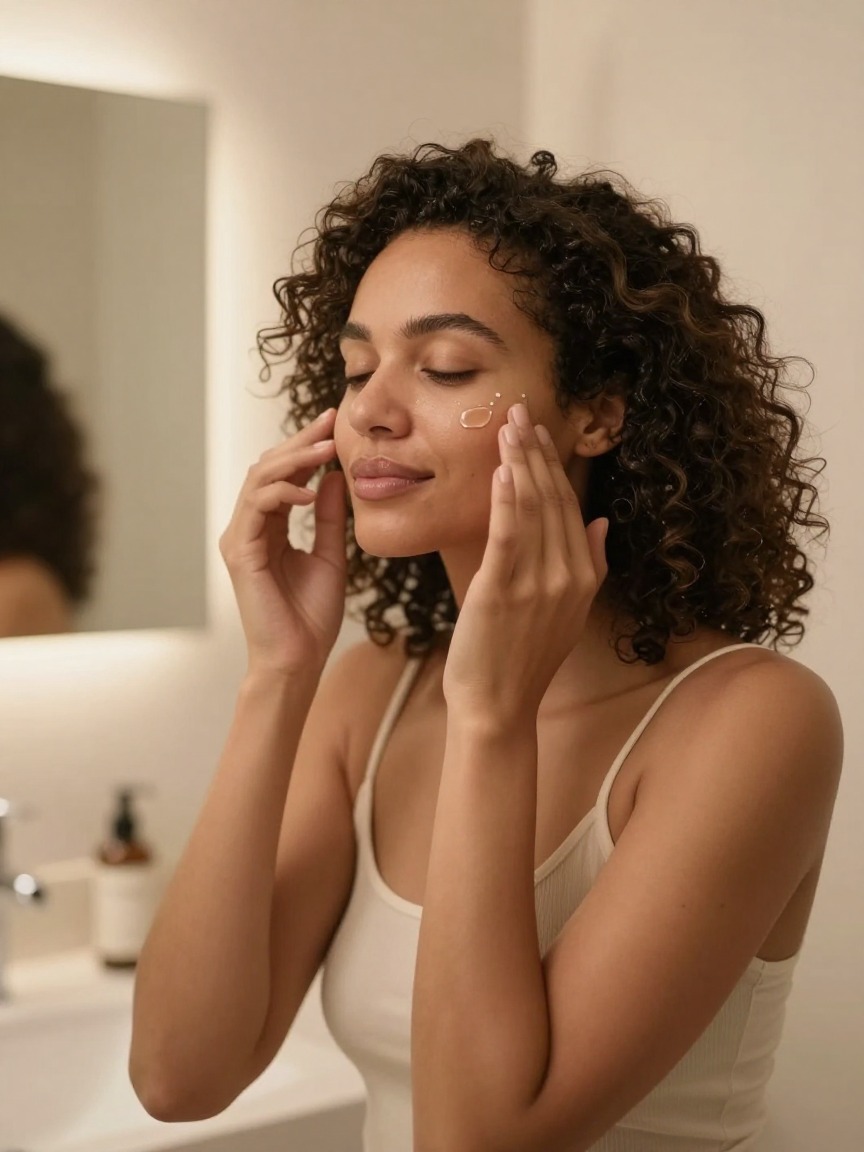
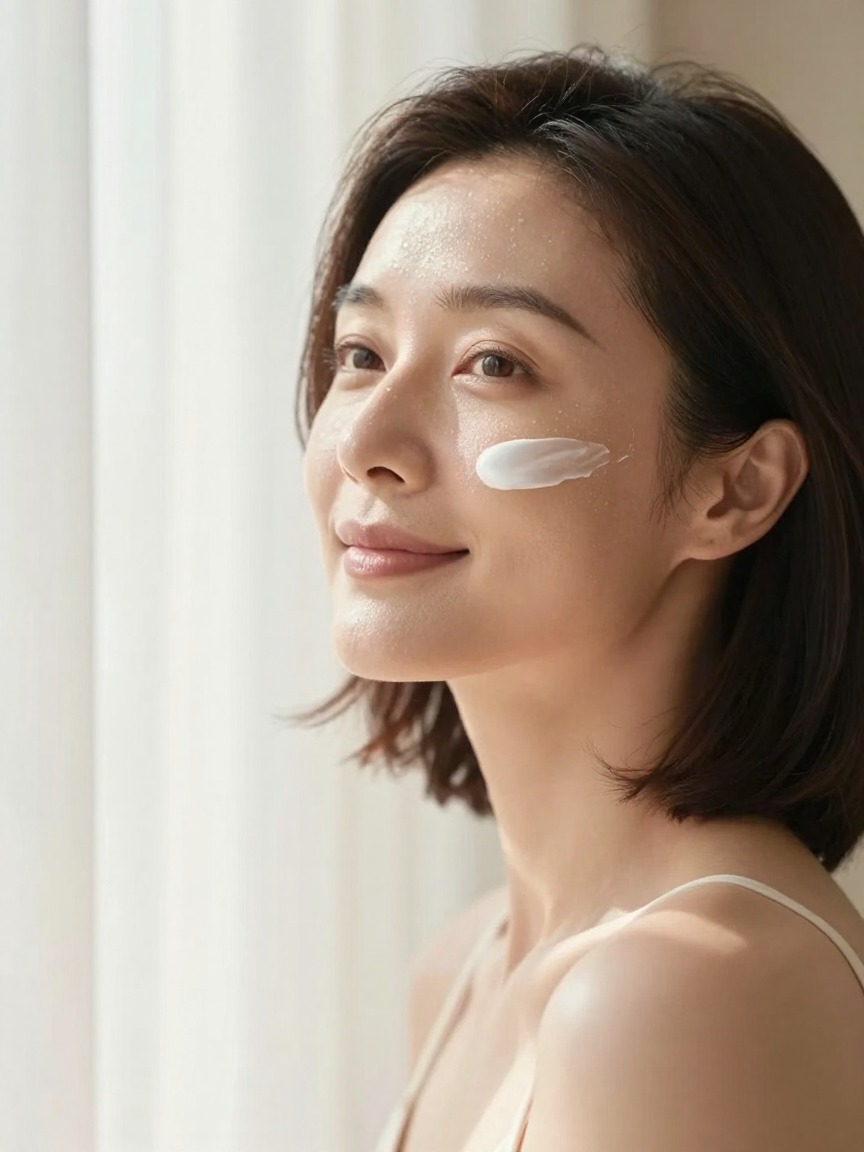
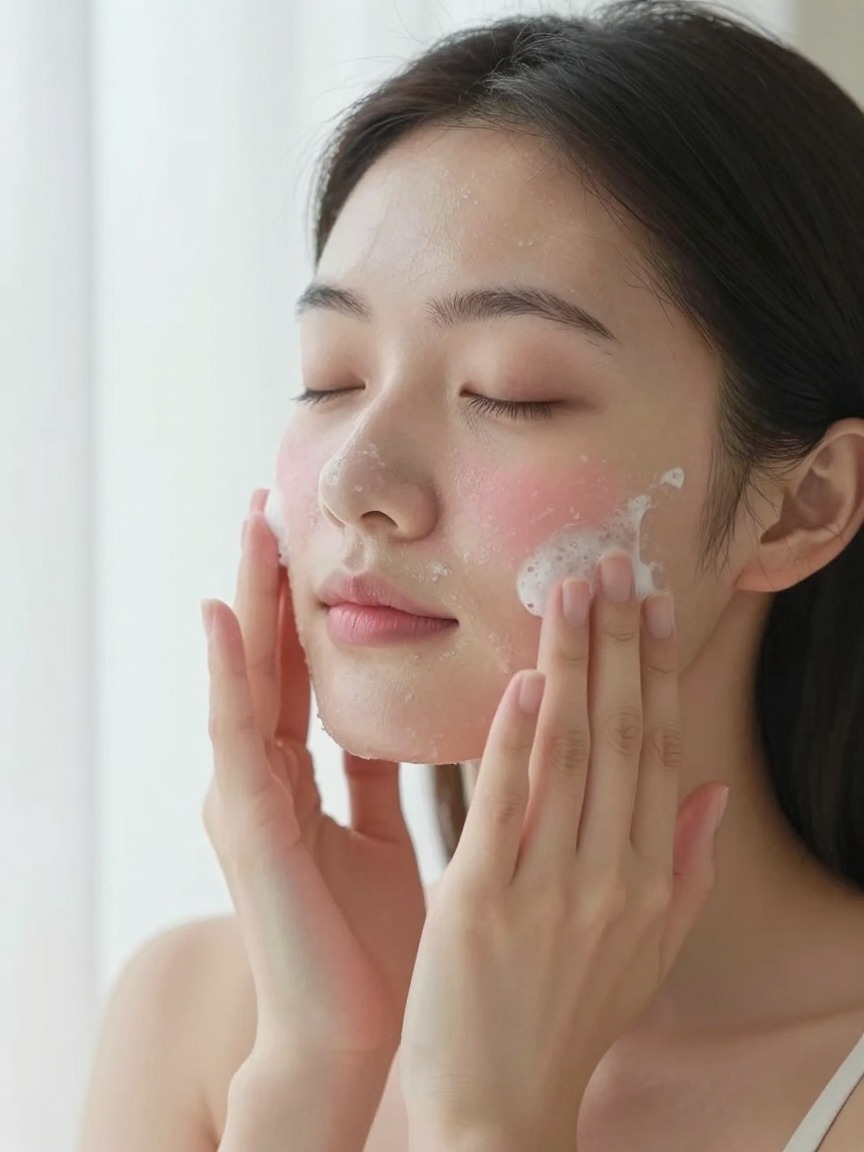
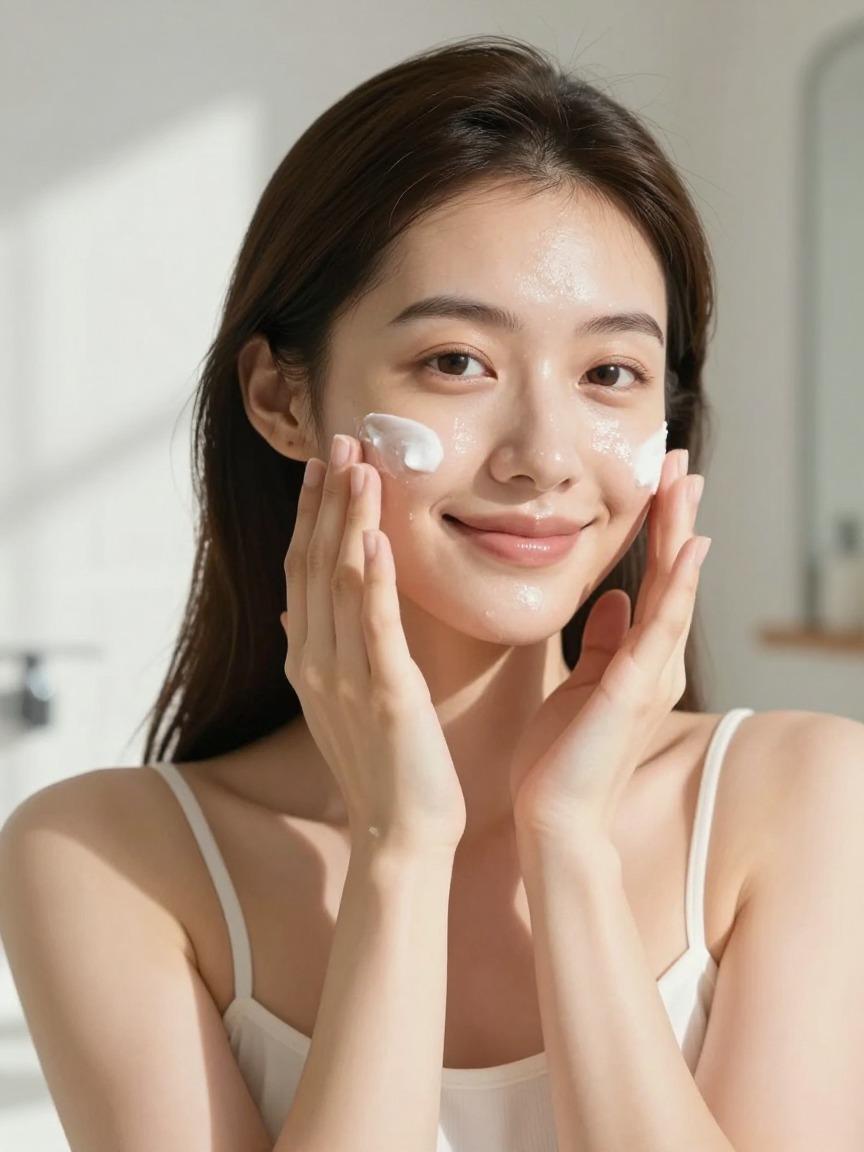
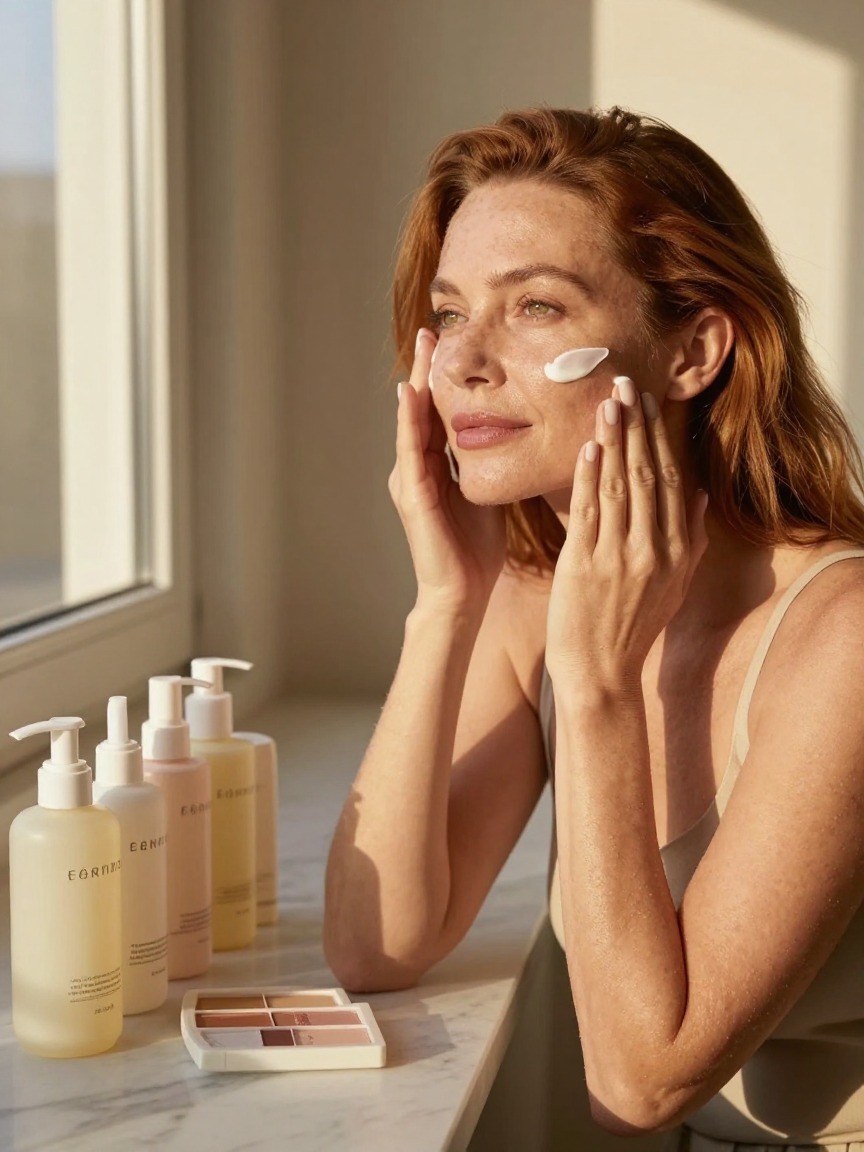
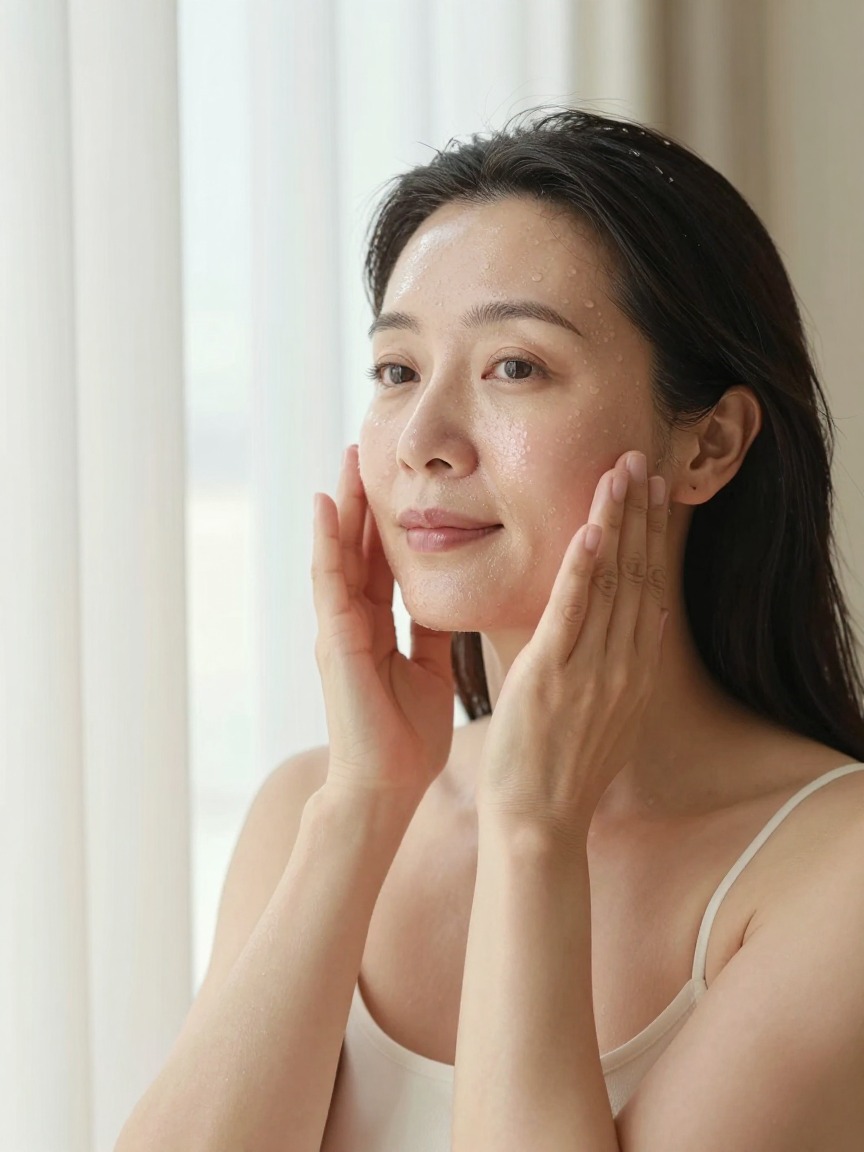
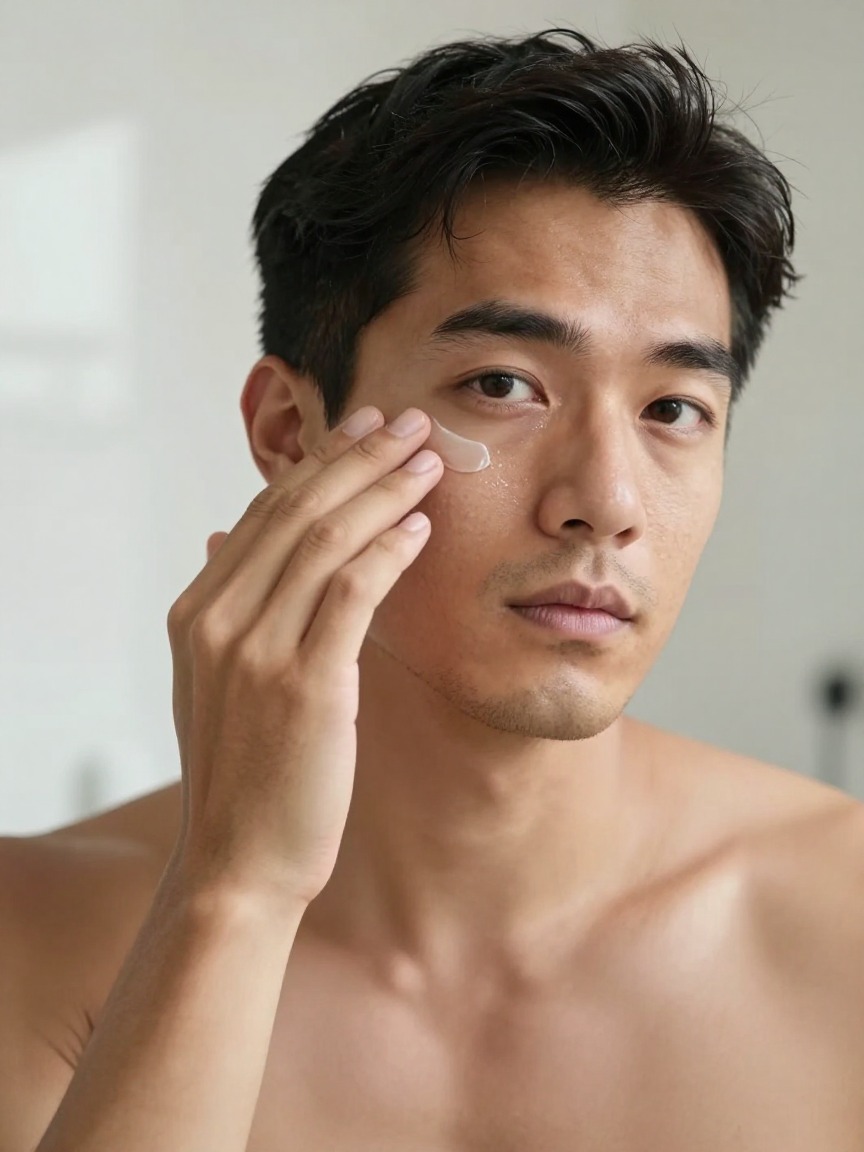
In short: A hydrating toner adds a thin layer of water-binding humectants right after cleansing. An essence is a slightly richer, hand-patted step with fermented or active ingredients that sits between toner and serum. Neither is strictly required, but layering one preps skin to absorb serum and moisturizer better. The Korean 7-skin method takes that layering to an extreme.
Affiliate disclosure: We may earn a commission from qualifying purchases made through links on this page, at no extra cost to you. Some links on this page are affiliate links.
Toners & Essences · Guide
Hydrating Toners & Essences
Recommended hydrating toners & essences
Our current top picks in this category, judged on formulation, evidence, texture and value.
Editor's Pick#1
Anyone who wants a genuinely fragrance-free, minimal-ingredient hydrating toner that works for reactive or barrier-compromised skin as well as normal skin
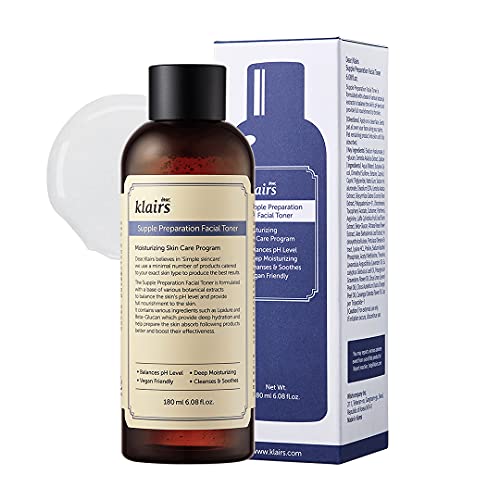
Supple Preparation Unscented Toner
Klairs (Dear, Klairs)
It pairs a short, humectant-forward ingredient list — beta-glucan, panthenol, and multiple molecular weights of hyaluronic acid — with zero fragrance. It's become a go-to recommendation across skincare communities for a reason. It does the hydration job without extra noise.
Fragrance-free and formulated for sensitive, reactive skin
Multiple molecular weights of hyaluronic acid for hydration at different skin depths
Lightweight enough to layer multiple times without pilling
It can feel slightly tacky on the skin if you don't let it fully absorb before applying makeup or the next step
It's built around one job: hydration, using multiple molecular weights of hyaluronic acid. It does that reliably at a fraction of the cost of most of this list. That's why it's stayed a cult favorite for over a decade.
Very inexpensive for the bottle size and a longtime cult favorite
Simple, short ingredient list built around hyaluronic acid
Widely available online and at Asian beauty retailers
The formula is humectant-only with nothing to seal moisture in, so in dry or low-humidity climates it needs a moisturizer layered on immediately after or it can leave skin feeling drier than before
People who want a gentle, rosewater-based toner light enough to layer multiple times without feeling heavy or sticky
Rose Deep Hydration Toner
Fresh
Its thin, quick-absorbing texture is exactly what a multi-layer approach calls for. The rosewater base gives it a genuinely pleasant, calming feel. It holds up well to repeat patting.
Very lightweight, fast-absorbing texture that layers well
Rosewater base feels calming and doesn't pill under moisturizer
Alcohol-free formula suitable for most skin types
It contains natural fragrance from rose extract, which can be a problem for people with true fragrance sensitivities even though it's a botanical ingredient
If toner makes you think of a harsh, alcohol-heavy liquid your dermatologist told you to skip, that's an outdated picture. Astringent toners built around alcohol denat. largely fell out of favor over the past decade. Pores don't actually open or close, so a toner built to "close pores" was never doing what the marketing claimed. That older category has been replaced by a very different one. Modern hydrating toners are built around humectants like hyaluronic acid, glycerin, and betaine. The job changed from stripping oil to adding water. A modern hydrating toner is closer to a very light serum than to the stinging cotton-pad liquid people remember from decades ago.
Where Essences Fit In: Fermented Ingredients Like Galactomyces & Snail Mucin
Essences arrived in Western skincare vocabulary through Korean and Japanese beauty routines. They've been a staple step there for far longer. An essence is generally a notch richer and more concentrated than a hydrating toner. It's usually formulated around fermented ingredients — galactomyces, rice ferment, snail mucin (snail secretion filtrate). Some essences use a slightly heavier blend of plain humectants instead. Brands like SK-II built an entire essence around one fermented filtrate, Pitera. COSRX built its best-known essence around a high concentration of snail mucin. An essence is almost always patted into skin with the palms rather than swept on with a cotton pad. The line between toner and essence isn't governed by any regulatory standard. The ingredient list and texture matter more than the label on the bottle. Laneige's Cream Skin Refiner is a good example of the blur, marketed as a toner but formulated to finish like a light moisturizer.
Do You Need Both a Toner and an Essence?
No. A well-formulated hydrating toner alone covers the core job for most people, most of the time. It delivers humectants to the skin before a serum or moisturizer goes on. An essence is a genuine extra layer. It adds a second dose of hydration, and for fermented formulas specifically, a smoother, slightly plumper feel over weeks. If you're new to this part of a routine, start simple. Try one hydrating toner, like a plain sodium hyaluronate formula from Hada Labo, and see how your skin responds. Add an essence later if your skin is already well-hydrated and you're chasing an incremental improvement in texture or glow.
Hyaluronic acid, often listed as sodium hyaluronate, is the most common humectant in this category. Different molecular weights hydrate at different depths of the skin's outer layers. Glycerin and betaine are reliable, well-studied humectants found in nearly every formula in this category. They often do more of the actual hydrating work than flashier ingredients further down the label.
Panthenol: A Gentle, Soothing Humectant
Panthenol, also called provitamin B5, is a humectant with a mild soothing reputation. It's common in formulas aimed at sensitive or compromised skin, often alongside beta-glucan or other calming ingredients. Klairs built its whole reputation on this exact combination, pairing panthenol and beta-glucan in a fragrance-free toner.
Galactomyces, snail mucin, and rice ferment are associated with a smoother, brighter look over consistent use. The mechanism isn't as thoroughly studied as plain humectants, but the pattern shows up consistently in user experience.
Alcohol Denat.: When to Avoid It
Alcohol denat. still shows up in some toners for a fast-drying finish. It's worth avoiding if your skin runs dry, sensitive, or reactive, since it can undercut the hydrating point of the product.
Dry and dehydrated skin benefits most from a toner or essence layered with multiple humectants. Follow it immediately with a moisturizer to lock the added water in. Skipping that follow-up step is the single most common reason people feel like a hydrating toner isn't doing anything. Oily and acne-prone skin should look for thin, water-based, alcohol-free formulas that absorb quickly without feeling heavy. Hydrating oily skin properly, rather than stripping it, actually helps regulate oil production over time. Sensitive or reactive skin should prioritize a short ingredient list. Skip fragrance and alcohol. Test rosewater or botanical-extract formulas, like Fresh's rosewater toner, cautiously, since natural ingredients can still trigger a reaction. Combination and normal skin have the most room to choose based on texture preference alone.
Cleanser, Toner, Serum, Moisturizer: Where It Fits in a Routine
The standard order is: cleanser, toner (hydrating toner), essence if you use one, serum, moisturizer, and sunscreen in the morning. Toner and essence go on damp, freshly cleansed skin. Patting rather than rubbing helps the product absorb evenly instead of sitting on the surface. Give each layer a minute or so to sink in before the next one goes on. That matters most if you're layering more than one hydrating step. That layering is the entire premise behind the Korean 7-skin method.
The Korean 7-Skin Method Explained
The Korean 7-skin method applies a thin toner in multiple light layers. That's instead of one heavier application. The theory is simple: several thin passes hydrate more evenly than a single thick one. It's a useful trick for dry or dehydrated skin during a low-humidity stretch. Most people don't need the full seven layers to feel the benefit.
Common Mistakes with Humectant Toners
The most common mistake is treating a hydrating toner as the finish line instead of a setup step. Without a moisturizer on top to trap the water these products add, that water can evaporate. Humectants can even pull moisture from deeper skin layers toward the surface first. Skin can end up feeling more dehydrated than before, especially in a dry climate or during winter. The second mistake is applying to fully dry skin. Patting product onto skin that's still slightly damp from cleansing helps it spread more evenly. It absorbs better than product applied to bone-dry skin. The third mistake is confusing a hydrating toner with an exfoliating toner. Exfoliating toners are built around glycolic, salicylic, or lactic acid, and they solve a different problem. Using one expecting the other's results leads to disappointment, or in the case of overusing an exfoliating toner, irritation.
When to See a Dermatologist
We're reviewers, not dermatologists, and nothing in this category treats, cures, or prevents a skin condition. If you're dealing with persistent redness or ongoing breakouts, see a board-certified dermatologist. The same goes for a reaction that doesn't resolve after you stop using a product, or a suspected rosacea flare. Don't try to solve it with a different toner or essence. What's covered here is choosing a good everyday hydration step, not managing a medical skin concern.
Popular picks from related categories, chosen with the same rubric.
Editor's Pick#1
Dry-to-normal sensitive skin, especially anyone also using retinoids or other actives
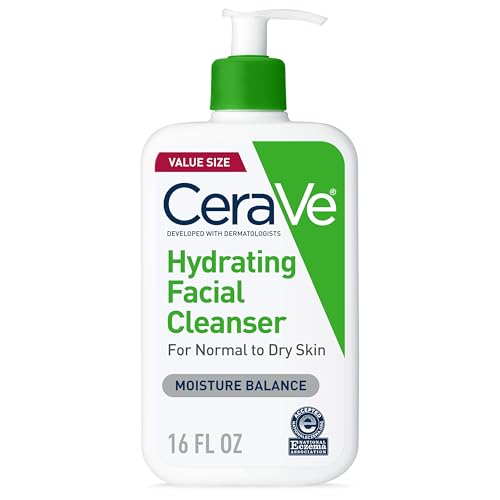
Hydrating Facial Cleanser
CeraVe
It's formulated with three ceramides, hyaluronic acid, and a National Eczema Association seal. Dermatologists mention it most often for reactive skin. It's a genuinely non-foaming, low-irritation formula that doesn't strip the barrier.
Ceramide and hyaluronic acid formula supports the skin barrier while cleansing
Fragrance-free, non-foaming, and won't disrupt a compromised moisture barrier
Budget-friendly per ounce and widely available at drugstores
Doesn't fully dissolve heavy sunscreen or long-wear makeup on its own, so double-cleansing days may need a micellar water or oil-based first step
Readers who want a well-formulated L-ascorbic acid serum without the prestige price tag
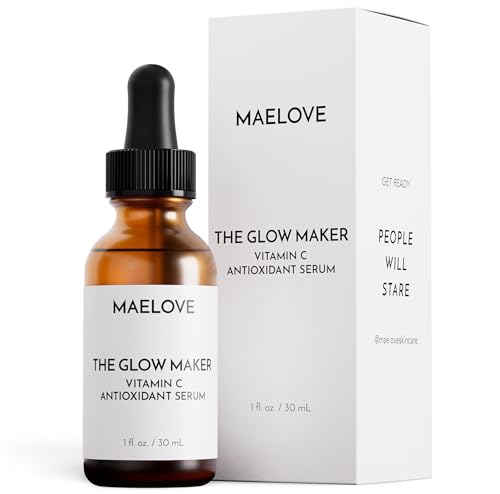
Glow Maker
Maelove
It leans on similar formulation logic to pricier serums: L-ascorbic acid plus vitamin E and ferulic acid. It costs a fraction of the price. That's why it's often called an affordable alternative to the prestige options.
Combines L-ascorbic acid with vitamin E and ferulic acid, echoing higher-end formulas
Opaque pump bottle helps limit light and air exposure
Noticeably cheaper per ounce than most L-ascorbic acid serums of similar formulation
The pump can dispense unevenly or feel like it needs priming, a minor but frequently mentioned annoyance
Normal to dry skin that wants a dermatologist-developed, fragrance-free daily moisturizer
CeraVe Moisturizing Cream
CeraVe
It pairs three essential ceramides with hyaluronic acid in a rich, fragrance-free base. Long-term users with dry, compromised skin consistently praise it. It's also inexpensive enough to use liberally.
Ceramide + hyaluronic acid formula supports the skin barrier
Fragrance-free and well-tolerated by sensitive skin
Large jar size makes it very cost-effective per ounce
The tub packaging means dipping fingers into the product, which isn't ideal for hygiene or portability
acne-prone, sensitive, or post-procedure skin that needs a dermatologist-trusted daily option
UV Clear Broad-Spectrum SPF 46
EltaMD
Dermatologists reach for EltaMD more than almost any other sunscreen. It pairs broad-spectrum zinc oxide protection with niacinamide and hyaluronic acid. The oil-free base is genuinely weightless and layers well under makeup.
Broad-spectrum SPF 46 with zinc oxide
Oil-free, non-comedogenic formula favored for acne-prone skin
Contains niacinamide and hyaluronic acid for added hydration
Pricier per ounce than most drugstore sunscreens, and the pump makes it easy to under-apply if you're not deliberate about the amount.
oily, pore-prone skin that wants a formula built specifically around pore congestion
Super Volcanic Pore Clay Mask 2X
innisfree
Two types of volcanic clay target sebum and blackheads. The texture isn't chalky or hard to remove like older clay formulas. It's also genuinely affordable for how often you'll reach for it.
Lightweight, non-cakey texture that spreads and rinses easily
Visibly reduces the look of congested pores after a single use
Priced low enough to use regularly without guilt
The mineral scent is noticeable and won't appeal to everyone
people who want the most clinically studied LED mask on the market and don't mind the price
Contour Face
Omnilux
Omnilux's LED technology is the same platform used in dermatology clinics. The Contour Face is its rigid, dermatologist-favorite home version, and it has more research behind it than most at-home competitors.
Extensive clinical research behind Omnilux's LED platform, more than most home devices
FDA-cleared for temporary reduction in the appearance of fine lines and wrinkles
Even, consistent light distance thanks to the rigid, hinged design
Rigid shell doesn't flex to different face shapes, there's no blue-light setting for acne, and it's one of the most expensive masks on the market
Affiliate disclosure: We may earn a commission from qualifying purchases made through links on this page, at no extra cost to you. Some links on this page are affiliate links.