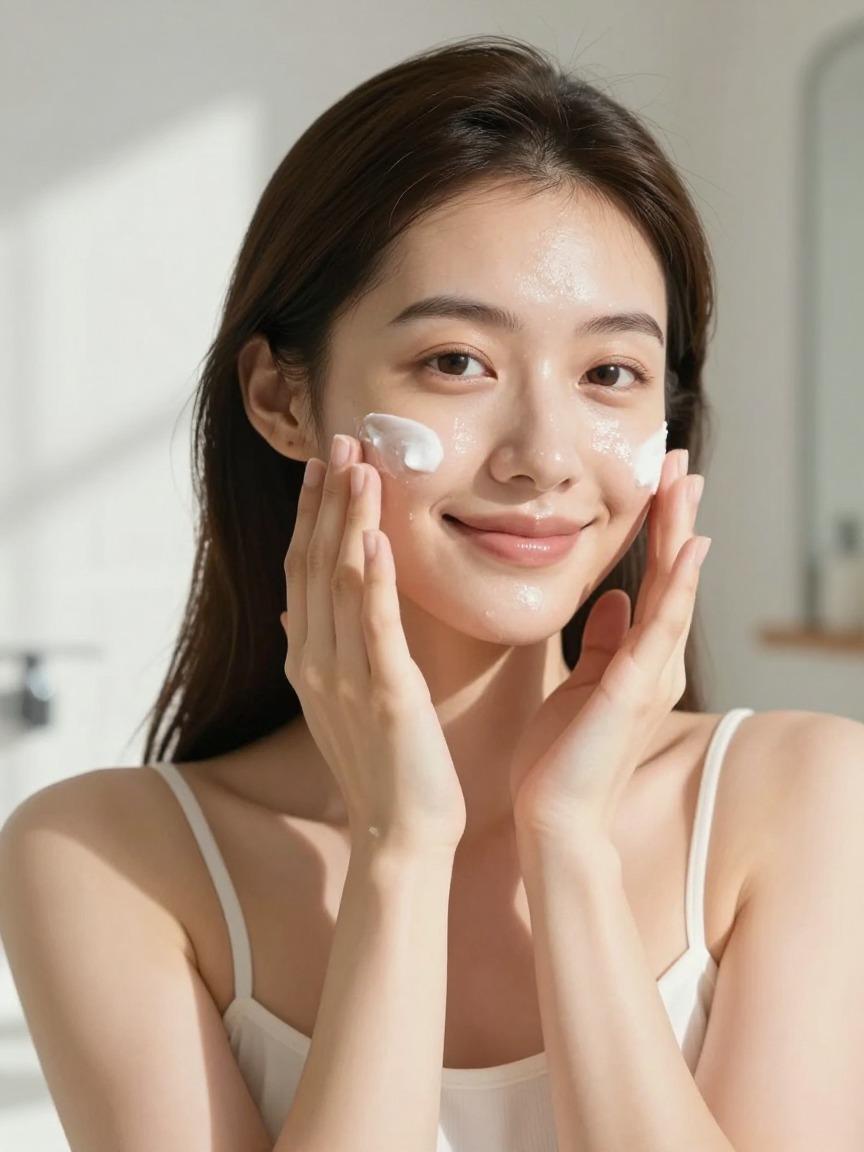
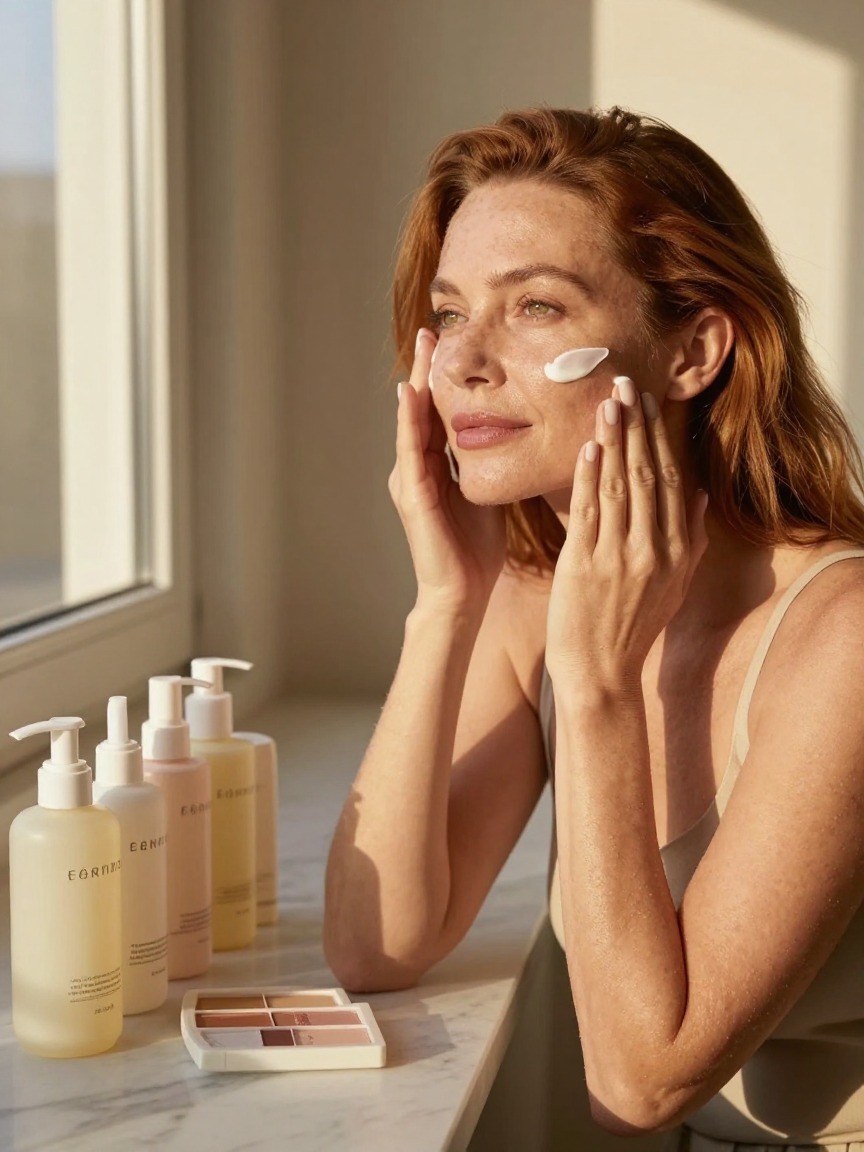
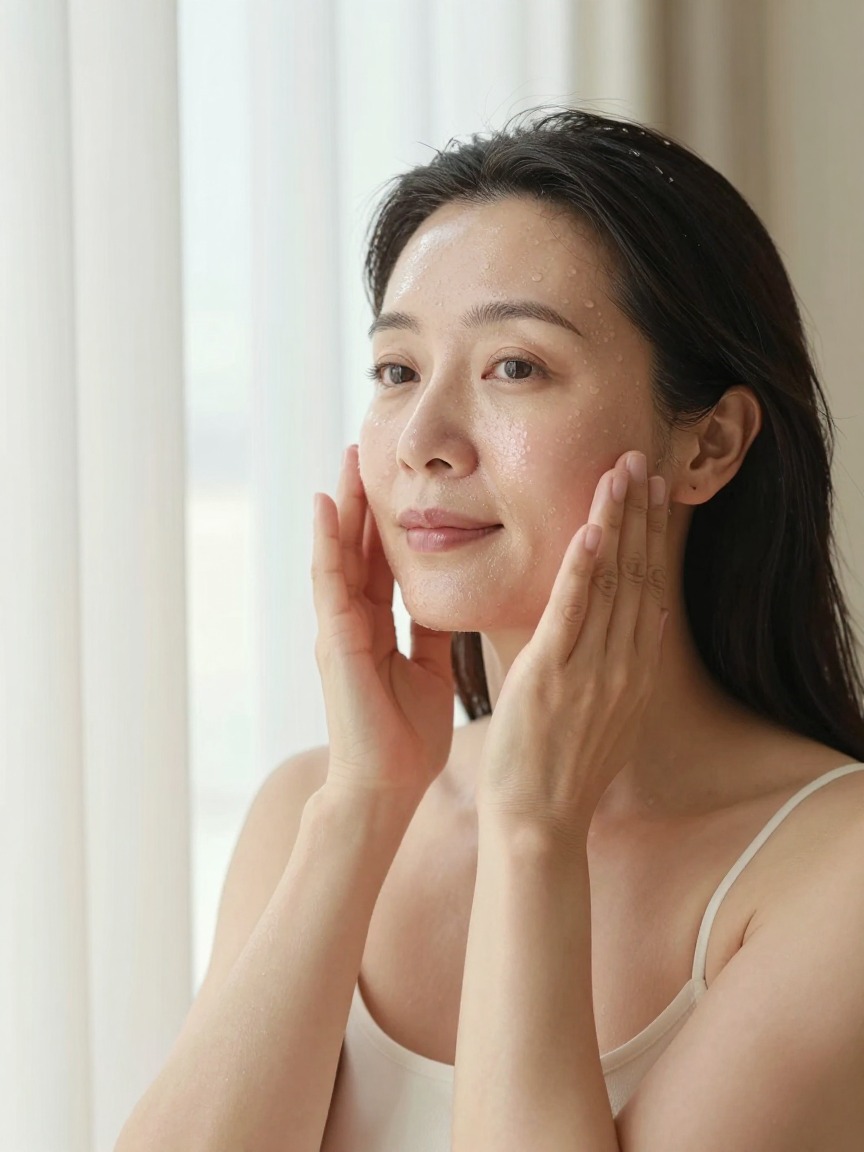
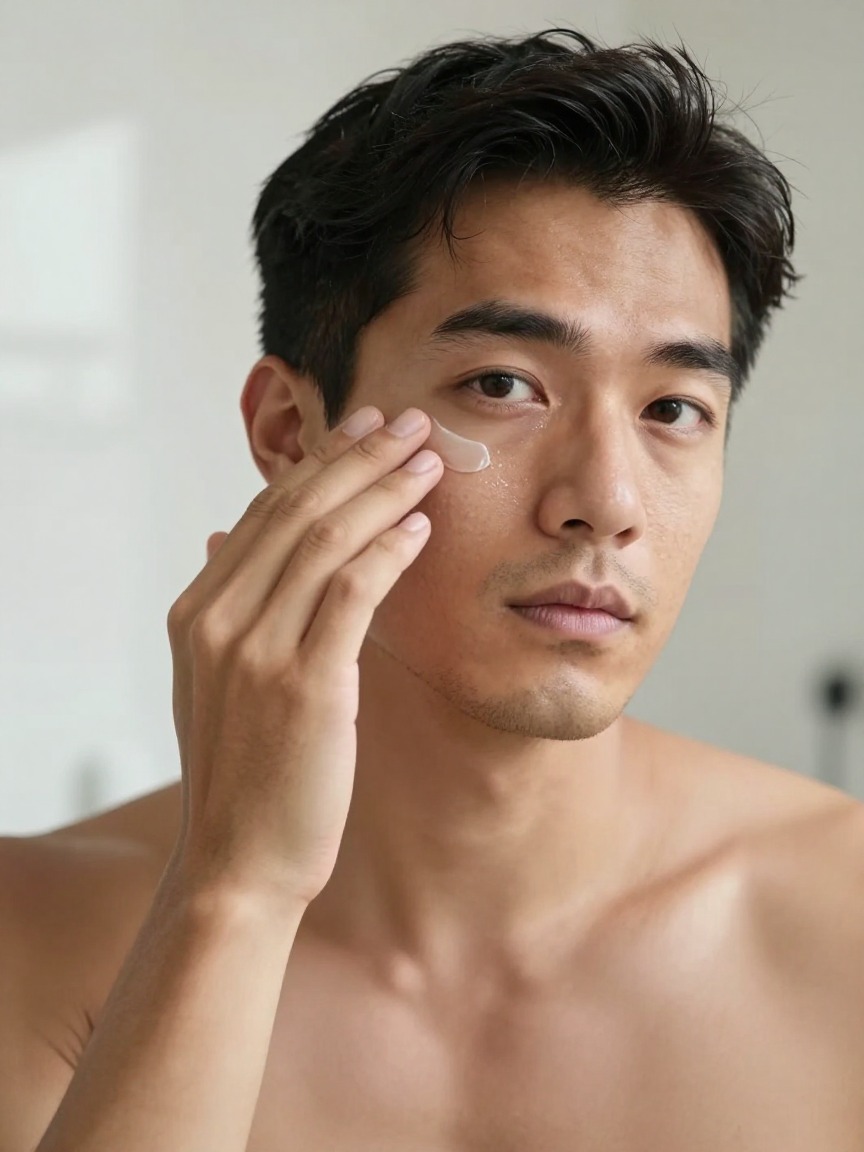
In short: A facial toner is a liquid step used right after cleansing — either a hydrating formula that replenishes moisture, or an exfoliating formula with AHAs/BHAs that clears dead skin and pores. It's optional, not mandatory, but a well-matched toner can improve texture, hydration, and how well your other products absorb.
Affiliate disclosure: We may earn a commission from qualifying purchases made through links on this page, at no extra cost to you. Some links on this page are affiliate links.
Toners & Essences · Guide
Facial Toners
Recommended facial toners
Our current top picks in this category, judged on formulation, evidence, texture and value.
Editor's Pick#1
Anyone dealing with clogged pores, blackheads, or rough, bumpy texture who wants an evidence-backed exfoliating toner
2% BHA Liquid Exfoliant
Paula's Choice
It's built around a well-studied 2% salicylic acid concentration at an effective pH. The base is fragrance-free and alcohol-free. That combination is why it's stayed a favorite among ingredient-focused shoppers for years, rather than fading as a trend.
2% salicylic acid at a pH that actually works
Fragrance-free and alcohol-free formula
Noticeably improves texture and blackheads with consistent use
The active concentration can cause redness or flaking in the first couple of weeks, so it's not the easiest starting point for very reactive or rosacea-prone skin
Sensitive, reactive, or barrier-compromised skin that wants hydration without exfoliation, fragrance, or fuss
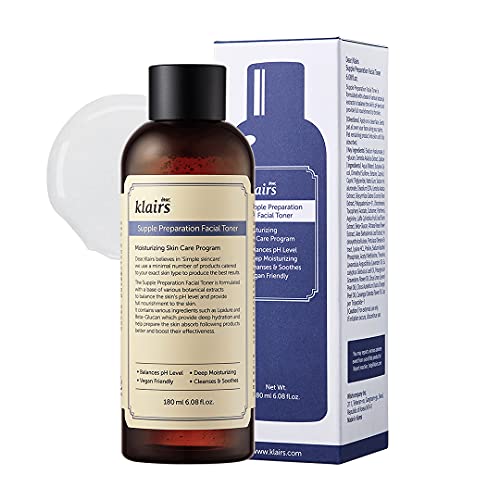
Supple Preparation Unscented Toner
Klairs
It's a purely hydrating, fragrance-free formula built around humectants and soothing plant extracts. The texture is light enough to layer without feeling sticky. That makes it a genuine staple of the K-beauty toner-first hydration method.
Fragrance-free, low-irritant formula
Lightweight enough to layer two to three times
Leaves skin visibly plumper without any active ingredients
It's purely hydrating with no exfoliating or oil-control benefit, so oily or acne-prone skin may not find it does much on its own
Budget-conscious shoppers who want a basic, alcohol-free toning step without a long ingredient list
Witch Hazel Facial Toner
Thayers
It's a drugstore-priced staple for a reason. Witch hazel extract and aloe vera sit in an alcohol-free base. Together they do a simple hydrating, mildly soothing job, without the price tag of specialty brands.
Widely available and inexpensive for the bottle size
Alcohol-free formula, gentler than old-school witch hazel astringents
Simple ingredient list with aloe vera for soothing
Witch hazel extract can still feel mildly tightening for very dry or barrier-compromised skin, even in the alcohol-free version
A facial toner is a water-based liquid. You apply it right after cleansing, before serum and moisturizer. Despite the name, it doesn't literally tone anything the way the packaging implies. It doesn't shrink pores. It isn't primarily there to reset your skin's pH, since healthy skin recovers its own pH within about an hour of cleansing regardless of what you apply. What a toner actually does depends entirely on the formula. A hydrating toner delivers a first pass of water-binding ingredients. An exfoliating toner delivers a leave-on dose of AHA or BHA acid. Both are legitimate uses of the toner format — a thin, fast-absorbing liquid applied right after cleansing — but they solve completely different problems. Treating them as interchangeable is where most toner confusion starts.
Hydrating Toners (Glycerin, Hyaluronic Acid) vs Exfoliating Toners (AHA, BHA)
Hydrating toners: glycerin, hyaluronic acid & other humectants
These are built around humectants — glycerin, hyaluronic acid, panthenol, betaine, aloe vera — that pull moisture into the top layers of skin and leave it primed to absorb serum more evenly. Formulas like Klairs' Supple Preparation Toner or Kiehl's Ultra Facial Toner are built this way. They're the toner equivalent of a pre-hydration step. They're gentle enough for daily morning-and-night use across nearly every skin type, including sensitive and reactive skin, as long as the formula is fragrance-free and alcohol-free.
These use AHAs (glycolic acid, lactic acid) or BHAs (salicylic acid, or gentler derivatives like betaine salicylate) to loosen the bonds between dead skin cells on the surface, or to work down into oil-clogged pores. Pixi's Glow Tonic (glycolic) and Paula's Choice 2% BHA Liquid Exfoliant (salicylic) are well-known examples of each acid type. They're a leave-on treatment, not a rinse-off step, so the acid keeps working after you apply it. Because they're active ingredients, they're not a twice-daily habit for most people. Three to four nights a week is a realistic, skin-barrier-friendly starting point, with room to build up gradually if your skin tolerates it well.
Dry or sensitive skin generally does best starting with a fragrance-free hydrating toner. Introduce any exfoliating acid slowly and cautiously — patch-test on your jawline first, and stop if you see redness or stinging that doesn't settle within a few minutes. Oily and acne-prone skin tends to see the clearest benefit from a BHA-based exfoliating toner, since salicylic acid is oil-soluble and can reach into congested pores in a way water-soluble AHAs can't. A combined formula like COSRX's AHA/BHA toner is a popular pick for oilier skin that wants both in one step. Combination skin often does well with a daily hydrating toner plus a couple of weekly nights of a mild AHA on the oilier zones only. Normal skin with no particular concerns has the most flexibility and can use either type based on preference and what the rest of the routine already covers.
Layering With Retinoid & Vitamin C
If you already use a retinoid at night or a vitamin C serum in the morning, be thoughtful about stacking an exfoliating toner on top of either. Retinoids and AHA/BHA toners together are usually too much for most people's skin barrier. Vitamin C can become less stable or more irritating when layered directly under or over an acid toner. A simple rule works for most routines: treat exfoliating toner and retinoid as alternatives, not a combo. Let your skin's response over a few weeks tell you whether it can handle more than that.
Where Toner Fits: Cleanser, Toner, Serum, SPF Order
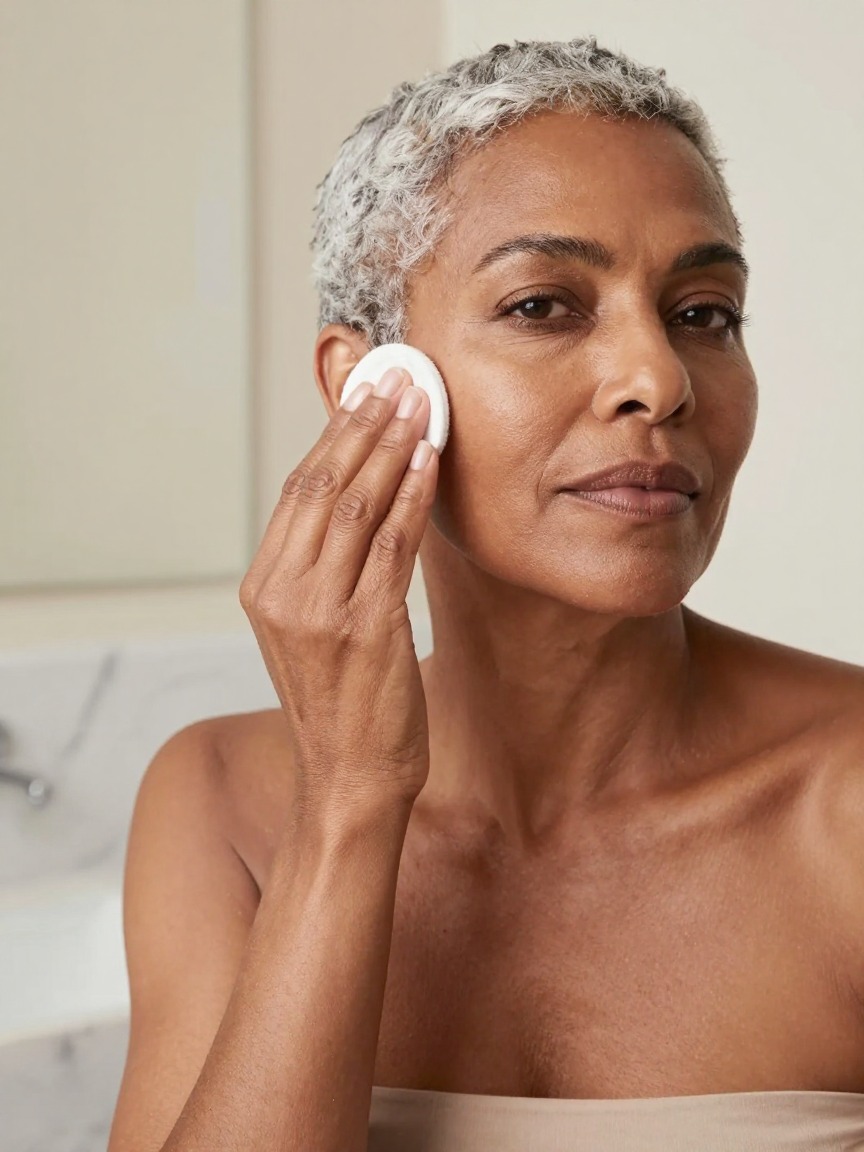
The order is simple: cleanse, then toner, then any treatment serums, then moisturizer, then SPF in the morning. Apply toner to slightly damp skin with a cotton pad or clean hands. Give it a short window — roughly 30 to 60 seconds — to absorb before layering the next product. If you're using an exfoliating toner, that's typically the only active step for the night. Skip a separate physical scrub or a second chemical exfoliant in the same session, since stacking multiple exfoliating steps is one of the fastest ways to compromise the skin barrier.
Common Mistakes With Exfoliating Toners
Treating an exfoliating toner like a hydrating one. Using a glycolic or salicylic acid toner every single day, morning and night, is a common way to end up with a compromised skin barrier — redness, flaking, and increased sensitivity to everything else in the routine.
Skipping SPF the next morning. Both AHAs and BHAs increase how easily skin sun-damages. If you use an exfoliating toner at night, daily sunscreen the next day isn't optional.
Expecting a toner to shrink pores. Pore size is largely structural and genetic. A toner can make pores look less congested by clearing built-up oil and dead skin, but it isn't physically resizing anything.
Witch Hazel, Alcohol-Free & Fragrance-Free Labels: What They Really Mean
Thayers' classic witch hazel toner is the drugstore example most people picture, and its alcohol-free version is noticeably gentler than an old-school astringent. Assuming all toners are equally gentle is a common mistake — the word toner covers both a barely-there hydrating mist and a genuine acid treatment. An alcohol-free, fragrance-free label is a better guide than the word 'toner' alone. Read the ingredient list, not just the product category, before deciding how often to use something.
When to See a Dermatologist Instead
We're reviewers, not clinicians, and a toner — hydrating or exfoliating — isn't a treatment for a diagnosed skin condition. If you're dealing with persistent acne that isn't responding to over-the-counter products, ongoing redness or flare-ups consistent with rosacea, or any reaction that doesn't settle after you stop using a product, see a board-certified dermatologist. Don't try to solve it with a stronger toner. The picks and guidance here are about choosing a solid general-purpose product, not about managing a medical skin condition.
Popular picks from related categories, chosen with the same rubric.
Editor's Pick#1
Dry-to-normal sensitive skin, especially anyone also using retinoids or other actives
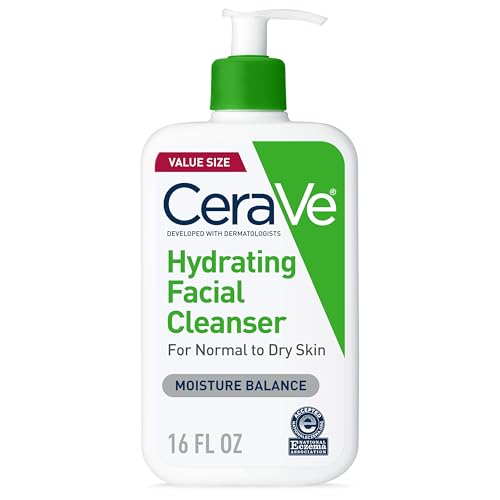
Hydrating Facial Cleanser
CeraVe
It's formulated with three ceramides, hyaluronic acid, and a National Eczema Association seal. Dermatologists mention it most often for reactive skin. It's a genuinely non-foaming, low-irritation formula that doesn't strip the barrier.
Ceramide and hyaluronic acid formula supports the skin barrier while cleansing
Fragrance-free, non-foaming, and won't disrupt a compromised moisture barrier
Budget-friendly per ounce and widely available at drugstores
Doesn't fully dissolve heavy sunscreen or long-wear makeup on its own, so double-cleansing days may need a micellar water or oil-based first step
Readers who want a well-formulated L-ascorbic acid serum without the prestige price tag
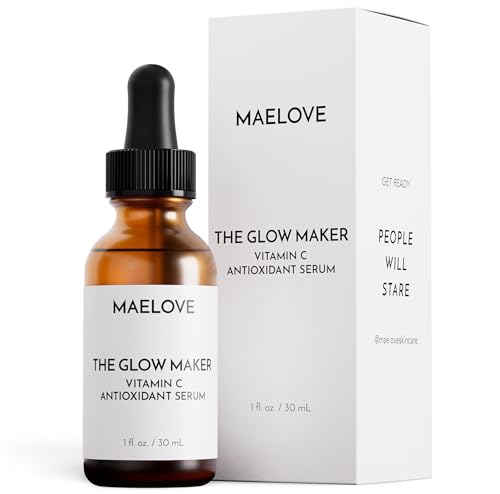
Glow Maker
Maelove
It leans on similar formulation logic to pricier serums: L-ascorbic acid plus vitamin E and ferulic acid. It costs a fraction of the price. That's why it's often called an affordable alternative to the prestige options.
Combines L-ascorbic acid with vitamin E and ferulic acid, echoing higher-end formulas
Opaque pump bottle helps limit light and air exposure
Noticeably cheaper per ounce than most L-ascorbic acid serums of similar formulation
The pump can dispense unevenly or feel like it needs priming, a minor but frequently mentioned annoyance
Normal to dry skin that wants a dermatologist-developed, fragrance-free daily moisturizer
CeraVe Moisturizing Cream
CeraVe
It pairs three essential ceramides with hyaluronic acid in a rich, fragrance-free base. Long-term users with dry, compromised skin consistently praise it. It's also inexpensive enough to use liberally.
Ceramide + hyaluronic acid formula supports the skin barrier
Fragrance-free and well-tolerated by sensitive skin
Large jar size makes it very cost-effective per ounce
The tub packaging means dipping fingers into the product, which isn't ideal for hygiene or portability
acne-prone, sensitive, or post-procedure skin that needs a dermatologist-trusted daily option
UV Clear Broad-Spectrum SPF 46
EltaMD
Dermatologists reach for EltaMD more than almost any other sunscreen. It pairs broad-spectrum zinc oxide protection with niacinamide and hyaluronic acid. The oil-free base is genuinely weightless and layers well under makeup.
Broad-spectrum SPF 46 with zinc oxide
Oil-free, non-comedogenic formula favored for acne-prone skin
Contains niacinamide and hyaluronic acid for added hydration
Pricier per ounce than most drugstore sunscreens, and the pump makes it easy to under-apply if you're not deliberate about the amount.
oily, pore-prone skin that wants a formula built specifically around pore congestion
Super Volcanic Pore Clay Mask 2X
innisfree
Two types of volcanic clay target sebum and blackheads. The texture isn't chalky or hard to remove like older clay formulas. It's also genuinely affordable for how often you'll reach for it.
Lightweight, non-cakey texture that spreads and rinses easily
Visibly reduces the look of congested pores after a single use
Priced low enough to use regularly without guilt
The mineral scent is noticeable and won't appeal to everyone
people who want the most clinically studied LED mask on the market and don't mind the price
Contour Face
Omnilux
Omnilux's LED technology is the same platform used in dermatology clinics. The Contour Face is its rigid, dermatologist-favorite home version, and it has more research behind it than most at-home competitors.
Extensive clinical research behind Omnilux's LED platform, more than most home devices
FDA-cleared for temporary reduction in the appearance of fine lines and wrinkles
Even, consistent light distance thanks to the rigid, hinged design
Rigid shell doesn't flex to different face shapes, there's no blue-light setting for acne, and it's one of the most expensive masks on the market
Affiliate disclosure: We may earn a commission from qualifying purchases made through links on this page, at no extra cost to you. Some links on this page are affiliate links.