In short: Peptide serums use short amino-acid chains to support collagen production, skin barrier function, or muscle relaxation in expression lines. They're gentler than retinoids but backed by thinner evidence, a reasonable low-irritation addition to a routine, not a replacement for sunscreen or, if tolerated, a retinoid.
Affiliate disclosure: We may earn a commission from qualifying purchases made through links on this page, at no extra cost to you. Some links on this page are affiliate links.
Serums & Treatments · Guide
Peptide Serums
Recommended peptide serums
Our current top picks in this category, judged on formulation, evidence, texture and value.
Best Splurge#2
People with an established routine who want a more advanced peptide complex and don't mind paying more for it.
Liquid Peptides
Medik8
Medik8 built this around a broader, more concentrated peptide blend aimed at multiple aging concerns at once, positioning it as a step up for people who've outgrown entry-level peptide serums.
Broader peptide complex than most drugstore options
Lightweight, fast-absorbing texture
Fits easily into a layered PM routine
Priced well above the rest of this list for gains that are still incremental, not dramatic
People who already have a moisturizer or serum they like and want to add peptides to it rather than swap products.
Peptide Booster
Paula's Choice
This is designed as a concentrated booster you mix into an existing product or use alone, so it slots into a routine instead of replacing what's already working for you.
Can be blended into other products or used solo
Contains niacinamide alongside multiple peptides
Fragrance-free formulation
The mix-in format is an extra step that some people find fiddly compared to a standalone serum
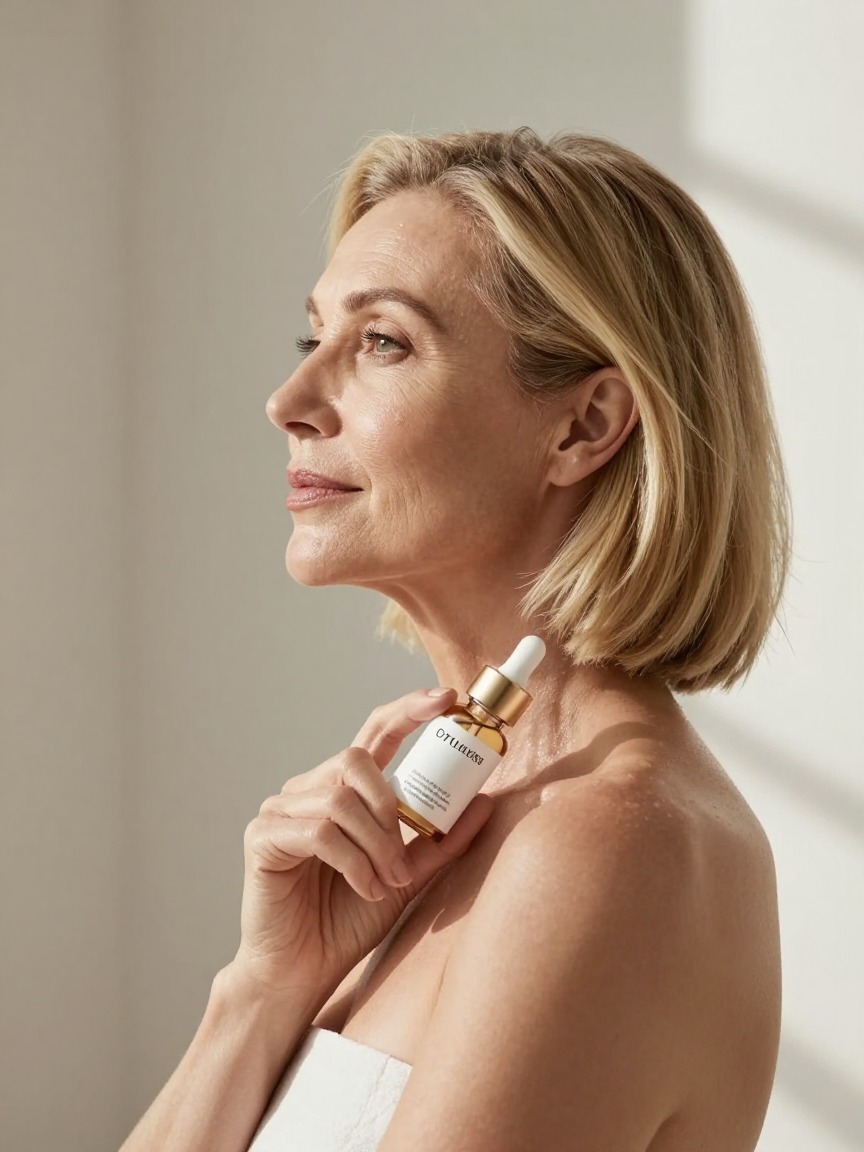
Peptides are short chains of amino acids. They're smaller fragments of the same building blocks that make up proteins like collagen and elastin. In skincare, peptides don't function as raw material the way hyaluronic acid holds water. Instead, specific peptide sequences act more like chemical messengers. Applied topically, some appear to signal skin cells to behave in particular ways. That can mean producing more collagen, calming inflammation, or relaxing the tiny muscle contractions that create expression lines. It's a genuinely interesting area of skincare science. But it's also one where the marketing has run well ahead of the evidence. Brands like The Ordinary, Medik8, Naturium, and Paula's Choice all sell peptide serums built around these mechanisms.
Signal peptides, Matrixyl, copper peptides & Argireline: the main categories
Not every peptide does the same job. Understanding the category matters more than memorizing individual ingredient names:
Signal peptides (such as palmitoyl pentapeptide, often sold under the Matrixyl name) are the most studied group. They're generally associated with supporting collagen and elastin production.
Carrier peptides (such as copper peptides) are designed to deliver trace minerals like copper to the skin. This area has roots in wound-healing research, though skincare concentrations are far lower than in clinical wound care.
Neurotransmitter-inhibiting peptides (Argireline, or acetyl hexapeptide-8, is the best known) are marketed as a topical way to relax the muscle movement behind expression lines. It's a much milder, topical echo of what injectables do. The comparison gets overstated in marketing. Actual clinical evidence for meaningful, lasting change from topical application is limited.
Enzyme-inhibitor peptides work differently. They aim to slow the breakdown of existing collagen rather than stimulate new production.
A single serum might contain one of these, or, increasingly common, a blend of several, each targeting a different mechanism.
Peptides vs retinol: collagen production, fine lines & the evidence gap
It's worth being direct here. Retinoids (retinol, tretinoin, and their relatives) have decades of large, well-designed clinical trials behind them. They show measurable improvements in fine lines, texture, and collagen production. Peptide research is real, but it's a much smaller body of work. Studies are often shorter, use smaller sample sizes, and in some cases are funded by the ingredient suppliers themselves. That doesn't make peptides useless. It means the honest framing is a gentle, well-tolerated ingredient with modest, plausible benefits. It's not a retinol alternative that works just as well without the irritation. If you can tolerate a retinol, it remains the better-evidenced choice for firmness and fine lines. Peptides suit people who can't use retinoids, or want to build up to one gradually. They're also fine for anyone who simply wants a lower-risk ingredient added to an already-working routine.
Choosing peptides for sensitive skin, firmness & skin barrier support
Most peptide serums are formulated to be broadly tolerable, which is one of their appeals:
Sensitive or reactive skin: look for fragrance-free formulas with a short ingredient list. Peptides paired with just a humectant like hyaluronic acid tend to be the gentlest starting point.
Oily or acne-prone skin: a lightweight, water-based or gel-serum texture layers more comfortably under sunscreen without adding heaviness. Niacinamide-paired formulas can be a useful two-in-one for skin barrier support.
Dry or mature skin: richer serums, or peptide moisturizers combining peptides with occlusive or emollient ingredients, may feel more comfortable. They won't need as much additional moisturizer layered on top.
Combination skin: most standard peptide serums work fine here. The bigger factor is usually the moisturizer and sunscreen you pair them with.
Layering peptides with hyaluronic acid, niacinamide & sunscreen
Peptides are generally considered compatible with most other actives, including vitamin C, niacinamide, and retinoids. That makes them easy to layer rather than something you need to alternate nights with. A typical order is cleanser, then peptide serum, then moisturizer, then sunscreen in the morning, or a night cream at night. If you're also using a retinoid, many people apply it on alternating nights, or in a separate step, to reduce irritation. Peptides themselves rarely cause the flaking or redness retinoids can.
Mistakes to avoid: wrinkles, expression lines & unrealistic claims
Expecting dramatic, fast results on wrinkles. Peptides work gradually, if at all, over weeks to months of consistent use. Anyone promising visible change in days is overselling it.
Buying based on the word "peptide" alone. Concentration, peptide type, and the rest of the formula matter more than whether the word appears on the front of the bottle.
Dropping sunscreen because you added a peptide serum. No peptide compensates for unprotected UV exposure. That remains the single largest driver of visible skin aging and deeper expression lines.
Stacking multiple new actives at once. Introduce one new product at a time so you can actually tell what's helping, and what isn't.
When to see a dermatologist about peptides instead
We're researchers and reviewers, not medical professionals, and nothing in this guide is a diagnosis or a treatment plan. That's true if you're dealing with persistent acne, an unexplained rash, or signs of rosacea. It's also true if you're considering prescription-strength retinoids or injectables. A board-certified dermatologist can give you guidance specific to your skin. No serum, peptide or otherwise, can substitute for that. It's also worth remembering peptides are a slow-and-steady category. Give any single product a full 8-12 weeks of consistent use, in the same routine, before deciding it isn't working. Keep expectations calibrated to what the research actually shows, not what the marketing on the bottle promises.
Popular picks from related categories, chosen with the same rubric.
Editor's Pick#1
Dry-to-normal sensitive skin, especially anyone also using retinoids or other actives
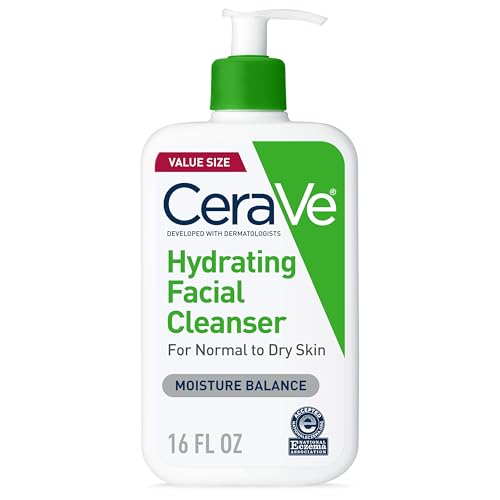
Hydrating Facial Cleanser
CeraVe
It's formulated with three ceramides, hyaluronic acid, and a National Eczema Association seal. Dermatologists mention it most often for reactive skin. It's a genuinely non-foaming, low-irritation formula that doesn't strip the barrier.
Ceramide and hyaluronic acid formula supports the skin barrier while cleansing
Fragrance-free, non-foaming, and won't disrupt a compromised moisture barrier
Budget-friendly per ounce and widely available at drugstores
Doesn't fully dissolve heavy sunscreen or long-wear makeup on its own, so double-cleansing days may need a micellar water or oil-based first step
Normal to dry skin that wants a dermatologist-developed, fragrance-free daily moisturizer
CeraVe Moisturizing Cream
CeraVe
It pairs three essential ceramides with hyaluronic acid in a rich, fragrance-free base. Long-term users with dry, compromised skin consistently praise it. It's also inexpensive enough to use liberally.
Ceramide + hyaluronic acid formula supports the skin barrier
Fragrance-free and well-tolerated by sensitive skin
Large jar size makes it very cost-effective per ounce
The tub packaging means dipping fingers into the product, which isn't ideal for hygiene or portability
acne-prone, sensitive, or post-procedure skin that needs a dermatologist-trusted daily option
UV Clear Broad-Spectrum SPF 46
EltaMD
Dermatologists reach for EltaMD more than almost any other sunscreen. It pairs broad-spectrum zinc oxide protection with niacinamide and hyaluronic acid. The oil-free base is genuinely weightless and layers well under makeup.
Broad-spectrum SPF 46 with zinc oxide
Oil-free, non-comedogenic formula favored for acne-prone skin
Contains niacinamide and hyaluronic acid for added hydration
Pricier per ounce than most drugstore sunscreens, and the pump makes it easy to under-apply if you're not deliberate about the amount.
oily, pore-prone skin that wants a formula built specifically around pore congestion
Super Volcanic Pore Clay Mask 2X
innisfree
Two types of volcanic clay target sebum and blackheads. The texture isn't chalky or hard to remove like older clay formulas. It's also genuinely affordable for how often you'll reach for it.
Lightweight, non-cakey texture that spreads and rinses easily
Visibly reduces the look of congested pores after a single use
Priced low enough to use regularly without guilt
The mineral scent is noticeable and won't appeal to everyone
Anyone dealing with clogged pores, blackheads, or rough, bumpy texture who wants an evidence-backed exfoliating toner
2% BHA Liquid Exfoliant
Paula's Choice
It's built around a well-studied 2% salicylic acid concentration at an effective pH. The base is fragrance-free and alcohol-free. That combination is why it's stayed a favorite among ingredient-focused shoppers for years, rather than fading as a trend.
2% salicylic acid at a pH that actually works
Fragrance-free and alcohol-free formula
Noticeably improves texture and blackheads with consistent use
The active concentration can cause redness or flaking in the first couple of weeks, so it's not the easiest starting point for very reactive or rosacea-prone skin
people who want the most clinically studied LED mask on the market and don't mind the price
Contour Face
Omnilux
Omnilux's LED technology is the same platform used in dermatology clinics. The Contour Face is its rigid, dermatologist-favorite home version, and it has more research behind it than most at-home competitors.
Extensive clinical research behind Omnilux's LED platform, more than most home devices
FDA-cleared for temporary reduction in the appearance of fine lines and wrinkles
Even, consistent light distance thanks to the rigid, hinged design
Rigid shell doesn't flex to different face shapes, there's no blue-light setting for acne, and it's one of the most expensive masks on the market
Affiliate disclosure: We may earn a commission from qualifying purchases made through links on this page, at no extra cost to you. Some links on this page are affiliate links.