In short: A beginner skincare routine starts with just three products: a gentle cleanser, a simple moisturizer, and daily SPF 30+ sunscreen. Use that core consistently for several weeks before adding one active at a time, like a niacinamide serum or a mild exfoliant, so you can actually tell what's working.
Affiliate disclosure: We may earn a commission from qualifying purchases made through links on this page, at no extra cost to you. Some links on this page are affiliate links.
Routines & Skin Concerns · Guide
Skincare Routine for Beginners
Recommended skincare routine for beginners
Our current top picks in this category, judged on formulation, evidence, texture and value.
Step 1: Cleanser#1
Beginners with normal-to-dry skin who want a fragrance-free, no-guesswork first cleanser
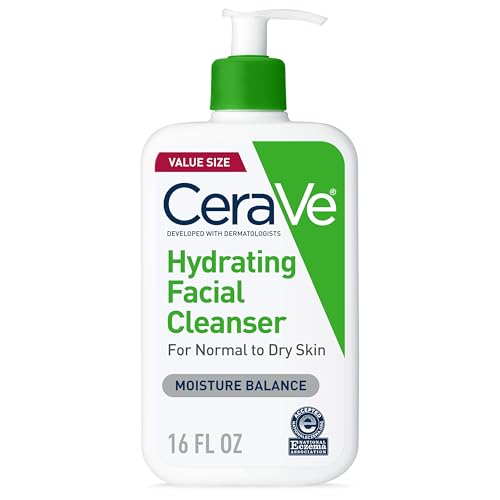
Hydrating Facial Cleanser
CeraVe
A simple ceramide-and-hyaluronic-acid formula that cleans without stripping. It's nearly impossible to get wrong as a first cleanser — exactly what a beginner routine needs.
Non-foaming, fragrance-free formula carries very low irritation risk
Ceramides help support rather than disrupt the skin barrier while cleansing
Affordable and sold at nearly every drugstore, so restocking is easy
Doesn't fully remove heavy makeup or long-wear sunscreen on its own, so makeup-wearers may eventually want a separate first-cleanse step
Beginners with normal, combination, or oily skin who want a lightweight everyday moisturizer
Daily Moisturizing Lotion
CeraVe
It pairs the same ceramide technology as the cleanser with a lighter lotion texture. That gives beginners an easy, non-greasy second step that layers cleanly under sunscreen.
Lightweight lotion absorbs quickly and layers well under sunscreen or makeup
Ceramides and hyaluronic acid support hydration without heaviness
Large pump bottle keeps the cost per use low for daily AM and PM use
Dry or dehydrated beginner skin may find it too light and need a richer cream, like CeraVe Moisturizing Cream, instead
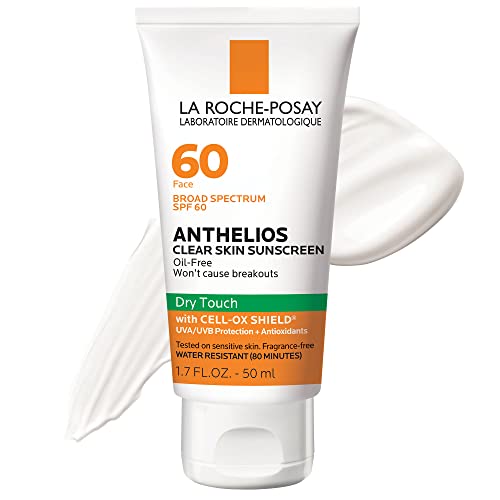
Beginners who want a daily facial sunscreen that doesn't feel heavy or greasy
Anthelios Clear Skin Oil-Free Sunscreen SPF 60
La Roche-Posay
A dedicated facial sunscreen, not a body formula repurposed for the face. Its oil-free, matte-leaning finish removes the most common excuse beginners give for skipping SPF.
Oil-free, non-greasy finish that wears well under makeup
Broad-spectrum SPF 60 gives a wide margin of protection even with imperfect application
Fast-absorbing formula that doesn't leave a heavy white cast on most skin tones
Costs more per ounce than a basic drugstore body sunscreen, and the alcohol in the formula can feel slightly drying by the end of the day for some users
How to Build a Beginner Skincare Routine: Cleanser, Moisturizer & SPF
The hardest part of starting a skincare routine isn't finding good products. It's resisting the urge to buy everything a ten-step routine seems to require. Most of what skin needs comes from a small set of basics, used correctly and consistently. This guide walks through what a beginner routine actually needs, how to layer it, and how to add your first extras without overwhelming your skin or your budget.
The Only 3 Products You Need: Cleanser, Moisturizer & Sunscreen
A complete beginner routine is a gentle cleanser, a basic moisturizer, and a broad-spectrum sunscreen. That's the entire list. A cleanser removes dirt, oil, sweat, and sunscreen residue without stripping the skin. A moisturizer replaces water and lipids that cleansing, and daily environmental exposure, removes. Sunscreen protects against UV damage, which causes the large majority of visible skin aging. It's the one step dermatologists agree matters for every skin type, every day. Nothing else is required for a genuinely good routine — a ceramide-based cleanser like CeraVe's is a common, low-risk place to start.
Identifying Oily Skin, Dry Skin, Combination Skin & Normal Skin
Before buying anything, it helps to have a rough sense of your skin type, since it shapes which cleanser texture and moisturizer weight will feel right. A simple way to check: wash your face, apply nothing, and wait 30 to 60 minutes. Skin that feels tight and looks flaky is likely dry skin. Skin that looks shiny across the forehead, nose, and chin is likely oily skin. Shine only in that T-zone, with normal or dry cheeks, points to combination skin. Skin that isn't tight or shiny, and rarely reacts to new products, is closer to normal skin. None of this needs to be precise — it's just enough to pick a lighter lotion versus a richer cream, and a gentler cleanser if skin reacts easily.
Morning & Night Order: Cleanser, Serum, Moisturizer, SPF
In the morning: cleanse, moisturize, then sunscreen last, since it needs to sit on top to do its job — a dedicated facial formula, like La Roche-Posay's Anthelios, is an easy default. At night: cleanse, then moisturize — sunscreen isn't needed after dark. Once you introduce a serum, it goes after cleansing and before moisturizer, since serums are generally thinner and meant to absorb closer to the skin. The general rule for layering multiple products is thinnest-to-thickest texture. Let each layer sit for a minute before the next, so nothing gets diluted or pushed around.
How Long to Stay Minimal Before Judging Results
Give the 3-product core at least two to four weeks before judging it, and ideally stay on it that long before adding anything new. Skin cell turnover, and visible changes in hydration, texture, or breakouts, take time to show up. Switching products too quickly means you're never testing anything long enough to know if it works. This is the step most beginners skip, and it's the one that causes the most wasted money and irritated skin.
What an Active Ingredient Is, and Why Beginners Should Wait
An active ingredient is anything formulated to change the skin in a specific way — exfoliating acids, retinoids, vitamin C, niacinamide, and similar ingredients all count. They're not inherently risky, but they're also not necessary on day one. They carry a real risk of irritation, purging, or sensitivity if introduced too fast or in combination. A cleanser and moisturizer are largely about maintenance; actives are about targeting something specific, which only makes sense once your skin has a stable baseline to react from.
Adding Niacinamide, a BHA Exfoliant & Your First Retinoid
When you're ready, add one active at a time and give it two to four weeks before adding another. Niacinamide is usually the gentlest starting point, because most skin types tolerate it well — a simple, single-ingredient formula like The Ordinary's is a low-risk way to try it. A low-strength chemical exfoliant, like a 2% BHA from Paula's Choice or a mild AHA, is a reasonable second step, used just two or three times a week rather than daily. Stronger actives — retinoids, higher-strength acids, vitamin C in unbuffered forms — are worth researching individually. They're generally better introduced after your skin has some tolerance built from gentler additions.
Layering Vitamin C & Other Actives Once You Have More Than Three Products
As the routine grows, the order stays logical: cleanser, then any water-based serum, then heavier treatments or oils, then moisturizer, then sunscreen (AM only). Avoid combining two strong actives in the same routine unless you know they're commonly paired. For example, an exfoliating acid and a retinoid on the same night is a common cause of irritation for beginners, and most guidance suggests alternating nights instead.
Common Mistakes: Skipping SPF & Ignoring UV Damage
Adding a new product every time skin looks slightly off, rather than giving the current routine time to work
Skipping sunscreen because skin "doesn't burn easily" — UV damage accumulates regardless of visible burning
Layering too many actives at once and not being able to tell which one caused a reaction
Copying a routine built for a different skin type or concern instead of starting with the basics
Expecting overnight results instead of the four-to-twelve-week timeline skin actually works on
Patch Testing New Actives & When to See a Dermatologist
Before adding any new active to your full face, patch test it on your inner forearm for three to five days and watch for redness or itching. We're reviewers, not dermatologists, and a generic starter routine isn't a substitute for individual care. If you're dealing with persistent acne, ongoing redness or reactivity, a suspected allergic reaction, or a condition like eczema or rosacea, a board-certified dermatologist can identify what's actually going on. That's safer and faster than testing more over-the-counter products on your own.
Popular picks from related categories, chosen with the same rubric.
Editor's Pick#1
Dry-to-normal sensitive skin, especially anyone also using retinoids or other actives
Hydrating Facial Cleanser
CeraVe
It's formulated with three ceramides, hyaluronic acid, and a National Eczema Association seal. Dermatologists mention it most often for reactive skin. It's a genuinely non-foaming, low-irritation formula that doesn't strip the barrier.
Ceramide and hyaluronic acid formula supports the skin barrier while cleansing
Fragrance-free, non-foaming, and won't disrupt a compromised moisture barrier
Budget-friendly per ounce and widely available at drugstores
Doesn't fully dissolve heavy sunscreen or long-wear makeup on its own, so double-cleansing days may need a micellar water or oil-based first step
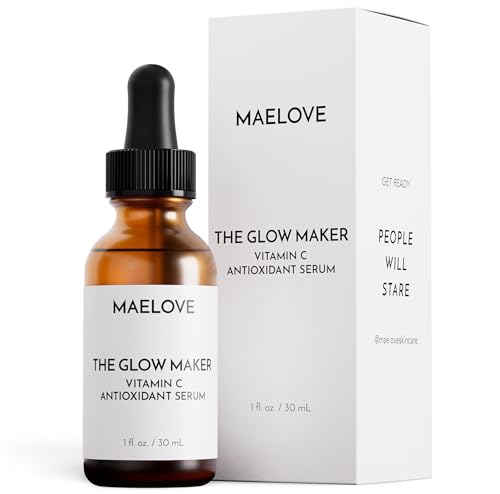
Readers who want a well-formulated L-ascorbic acid serum without the prestige price tag
Glow Maker
Maelove
It leans on similar formulation logic to pricier serums: L-ascorbic acid plus vitamin E and ferulic acid. It costs a fraction of the price. That's why it's often called an affordable alternative to the prestige options.
Combines L-ascorbic acid with vitamin E and ferulic acid, echoing higher-end formulas
Opaque pump bottle helps limit light and air exposure
Noticeably cheaper per ounce than most L-ascorbic acid serums of similar formulation
The pump can dispense unevenly or feel like it needs priming, a minor but frequently mentioned annoyance
Normal to dry skin that wants a dermatologist-developed, fragrance-free daily moisturizer
CeraVe Moisturizing Cream
CeraVe
It pairs three essential ceramides with hyaluronic acid in a rich, fragrance-free base. Long-term users with dry, compromised skin consistently praise it. It's also inexpensive enough to use liberally.
Ceramide + hyaluronic acid formula supports the skin barrier
Fragrance-free and well-tolerated by sensitive skin
Large jar size makes it very cost-effective per ounce
The tub packaging means dipping fingers into the product, which isn't ideal for hygiene or portability
acne-prone, sensitive, or post-procedure skin that needs a dermatologist-trusted daily option
UV Clear Broad-Spectrum SPF 46
EltaMD
Dermatologists reach for EltaMD more than almost any other sunscreen. It pairs broad-spectrum zinc oxide protection with niacinamide and hyaluronic acid. The oil-free base is genuinely weightless and layers well under makeup.
Broad-spectrum SPF 46 with zinc oxide
Oil-free, non-comedogenic formula favored for acne-prone skin
Contains niacinamide and hyaluronic acid for added hydration
Pricier per ounce than most drugstore sunscreens, and the pump makes it easy to under-apply if you're not deliberate about the amount.
oily, pore-prone skin that wants a formula built specifically around pore congestion
Super Volcanic Pore Clay Mask 2X
innisfree
Two types of volcanic clay target sebum and blackheads. The texture isn't chalky or hard to remove like older clay formulas. It's also genuinely affordable for how often you'll reach for it.
Lightweight, non-cakey texture that spreads and rinses easily
Visibly reduces the look of congested pores after a single use
Priced low enough to use regularly without guilt
The mineral scent is noticeable and won't appeal to everyone
Anyone dealing with clogged pores, blackheads, or rough, bumpy texture who wants an evidence-backed exfoliating toner
2% BHA Liquid Exfoliant
Paula's Choice
It's built around a well-studied 2% salicylic acid concentration at an effective pH. The base is fragrance-free and alcohol-free. That combination is why it's stayed a favorite among ingredient-focused shoppers for years, rather than fading as a trend.
2% salicylic acid at a pH that actually works
Fragrance-free and alcohol-free formula
Noticeably improves texture and blackheads with consistent use
The active concentration can cause redness or flaking in the first couple of weeks, so it's not the easiest starting point for very reactive or rosacea-prone skin
Affiliate disclosure: We may earn a commission from qualifying purchases made through links on this page, at no extra cost to you. Some links on this page are affiliate links.