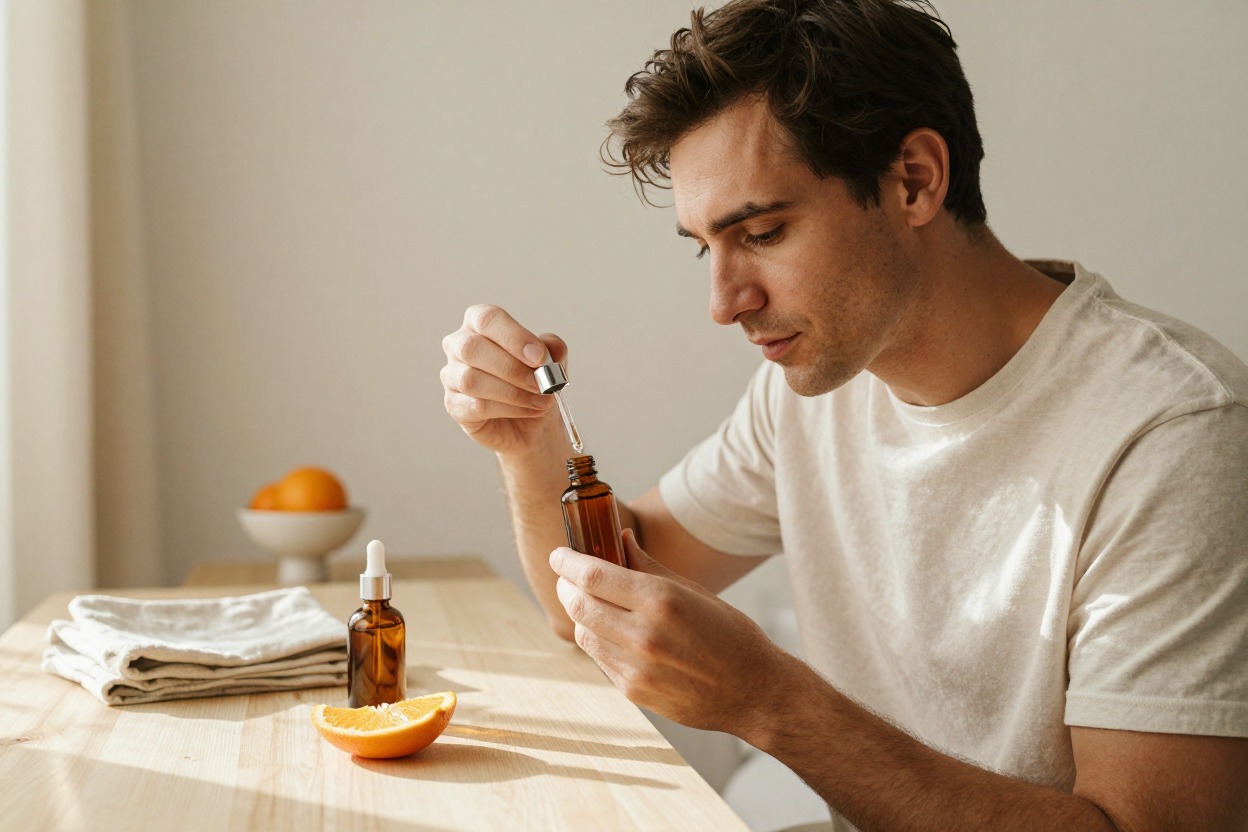
In short: A vitamin C serum is a leave-on antioxidant treatment, usually built around L-ascorbic acid or a gentler derivative, applied in the morning to brighten dull skin, even out tone, and add antioxidant support under sunscreen. Concentration and stability matter more than marketing claims - and it's a cosmetic step, not a treatment for diagnosed skin conditions.
Affiliate disclosure: We may earn a commission from qualifying purchases made through links on this page, at no extra cost to you. Some links on this page are affiliate links.
Serums & Treatments · Guide
Vitamin C Serums
Recommended vitamin c serums
Our current top picks in this category, judged on formulation, evidence, texture and value.
Best Value#2
Readers who want a well-formulated L-ascorbic acid serum without the prestige price tag
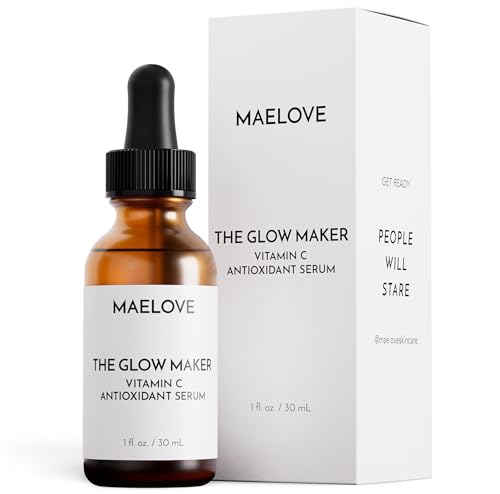
Glow Maker
Maelove
It leans on similar formulation logic to pricier serums: L-ascorbic acid plus vitamin E and ferulic acid. It costs a fraction of the price. That's why it's often called an affordable alternative to the prestige options.
Combines L-ascorbic acid with vitamin E and ferulic acid, echoing higher-end formulas
Opaque pump bottle helps limit light and air exposure
Noticeably cheaper per ounce than most L-ascorbic acid serums of similar formulation
The pump can dispense unevenly or feel like it needs priming, a minor but frequently mentioned annoyance
People who want vitamin C but don't want it competing with an already-dry or barrier-compromised routine
Skin Renewing Vitamin C Serum
CeraVe
It pairs 10% L-ascorbic acid with hyaluronic acid and CeraVe's ceramide complex. That means it brightens without skipping the hydration and barrier support drier skin needs.
10% L-ascorbic acid alongside hyaluronic acid for hydration
Includes CeraVe's three-ceramide blend to support the skin barrier
Widely available at drugstore price points
Comes in a squeeze tube rather than an airless pump, so more air gets in with each use, which can shorten how long it stays fresh
Reactive or easily irritated skin that still wants to try L-ascorbic acid rather than a derivative
Pure Vitamin C10 Serum
La Roche-Posay
It keeps the formula minimal: 10% pure vitamin C plus soothing neurosensine. That makes it one of the more tolerable pure-ascorbic-acid options for sensitive users to start with.
Fragrance-free formula aimed at sensitive skin
10% concentration is a reasonable starting point rather than an aggressive one
Backed by La Roche-Posay's dermatologist-tested, sensitive-skin-focused formulation approach
Some users find the texture sits slightly tacky before it fully absorbs
What a vitamin C serum actually does: brightening, antioxidant defense, dark spots & hyperpigmentation
Vitamin C (ascorbic acid and its derivatives) is one of the better-studied antioxidants in skincare. Applied topically, it helps neutralize free radicals from UV exposure and pollution. It also supports the skin's own collagen-production pathway. And it can visibly even out tone by interrupting the pigment process behind dark spots and dullness. It doesn't replace sunscreen - nothing does. But used underneath one, it adds a layer of antioxidant defense sunscreen alone doesn't provide.
What it won't do: erase deep wrinkles overnight or treat active acne. It also won't resolve a diagnosed pigmentation disorder like melasma on its own. Those claims show up in marketing more than in evidence. If you're dealing with a persistent skin condition rather than ordinary dullness, see a dermatologist - a serum isn't the right next step for that.
The forms of vitamin C you'll actually see on labels
L-ascorbic acid & pH: the most-researched, least stable form
This is the form with the deepest research base. It's the active ingredient in most studies behind vitamin C's brightening and antioxidant benefits. It's also unstable - it degrades when exposed to light, air, and heat. And it needs a fairly acidic formula, a low pH, to absorb well. That's part of why it can sting slightly, especially on first use or around the eye area.
Ingredients like sodium ascorbyl phosphate, magnesium ascorbyl phosphate, ascorbyl glucoside, and tetrahexyldecyl ascorbate (THD ascorbate) are chemically modified forms. They're more stable and gentler. They're also formulated at a more skin-neutral pH. They're a reasonable choice for sensitive skin or as a lower-commitment starting point. But the research supporting their real-world effectiveness is thinner than for L-ascorbic acid. Much of it comes from smaller or industry-funded studies.
How to choose one for your skin type
Normal or combination skin: concentration & vitamin E, ferulic acid picks
Most people in this category can tolerate a straightforward 10-15% L-ascorbic acid serum without much trouble. This concentration range delivers meaningful potency without the diminishing-returns, high-irritation territory above roughly 20%. A formula that also pairs vitamin E and ferulic acid tends to perform even better.
Sensitive skin: derivative forms & lower concentration
Start with a derivative form, or a lower percentage of L-ascorbic acid around 5-10%. Ideally, choose a formula that also includes soothing or barrier-supporting ingredients. La Roche-Posay's Pure Vitamin C10 is one example built around this approach. Patch test on the inner arm for a few days before applying to your face. Introduce it a few times a week before working up to daily use.
Dry skin: hydrating formulas that pull double duty
Look for a vitamin C serum formulated alongside hydrating ingredients like hyaluronic acid or ceramides. That beats layering a bare-bones serum under moisturizer and hoping it's enough. CeraVe's vitamin C serum, paired with ceramides and hyaluronic acid, is one example. A serum that does double duty tends to fit a dry-skin routine more comfortably.
Vitamin C itself isn't comedogenic. But the base formula matters more than the vitamin C content for oily skin. Watch for oils, silicones, and added fragrance in particular. Lighter, water- or gel-based serums layer better under sunscreen and makeup without adding shine.
Where it fits in a routine: sunscreen, pH & morning application
Vitamin C is typically an AM step. The order is: cleanse, tone if needed, vitamin C serum on dry skin, moisturizer, then sunscreen. Applying it in the morning takes advantage of its antioxidant role against daytime stress. Layering sunscreen over it is non-negotiable. Vitamin C supplements sun protection - it doesn't substitute for it.
Give a new serum a full absorption window, a minute or two. Then layer the next product. Introduce it gradually if you're also using other actives, like exfoliating acids or retinoids. Don't add everything to your routine at once.
What to look for beyond the vitamin C itself: packaging & oxidation
Formulation quality often shows up in the supporting ingredients and packaging, not just the headline percentage. A vitamin E and ferulic acid combination alongside L-ascorbic acid has research behind it. It suggests improved stability and antioxidant effect compared to vitamin C alone. That trio shows up in serums like SkinCeuticals C E Ferulic. The more affordable Maelove Glow Maker uses it too. Hyaluronic acid or glycerin can offset the slightly drying feel some L-ascorbic acid formulas have. Packaging matters more than most shoppers expect. Opaque or amber glass, airless pumps, and a tightly sealed cap all slow that oxidation. It's what quietly degrades a serum before the bottle is empty. A serum in a clear jar on an open shelf is fighting an uphill battle. That's true no matter how good the formula is on paper.
Mistakes that undercut a good serum
Storing it somewhere warm or sunlit, like a bathroom shelf, speeds up degradation.
Ignoring color change - a serum turned yellow, orange, or brown has oxidized and lost potency.
Assuming a higher percentage always means better results - past a point it mostly raises irritation.
Skipping sunscreen because the serum has antioxidants - antioxidants and UV filters do different jobs.
Introducing several new actives at once, like vitamin C, a retinoid, and an acid exfoliant. That makes it hard to tell what's causing any irritation.
When to see a dermatologist instead
A vitamin C serum is a cosmetic antioxidant step, not a medical treatment. Persistent hyperpigmentation, melasma, or active acne calls for a board-certified dermatologist. So do rosacea flares - not a shelf of serums. The same goes for any reaction that doesn't settle within a few days of stopping use. As reviewers, our job is to evaluate formulation and value. We're not here to diagnose or promise it will resolve a skin condition.
Popular picks from related categories, chosen with the same rubric.
Editor's Pick#1
Dry-to-normal sensitive skin, especially anyone also using retinoids or other actives
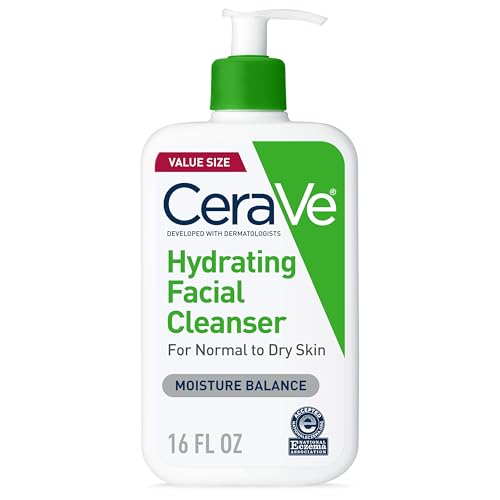
Hydrating Facial Cleanser
CeraVe
It's formulated with three ceramides, hyaluronic acid, and a National Eczema Association seal. Dermatologists mention it most often for reactive skin. It's a genuinely non-foaming, low-irritation formula that doesn't strip the barrier.
Ceramide and hyaluronic acid formula supports the skin barrier while cleansing
Fragrance-free, non-foaming, and won't disrupt a compromised moisture barrier
Budget-friendly per ounce and widely available at drugstores
Doesn't fully dissolve heavy sunscreen or long-wear makeup on its own, so double-cleansing days may need a micellar water or oil-based first step
Normal to dry skin that wants a dermatologist-developed, fragrance-free daily moisturizer
CeraVe Moisturizing Cream
CeraVe
It pairs three essential ceramides with hyaluronic acid in a rich, fragrance-free base. Long-term users with dry, compromised skin consistently praise it. It's also inexpensive enough to use liberally.
Ceramide + hyaluronic acid formula supports the skin barrier
Fragrance-free and well-tolerated by sensitive skin
Large jar size makes it very cost-effective per ounce
The tub packaging means dipping fingers into the product, which isn't ideal for hygiene or portability
acne-prone, sensitive, or post-procedure skin that needs a dermatologist-trusted daily option
UV Clear Broad-Spectrum SPF 46
EltaMD
Dermatologists reach for EltaMD more than almost any other sunscreen. It pairs broad-spectrum zinc oxide protection with niacinamide and hyaluronic acid. The oil-free base is genuinely weightless and layers well under makeup.
Broad-spectrum SPF 46 with zinc oxide
Oil-free, non-comedogenic formula favored for acne-prone skin
Contains niacinamide and hyaluronic acid for added hydration
Pricier per ounce than most drugstore sunscreens, and the pump makes it easy to under-apply if you're not deliberate about the amount.
oily, pore-prone skin that wants a formula built specifically around pore congestion
Super Volcanic Pore Clay Mask 2X
innisfree
Two types of volcanic clay target sebum and blackheads. The texture isn't chalky or hard to remove like older clay formulas. It's also genuinely affordable for how often you'll reach for it.
Lightweight, non-cakey texture that spreads and rinses easily
Visibly reduces the look of congested pores after a single use
Priced low enough to use regularly without guilt
The mineral scent is noticeable and won't appeal to everyone
Anyone dealing with clogged pores, blackheads, or rough, bumpy texture who wants an evidence-backed exfoliating toner
2% BHA Liquid Exfoliant
Paula's Choice
It's built around a well-studied 2% salicylic acid concentration at an effective pH. The base is fragrance-free and alcohol-free. That combination is why it's stayed a favorite among ingredient-focused shoppers for years, rather than fading as a trend.
2% salicylic acid at a pH that actually works
Fragrance-free and alcohol-free formula
Noticeably improves texture and blackheads with consistent use
The active concentration can cause redness or flaking in the first couple of weeks, so it's not the easiest starting point for very reactive or rosacea-prone skin
people who want the most clinically studied LED mask on the market and don't mind the price
Contour Face
Omnilux
Omnilux's LED technology is the same platform used in dermatology clinics. The Contour Face is its rigid, dermatologist-favorite home version, and it has more research behind it than most at-home competitors.
Extensive clinical research behind Omnilux's LED platform, more than most home devices
FDA-cleared for temporary reduction in the appearance of fine lines and wrinkles
Even, consistent light distance thanks to the rigid, hinged design
Rigid shell doesn't flex to different face shapes, there's no blue-light setting for acne, and it's one of the most expensive masks on the market
Affiliate disclosure: We may earn a commission from qualifying purchases made through links on this page, at no extra cost to you. Some links on this page are affiliate links.