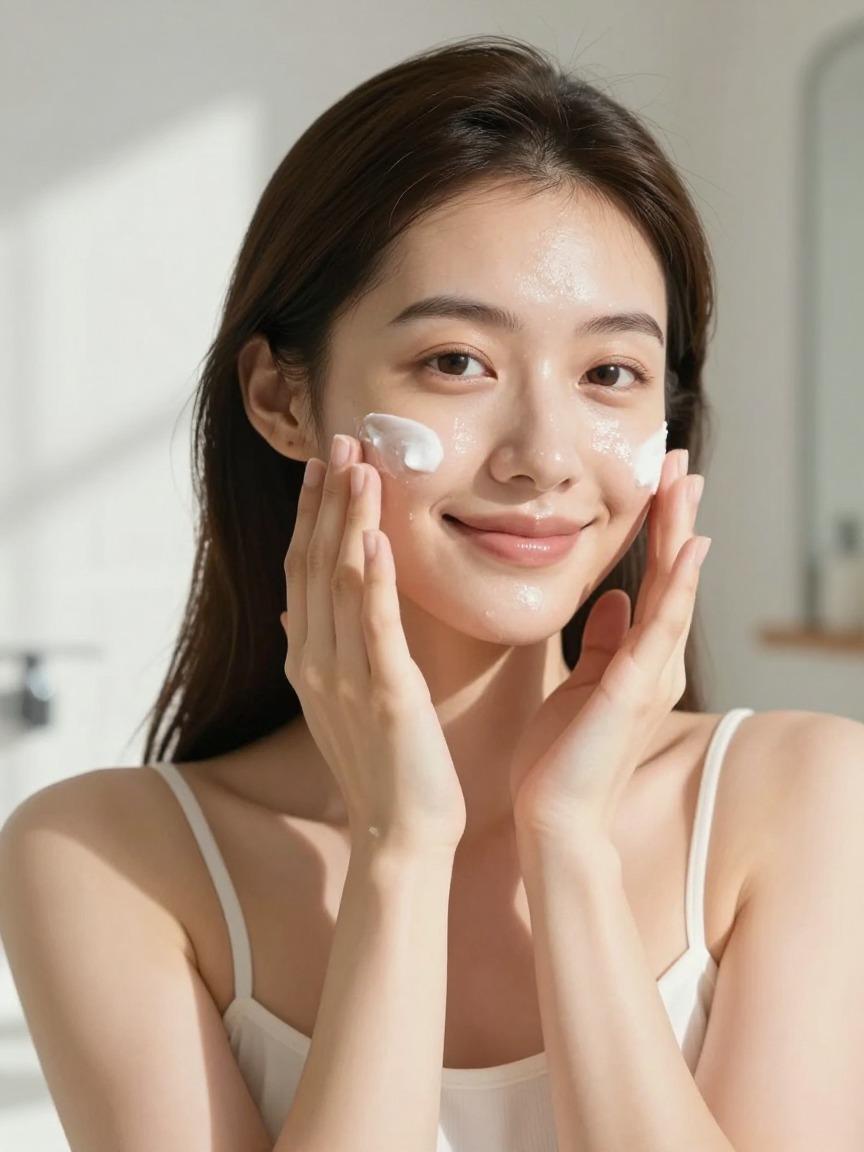
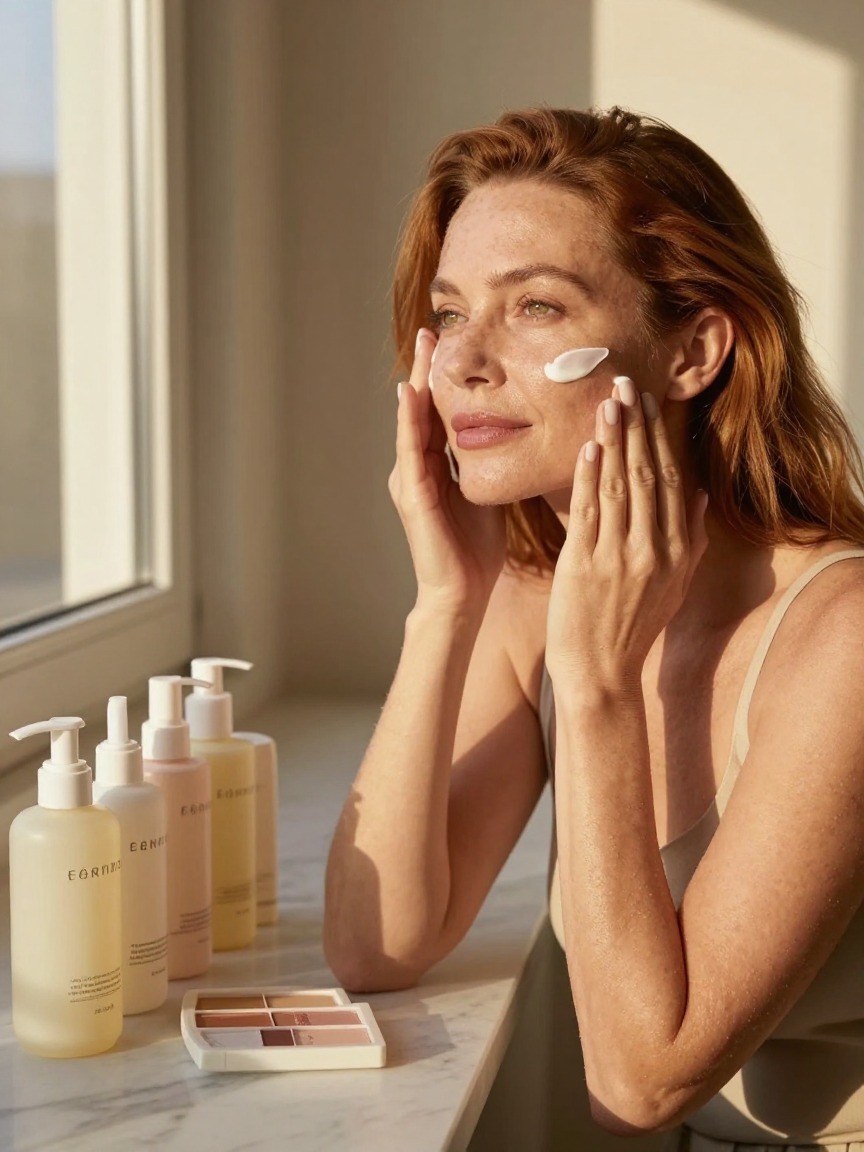
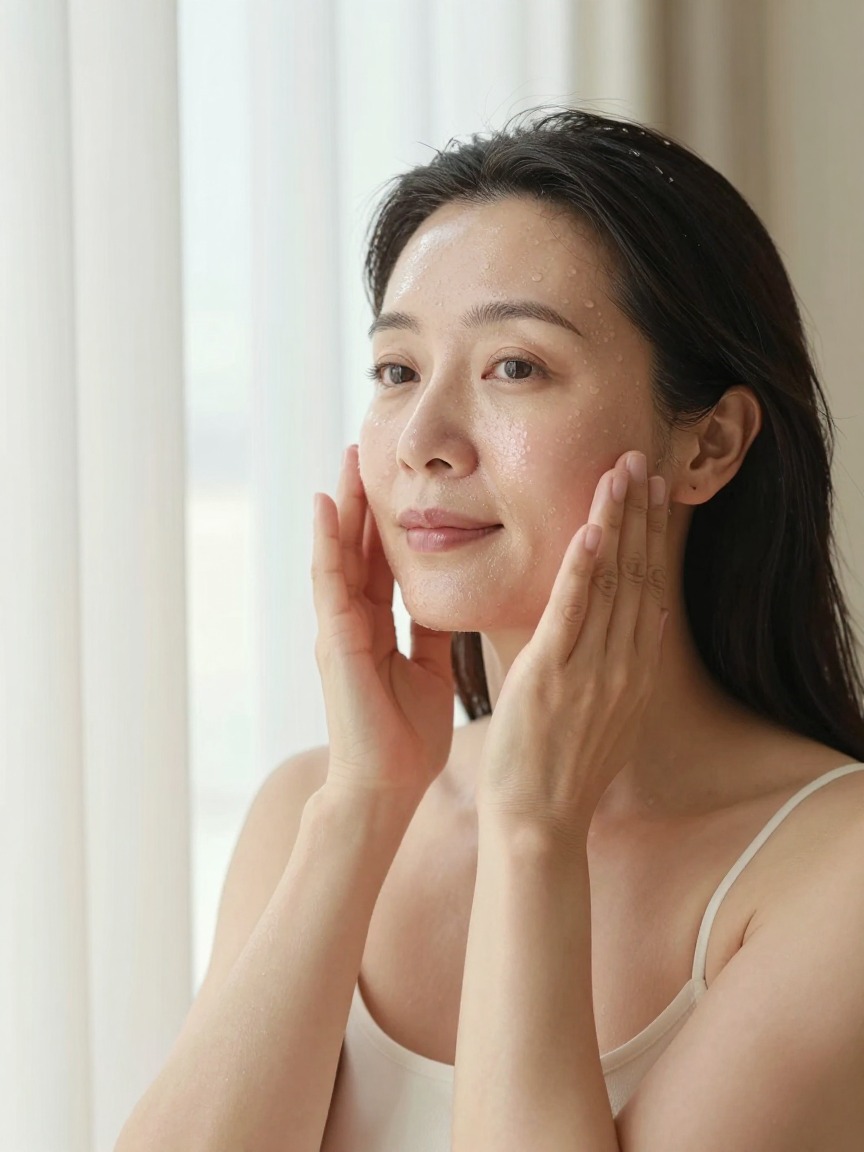
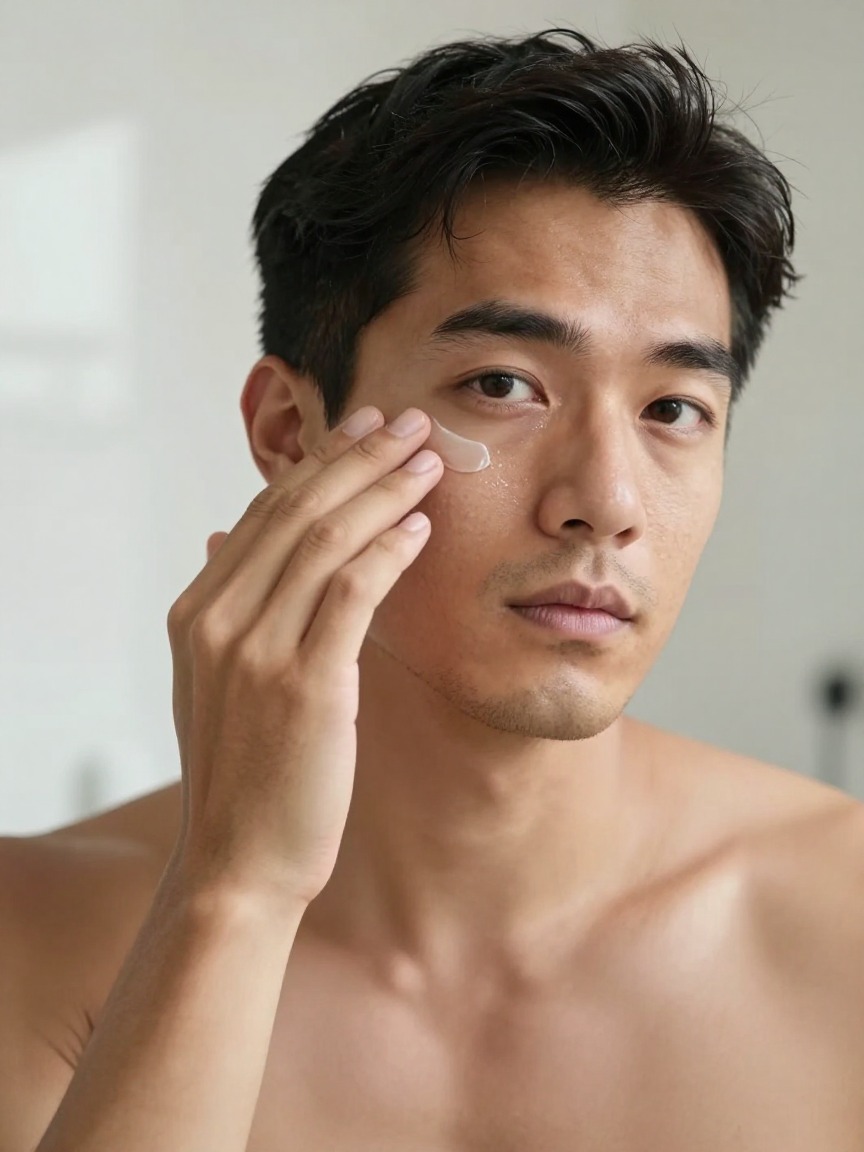
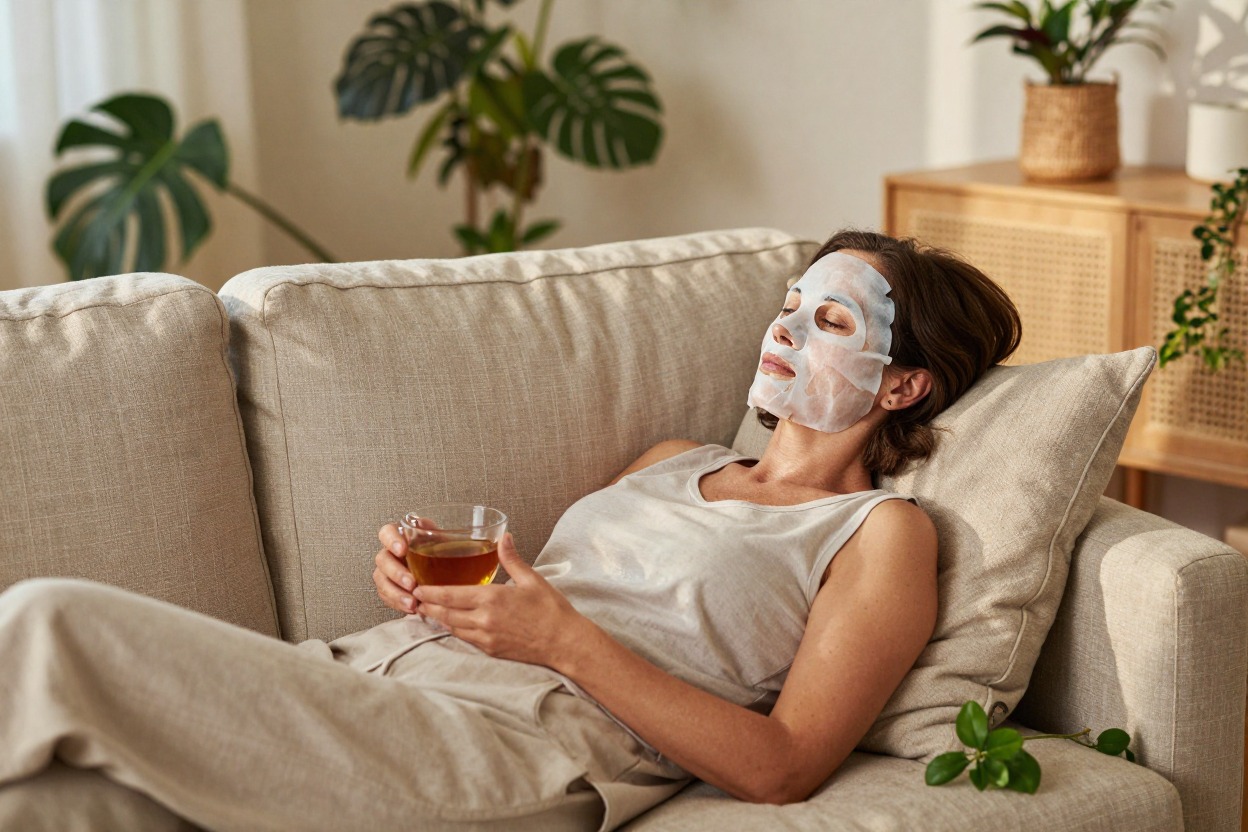
In short: Hydrating sheet masks use a soaked fabric or gel sheet to hold a water-rich essence against skin for 10–20 minutes. That gives dry or dehydrated skin a fast, visible plumping effect. The boost is mostly temporary surface hydration, not a barrier-repair treatment. Used two to three times a week and followed by moisturizer, they're a genuinely useful step.
Affiliate disclosure: We may earn a commission from qualifying purchases made through links on this page, at no extra cost to you. Some links on this page are affiliate links.
Masks & Exfoliation · Guide
Hydrating Sheet Masks
Recommended hydrating sheet masks
Our current top picks in this category, judged on formulation, evidence, texture and value.
Editor's Pick#1
most people who want an easy, dependable hydration boost without hunting down a specialty brand
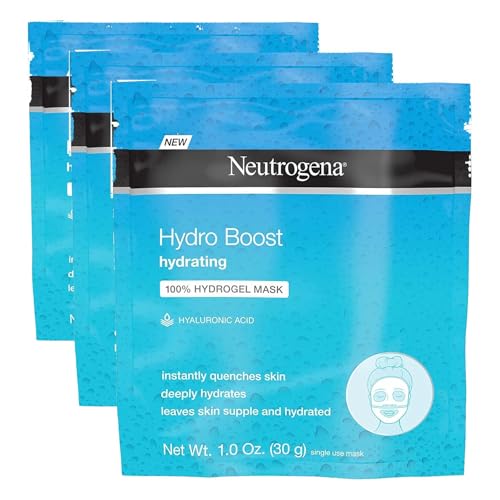
Hydro Boost Hydrating Hydrogel Mask
Neutrogena
A hyaluronic acid hydrogel formula that's genuinely dewy and plumping. It's sold at nearly every drugstore, with a fit that works well across most face shapes.
Hydrogel texture delivers a noticeably dewy, plump finish
Widely available at drugstore prices
Fragrance-light formula that's easy on sensitive-adjacent skin
The two-piece hydrogel sheet can be fiddly to apply neatly and doesn't always sit perfectly flush around the nose
anyone who wants to mask regularly without the cost adding up
SkinActive Moisture Bomb Hydrating Sheet Mask
Garnier
A genuinely hydrating, glycerin-forward essence sold in affordable multi-packs. That makes it easy to use two or three times a week instead of saving it for special occasions.
Priced low enough for regular use
Sold in several variants for different skin needs
Soaked cotton sheet holds a good amount of essence
The cotton sheet can slip out of place if you move around while it's on
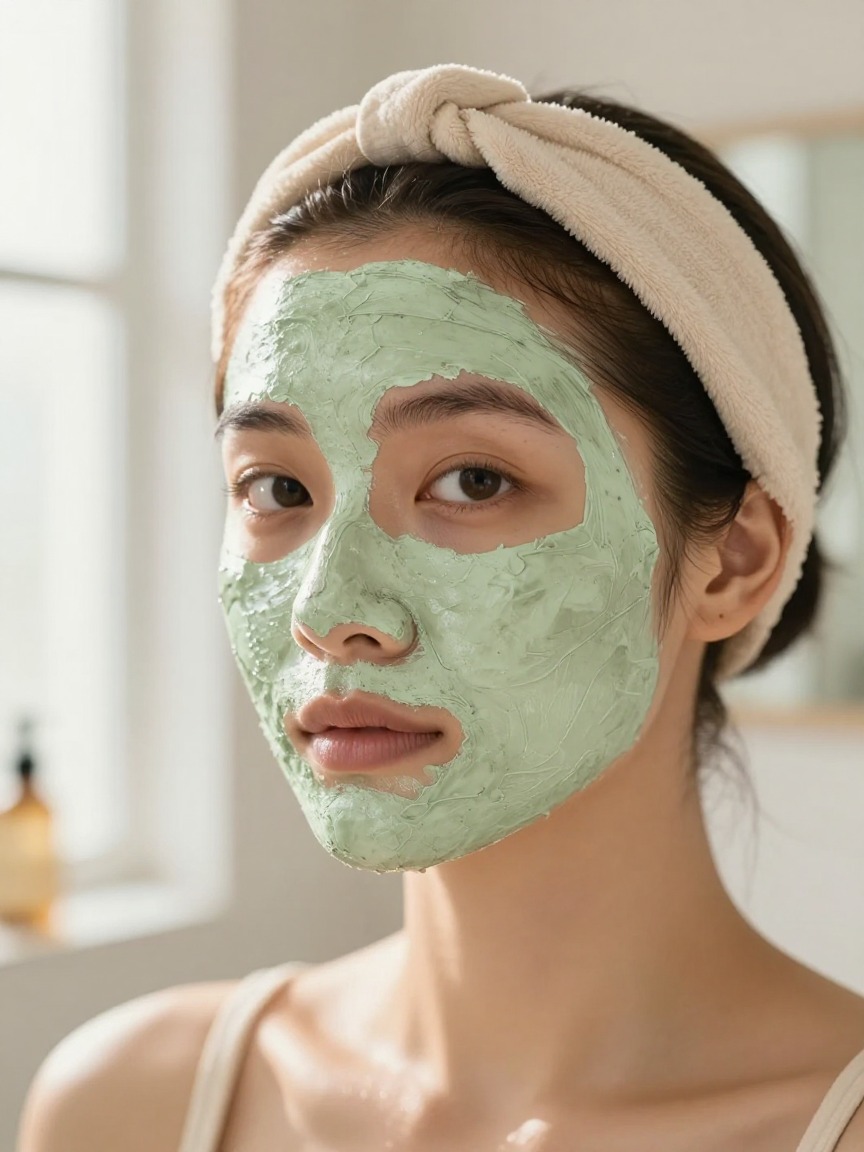
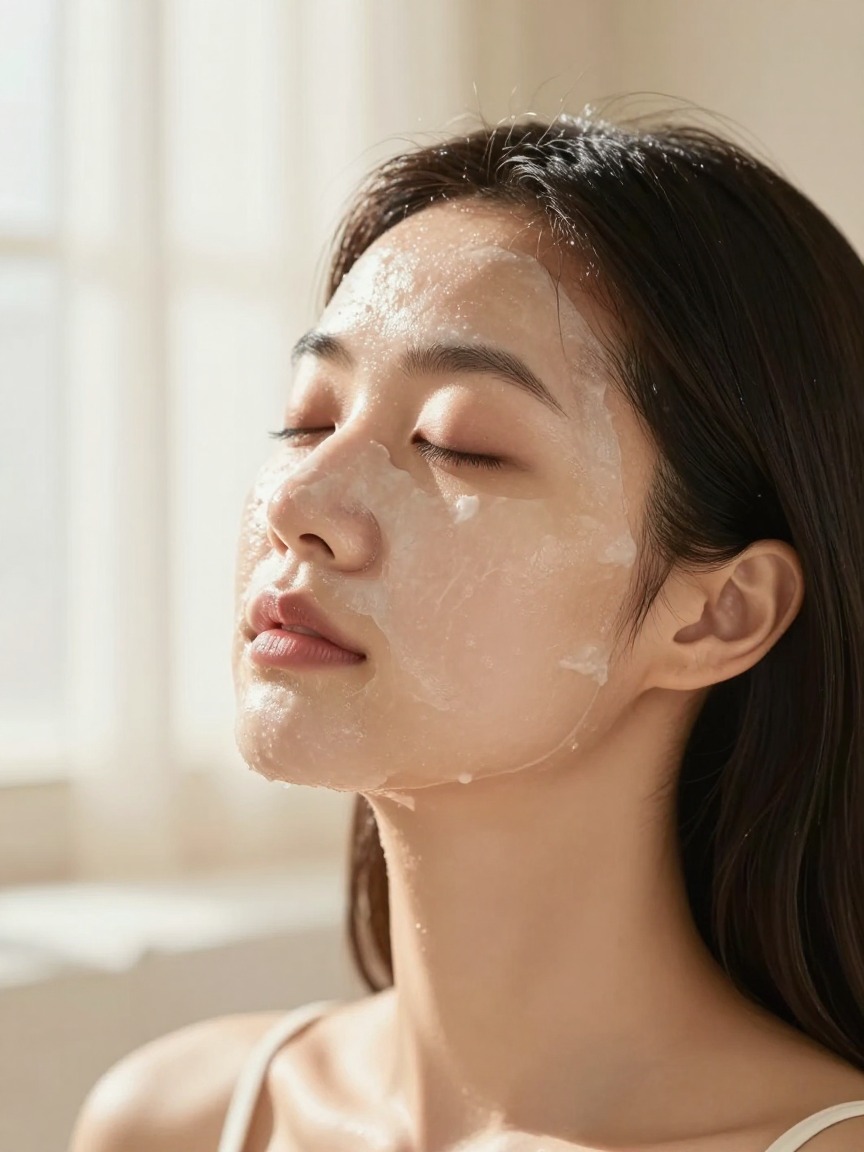
A sheet mask is a delivery mechanism. It's a fabric or gel sheet, pre-soaked in a water-rich essence, cut to sit against the whole face at once. Compared with patting on a few drops of serum, a sheet mask holds that essence in direct contact with skin for ten to twenty minutes. That gives humectant ingredients—hyaluronic acid, glycerin, and similar—much more time to draw water into the surface layers of skin. That's the mechanism behind the immediate plumping effect people notice right after removing one: the outermost layer of skin has absorbed extra water and temporarily looks smoother and dewier.
The plumping effect and dewy finish: why the glow fades
The visible boost from a single sheet mask typically fades within a few hours to a day. The water it added sits mostly in the outer skin layer, not deeper down. That doesn't make sheet masks pointless—a well-timed hydration boost before an event, or on a dry, flaky day, is a legitimate use case. But it's worth setting the expectation correctly. A sheet mask is a hydration top-up, not a treatment that rebuilds the skin barrier. That kind of deeper, sustained change comes from a consistent daily routine—cleanser, moisturizer, SPF—not from occasional masking.
The material a mask is made from changes how much essence it holds, how well it stays against skin, and how it feels. Cotton sheets and cellulose sheets are the most common and most affordable. They hold a reasonable amount of essence, but can start drying out or slipping around the nose and jaw before time is up. Biocellulose sheets are a denser, gel-like material. They conform tightly to facial contours and hold significantly more essence, which is part of why they tend to cost more. Hydrogel masks—usually a two-piece design—are essence-dense and give a cooling, almost second-skin feel, though they can be trickier to apply neatly. Microfiber sheets are thinner and lighter but generally dry out faster than cotton or biocellulose. Drugstore picks like Neutrogena and Garnier lean on cotton and hydrogel formats. Korean beauty brands such as innisfree, TONYMOLY, SK-II, and Dr. Jart+ span the same range, from budget cotton sheets to splurge-worthy hydrogel treatments.
Hyaluronic acid, glycerin & other humectants that hydrate skin
Hyaluronic acid is the ingredient most hydrating sheet masks lead with, and for good reason. It holds many times its weight in water and draws moisture into skin's surface. Glycerin is arguably underrated: it's inexpensive, well-studied, and works alongside hyaluronic acid rather than instead of it. A mask that lists both humectants is usually a stronger bet than one relying on a single ingredient. On the ingredient list, it's worth glancing for fragrance and alcohol placed high up—both can work against the hydrating goal, especially for skin that's already dry or reactive.
Panthenol, centella asiatica, ceramides & squalane for the skin barrier
Panthenol (provitamin B5) and centella asiatica extract show up frequently in hydrating formulas aimed at also calming mild redness or sensitivity. Ceramides and squalane matter for a different reason: they don't pull water in so much as help keep it from evaporating back out. That's why masks with ceramides or squalane tend to leave skin feeling comfortable well after removal, not just right after peeling the sheet off. Both ingredients support the skin barrier, the outer layer that keeps water in and irritants out.
Choosing a mask for dry skin, dehydrated skin & sensitive skin
Dry skin, dehydrated skin, or dull skin gets the clearest benefit. These skin types can generally use a richer, more essence-saturated formula without issue. Oily skin isn't automatically excluded—oiliness and dehydration can coexist—but does better with lighter, oil-free formulas rather than heavier cream-adjacent essences. Sensitive skin should prioritize short ingredient lists and fragrance-free labeling. Fifteen-plus minutes of contact time gives any irritant more opportunity to cause a reaction than a quick-rinse product would. Combination skin generally does fine with a standard hydrating formula applied everywhere, since the goal is broad surface hydration rather than targeted oil control.
Fragrance-free formulas, patch testing & fitting masks into a routine
Sheet masks work best on cleansed, makeup-free skin. Apply one after cleansing and before the rest of a routine—not as a replacement for serum and moisturizer, but as an extra step layered in before them. Most formulas are designed for ten to twenty minutes, so check the specific product. Leaving a mask on well past its intended time doesn't add benefit, and can start pulling moisture back out as the sheet dries. If your skin runs sensitive or reactive, patch test a new mask on your inner arm first and look for a fragrance-free option. After removing the mask, pat any remaining essence into skin rather than rinsing it off. Two to three uses a week is a reasonable frequency for most people; daily masking isn't necessary.
Common mistakes: skipping moisturizer and other errors
Leaving the mask on until it's dry—once a sheet stops feeling damp, it can reverse its own benefit.
Rinsing off the leftover essence instead of patting it in, which wastes a meaningful part of what the mask delivered.
Skipping moisturizer afterward, assuming the mask "sealed in" enough hydration on its own—most essences need a moisturizer on top to actually lock the water in.
Saving an opened essence pouch for days later—once opened, the remaining liquid is exposed to air and best used immediately or discarded.
Choosing masks by scent or packaging alone rather than checking whether hyaluronic acid, glycerin, or similar humectants are actually high on the ingredient list.
When dryness needs more than a mask
Occasional dryness or a dull, tired complexion responds well to sheet masking as part of a broader routine. Persistent dryness that doesn't improve with consistent moisturizing is a different situation. So is flaking that doesn't resolve, or skin that's uncomfortable, cracked, or reactive most of the time. That's worth a conversation with a dermatologist rather than relying on sheet masks to manage it. A hydrating sheet mask is a cosmetic step for surface-level comfort and glow, not a treatment for an underlying skin condition.
Popular picks from related categories, chosen with the same rubric.
Editor's Pick#1
Dry-to-normal sensitive skin, especially anyone also using retinoids or other actives
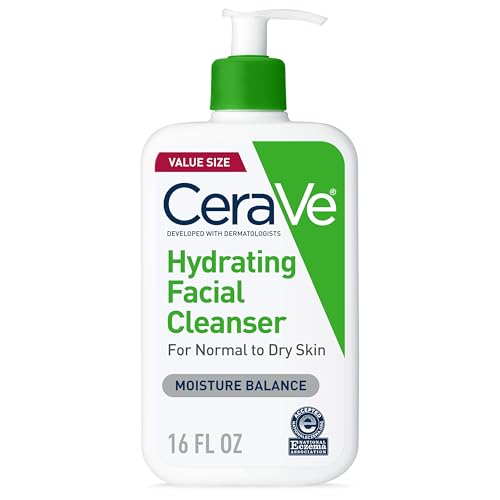
Hydrating Facial Cleanser
CeraVe
It's formulated with three ceramides, hyaluronic acid, and a National Eczema Association seal. Dermatologists mention it most often for reactive skin. It's a genuinely non-foaming, low-irritation formula that doesn't strip the barrier.
Ceramide and hyaluronic acid formula supports the skin barrier while cleansing
Fragrance-free, non-foaming, and won't disrupt a compromised moisture barrier
Budget-friendly per ounce and widely available at drugstores
Doesn't fully dissolve heavy sunscreen or long-wear makeup on its own, so double-cleansing days may need a micellar water or oil-based first step
Readers who want a well-formulated L-ascorbic acid serum without the prestige price tag
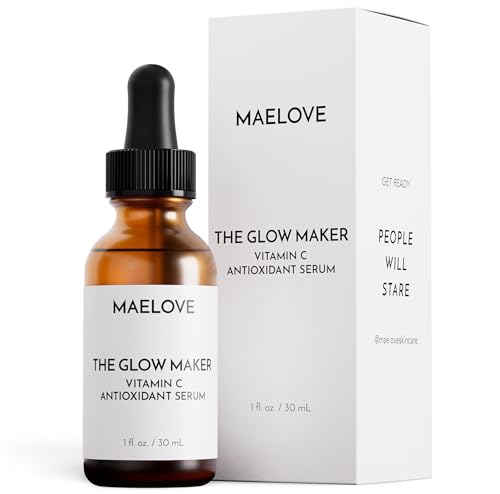
Glow Maker
Maelove
It leans on similar formulation logic to pricier serums: L-ascorbic acid plus vitamin E and ferulic acid. It costs a fraction of the price. That's why it's often called an affordable alternative to the prestige options.
Combines L-ascorbic acid with vitamin E and ferulic acid, echoing higher-end formulas
Opaque pump bottle helps limit light and air exposure
Noticeably cheaper per ounce than most L-ascorbic acid serums of similar formulation
The pump can dispense unevenly or feel like it needs priming, a minor but frequently mentioned annoyance
Normal to dry skin that wants a dermatologist-developed, fragrance-free daily moisturizer
CeraVe Moisturizing Cream
CeraVe
It pairs three essential ceramides with hyaluronic acid in a rich, fragrance-free base. Long-term users with dry, compromised skin consistently praise it. It's also inexpensive enough to use liberally.
Ceramide + hyaluronic acid formula supports the skin barrier
Fragrance-free and well-tolerated by sensitive skin
Large jar size makes it very cost-effective per ounce
The tub packaging means dipping fingers into the product, which isn't ideal for hygiene or portability
acne-prone, sensitive, or post-procedure skin that needs a dermatologist-trusted daily option
UV Clear Broad-Spectrum SPF 46
EltaMD
Dermatologists reach for EltaMD more than almost any other sunscreen. It pairs broad-spectrum zinc oxide protection with niacinamide and hyaluronic acid. The oil-free base is genuinely weightless and layers well under makeup.
Broad-spectrum SPF 46 with zinc oxide
Oil-free, non-comedogenic formula favored for acne-prone skin
Contains niacinamide and hyaluronic acid for added hydration
Pricier per ounce than most drugstore sunscreens, and the pump makes it easy to under-apply if you're not deliberate about the amount.
Anyone dealing with clogged pores, blackheads, or rough, bumpy texture who wants an evidence-backed exfoliating toner
2% BHA Liquid Exfoliant
Paula's Choice
It's built around a well-studied 2% salicylic acid concentration at an effective pH. The base is fragrance-free and alcohol-free. That combination is why it's stayed a favorite among ingredient-focused shoppers for years, rather than fading as a trend.
2% salicylic acid at a pH that actually works
Fragrance-free and alcohol-free formula
Noticeably improves texture and blackheads with consistent use
The active concentration can cause redness or flaking in the first couple of weeks, so it's not the easiest starting point for very reactive or rosacea-prone skin
people who want the most clinically studied LED mask on the market and don't mind the price
Contour Face
Omnilux
Omnilux's LED technology is the same platform used in dermatology clinics. The Contour Face is its rigid, dermatologist-favorite home version, and it has more research behind it than most at-home competitors.
Extensive clinical research behind Omnilux's LED platform, more than most home devices
FDA-cleared for temporary reduction in the appearance of fine lines and wrinkles
Even, consistent light distance thanks to the rigid, hinged design
Rigid shell doesn't flex to different face shapes, there's no blue-light setting for acne, and it's one of the most expensive masks on the market
Affiliate disclosure: We may earn a commission from qualifying purchases made through links on this page, at no extra cost to you. Some links on this page are affiliate links.