
Skip to content
Sun Protection · Guide

Sunscreens for Dark Skin Tones: The Complete Guide

Rowan Avery By Rowan Avery Editorial Director Updated August 24, 2026

In short: Melanin gives deep skin some natural UV protection, but nowhere near enough to skip sunscreen — it doesn't prevent photoaging, hyperpigmentation, or skin cancer, which is often diagnosed later and more dangerously in people of color. Chemical, hybrid, or tinted mineral formulas avoid the ashy cast that keeps many people from wearing sunscreen daily.

Affiliate disclosure: We may earn a commission from qualifying purchases made through links on this page, at no extra cost to you. Some links on this page are affiliate links.

Recommended sunscreens for dark skin tones

Our current top picks in this category, judged on formulation, evidence, texture and value.

Editor's Pick #1
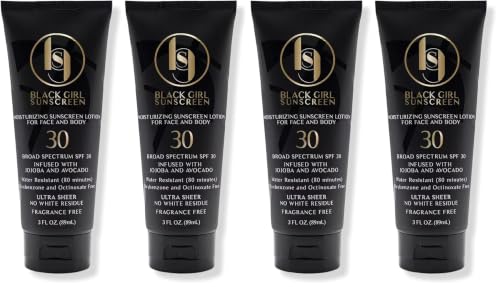
Black Girl Sunscreen SPF 30 Moisturizing
Anyone with deep skin who's been let down by chalky mineral formulas and wants a reliable everyday, no-cast default

Black Girl Sunscreen SPF 30 Moisturizing

Black Girl Sunscreen

Built from the ground up for melanin-rich skin, with a chemical filter blend and a moisturizing base. It's one of the few skin-of-color sunscreens sold in mainstream drugstores, so restocking is easy.

Genuinely disappears into deep skin with no gray or purple cast
Moisturizing avocado and carrot-seed oil base adds light hydration
Widely stocked at Target, Ulta, and Walmart
The oil-forward base can feel a bit heavy or slightly greasy if you already have oily or acne-prone skin
Best Invisible Finish #2
Unseen Sunscreen SPF 40
People who want a sunscreen that also works as a makeup primer, with zero visible residue under foundation

Unseen Sunscreen SPF 40

Supergoop!

The gel-oil hybrid texture sets to a clear, weightless finish. That's why it's become a go-to 'primer' pick. It leaves no cast on any depth of skin.

Truly invisible finish, no white or gray tinge on any skin tone
Doubles as a smoothing makeup primer
Fragrance-free formula is gentle for daily use
The 1.7 oz tube is small and pricey per ounce, so it adds up fast if you also use it on your body
Best for Sensitive Skin #3
UV Clear Tinted Broad-Spectrum SPF 46
Sensitive, acne-prone, or reactive skin that needs a calmer formula alongside sun protection

UV Clear Tinted Broad-Spectrum SPF 46

EltaMD

This is the tinted version of the sunscreen dermatologists recommend most. It's built around niacinamide to calm skin. A universal iron-oxide tint blends into a wide range of deeper tones.

Contains niacinamide to help calm redness and irritation
Oil-free, non-comedogenic formula suits acne-prone and sensitive skin
Universal tint blends into a broad range of medium-to-deep tones
Only comes in one universal tint, so very deep skin may still want a touch of foundation over it for a perfect match

Do darker skin tones need broad-spectrum SPF?

Yes — unambiguously. Melanin does give deeper skin tones some natural UV defense. Researchers have informally estimated it at roughly SPF 13. That figure isn't standardized the way a sunscreen's SPF rating is, and it varies by person. It's a real but modest buffer. It's nowhere close to what a daily broad-spectrum SPF 30+ provides. And it does little to block UVA rays. Those rays penetrate deeper into skin and drive long-term damage, regardless of how much melanin you have.

UVA rays, UVB rays, melanin, and photoaging

Melanin's protection is strongest against UVB rays, the ones responsible for sunburn. It's considerably weaker against UVA rays. UVA rays penetrate further into skin. They're the primary driver of long-term photoaging and DNA damage. That's the kind linked to skin cancer over decades of exposure. This gap is exactly why sunscreen still matters, even on skin that rarely burns.

The 'Black don't crack' myth

There's a long-standing idea that deeper skin doesn't show sun damage the way fair skin does. It's partly true and partly misleading. Melanin-rich skin does tend to show fine lines and wrinkles later than fair skin. That's because melanin absorbs and scatters some UV radiation before it reaches deeper skin layers. But 'wrinkles later' isn't the same as 'no damage.' UV exposure in deeper skin shows up differently. Think uneven tone, dark spots, and a dull or leathery texture. It rarely means visible wrinkles first.

Hyperpigmentation and melasma are the real everyday risk

For most people with deep skin tones, UV exposure shows up as hyperpigmentation more than wrinkles. Sun exposure worsens melasma. It darkens existing post-inflammatory hyperpigmentation, the marks left behind after acne, cuts, or irritation. It can even trigger new dark patches on its own. Darker skin already produces more melanin in response to inflammation or injury. So unprotected sun exposure tends to compound existing pigmentation problems rather than create entirely new ones. This is one of the strongest reasons to wear sunscreen daily if hyperpigmentation is already a concern. No brightening serum can out-treat ongoing UV exposure.

Skin cancer risk is lower, but talk to a dermatologist about changes

Deep skin tones have a meaningfully lower skin cancer rate than fair skin. That's largely because of the natural melanin buffer. But the risk isn't zero, and outcomes are disproportionately worse. Skin cancer in people of color is frequently diagnosed at a later, more advanced stage. Part of the reason: it's less expected and less looked-for. Part of it: skin cancer in deeper skin tones often shows up in less sun-exposed areas. Think palms, soles, and under the nails. Those spots aren't linked to sun exposure the way most skin cancer is. They rarely get checked during a casual self-exam. Later diagnosis means lower survival rates. That's not a reason to panic. It's a reason to see a dermatologist promptly about any new or changing spot, anywhere on the body.

Chemical filters, mineral filters, oily skin, and sensitive skin

Once 'should I wear sunscreen' is settled, the real decision is texture and filter type. The wrong pick is the one you'll stop using after a week.

  • Oily or acne-prone skin: look for 'oil-free' and 'non-comedogenic' on the label. Lean toward gel or fluid textures over creams — Supergoop! Unseen Sunscreen is a common go-to.
  • Dry skin: reach for a moisturizing, richer formula, often labeled 'hydrating' or with hyaluronic acid or glycerin. It keeps sunscreen from emphasizing flaky patches.
  • Sensitive skin: fragrance-free, mineral or hybrid formulas with calming ingredients like niacinamide tend to cause fewer flare-ups.
  • Melasma or active hyperpigmentation: a tinted sunscreen with iron oxides adds real protection against visible light. Untinted sunscreen doesn't cover that.

Zinc oxide, titanium dioxide, white cast, and tinted sunscreen

Chemical filters — avobenzone, octisalate, and similar ingredients — absorb UV rays and dissolve into skin clear. Mineral filters, zinc oxide and titanium dioxide, sit on the surface instead. On deeper skin, they can leave a gray or ashy white cast. A tinted mineral formula usually fixes that. Brands like EltaMD, La Roche-Posay, and Bolden build tinted or melanin-focused versions for exactly this trade-off. If cast is a dealbreaker, it's worth its own read. See our guide to avoiding white cast on deeper skin tones.

Fitting sunscreen and reapplication into a daily routine

Sunscreen goes last in a morning routine, after moisturizer and before makeup. Use roughly a quarter-teaspoon for the face and neck alone. Most people apply far less than that, which quietly cuts the effective SPF. Reapplication every two hours is the official guidance for direct sun exposure. For an average indoor-then-commute day, one morning application plus a reapplication covers most people. A setting-powder SPF touch-up over makeup works too.

Common mistakes worth fixing

  • Judging a sunscreen's cast the moment it goes on, before it's had time to set. Many formulas look ashy for the first minute, then melt in clear.
  • Relying on a tinted moisturizer or BB cream as the only sun protection. Most don't contain enough SPF, or enough product per application, to count as real protection.
  • Skipping sunscreen on cloudy or cooler days — UVA rays pass through cloud cover largely unaffected.
  • Assuming last year's tube is still effective — most sunscreen formulas degrade within about 12 months of opening.

None of this requires a dermatologist visit to get right. It just requires picking a formula suited to your skin type, and using enough of it, consistently. A dermatologist does matter for anything beyond routine prevention. That includes persistent or worsening dark patches, a changing mole, or a spot that won't heal. Any of those is a reason to get seen rather than self-treat.

Common questions

What sunscreen doesn't leave a white cast?
Do dark skin tones need sunscreen?
Is tinted sunscreen better for dark skin?
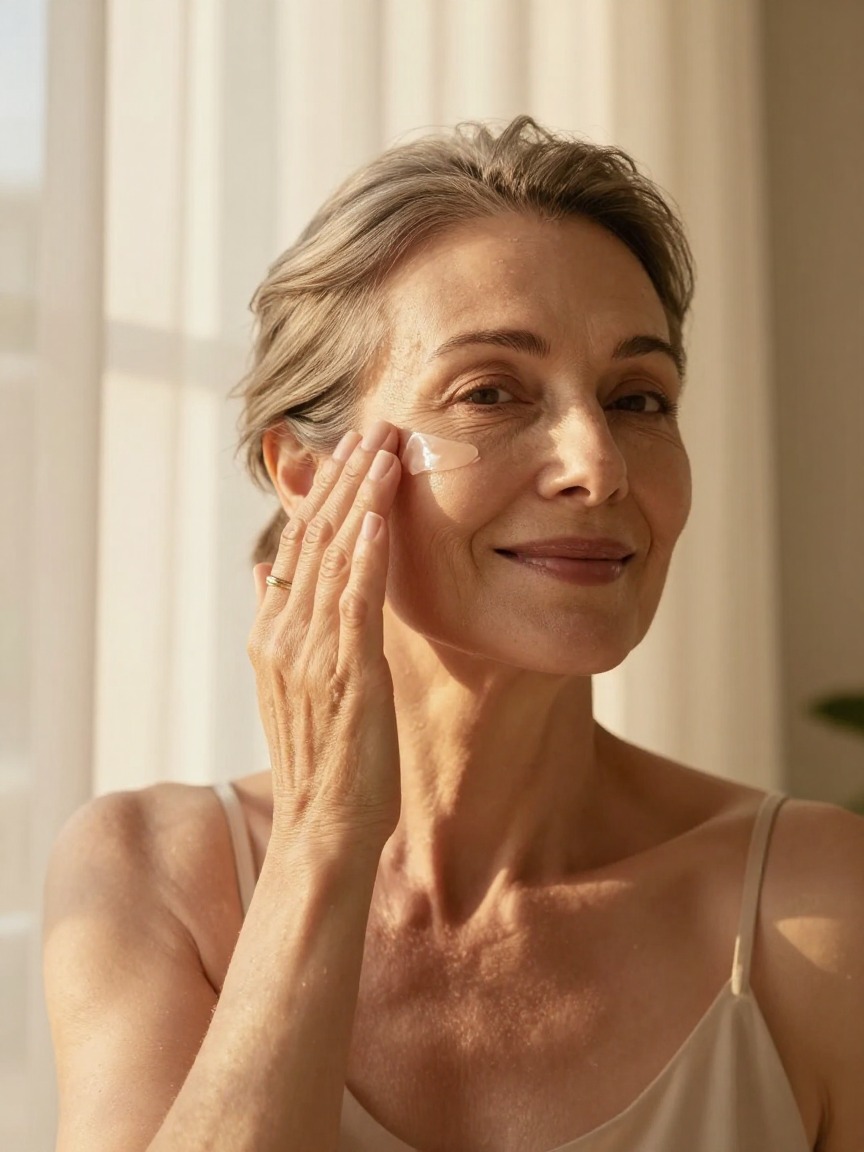
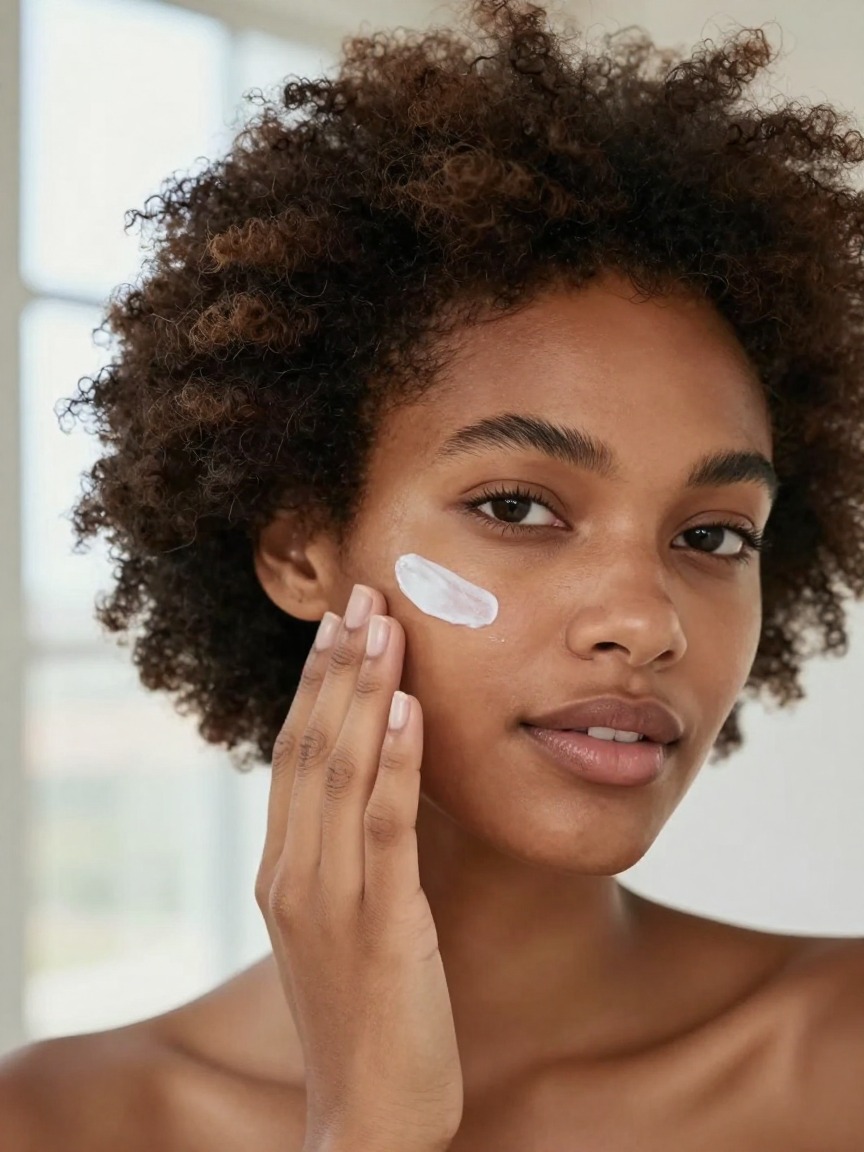
Sunscreens for Dark Skin Tones as part of a daily skincare routine

You may be interested in

Popular picks from related categories, chosen with the same rubric.

Editor's Pick #1
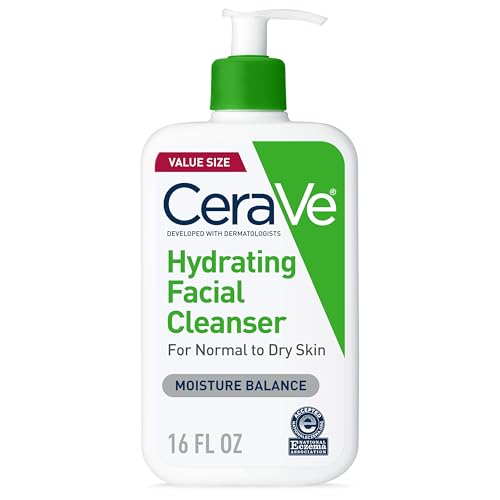
Hydrating Facial Cleanser
Dry-to-normal sensitive skin, especially anyone also using retinoids or other actives

Hydrating Facial Cleanser

CeraVe

It's formulated with three ceramides, hyaluronic acid, and a National Eczema Association seal. Dermatologists mention it most often for reactive skin. It's a genuinely non-foaming, low-irritation formula that doesn't strip the barrier.

Ceramide and hyaluronic acid formula supports the skin barrier while cleansing
Fragrance-free, non-foaming, and won't disrupt a compromised moisture barrier
Budget-friendly per ounce and widely available at drugstores
Doesn't fully dissolve heavy sunscreen or long-wear makeup on its own, so double-cleansing days may need a micellar water or oil-based first step
Best Value #2
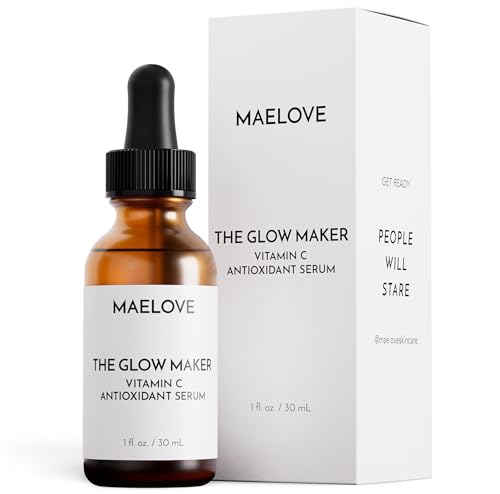
Glow Maker
Readers who want a well-formulated L-ascorbic acid serum without the prestige price tag

Glow Maker

Maelove

It leans on similar formulation logic to pricier serums: L-ascorbic acid plus vitamin E and ferulic acid. It costs a fraction of the price. That's why it's often called an affordable alternative to the prestige options.

Combines L-ascorbic acid with vitamin E and ferulic acid, echoing higher-end formulas
Opaque pump bottle helps limit light and air exposure
Noticeably cheaper per ounce than most L-ascorbic acid serums of similar formulation
The pump can dispense unevenly or feel like it needs priming, a minor but frequently mentioned annoyance
Editor's Pick #1
Moisturizing Cream
Normal to dry skin that wants a dermatologist-developed, fragrance-free daily moisturizer

CeraVe Moisturizing Cream

CeraVe

It pairs three essential ceramides with hyaluronic acid in a rich, fragrance-free base. Long-term users with dry, compromised skin consistently praise it. It's also inexpensive enough to use liberally.

Ceramide + hyaluronic acid formula supports the skin barrier
Fragrance-free and well-tolerated by sensitive skin
Large jar size makes it very cost-effective per ounce
The tub packaging means dipping fingers into the product, which isn't ideal for hygiene or portability
Editor's Pick #1
Super Volcanic Pore Clay Mask 2X
oily, pore-prone skin that wants a formula built specifically around pore congestion

Super Volcanic Pore Clay Mask 2X

innisfree

Two types of volcanic clay target sebum and blackheads. The texture isn't chalky or hard to remove like older clay formulas. It's also genuinely affordable for how often you'll reach for it.

Lightweight, non-cakey texture that spreads and rinses easily
Visibly reduces the look of congested pores after a single use
Priced low enough to use regularly without guilt
The mineral scent is noticeable and won't appeal to everyone
Editor's Pick #1
Skin Perfecting 2% BHA Liquid Exfoliant
Anyone dealing with clogged pores, blackheads, or rough, bumpy texture who wants an evidence-backed exfoliating toner

2% BHA Liquid Exfoliant

Paula's Choice

It's built around a well-studied 2% salicylic acid concentration at an effective pH. The base is fragrance-free and alcohol-free. That combination is why it's stayed a favorite among ingredient-focused shoppers for years, rather than fading as a trend.

2% salicylic acid at a pH that actually works
Fragrance-free and alcohol-free formula
Noticeably improves texture and blackheads with consistent use
The active concentration can cause redness or flaking in the first couple of weeks, so it's not the easiest starting point for very reactive or rosacea-prone skin
Editor's Pick #1
Contour Face
people who want the most clinically studied LED mask on the market and don't mind the price

Contour Face

Omnilux

Omnilux's LED technology is the same platform used in dermatology clinics. The Contour Face is its rigid, dermatologist-favorite home version, and it has more research behind it than most at-home competitors.

Extensive clinical research behind Omnilux's LED platform, more than most home devices
FDA-cleared for temporary reduction in the appearance of fine lines and wrinkles
Even, consistent light distance thanks to the rigid, hinged design
Rigid shell doesn't flex to different face shapes, there's no blue-light setting for acne, and it's one of the most expensive masks on the market

Affiliate disclosure: We may earn a commission from qualifying purchases made through links on this page, at no extra cost to you. Some links on this page are affiliate links.

Related products & guides

Sun ProtectionBest Facial Sunscreens

See our ranked picks and buying guide.

Sun ProtectionBest Mineral (Physical) Sunscreens

See our ranked picks and buying guide.

Sun ProtectionBest Tinted Facial Sunscreens

See our ranked picks and buying guide.

Sun ProtectionBest Moisturizers with SPF

See our ranked picks and buying guide.

Facial CleansersBest Gentle Cleansers for Sensitive Skin

See our ranked picks and buying guide.