In short: A sensitive-skin routine works best kept minimal: a fragrance-free cleanser, an optional hydrating toner, a soothing serum, a ceramide moisturizer, mineral sunscreen by day, and an occlusive seal at night. Skip exfoliating acids and retinoids until skin is stable, introduce one new product at a time, and patch test everything before it touches your face.
Affiliate disclosure: We may earn a commission from qualifying purchases made through links on this page, at no extra cost to you. Some links on this page are affiliate links.
Routines & Skin Concerns · Guide
Skincare Routine for Sensitive Skin
Recommended skincare routine for sensitive skin
Our current top picks in this category, judged on formulation, evidence, texture and value.
Step 1: Cleanse#1
Anyone building a barrier-first sensitive-skin routine, especially dry-to-normal skin also using actives elsewhere
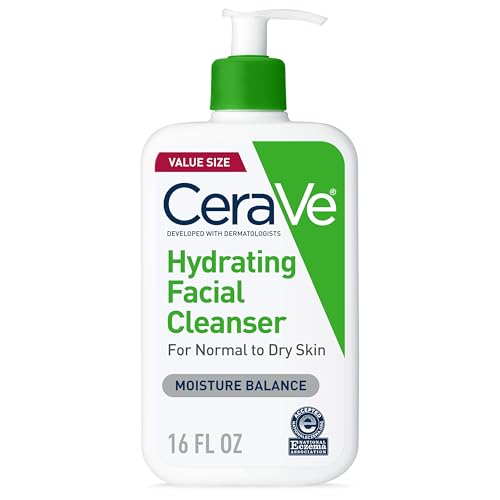
Hydrating Facial Cleanser
CeraVe
Three ceramides and hyaluronic acid sit in a fragrance-free, non-foaming formula. It's a calm opener for a sensitive-skin routine. It removes the day without disturbing what comes after it.
Ceramide-based formula supports rather than strips the skin barrier
Fragrance-free and non-foaming, so it won't set off the rest of the routine
Inexpensive enough to use generously, morning and night
Doesn't fully break down heavy sunscreen or makeup on its own, so double-cleansing days may need an extra first step
Sensitive or redness-prone skin that wants an extra hydration layer before serum, not a traditional astringent toner
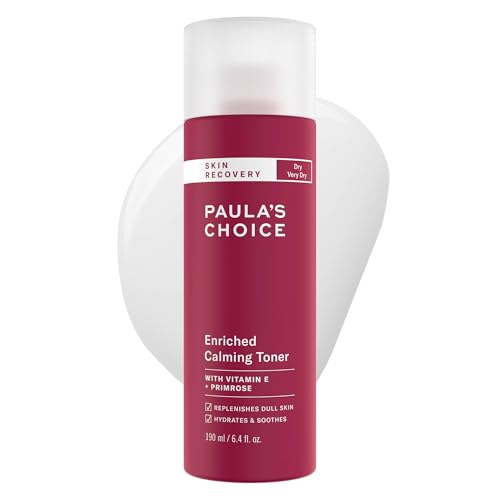
Skin Recovery Enriched Calming Toner
Paula's Choice
It's alcohol-free and built around ceramides and an antioxidant blend for compromised, reactive skin. Think of it as a soft second layer of hydration, not a pore-tightening toner.
Alcohol-free and fragrance-free, unlike most mainstream toners
Ceramide and antioxidant formula reinforces rather than disrupts the barrier
Lightweight liquid layers cleanly under serum without pilling
This step is genuinely optional — skin that's already well hydrated from cleanser and serum may not notice a difference from adding it
Reactive, sensitized, or barrier-compromised skin that needs calming before moisturizer, including skin recovering from over-exfoliation
Cicaplast B5 Serum
La Roche-Posay
Panthenol (vitamin B5) and madecassoside, a centella asiatica derivative, are both associated with calming visible redness and supporting barrier repair. This serum leads with both in a fragrance-free base.
Centella-derived madecassoside and panthenol target redness and barrier repair specifically
Lightweight gel-serum texture layers easily under a heavier moisturizer
Widely available and priced well below most "cica" serum alternatives
Can feel slightly tacky for a minute or two after application before it fully absorbs
Building a Fragrance-Free, Barrier-First Skincare Routine for Sensitive Skin
Most skincare advice assumes skin can handle a full arsenal of products. Cleanser, toner, exfoliant, multiple serums, moisturizer, sunscreen — all layered in whatever order a trend dictates. Sensitive skin doesn't have that luxury. Every extra product is another chance for fragrance, a preservative, or an active ingredient to set off redness, stinging, or breakouts. A routine for reactive skin should be judged on restraint, not just on any single product's ingredient list.
What "Sensitive Skin" Actually Means for the Skin Barrier
"Sensitive skin" isn't a single diagnosis. It covers a temporarily compromised barrier — after over-exfoliating or switching to a harsh cleanser — and chronic conditions like rosacea, eczema, or diagnosed contact dermatitis. What they share is a skin barrier that reacts more easily to products, temperature, or friction. The barrier is the outermost layer of skin. Ceramides, cholesterol, and fatty acids hold it together, in roughly the same way mortar holds bricks together. When that mortar is intact, water stays in and irritants stay out. When it's disrupted, skin reacts to things it used to tolerate just fine.
The Barrier-First Principle
A barrier-first routine treats every product as either supporting the barrier or testing it. Ceramides, cholesterol, fatty acids, glycerin, and panthenol support it. Fragrance, alcohol denat., high concentrations of acids, and physical scrubs test it. Sometimes that's fine, sometimes it isn't, and the only way to know is careful trial and error. This routine front-loads support and leaves out anything in the "testing" category. That's why it looks shorter than a typical ten-step routine.
A handful of ingredients do most of the work in a barrier-first routine. Hyaluronic acid is a humectant that holds water in the skin without irritating it. Panthenol, also called vitamin B5, supports barrier repair and calms visible redness. Ceramides replace the lipids a compromised barrier is missing. Product lines from CeraVe, La Roche-Posay, and Paula's Choice are built around this trio. That's one reason they're common recommendations for reactive skin.
The AM Routine, Step by Step: Cleanser, Toner, Moisturizer & Mineral Sunscreen
A basic AM routine for sensitive skin needs to do three things: clean off overnight product, replace hydration, and protect from UV. That's a cleanser, an optional hydrating toner or serum layer, a moisturizer, and mineral sunscreen — in that order. Wait roughly a minute between each step so the previous one has time to absorb. Sunscreen goes on last. Don't skip it, even indoors near windows or on cloudy days — UV exposure is one of the more common triggers for flushing and long-term barrier weakening. Formulas like EltaMD's mineral sunscreens are built specifically to sit well under this kind of routine.
The PM Routine, Step by Step: Serum, Occlusive Seal & Retinoids Later
Evenings are when a barrier-first routine can do the most repair work, since skin isn't fighting UV exposure overnight. Cleanse to remove sunscreen and the day's buildup. Apply a soothing serum if skin needs extra calming. Follow with a ceramide moisturizer. For very dry or irritated patches, seal with an occlusive ointment on top. That last step isn't necessary every night for every skin type, but it's a useful tool during flares, dry winters, or right after a reaction. Retinoids and other actives can come later, once this base routine has been stable for several weeks.
Choosing Products for Rosacea-Prone, Eczema-Prone & Redness-Prone Skin
Dry-sensitive skin generally needs the richest moisturizer. It also benefits most from the overnight occlusive seal.
Oily or combination-sensitive skin can usually skip the seal step. Use a lighter gel-cream moisturizer instead of a heavy cream.
Rosacea-prone skin tends to react more to heat, sun, and vasodilating triggers than to texture. Mineral sunscreen and a redness-focused serum matter more here than moisturizer richness.
Eczema-prone or atopic skin benefits from the shortest possible ingredient lists at every step. It often needs the occlusive seal more consistently, not just during flares.
Introducing New Products Without a Reaction
The biggest routine-building mistake for sensitive skin isn't choosing the wrong product. It's changing too many things at once. If three new products go on your face in the same week and one causes a reaction, there's no way to know which one did it without starting over. That uncertainty costs time and, for a lot of people, extra irritation from repeated trial and error.
The One-New-Product Rule & Patch Testing
Introduce exactly one new product at a time. Give it at least a week — ideally two — before adding anything else. Patch test it first on the inner forearm for a few days. Then apply it on its own on your face, not stacked with other new things, for the first week. Watch specifically for delayed reactions, which can show up two or three days in rather than immediately.
Common Mistakes That Undermine a Sensitive-Skin Routine
Adding a new active — a retinoid, vitamin C, or acid exfoliant — to this six-step base before it's been stable for several weeks
Using hot water or a washcloth instead of lukewarm water and fingertips
Skipping sunscreen on cloudy or indoor-heavy days, then wondering why redness keeps recurring
Reacting to a flare by adding more products, like a new "soothing" serum or mask, instead of stripping back to the basics
Assuming "natural" or "clean" labeling means low-irritation — plant extracts and essential oils are common sensitizers
When to See a Dermatologist About Reactive Skin
We're reviewers, not dermatologists, and nothing in this routine treats a diagnosed condition. See a board-certified dermatologist if reactive skin keeps flaring despite a minimal, fragrance-free routine. The same goes if redness spreads or comes with swelling or blistering, or if you suspect an underlying condition like rosacea, eczema, or a specific allergy. A dermatologist can identify the actual cause and recommend treatment — including prescription options — that a review site isn't positioned to offer. Persistent sensitivity is a signal worth taking seriously, not something to keep managing through more product changes alone.
Popular picks from related categories, chosen with the same rubric.
Editor's Pick#1
Dry-to-normal sensitive skin, especially anyone also using retinoids or other actives
Hydrating Facial Cleanser
CeraVe
It's formulated with three ceramides, hyaluronic acid, and a National Eczema Association seal. Dermatologists mention it most often for reactive skin. It's a genuinely non-foaming, low-irritation formula that doesn't strip the barrier.
Ceramide and hyaluronic acid formula supports the skin barrier while cleansing
Fragrance-free, non-foaming, and won't disrupt a compromised moisture barrier
Budget-friendly per ounce and widely available at drugstores
Doesn't fully dissolve heavy sunscreen or long-wear makeup on its own, so double-cleansing days may need a micellar water or oil-based first step
Readers who want a well-formulated L-ascorbic acid serum without the prestige price tag
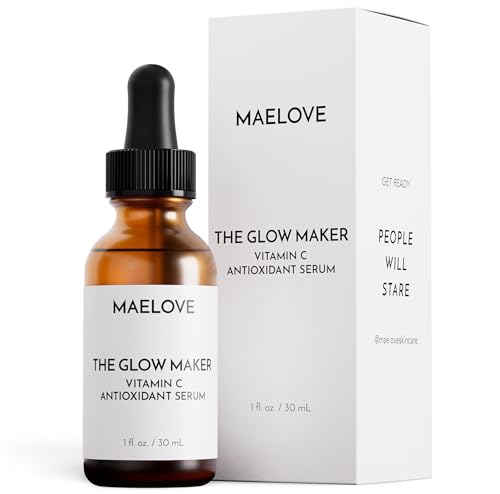
Glow Maker
Maelove
It leans on similar formulation logic to pricier serums: L-ascorbic acid plus vitamin E and ferulic acid. It costs a fraction of the price. That's why it's often called an affordable alternative to the prestige options.
Combines L-ascorbic acid with vitamin E and ferulic acid, echoing higher-end formulas
Opaque pump bottle helps limit light and air exposure
Noticeably cheaper per ounce than most L-ascorbic acid serums of similar formulation
The pump can dispense unevenly or feel like it needs priming, a minor but frequently mentioned annoyance
Normal to dry skin that wants a dermatologist-developed, fragrance-free daily moisturizer
CeraVe Moisturizing Cream
CeraVe
It pairs three essential ceramides with hyaluronic acid in a rich, fragrance-free base. Long-term users with dry, compromised skin consistently praise it. It's also inexpensive enough to use liberally.
Ceramide + hyaluronic acid formula supports the skin barrier
Fragrance-free and well-tolerated by sensitive skin
Large jar size makes it very cost-effective per ounce
The tub packaging means dipping fingers into the product, which isn't ideal for hygiene or portability
acne-prone, sensitive, or post-procedure skin that needs a dermatologist-trusted daily option
UV Clear Broad-Spectrum SPF 46
EltaMD
Dermatologists reach for EltaMD more than almost any other sunscreen. It pairs broad-spectrum zinc oxide protection with niacinamide and hyaluronic acid. The oil-free base is genuinely weightless and layers well under makeup.
Broad-spectrum SPF 46 with zinc oxide
Oil-free, non-comedogenic formula favored for acne-prone skin
Contains niacinamide and hyaluronic acid for added hydration
Pricier per ounce than most drugstore sunscreens, and the pump makes it easy to under-apply if you're not deliberate about the amount.
oily, pore-prone skin that wants a formula built specifically around pore congestion
Super Volcanic Pore Clay Mask 2X
innisfree
Two types of volcanic clay target sebum and blackheads. The texture isn't chalky or hard to remove like older clay formulas. It's also genuinely affordable for how often you'll reach for it.
Lightweight, non-cakey texture that spreads and rinses easily
Visibly reduces the look of congested pores after a single use
Priced low enough to use regularly without guilt
The mineral scent is noticeable and won't appeal to everyone
Anyone dealing with clogged pores, blackheads, or rough, bumpy texture who wants an evidence-backed exfoliating toner
2% BHA Liquid Exfoliant
Paula's Choice
It's built around a well-studied 2% salicylic acid concentration at an effective pH. The base is fragrance-free and alcohol-free. That combination is why it's stayed a favorite among ingredient-focused shoppers for years, rather than fading as a trend.
2% salicylic acid at a pH that actually works
Fragrance-free and alcohol-free formula
Noticeably improves texture and blackheads with consistent use
The active concentration can cause redness or flaking in the first couple of weeks, so it's not the easiest starting point for very reactive or rosacea-prone skin
Affiliate disclosure: We may earn a commission from qualifying purchases made through links on this page, at no extra cost to you. Some links on this page are affiliate links.