In short: AHA and BHA serums exfoliate away dull, dead skin cells to reveal smoother, more even-toned skin underneath. AHAs like glycolic and lactic acid work on the surface and suit dryness or dullness, while BHA (salicylic acid) works inside pores and suits oiliness or blackheads. Start slow, always wear SPF, and avoid stacking acids with retinoids.
Affiliate disclosure: We may earn a commission from qualifying purchases made through links on this page, at no extra cost to you. Some links on this page are affiliate links.
Serums & Treatments · Guide
AHA & BHA Exfoliating Serums
Recommended aha & bha exfoliating serums
Our current top picks in this category, judged on formulation, evidence, texture and value.
Editor's Pick#1
Anyone dealing with clogged pores, blackheads, or rough texture who wants a well-studied, stable formula
Skin Perfecting 2% BHA Liquid Exfoliant
Paula's Choice
This is one of the most widely referenced BHA leave-ons on the market. It has a stable pH. The thin liquid layers under moisturizer without pilling.
Salicylic acid formula reaches inside the pore, not just the surface
Thin, fast-absorbing liquid layers easily under other products
Fragrance-free and low on other common irritants
The liquid can feel slightly tacky for a minute or two while it dries, which some people mistake for leftover residue
Budget-conscious shoppers who want a genuine glycolic acid product without prestige-brand pricing
Glycolic Acid 7% Toning Solution
The Ordinary
A straightforward 7% glycolic toning solution at a fraction of the cost of comparable formulas. It's aimed at people who already tolerate AHAs reasonably well.
Noticeably affordable for a 7% glycolic acid concentration
Larger bottle size than most competitors at this price
Simple routine step - sweep on with a cotton pad after cleansing
Contains alcohol denat, which can be drying or irritating for people with a sensitive or compromised skin barrier
People new to chemical exfoliation who want a gentler AHA entry point with some added hydration
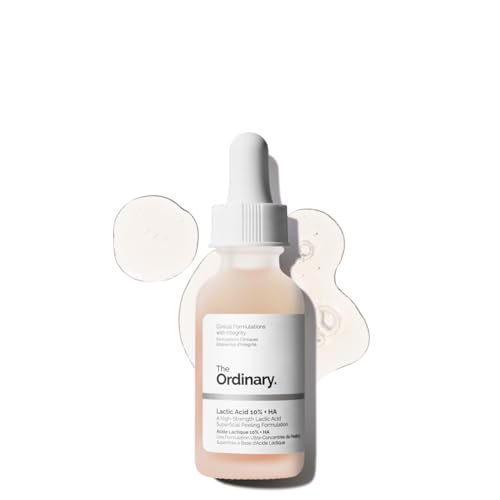
Lactic Acid 10% + HA
The Ordinary
Lactic acid's larger molecule size makes it one of the milder AHAs. The added hyaluronic acid helps offset some of the dryness that comes with early exfoliation.
Lactic acid is generally better tolerated than glycolic acid for first-time users
Hyaluronic acid in the formula helps offset dryness
Budget-friendly price point
Despite the gentler reputation of lactic acid, 10% can still sting on first use for reactive skin - patch test before applying to the full face
Skin naturally sheds dead cells from its surface. That process slows down over time. It can leave a build-up of dull, rough, uneven texture sitting on top of healthier skin underneath. Chemical exfoliants - AHAs and BHA - speed up that shedding. They dissolve the bonds between dead skin cells, rather than physically scrubbing them off with a brush or granules. The action happens at a cellular level, not through friction. Well-formulated acid exfoliants tend to be gentler on the skin's surface than a harsh physical scrub, even though the word acid sounds more aggressive.
Alpha-hydroxy acids are water-soluble. They work primarily on the outermost layers of skin. The two most common in facial serums are glycolic acid and lactic acid. Glycolic acid is derived from sugar cane. It has the smallest molecular size of the group, which lets it penetrate fastest and typically deliver the most visible brightening. Lactic acid is a slightly larger molecule. It's generally considered milder and pairs a mild humectant effect with its exfoliating action. Mandelic acid, a larger and gentler AHA derived from almonds, is worth knowing too. It's often recommended for people with deeper skin tones, since it carries a lower risk of triggering post-inflammatory hyperpigmentation.
AHAs are generally the better fit for concerns that live on the surface: dullness, rough texture, uneven tone, and fine surface lines. They're less targeted at active oiliness or clogged pores, since they don't travel into the pore lining the way an oil-soluble acid does.
BHA (salicylic acid): the pore-clearing acid for blackheads & clogged pores
Salicylic acid is the BHA used in virtually every facial exfoliating product on the market. Unlike AHAs, it's oil-soluble. That lets it travel past surface oil and into the pore itself. This is why it's the go-to ingredient for blackheads, closed comedones, and general congestion in oily or combination skin. Salicylic acid also has some anti-inflammatory properties, which is part of why it's a common ingredient in acne-focused routines. It tends to be less effective than AHAs at surface brightening, since its strength is working inside the pore rather than smoothing the top layer of skin.
PHA & gluconolactone: the gentle option for sensitive skin
Polyhydroxy acids (PHAs) like gluconolactone and lactobionic acid work similarly to AHAs. They have larger molecules, so they penetrate more slowly and tend to cause less irritation. They're a reasonable middle ground for sensitive skin that's found AHAs or BHA too reactive, or for anyone exfoliating for the first time.
Matching acids to dullness, texture, dark spots & hyperpigmentation
Oily or acne-prone skin: lead with BHA. It addresses the pore congestion that's usually driving the breakouts, in a way AHAs can't.
Dry, dull, or textured skin without much oiliness: an AHA - glycolic for faster, more noticeable results if your skin tolerates it, lactic or mandelic if you want something gentler.
Dark spots or hyperpigmentation: a consistent AHA routine paired with daily sunscreen does the most to fade discoloration over time.
Sensitive, reactive, or newly-exfoliating skin: start with a PHA or a low-percentage lactic acid, used once or twice a week, before working up to anything stronger.
Combination skin: a light AHA/BHA blend, or alternating a BHA on oilier nights with an AHA on drier ones, usually works better than trying to find one product that does everything.
Widely available options span both budget and prestige price points - brands like Paula's Choice, The Ordinary, COSRX, Good Molecules, and Sunday Riley all make well-reviewed AHA and BHA formulas.
Fitting AHA & BHA into a routine without overdoing it
Exfoliating acids are typically applied after cleansing and before moisturizer, on skin that's dry rather than damp. For a first-time user, two to three nights a week is a reasonable starting cadence. Watch for excess redness, stinging that doesn't fade within a minute or two, or visible flaking over the following days. Tolerance builds over several weeks. Frequency can be increased gradually from there, but more isn't automatically better - many people get their best results settling at three to four nights a week rather than using an acid nightly.
It's worth being deliberate about what else is in the routine on acid nights. Stacking an exfoliating acid with a retinoid on the same night is one of the most common causes of visible irritation, since both ingredients increase skin cell turnover. Many people alternate instead - acids on some nights, retinoid on others. Anyone using a prescription-strength retinoid, or being treated for a specific skin condition, should check with their prescribing provider before adding an exfoliating acid into the mix.
Sunscreen, retinol & protecting your skin barrier
Exfoliating acids increase how easily skin burns and how visible sun damage becomes, because they're removing the outer layer of cells that offers some baseline protection. Daily broad-spectrum sunscreen isn't a suggestion alongside an acid routine - it's the difference between the brightening results holding and being undone by unprotected sun exposure. This matters just as much on cloudy days and in winter as it does in summer.
When oily skin, breakouts, or irritation need a dermatologist
Mild tingling on first application, and occasional light flaking in the first couple of weeks, are common and not necessarily a sign anything is wrong. Ongoing burning, spreading redness, breakouts that get worse rather than better, or any reaction that doesn't settle down after a few days of stepping back to a lower frequency are signs to stop. Check in with a dermatologist rather than trying to push through it or add more products to compensate. This is especially true for anyone with rosacea, eczema, or a diagnosed skin condition. An over-the-counter acid serum is not a substitute for a treatment plan from a qualified provider, and persistent or worsening symptoms should always be evaluated by one.
Popular picks from related categories, chosen with the same rubric.
Editor's Pick#1
Dry-to-normal sensitive skin, especially anyone also using retinoids or other actives
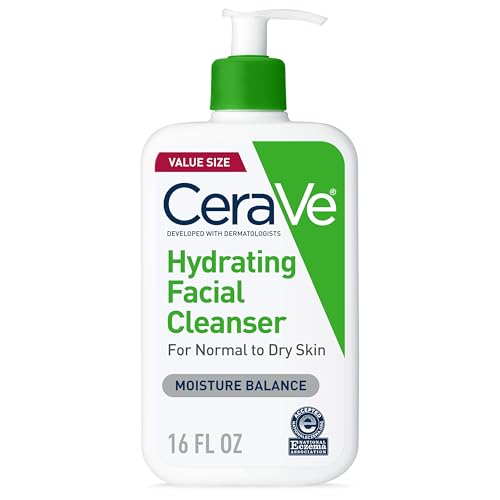
Hydrating Facial Cleanser
CeraVe
It's formulated with three ceramides, hyaluronic acid, and a National Eczema Association seal. Dermatologists mention it most often for reactive skin. It's a genuinely non-foaming, low-irritation formula that doesn't strip the barrier.
Ceramide and hyaluronic acid formula supports the skin barrier while cleansing
Fragrance-free, non-foaming, and won't disrupt a compromised moisture barrier
Budget-friendly per ounce and widely available at drugstores
Doesn't fully dissolve heavy sunscreen or long-wear makeup on its own, so double-cleansing days may need a micellar water or oil-based first step
Normal to dry skin that wants a dermatologist-developed, fragrance-free daily moisturizer
CeraVe Moisturizing Cream
CeraVe
It pairs three essential ceramides with hyaluronic acid in a rich, fragrance-free base. Long-term users with dry, compromised skin consistently praise it. It's also inexpensive enough to use liberally.
Ceramide + hyaluronic acid formula supports the skin barrier
Fragrance-free and well-tolerated by sensitive skin
Large jar size makes it very cost-effective per ounce
The tub packaging means dipping fingers into the product, which isn't ideal for hygiene or portability
acne-prone, sensitive, or post-procedure skin that needs a dermatologist-trusted daily option
UV Clear Broad-Spectrum SPF 46
EltaMD
Dermatologists reach for EltaMD more than almost any other sunscreen. It pairs broad-spectrum zinc oxide protection with niacinamide and hyaluronic acid. The oil-free base is genuinely weightless and layers well under makeup.
Broad-spectrum SPF 46 with zinc oxide
Oil-free, non-comedogenic formula favored for acne-prone skin
Contains niacinamide and hyaluronic acid for added hydration
Pricier per ounce than most drugstore sunscreens, and the pump makes it easy to under-apply if you're not deliberate about the amount.
oily, pore-prone skin that wants a formula built specifically around pore congestion
Super Volcanic Pore Clay Mask 2X
innisfree
Two types of volcanic clay target sebum and blackheads. The texture isn't chalky or hard to remove like older clay formulas. It's also genuinely affordable for how often you'll reach for it.
Lightweight, non-cakey texture that spreads and rinses easily
Visibly reduces the look of congested pores after a single use
Priced low enough to use regularly without guilt
The mineral scent is noticeable and won't appeal to everyone
Anyone dealing with clogged pores, blackheads, or rough, bumpy texture who wants an evidence-backed exfoliating toner
2% BHA Liquid Exfoliant
Paula's Choice
It's built around a well-studied 2% salicylic acid concentration at an effective pH. The base is fragrance-free and alcohol-free. That combination is why it's stayed a favorite among ingredient-focused shoppers for years, rather than fading as a trend.
2% salicylic acid at a pH that actually works
Fragrance-free and alcohol-free formula
Noticeably improves texture and blackheads with consistent use
The active concentration can cause redness or flaking in the first couple of weeks, so it's not the easiest starting point for very reactive or rosacea-prone skin
people who want the most clinically studied LED mask on the market and don't mind the price
Contour Face
Omnilux
Omnilux's LED technology is the same platform used in dermatology clinics. The Contour Face is its rigid, dermatologist-favorite home version, and it has more research behind it than most at-home competitors.
Extensive clinical research behind Omnilux's LED platform, more than most home devices
FDA-cleared for temporary reduction in the appearance of fine lines and wrinkles
Even, consistent light distance thanks to the rigid, hinged design
Rigid shell doesn't flex to different face shapes, there's no blue-light setting for acne, and it's one of the most expensive masks on the market
Affiliate disclosure: We may earn a commission from qualifying purchases made through links on this page, at no extra cost to you. Some links on this page are affiliate links.