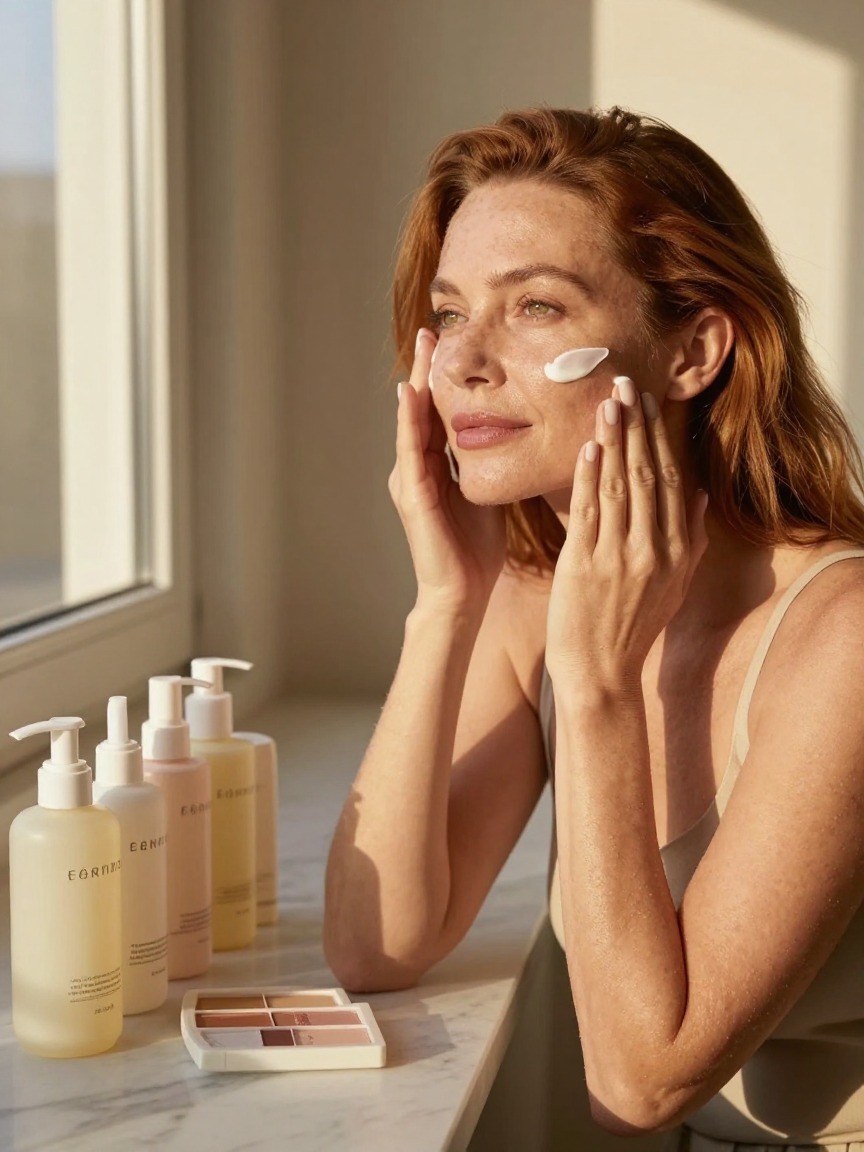
In short: Dark spot serums work by slowing melanin production or calming the inflammation behind it, using ingredients like vitamin C, niacinamide, alpha arbutin, and tranexamic acid. Results take 8-12 weeks of consistent use plus daily SPF. They fade existing discoloration—they don't erase it instantly or prevent new spots without sunscreen.
Affiliate disclosure: We may earn a commission from qualifying purchases made through links on this page, at no extra cost to you. Some links on this page are affiliate links.
Serums & Treatments · Guide
Dark Spot & Brightening Serums
Recommended dark spot & brightening serums
Our current top picks in this category, judged on formulation, evidence, texture and value.
Editor's Pick#1
Anyone wanting a well-rounded, multi-ingredient formula without paying department-store prices
Discoloration Correcting Serum
Good Molecules
It layers three evidence-backed brightening actives—niacinamide, tranexamic acid, and alpha arbutin—into one fragrance-free formula. That combination is rare at this price point.
Combines three complementary brightening actives in one bottle
Fragrance-free and lightweight enough for daily use
Very accessible price for a multi-ingredient formula
The thin, watery texture can feel sticky under makeup until it fully absorbs
Budget-conscious beginners who want a single, well-studied ingredient without the extras
Alpha Arbutin 2% + HA
The Ordinary
Alpha arbutin has solid research behind it for evening skin tone. This version is simple and cheap enough to commit to for the months it takes to see change.
One of the least expensive alpha arbutin serums available
Simple, single-focus formula makes it easy to slot into any routine
Widely available and easy to repurchase
No supporting antioxidants or barrier ingredients, so it can feel drying on its own for some skin types
People with tolerant, non-sensitive skin who want a potent vitamin C to target sun-related spots
C15 Super Booster
Paula's Choice
A 15% L-ascorbic acid concentration sits on the higher, well-studied end for vitamin C. This formula pairs it with vitamin E and ferulic acid for stability.
High, well-studied vitamin C concentration
Ferulic acid and vitamin E help the formula stay stable and effective
Doubles as antioxidant protection against future sun damage
The bottle is small for the price, and potent vitamin C can sting on sensitized or compromised skin
Dark Spots vs Post-Inflammatory Hyperpigmentation, Sun Spots & Melasma
"Dark spots" is a catch-all term for several distinct kinds of hyperpigmentation. Knowing which one you have changes what will actually help. Post-inflammatory hyperpigmentation (PIH) is the flat, brownish mark left after a pimple, cut, or other skin injury heals. It's your skin overproducing melanin in response to inflammation. Sun spots (solar lentigines) come from cumulative UV exposure. They show up on the face, hands, and chest as skin ages. Melasma is a different, more stubborn condition. It's tied to hormones and heat exposure. It often appears as symmetrical patches on the cheeks, forehead, or upper lip. It's notoriously resistant to over-the-counter treatment alone. All three involve excess melanin. But they don't respond identically to the same ingredients or timelines. That's why a serum that clears up acne marks in two months might barely touch melasma.
How a Brightening Serum Fades Pigment: Tyrosinase & the Ingredients With Real Evidence
Skin produces melanin through an enzyme called tyrosinase. Most brightening ingredients work by inhibiting this enzyme somewhere along the pigment-production pathway. That slows new pigment from forming—it doesn't instantly erase pigment that's already there. These serums are more accurately described as dark spot correctors than dark spot removers. They work alongside your skin's natural cell turnover to gradually fade existing marks, while limiting how much darker new ones get.
Vitamin C (L-ascorbic acid): inhibits tyrosinase and adds antioxidant protection against the UV exposure that drives new pigment.
Niacinamide: blocks the transfer of pigment from melanin-producing cells into surrounding skin cells. It's gentle enough for daily use on most skin types.
Alpha arbutin: a stable, well-tolerated tyrosinase inhibitor derived from bearberry plants. The Ordinary's Alpha Arbutin 2% + HA is a common, budget-friendly example.
Tranexamic acid: originally a medication for bleeding disorders, now recognized for interrupting the pigment pathway triggered by inflammation and UV. It's particularly useful for melasma—SkinCeuticals' Discoloration Defense is one formula built around it.
Azelaic acid: a dual-purpose ingredient that brightens while also calming inflammation and mild acne.
Kojic acid: another tyrosinase inhibitor, though it's more prone to causing irritation than the options above.
Choosing by Skin Type: Sensitive, Oily & Dry Skin
Sensitive Skin: Where to Start
Start with niacinamide or azelaic acid. Both have low irritation potential. Both still carry real evidence for evening tone. Introduce any new active slowly. Keep the rest of the routine simple while you gauge tolerance.
Oily Skin and Acne-Prone Skin
Alpha arbutin and niacinamide layer easily under other acne treatments. Neither adds extra oil. Niacinamide also helps regulate sebum. Avoid stacking a new brightening serum with benzoyl peroxide or a strong retinoid until you know how your skin handles it.
Dry Skin and Mature Skin
Look for a brightening active paired with hyaluronic acid or another humectant. Drier skin shows irritation from actives more visibly and benefits from the extra hydration support.
Melasma-Prone Skin
Tranexamic acid has the most consistent evidence for melasma specifically. But melasma is genuinely difficult to manage with over-the-counter products alone. If patches keep returning or aren't fading, a dermatologist can discuss options like prescription tretinoin, hydroquinone, or in-office treatments that reach further than any serum.
Building a Brightening Serum Into Your Routine With Daily Sunscreen
Cleanse. Apply the brightening serum to clean, dry skin. Follow with moisturizer. Vitamin C is best used in the morning. It's more stable then. Its antioxidant effect also pairs naturally with daytime sun exposure. Niacinamide, alpha arbutin, and tranexamic acid are flexible—morning, evening, or both. Give a new product at least two to four weeks before judging it. Resist adding a second brightening ingredient before that window is up.
Mistakes That Slow Down Results
Skipping sunscreen. This is the single biggest reason brightening routines fail. Every dark spot ingredient fights an uphill battle against unprotected UV exposure. Daily sun creates new pigment.
Switching products too often. Most brightening actives need eight or more weeks of consistent use before you can fairly judge them. Swapping serums every few weeks means never giving any one a real chance.
Overloading the routine. Combining vitamin C, retinoids, and exfoliating acids in one routine usually causes irritation, not faster fading. Irritation can itself trigger new post-inflammatory dark spots.
Ignoring the rest of the routine. A brightening serum works better alongside a barrier-supporting moisturizer and daily SPF 30+, not as a standalone fix.
Reading a Label Like a Reviewer
Marketing terms like "brightening," "illuminating," or "clarifying" aren't regulated. They don't tell you much on their own—the ingredient list does. Check where the active ingredient falls. Say alpha arbutin or niacinamide is buried near the bottom, after a long list of preservatives and fragrance components. It's likely present at a low, cosmetic-only concentration, not an effective one. A product that states its concentration on the front label (2% alpha arbutin, 15% vitamin C, and so on) is generally more transparent. Compare that to one that just lists the ingredient without a percentage, the way La Roche-Posay and Naturium do on their brightening serum packaging.
A Realistic Timeline — and When to See a Dermatologist
Skin cell turnover takes roughly a month. Visible fading typically follows a similar or longer arc. Most people need eight to twelve weeks of consistent, daily use before they see a clear difference. Fuller results tend to show at three to six months. Post-acne marks and mild sun spots on younger skin respond fastest. Melasma and deeper, longstanding sun damage move more slowly. They may plateau below where a prescription option or in-office treatment could take them. We're reviewers evaluating formulation and honest user experience, not clinicians—treat this as a general guide. If you've used a brightening serum consistently for months with no change, or a spot is changing shape, size, or color, that's worth a dermatologist visit rather than a new serum.
Popular picks from related categories, chosen with the same rubric.
Editor's Pick#1
Dry-to-normal sensitive skin, especially anyone also using retinoids or other actives
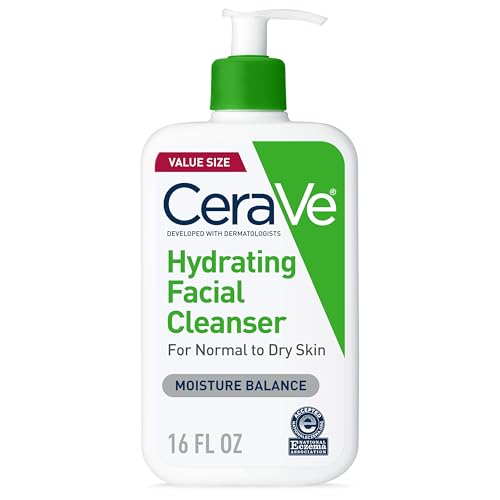
Hydrating Facial Cleanser
CeraVe
It's formulated with three ceramides, hyaluronic acid, and a National Eczema Association seal. Dermatologists mention it most often for reactive skin. It's a genuinely non-foaming, low-irritation formula that doesn't strip the barrier.
Ceramide and hyaluronic acid formula supports the skin barrier while cleansing
Fragrance-free, non-foaming, and won't disrupt a compromised moisture barrier
Budget-friendly per ounce and widely available at drugstores
Doesn't fully dissolve heavy sunscreen or long-wear makeup on its own, so double-cleansing days may need a micellar water or oil-based first step
Normal to dry skin that wants a dermatologist-developed, fragrance-free daily moisturizer
CeraVe Moisturizing Cream
CeraVe
It pairs three essential ceramides with hyaluronic acid in a rich, fragrance-free base. Long-term users with dry, compromised skin consistently praise it. It's also inexpensive enough to use liberally.
Ceramide + hyaluronic acid formula supports the skin barrier
Fragrance-free and well-tolerated by sensitive skin
Large jar size makes it very cost-effective per ounce
The tub packaging means dipping fingers into the product, which isn't ideal for hygiene or portability
acne-prone, sensitive, or post-procedure skin that needs a dermatologist-trusted daily option
UV Clear Broad-Spectrum SPF 46
EltaMD
Dermatologists reach for EltaMD more than almost any other sunscreen. It pairs broad-spectrum zinc oxide protection with niacinamide and hyaluronic acid. The oil-free base is genuinely weightless and layers well under makeup.
Broad-spectrum SPF 46 with zinc oxide
Oil-free, non-comedogenic formula favored for acne-prone skin
Contains niacinamide and hyaluronic acid for added hydration
Pricier per ounce than most drugstore sunscreens, and the pump makes it easy to under-apply if you're not deliberate about the amount.
oily, pore-prone skin that wants a formula built specifically around pore congestion
Super Volcanic Pore Clay Mask 2X
innisfree
Two types of volcanic clay target sebum and blackheads. The texture isn't chalky or hard to remove like older clay formulas. It's also genuinely affordable for how often you'll reach for it.
Lightweight, non-cakey texture that spreads and rinses easily
Visibly reduces the look of congested pores after a single use
Priced low enough to use regularly without guilt
The mineral scent is noticeable and won't appeal to everyone
Anyone dealing with clogged pores, blackheads, or rough, bumpy texture who wants an evidence-backed exfoliating toner
2% BHA Liquid Exfoliant
Paula's Choice
It's built around a well-studied 2% salicylic acid concentration at an effective pH. The base is fragrance-free and alcohol-free. That combination is why it's stayed a favorite among ingredient-focused shoppers for years, rather than fading as a trend.
2% salicylic acid at a pH that actually works
Fragrance-free and alcohol-free formula
Noticeably improves texture and blackheads with consistent use
The active concentration can cause redness or flaking in the first couple of weeks, so it's not the easiest starting point for very reactive or rosacea-prone skin
people who want the most clinically studied LED mask on the market and don't mind the price
Contour Face
Omnilux
Omnilux's LED technology is the same platform used in dermatology clinics. The Contour Face is its rigid, dermatologist-favorite home version, and it has more research behind it than most at-home competitors.
Extensive clinical research behind Omnilux's LED platform, more than most home devices
FDA-cleared for temporary reduction in the appearance of fine lines and wrinkles
Even, consistent light distance thanks to the rigid, hinged design
Rigid shell doesn't flex to different face shapes, there's no blue-light setting for acne, and it's one of the most expensive masks on the market
Affiliate disclosure: We may earn a commission from qualifying purchases made through links on this page, at no extra cost to you. Some links on this page are affiliate links.