In short: Toners for oily, acne-prone skin work best when they contain an exfoliating acid, salicylic acid (BHA) for clogged pores and blackheads, or glycolic/lactic acid (AHA) for texture and post-acne marks, rather than alcohol-based astringents that strip skin and can trigger more oil. Introduce them gradually and always pair with SPF.
Affiliate disclosure: We may earn a commission from qualifying purchases made through links on this page, at no extra cost to you. Some links on this page are affiliate links.
Toners & Essences · Guide
Toners for Oily & Acne-Prone Skin
Recommended toners for oily & acne-prone skin
Our current top picks in this category, judged on formulation, evidence, texture and value.
Editor's Pick#1
Oily, breakout-prone skin dealing with blackheads and clogged pores
SKIN PERFECTING 2% BHA Liquid Exfoliant
Paula's Choice
A well-studied 2% salicylic acid formula in a lightweight, leave-on liquid. It's one of the most consistently recommended BHA exfoliants for oily and acne-prone skin. It layers easily under the rest of a routine.
Fragrance-free and alcohol-free formula
Lightweight liquid absorbs fast with no sticky residue
Well-suited to regular use once skin adjusts
The bottle's flip-cap has no dropper, so it's easy to dispense more product than you actually need if you're not careful
Anyone wanting a budget-friendly dual-acid toner for oily, congested skin
AHA/BHA Clarifying Treatment Toner
COSRX
Combines a low dose of BHA with AHA and soothing plant extracts. The price makes it easy to commit to consistent use. Consistency matters more for results than any single ingredient.
Gentler in practice than its acid combo suggests, good for easing in
Affordable enough to repurchase without a second thought
Contains BHA and AHA plus calming botanical extracts
The acid concentrations are mild, so it's a slower fix for stubborn or deep-set breakouts than a dedicated BHA treatment
Oily skin with frequent or larger breakouts that wants a stronger multi-acid approach
AHA-BHA-PHA 30 Days Miracle Toner
Some By Mi
Combines all three acid types with tea tree extract. That's a more aggressive clarifying effect than most toners on this list. It's aimed at skin that keeps breaking out despite a basic routine.
Multi-acid formula targets both surface texture and clogged pores
Tea tree extract adds an anti-bacterial, oil-balancing note
Noticeably improves texture and breakout frequency with consistent use
The combined acid load is strong enough that it can sting or over-exfoliate sensitive skin if used too often, too soon
Salicylic acid (BHA), clogged pores and an oily, acne-prone skin routine
For oily and acne-prone skin, toner is now a real delivery method. Applied after cleansing, it delivers salicylic acid (BHA) straight into clogged pores. It sits on skin long enough to start working before the rest of the routine goes on. That's different from a rinse-off exfoliating scrub. There, the active ingredient only touches skin for the seconds it takes to wash off. A leave-on acid needs careful dosing. It keeps working on skin all day or night, rather than rinsing away.
Salicylic acid, glycolic acid and PHA: the ingredients that actually matter
Salicylic acid (BHA) and blackheads
Salicylic acid is most directly tied to fewer breakouts on oily skin. It's oil-soluble. That means it can travel into a sebum-filled pore, rather than sitting on top of it. It loosens the mix of dead skin cells and oil that turns into a blackhead, whitehead, or small inflamed bump. Most oily-skin toners use it at 0.5-2%. That's enough to make a real difference, used consistently, without needing a prescription-strength product.
Glycolic acid and lactic acid (AHA) for post-acne marks
AHAs work on the surface, not inside the pore. Glycolic acid, the smallest AHA molecule, penetrates fastest. It's the most common choice in toners aimed at texture, dullness, and post-acne marks. Lactic acid does a similar job more gently. It adds a bit of hydration too, which suits oily skin that's also dehydrated from over-cleansing. AHAs don't clear clogged pores the way a BHA does. They're a better fit for texture and tone than for active breakouts.
PHA and gentler multi-acid, exfoliating acid blends
Polyhydroxy acids like gluconolactone have larger molecules. They don't penetrate as deep, so they exfoliate with less irritation potential. That's useful for oily skin that's also reactive, or for anyone new to an exfoliating acid. Several toners combine small amounts of BHA, AHA, and PHA together, rather than leaning on one acid at a high percentage. Done well, this can be gentler on the skin barrier than a single strong acid. It does make it harder to judge how much of any one ingredient you're actually using.
Oily skin, breakouts and blackheads: choosing a toner by pattern
Rough or uneven texture, dullness, leftover post-acne marks: prioritize glycolic or lactic acid (AHA)
Oily but easily irritated, or new to acids: start with a PHA or a low-percentage BHA, a few nights a week
Combination skin, oily only in the T-zone: consider spot-applying with a cotton pad instead of sweeping over the whole face
How to use an exfoliating acid without whiteheads and purging
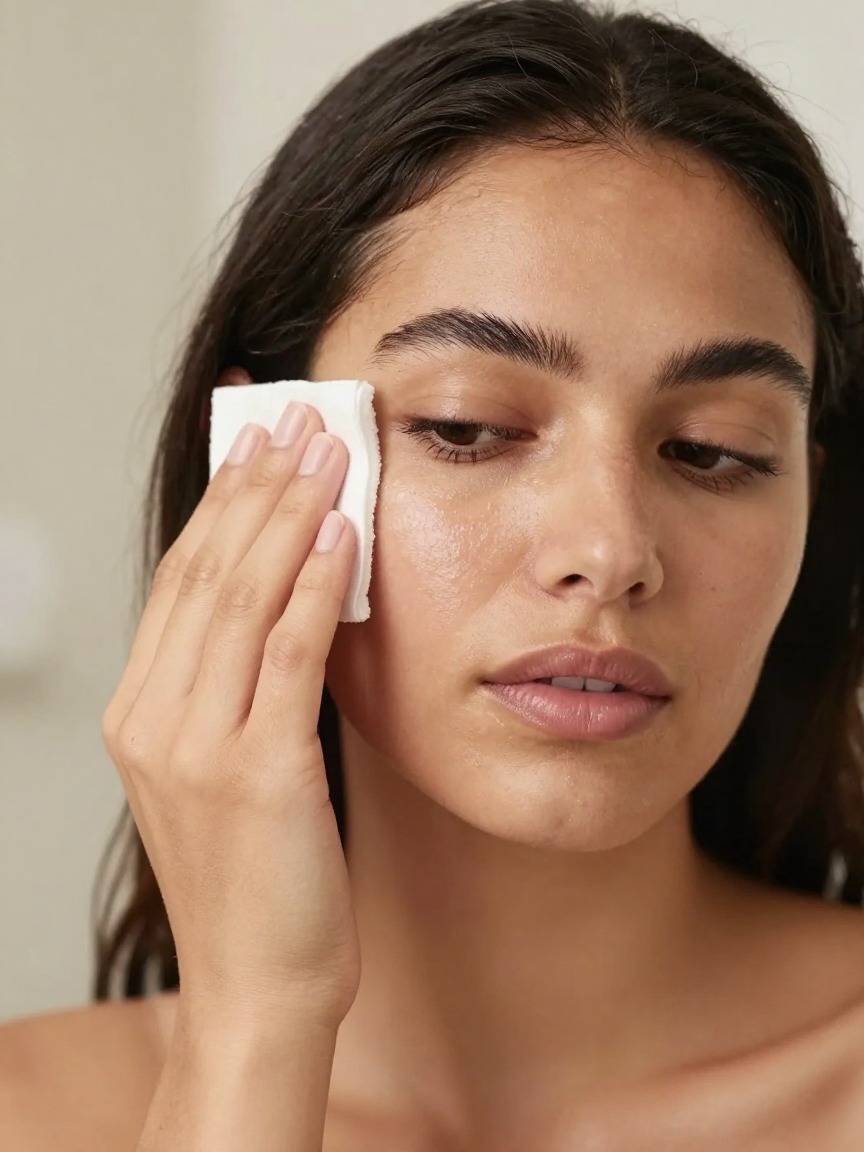
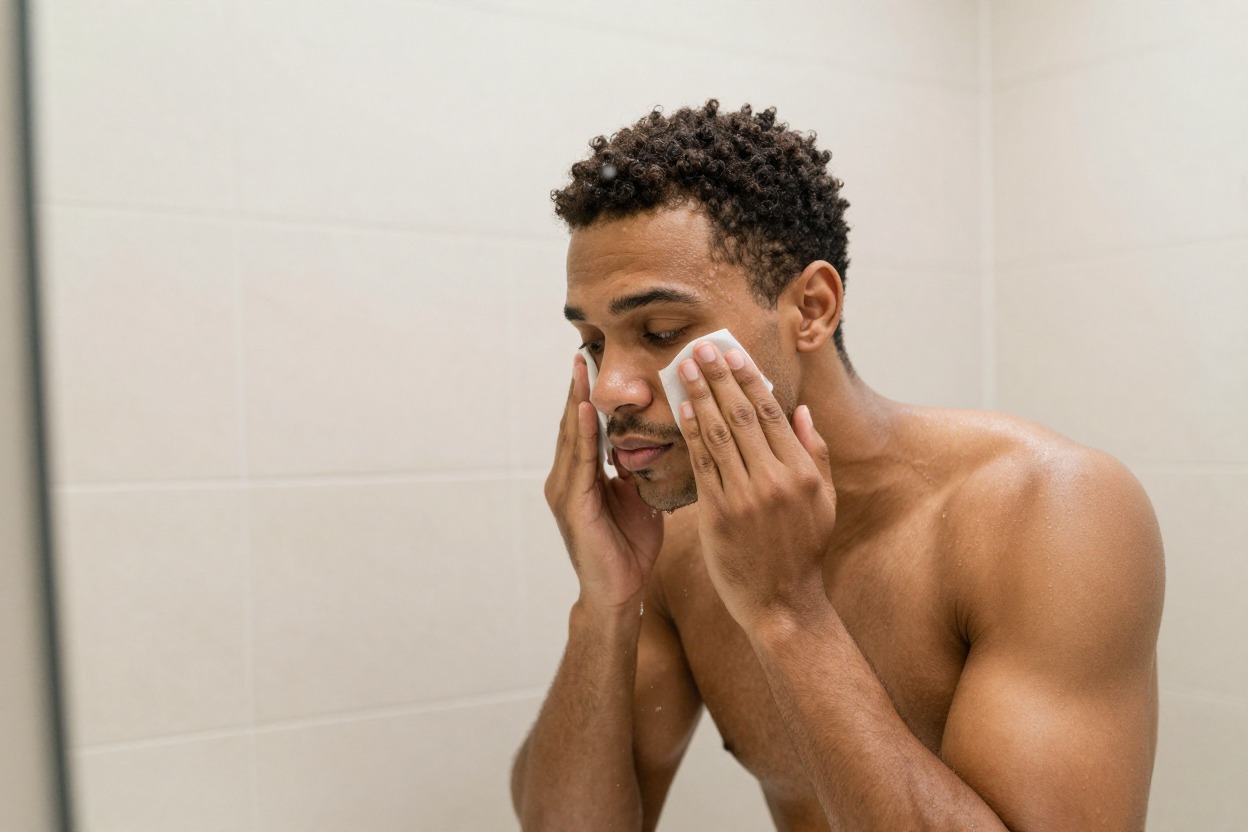
Apply to clean, dry or slightly damp skin. Sweep it on with a cotton pad, or press it in with clean hands. Do this before serums and moisturizer. Start two to three nights a week. Increase gradually as skin tolerates it. Most people don't need daily use to see results. Going straight to nightly use is the most common reason an acid toner causes redness and flaking, instead of clearer skin. Some people see a short bout of purging in the first few weeks, small breakouts or a few extra whiteheads as buildup surfaces faster than usual. That's different from ongoing irritation, and it should settle within about a month. Because exfoliating acids increase how easily skin sunburns, a broad-spectrum SPF the next morning isn't optional. It's part of the product working safely, whether it's used morning or night.
How long sebum, clogged pores and dead skin cells take to clear
Give an acid toner four to six weeks of consistent use. Skin cell turnover and breakout cycles both run on a roughly month-long timeline. Day-to-day changes are hard to read accurately. Expect gradual improvement in clogged pores, sebum buildup, and dead skin cells that used to trap breakouts, rather than an overnight fix. Avoid stacking a second new active in the same window. Otherwise it becomes hard to tell which product is actually responsible for any change. Well-known formulas from brands like Paula's Choice, COSRX, Some By Mi, The Ordinary, Thayers, and Pixi all take slightly different approaches to this.
Mistakes with retinoid, SPF and skin barrier support that undo the benefit
Stacking a separate BHA toner and AHA serum, or a retinoid, on the same night without spacing them apart
Judging a toner by how much it tightens or tingles, rather than by its actual ingredient list
Skipping moisturizer afterward because skin already feels oily, when skin barrier support still matters for acne-prone skin
Using a toner to try to shrink pores permanently; exfoliation can make pores look less clogged, but it doesn't change their physical size
When a dermatologist, not a toner, is the answer
An exfoliating toner is a maintenance tool. It isn't a treatment for active or persistent acne. See a board-certified dermatologist if breakouts are frequent, painful, cystic, or leaving scars. Also see one if nothing improves after a couple of months of consistent basic care. The same goes for sudden reactions or spreading redness. A toner won't fix any of that. A dermatologist can offer options, like prescription retinoids or oral treatments, not available over the counter.
Popular picks from related categories, chosen with the same rubric.
Editor's Pick#1
Dry-to-normal sensitive skin, especially anyone also using retinoids or other actives
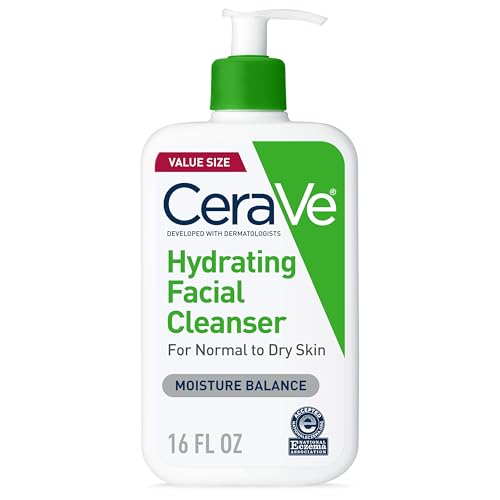
Hydrating Facial Cleanser
CeraVe
It's formulated with three ceramides, hyaluronic acid, and a National Eczema Association seal. Dermatologists mention it most often for reactive skin. It's a genuinely non-foaming, low-irritation formula that doesn't strip the barrier.
Ceramide and hyaluronic acid formula supports the skin barrier while cleansing
Fragrance-free, non-foaming, and won't disrupt a compromised moisture barrier
Budget-friendly per ounce and widely available at drugstores
Doesn't fully dissolve heavy sunscreen or long-wear makeup on its own, so double-cleansing days may need a micellar water or oil-based first step
Readers who want a well-formulated L-ascorbic acid serum without the prestige price tag
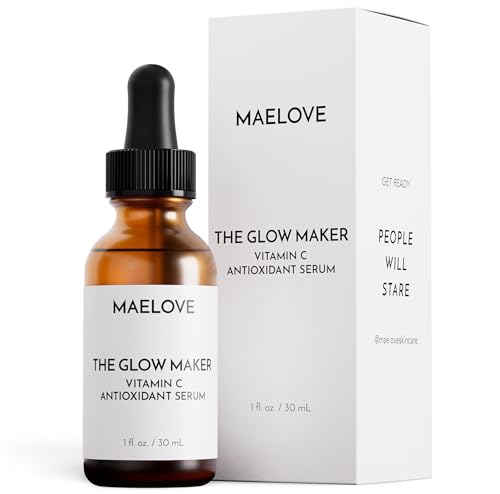
Glow Maker
Maelove
It leans on similar formulation logic to pricier serums: L-ascorbic acid plus vitamin E and ferulic acid. It costs a fraction of the price. That's why it's often called an affordable alternative to the prestige options.
Combines L-ascorbic acid with vitamin E and ferulic acid, echoing higher-end formulas
Opaque pump bottle helps limit light and air exposure
Noticeably cheaper per ounce than most L-ascorbic acid serums of similar formulation
The pump can dispense unevenly or feel like it needs priming, a minor but frequently mentioned annoyance
Normal to dry skin that wants a dermatologist-developed, fragrance-free daily moisturizer
CeraVe Moisturizing Cream
CeraVe
It pairs three essential ceramides with hyaluronic acid in a rich, fragrance-free base. Long-term users with dry, compromised skin consistently praise it. It's also inexpensive enough to use liberally.
Ceramide + hyaluronic acid formula supports the skin barrier
Fragrance-free and well-tolerated by sensitive skin
Large jar size makes it very cost-effective per ounce
The tub packaging means dipping fingers into the product, which isn't ideal for hygiene or portability
acne-prone, sensitive, or post-procedure skin that needs a dermatologist-trusted daily option
UV Clear Broad-Spectrum SPF 46
EltaMD
Dermatologists reach for EltaMD more than almost any other sunscreen. It pairs broad-spectrum zinc oxide protection with niacinamide and hyaluronic acid. The oil-free base is genuinely weightless and layers well under makeup.
Broad-spectrum SPF 46 with zinc oxide
Oil-free, non-comedogenic formula favored for acne-prone skin
Contains niacinamide and hyaluronic acid for added hydration
Pricier per ounce than most drugstore sunscreens, and the pump makes it easy to under-apply if you're not deliberate about the amount.
oily, pore-prone skin that wants a formula built specifically around pore congestion
Super Volcanic Pore Clay Mask 2X
innisfree
Two types of volcanic clay target sebum and blackheads. The texture isn't chalky or hard to remove like older clay formulas. It's also genuinely affordable for how often you'll reach for it.
Lightweight, non-cakey texture that spreads and rinses easily
Visibly reduces the look of congested pores after a single use
Priced low enough to use regularly without guilt
The mineral scent is noticeable and won't appeal to everyone
people who want the most clinically studied LED mask on the market and don't mind the price
Contour Face
Omnilux
Omnilux's LED technology is the same platform used in dermatology clinics. The Contour Face is its rigid, dermatologist-favorite home version, and it has more research behind it than most at-home competitors.
Extensive clinical research behind Omnilux's LED platform, more than most home devices
FDA-cleared for temporary reduction in the appearance of fine lines and wrinkles
Even, consistent light distance thanks to the rigid, hinged design
Rigid shell doesn't flex to different face shapes, there's no blue-light setting for acne, and it's one of the most expensive masks on the market
Affiliate disclosure: We may earn a commission from qualifying purchases made through links on this page, at no extra cost to you. Some links on this page are affiliate links.