In short: Clay masks manage oily skin by absorbing excess sebum and surface debris from pores. This gives a temporary mattifying effect. Bentonite is the strongest, kaolin the gentlest. Most oily skin does best with one to three uses a week, followed by a lightweight moisturizer—never skip that step.
Affiliate disclosure: We may earn a commission from qualifying purchases made through links on this page, at no extra cost to you. Some links on this page are affiliate links.
Masks & Exfoliation · Guide
Clay Masks for Oily Skin
Recommended clay masks for oily skin
Our current top picks in this category, judged on formulation, evidence, texture and value.
Editor's Pick#1
oily, pore-prone skin that wants a formula built specifically around pore congestion
Super Volcanic Pore Clay Mask 2X
innisfree
Two types of volcanic clay target sebum and blackheads. The texture isn't chalky or hard to remove like older clay formulas. It's also genuinely affordable for how often you'll reach for it.
Lightweight, non-cakey texture that spreads and rinses easily
Visibly reduces the look of congested pores after a single use
Priced low enough to use regularly without guilt
The mineral scent is noticeable and won't appeal to everyone
oily, blackhead- and breakout-prone skin that wants clay and a chemical exfoliant in one step
Salicylic Acid 2% Masque
The Ordinary
Pairs kaolin clay with 2% salicylic acid. It pulls surface oil while BHA works inside the pore lining. The price is genuinely low for what's in the formula.
Combines physical and chemical exfoliation in a single mask
Activated charcoal adds extra oil absorption
Inexpensive for what's actually in the formula
The salicylic acid can be too drying if used more than twice a week or layered with other actives the same day
How clay masks mattify oily skin by pulling sebum from pores
Oily skin produces more sebum than it needs. That extra oil mixes with dead skin cells, environmental grime, and product residue, and sits inside pores. Clay is mineral-rich, negatively charged, and porous. When you spread a wet clay mask over skin, it draws oil and debris out of the pore opening. This happens through simple adsorption—the oil molecules physically stick to the clay's surface. As the mask dries, it also tightens slightly. That's where the "pulling" sensation and the temporary mattifying effect come from. None of this changes how much oil your glands produce long-term. A clay mask manages the oil that's already there for a few hours to a day, not the underlying cause.
Bentonite, kaolin and French green clay: how they differ
Not all clay is interchangeable. Bentonite is sourced from weathered volcanic ash. It swells significantly in water and has the highest absorbency of the common cosmetic clays. That's why it's the workhorse behind classic bulk masks like Aztec Secret's Indian Healing Clay. Kaolin is gentler and whiter, with lower absorbency. That makes it a better fit for oily skin that's also sensitive or prone to redness. French green clay (illite) sits between the two in strength. It's often paired with charcoal for extra oil-binding surface area. Volcanic clay is a term used heavily by Korean skincare brands like innisfree. It generally performs like a bentonite-kaolin blend formulated to feel less chalky on skin. None of these clays is inherently "better." The right one depends on how much oil you're managing and how reactive your skin tends to be.
Choosing a clay mask for sensitive skin, blackheads and an oily T-zone
Skin that's uniformly oily across the whole face, without much sensitivity, tolerates bentonite well. It can usually handle bentonite two to three times a week. Combination skin is oily through the T-zone, with normal or dry cheeks. It's usually better served by multi-masking. Use a stronger clay on the forehead, nose, and chin, and a lighter formula—or none—elsewhere. Oily but sensitive skin, or skin prone to blackheads and breakouts, does best with kaolin-based formulas. Ideally, pick one that includes a humectant like glycerin, so the mask isn't purely dehydrating. If breakouts are a recurring issue, not just occasional, a clay mask blended with a low percentage of salicylic acid can do double duty. The BHA works inside the pore lining, while the clay manages surface oil.
Charcoal, salicylic acid and niacinamide: ingredients that work harder
Charcoal is one of the more common additions. It genuinely adds extra binding surface area for oil and impurities, not just a cosmetic dark tint. Sulfur, used in some acne-focused clay masks, has mild oil-reducing properties. It can dry skin out quickly, though, and has a distinct smell some people don't tolerate well. Niacinamide is increasingly paired with clay. It helps with the look of oiliness and uneven tone without adding extra stripping. Salicylic acid is another common pairing—The Ordinary's Salicylic Acid 2% Masque combines kaolin clay with a 2% BHA for oil control. On the flip side, watch for high alcohol content in clay masks marketed as "deep cleansing." It compounds the drying effect of the clay itself and isn't necessary for oil control.
Fitting oil control and moisturizer into your routine
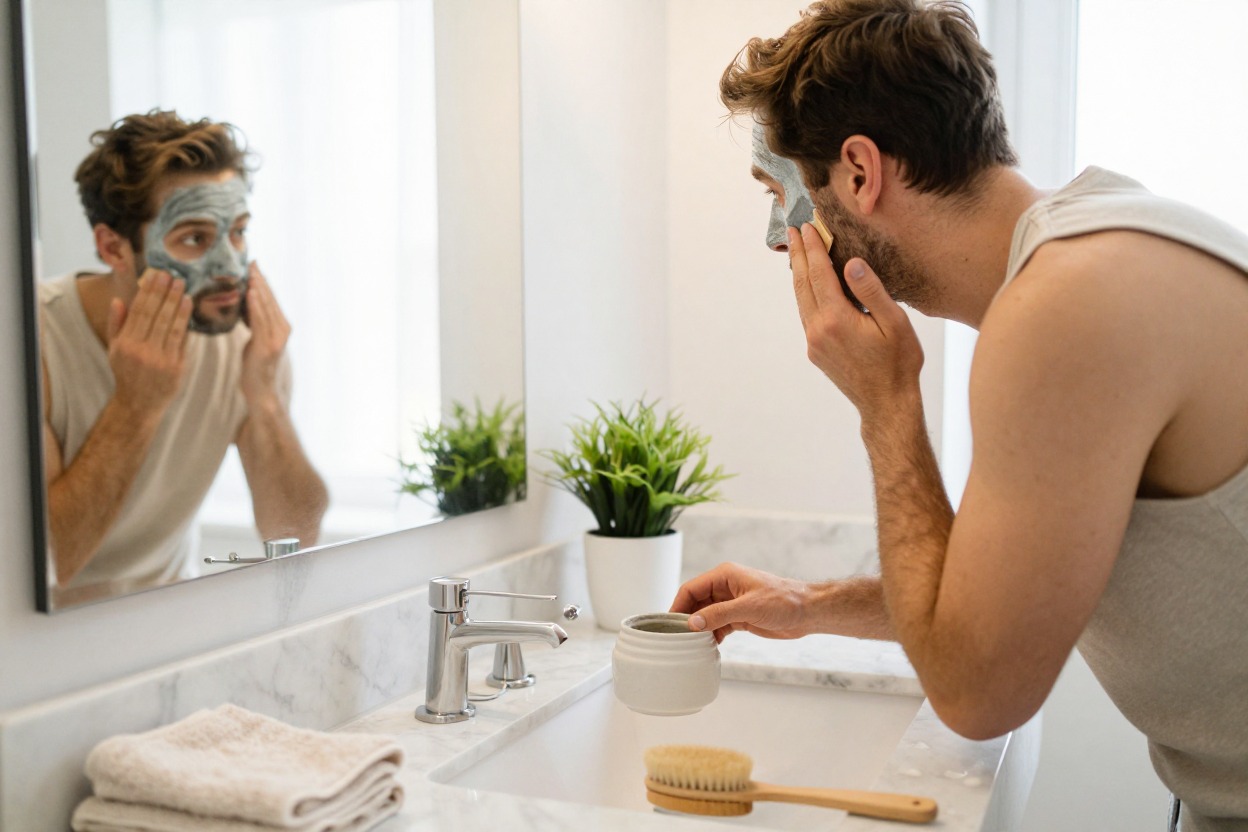
Apply clay to clean, dry skin. Masking over makeup or yesterday's sunscreen mostly traps that layer, rather than pulling out fresh oil. A thin, even layer works better than a thick one. More product doesn't pull more oil—it just takes longer to dry and raises the risk of over-tightening. The general rule is to rinse before the clay fully hardens and cracks. That's usually in the 8–12 minute range, depending on the formula and your environment. Check the specific product's instructions, rather than defaulting to "leave it until it's totally dry." Rinse with lukewarm water, not hot. Follow immediately with a lightweight, oil-free moisturizer, such as one from Kiehl's or L'Oréal Paris. Skipping moisturizer after a clay mask is one of the more common ways people end up with tight, flaky patches the next day.
Mistakes that trigger breakouts and undercut pore-prone skin
Masking too often. Daily use is rarely necessary and often backfires—stripped skin frequently responds by producing more oil, not less.
Ignoring the drying time. A cracked, fully hardened mask has pulled past surface oil into deeper hydration.
Combining too many actives on mask day. Layering a strong clay mask with retinoids, strong acids, or physical scrubs the same day raises the odds of irritation.
Using a whole-face strong clay when only part of your face runs oily. Multi-masking protects drier areas from unnecessary stripping.
Masking through active breakouts. Irritated skin reacts more harshly to clay, which can worsen redness on pore-prone areas.
Expecting pores to shrink permanently. Pore size is largely structural. Clay only reduces the temporary appearance of congestion.
When a clay mask isn't the answer
Clay masks are a cosmetic maintenance step, not a treatment for a skin condition. If oiliness comes with painful, cystic, or persistent acne, that's worth a conversation with a dermatologist. The same goes for sudden changes in skin texture, or reactions that don't calm down after a day or two. Rosacea-prone skin that flares with clay needs the same approach. Stop and get a professional opinion instead of pushing through discomfort.
Popular picks from related categories, chosen with the same rubric.
Editor's Pick#1
Dry-to-normal sensitive skin, especially anyone also using retinoids or other actives
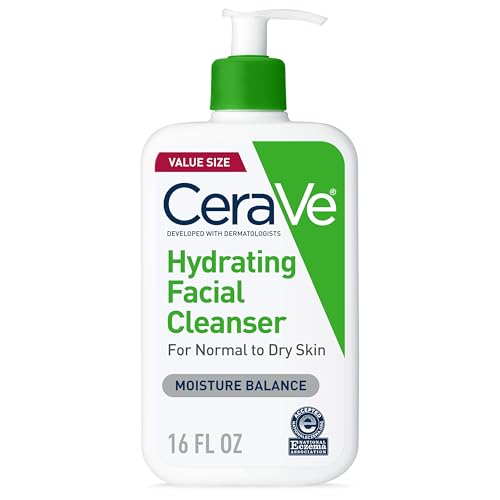
Hydrating Facial Cleanser
CeraVe
It's formulated with three ceramides, hyaluronic acid, and a National Eczema Association seal. Dermatologists mention it most often for reactive skin. It's a genuinely non-foaming, low-irritation formula that doesn't strip the barrier.
Ceramide and hyaluronic acid formula supports the skin barrier while cleansing
Fragrance-free, non-foaming, and won't disrupt a compromised moisture barrier
Budget-friendly per ounce and widely available at drugstores
Doesn't fully dissolve heavy sunscreen or long-wear makeup on its own, so double-cleansing days may need a micellar water or oil-based first step
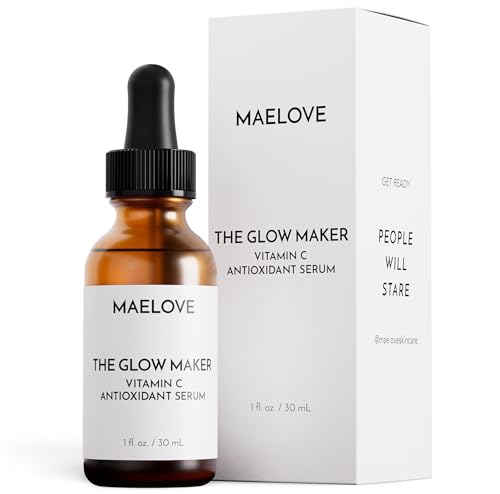
Readers who want a well-formulated L-ascorbic acid serum without the prestige price tag
Glow Maker
Maelove
It leans on similar formulation logic to pricier serums: L-ascorbic acid plus vitamin E and ferulic acid. It costs a fraction of the price. That's why it's often called an affordable alternative to the prestige options.
Combines L-ascorbic acid with vitamin E and ferulic acid, echoing higher-end formulas
Opaque pump bottle helps limit light and air exposure
Noticeably cheaper per ounce than most L-ascorbic acid serums of similar formulation
The pump can dispense unevenly or feel like it needs priming, a minor but frequently mentioned annoyance
Normal to dry skin that wants a dermatologist-developed, fragrance-free daily moisturizer
CeraVe Moisturizing Cream
CeraVe
It pairs three essential ceramides with hyaluronic acid in a rich, fragrance-free base. Long-term users with dry, compromised skin consistently praise it. It's also inexpensive enough to use liberally.
Ceramide + hyaluronic acid formula supports the skin barrier
Fragrance-free and well-tolerated by sensitive skin
Large jar size makes it very cost-effective per ounce
The tub packaging means dipping fingers into the product, which isn't ideal for hygiene or portability
acne-prone, sensitive, or post-procedure skin that needs a dermatologist-trusted daily option
UV Clear Broad-Spectrum SPF 46
EltaMD
Dermatologists reach for EltaMD more than almost any other sunscreen. It pairs broad-spectrum zinc oxide protection with niacinamide and hyaluronic acid. The oil-free base is genuinely weightless and layers well under makeup.
Broad-spectrum SPF 46 with zinc oxide
Oil-free, non-comedogenic formula favored for acne-prone skin
Contains niacinamide and hyaluronic acid for added hydration
Pricier per ounce than most drugstore sunscreens, and the pump makes it easy to under-apply if you're not deliberate about the amount.
Anyone dealing with clogged pores, blackheads, or rough, bumpy texture who wants an evidence-backed exfoliating toner
2% BHA Liquid Exfoliant
Paula's Choice
It's built around a well-studied 2% salicylic acid concentration at an effective pH. The base is fragrance-free and alcohol-free. That combination is why it's stayed a favorite among ingredient-focused shoppers for years, rather than fading as a trend.
2% salicylic acid at a pH that actually works
Fragrance-free and alcohol-free formula
Noticeably improves texture and blackheads with consistent use
The active concentration can cause redness or flaking in the first couple of weeks, so it's not the easiest starting point for very reactive or rosacea-prone skin
people who want the most clinically studied LED mask on the market and don't mind the price
Contour Face
Omnilux
Omnilux's LED technology is the same platform used in dermatology clinics. The Contour Face is its rigid, dermatologist-favorite home version, and it has more research behind it than most at-home competitors.
Extensive clinical research behind Omnilux's LED platform, more than most home devices
FDA-cleared for temporary reduction in the appearance of fine lines and wrinkles
Even, consistent light distance thanks to the rigid, hinged design
Rigid shell doesn't flex to different face shapes, there's no blue-light setting for acne, and it's one of the most expensive masks on the market
Affiliate disclosure: We may earn a commission from qualifying purchases made through links on this page, at no extra cost to you. Some links on this page are affiliate links.