In short: Facial cleansing brushes use silicone or bristle heads to mechanically lift makeup, sunscreen, and daily grime that hand-washing alone misses. Silicone is gentler and more hygienic. Bristle exfoliates more but needs regular head changes. Used 2 to 3 times a week, most skin benefits. Used daily, or during an acne or rosacea flare, brushes are more likely to irritate than help.
Affiliate disclosure: We may earn a commission from qualifying purchases made through links on this page, at no extra cost to you. Some links on this page are affiliate links.
Tools & Devices · Guide
Facial Cleansing Brushes
Recommended facial cleansing brushes
Our current top picks in this category, judged on formulation, evidence, texture and value.
Editor's Pick#1
Anyone who wants a premium, ultra-hygienic silicone cleanse with app-guided routines
Luna 4
Foreo
Foreo's flagship pairs soft silicone touch-points with T-Sonic pulsations. A companion app adjusts intensity by zone. The non-porous silicone also stays more hygienic between washes than any bristle brush.
Non-porous silicone never needs bristle-head replacements
Roughly 8-week battery life on a single charge
App-guided routine adjusts intensity by face zone
Price is hard to justify if you just want a basic clean — a meaningful part of the cost is the app and brand, not the mechanism
Users who want cleansing plus a gentle daily facial massage in one device
PMD Clean
PMD Beauty
The PMD Clean adds a silicone-tipped vibration and massage function alongside sonic cleansing. It doubles as a cleanse-and-massage step, not cleansing alone.
Dual-function: sonic cleansing plus vibration massage
Silicone head is easy to keep hygienic
Long battery life, rechargeable via USB
Bulkier and heavier in hand than most silicone brushes, which makes it feel less travel-friendly
Budget-conscious beginners who want a simple bristle brush from a trusted drugstore brand
Regenerist Facial Cleansing Brush
Olay
It's a straightforward battery-powered spin brush at a fraction of the price of premium silicone devices. It's a low-risk way to find out if you even like using a brush before spending more.
Much cheaper upfront than sonic silicone devices
Simple one-button operation, no app or setup
Compact size travels easily
The nylon bristle head needs replacing roughly every 3 months, which adds up as an ongoing cost
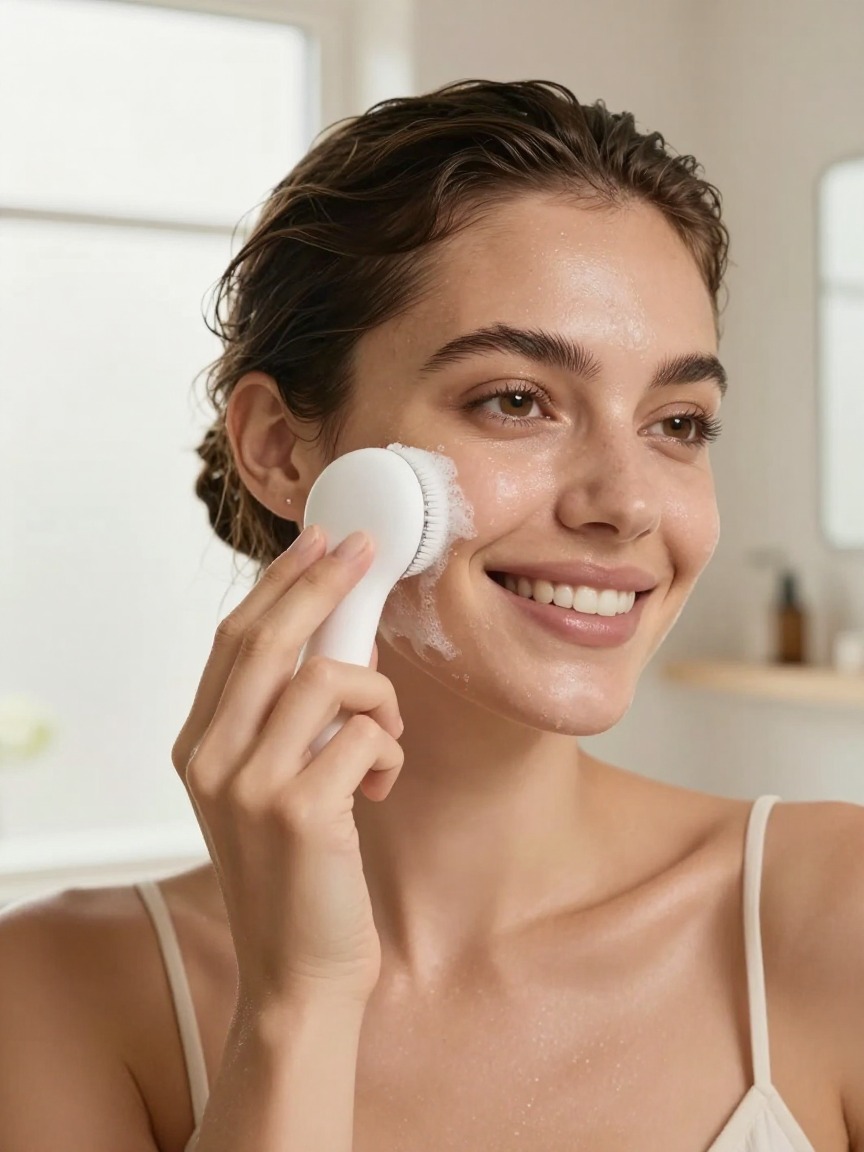
A facial cleansing brush adds mechanical motion — vibration, oscillation, or rotation — to the act of massaging cleanser into skin. It doesn't replace your cleanser. It works with whatever cleanser you're already using, agitating it against the skin's surface to help lift makeup, sunscreen, sebum, and the grime fingertips alone tend to leave behind. Comparisons of sonic and oscillating devices against manual washing generally find they remove makeup and surface debris more thoroughly. But more thorough isn't automatically better for your skin — thoroughness has to be balanced against how much mechanical stress your skin can tolerate.
Mechanical exfoliation vs. simple cleansing
Every facial cleansing brush adds some degree of mechanical exfoliation on top of cleansing, even the gentlest silicone models. That's the whole point — and also the whole risk. More exfoliation can mean brighter, smoother-feeling skin. Too much exfoliation can mean a compromised skin barrier, redness, and breakouts.
Silicone vs. Bristle: How They Differ
Silicone (sonic) brushes
Silicone devices use a solid, non-porous head that pulses at high frequency rather than spinning. There's nowhere for water or product to sit and breed bacteria between uses — you rinse it and it's essentially clean. The trade-off is less physical exfoliation. Silicone moves product around and lifts debris, but it doesn't buff at dead skin the way bristles do. Popular silicone picks include Foreo's Luna line, PMD Beauty's PMD Clean, and budget options from Olay and Vanav.
Bristle, oscillating heads & vibration
Bristle brushes use nylon or synthetic fibers on a spinning or oscillating head, driven by the same kind of vibration motor as silicone devices. They exfoliate more noticeably, which some people love and others find too aggressive for daily use. Bristles are porous by nature, so they need to be rinsed, air-dried head-down, and replaced every few months. A wet bristle head left in a humid bathroom is a reasonable place for bacteria to grow. Clarisonic popularized this style of oscillating bristle brush, though the brand is now discontinued.
Matching a Brush to Sensitive Skin, Acne & Rosacea
Oily or acne-prone, with no active breakouts: a lower-intensity silicone brush used a few times a week can help keep pores clearer without over-stripping. Skip it entirely during an active breakout.
Dry or sensitive skin: silicone on the lowest setting, once or twice a week at most. Bristle brushes are usually too much for a compromised skin barrier.
Rosacea-prone skin: treat a brush as optional, not routine — vibration and friction are common flare triggers, so many rosacea-prone users skip brushes altogether.
Combination skin: either type works. Focus the brush more on the T-zone and go lighter on the cheeks.
Mature skin: gentle silicone is generally the safer choice. Thinner, less elastic skin tolerates aggressive bristle exfoliation poorly.
Hygienic Care: Bacteria, Replacement Heads & Waterproof Use
A bristle brush is only as hygienic as your habits around it. Nylon bristles hold onto moisture, dead skin, and leftover cleanser. A head that's rinsed but not fully dried between uses becomes a small reservoir for bacteria — and that reservoir gets pressed against your face every time you use it. Rinse thoroughly under running water after every session, shake off excess water, and store the brush head-up somewhere it can dry completely, not sealed in a damp travel case. Mark a replacement-head date on your calendar rather than waiting until bristles visibly fray. Any device you use in the shower should also carry a solid waterproof rating, since splashes and full submersion are very different things.
Starting Slow: Speed Settings for New Users
If you've never used a cleansing brush before, resist the urge to jump straight into a daily routine because the device feels gentle in your hand. Skin's response to mechanical exfoliation isn't always immediate. Irritation can build over days rather than showing up after the first use. Patch test on one side of your face for the first session. Use the lowest speed setting available, and wait a full 48 hours before deciding whether to use it again. This is especially worth doing if you have a history of sensitive skin, even if you've never had an issue with a physical scrub or brush before.
How to Fit One Into Your Routine
Use a cleansing brush in the evening, on top of a first cleanse if you wear sunscreen or makeup — an oil or balm cleanser first to break down product, then your regular cleanser with the brush. Wet your face, apply cleanser, and let the brush work for 20 to 30 seconds per zone rather than scrubbing back and forth by hand. Rinse the brush head thoroughly after every use and let it air dry before storing it.
Overuse, Frequency & Skin Barrier Irritation
The single most common mistake with cleansing brushes is using them too often. Most guidance suggests 2 to 3 sessions a week for most skin types, not once or twice daily. Daily use, especially with a bristle brush, tends to compromise the skin barrier over time. That shows up as tightness, redness, increased sensitivity to your other products, or a rebound in oil production as skin tries to compensate for over-stripping. If you notice any of that, stop using the brush for a week or two and let your barrier recover before reintroducing it, at a lower frequency.
Can a cleansing brush cause breakouts?
Yes, if it's used too often, with a dirty bristle head, or over active acne. A stressed skin barrier can overproduce oil, and a dirty head can transfer bacteria straight onto skin — both show up as new breakouts. Used clean, at a sensible frequency, most skin doesn't see this effect.
When to Skip It, or See a Dermatologist
Facial cleansing brushes are not appropriate for everyone. Active acne with inflamed or open lesions, a current rosacea flare, eczema, or any broken or actively irritated skin are all reasons to leave the brush in the drawer until skin has calmed down. Mechanical friction on inflamed skin can spread bacteria, worsen redness, and delay healing. We're reviewers, not dermatologists, and this is exactly the kind of decision a dermatologist is best placed to make for your specific skin. If breakouts or irritation persist regardless of what tools you use, that's a conversation for a professional, not a new device.
Common Mistakes
Using a brush every day rather than a few times a week.
Starting on a high-intensity setting instead of the lowest one.
Pressing the brush hard against skin instead of letting the motor do the work.
Skipping cleaning and drying the brush head between uses.
Using a brush during an active breakout, rosacea flare, or on broken skin.
Popular picks from related categories, chosen with the same rubric.
Editor's Pick#1
Dry-to-normal sensitive skin, especially anyone also using retinoids or other actives
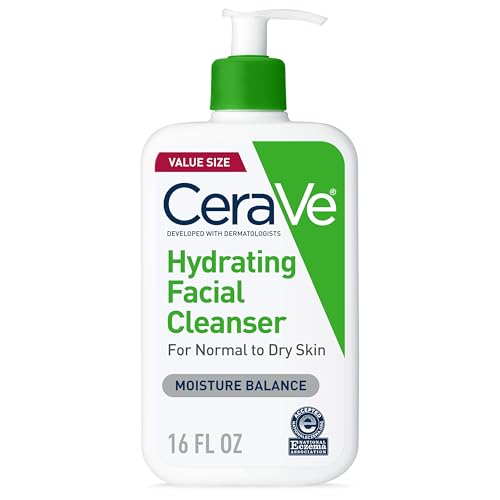
Hydrating Facial Cleanser
CeraVe
It's formulated with three ceramides, hyaluronic acid, and a National Eczema Association seal. Dermatologists mention it most often for reactive skin. It's a genuinely non-foaming, low-irritation formula that doesn't strip the barrier.
Ceramide and hyaluronic acid formula supports the skin barrier while cleansing
Fragrance-free, non-foaming, and won't disrupt a compromised moisture barrier
Budget-friendly per ounce and widely available at drugstores
Doesn't fully dissolve heavy sunscreen or long-wear makeup on its own, so double-cleansing days may need a micellar water or oil-based first step
Readers who want a well-formulated L-ascorbic acid serum without the prestige price tag
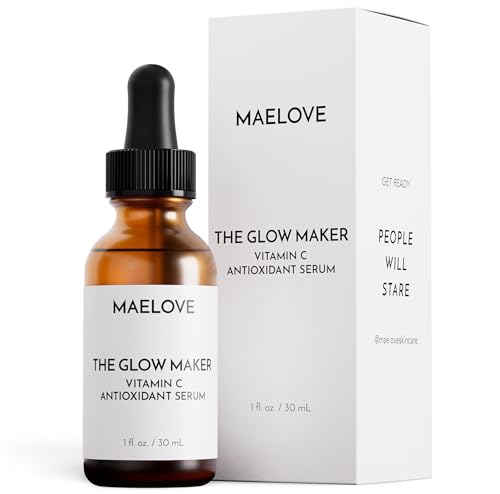
Glow Maker
Maelove
It leans on similar formulation logic to pricier serums: L-ascorbic acid plus vitamin E and ferulic acid. It costs a fraction of the price. That's why it's often called an affordable alternative to the prestige options.
Combines L-ascorbic acid with vitamin E and ferulic acid, echoing higher-end formulas
Opaque pump bottle helps limit light and air exposure
Noticeably cheaper per ounce than most L-ascorbic acid serums of similar formulation
The pump can dispense unevenly or feel like it needs priming, a minor but frequently mentioned annoyance
Normal to dry skin that wants a dermatologist-developed, fragrance-free daily moisturizer
CeraVe Moisturizing Cream
CeraVe
It pairs three essential ceramides with hyaluronic acid in a rich, fragrance-free base. Long-term users with dry, compromised skin consistently praise it. It's also inexpensive enough to use liberally.
Ceramide + hyaluronic acid formula supports the skin barrier
Fragrance-free and well-tolerated by sensitive skin
Large jar size makes it very cost-effective per ounce
The tub packaging means dipping fingers into the product, which isn't ideal for hygiene or portability
acne-prone, sensitive, or post-procedure skin that needs a dermatologist-trusted daily option
UV Clear Broad-Spectrum SPF 46
EltaMD
Dermatologists reach for EltaMD more than almost any other sunscreen. It pairs broad-spectrum zinc oxide protection with niacinamide and hyaluronic acid. The oil-free base is genuinely weightless and layers well under makeup.
Broad-spectrum SPF 46 with zinc oxide
Oil-free, non-comedogenic formula favored for acne-prone skin
Contains niacinamide and hyaluronic acid for added hydration
Pricier per ounce than most drugstore sunscreens, and the pump makes it easy to under-apply if you're not deliberate about the amount.
oily, pore-prone skin that wants a formula built specifically around pore congestion
Super Volcanic Pore Clay Mask 2X
innisfree
Two types of volcanic clay target sebum and blackheads. The texture isn't chalky or hard to remove like older clay formulas. It's also genuinely affordable for how often you'll reach for it.
Lightweight, non-cakey texture that spreads and rinses easily
Visibly reduces the look of congested pores after a single use
Priced low enough to use regularly without guilt
The mineral scent is noticeable and won't appeal to everyone
Anyone dealing with clogged pores, blackheads, or rough, bumpy texture who wants an evidence-backed exfoliating toner
2% BHA Liquid Exfoliant
Paula's Choice
It's built around a well-studied 2% salicylic acid concentration at an effective pH. The base is fragrance-free and alcohol-free. That combination is why it's stayed a favorite among ingredient-focused shoppers for years, rather than fading as a trend.
2% salicylic acid at a pH that actually works
Fragrance-free and alcohol-free formula
Noticeably improves texture and blackheads with consistent use
The active concentration can cause redness or flaking in the first couple of weeks, so it's not the easiest starting point for very reactive or rosacea-prone skin
Affiliate disclosure: We may earn a commission from qualifying purchases made through links on this page, at no extra cost to you. Some links on this page are affiliate links.