In short: A basic acne routine has five steps: a gentle cleanser, a salicylic acid (BHA) treatment, an OTC retinoid (adapalene) or benzoyl peroxide, an oil-free moisturizer, and a non-comedogenic sunscreen. Introduce actives one at a time. Avoid stacking them all at once, and see a dermatologist for persistent or cystic acne that doesn't improve.
Affiliate disclosure: We may earn a commission from qualifying purchases made through links on this page, at no extra cost to you. Some links on this page are affiliate links.
Routines & Skin Concerns · Guide
Skincare Routine for Acne-Prone Skin
Recommended skincare routine for acne-prone skin
Our current top picks in this category, judged on formulation, evidence, texture and value.
Cleanser#1
Normal to oily, acne-prone skin that needs a gentle first step without added actives
Cleanser — CeraVe Foaming Facial Cleanser
CeraVe
A fragrance-free, non-comedogenic foaming cleanser with ceramides and niacinamide. It removes excess oil without leaving skin tight. A safe first step before introducing any acne actives.
Ceramides and niacinamide help support the skin barrier while cleansing
Non-comedogenic and fragrance-free
Affordable enough for twice-daily use without hesitation
The foaming pump dispenser is prone to clogging or breaking well before the bottle is empty
A leave-on salicylic acid liquid with a long track record. It’s formulated to get into the pore lining. There it clears the debris that leads to blackheads and clogged pores.
2% salicylic acid concentration backed by strong ingredient evidence
Lightweight liquid absorbs quickly with no rinsing required
Contains green tea extract to help offset dryness from the acid
Contains a small amount of alcohol denat., which can sting on compromised or very sensitive skin
Anyone starting a retinoid for the first time who wants a well-tolerated OTC option
Adapalene (Retinoid) — Differin Gel Acne Treatment, Adapalene 0.1%
Differin
Adapalene was the first prescription-strength retinoid to become available over the counter. It works on both current breakouts and future ones. It does this by normalizing how skin cells shed inside the pore.
Once-daily adapalene 0.1% backed by strong clinical research
Works on both existing acne and future clogged pores, not just active breakouts
One tube lasts months at a pea-sized dose
Purging, dryness, and peeling are common in the first four to six weeks, and it takes patience before results show
Salicylic Acid, Benzoyl Peroxide & Adapalene: Building a Skincare Routine for Acne-Prone Skin
Acne is one of the most over-treated skin concerns. It's tempting to throw every acne-fighting product at it at once. In practice, a smaller routine used consistently outperforms a crowded one. The skin barrier needs to stay intact for actives to work properly. This guide covers what acne-prone skin actually needs, which ingredients have real evidence behind them, and how to sequence a routine so it doesn't backfire.
Clogged Pores, Excess Oil & Inflammation: What Causes Acne-Prone Skin to Break Out
Most acne starts with a mix of excess sebum (oil), dead skin cells that don't shed properly, and acne-related bacteria. Those dead cells clog the pore, and bacteria thrive in that clogged, oxygen-poor environment. Hormonal fluctuations, certain medications, and some hair and skin products can all make pores more likely to clog. That's why a routine built around unclogging pores, managing oil, and calming inflammation tends to work better than one that just dries out skin.
A handful of ingredients have the strongest research behind them for acne. Most effective routines are built around just one or two of these, not a long ingredient list.
Salicylic acid (BHA): an oil-soluble exfoliant. It gets into the pore lining and clears the debris that leads to blackheads and whiteheads. Paula's Choice makes one of the best-known leave-on versions.
Benzoyl peroxide: reduces the bacteria associated with acne. It's available over the counter in strengths from about 2.5% to 10%. Lower strengths, like the one in La Roche-Posay's Effaclar Duo, are often just as effective with less irritation.
Adapalene (a retinoid): the first prescription-strength retinoid to become available over the counter, sold under names like Differin. It normalizes cell turnover, so pores are less likely to clog. It works on both existing breakouts and future ones.
Niacinamide: a well-tolerated ingredient. It helps support the skin barrier and can reduce redness. It's often layered under moisturizer, or built into fragrance-free sunscreens like EltaMD's UV Clear.
Ceramides: lipids that help the skin barrier hold moisture. They're common in fragrance-free cleansers and moisturizers, such as CeraVe's lineup.
None of these ingredients work overnight. Most take six to twelve weeks of consistent use before you can fairly judge whether they're helping. That's longer than most people expect.
Gentle Cleanser, Oil-Free Moisturizer & Non-Comedogenic, Broad-Spectrum Sunscreen: How the Routine Fits Together
A basic morning and evening structure works for most acne-prone skin.
Evening: gentle cleanser, one active ingredient (BHA, benzoyl peroxide, or adapalene, not all three), oil-free moisturizer.
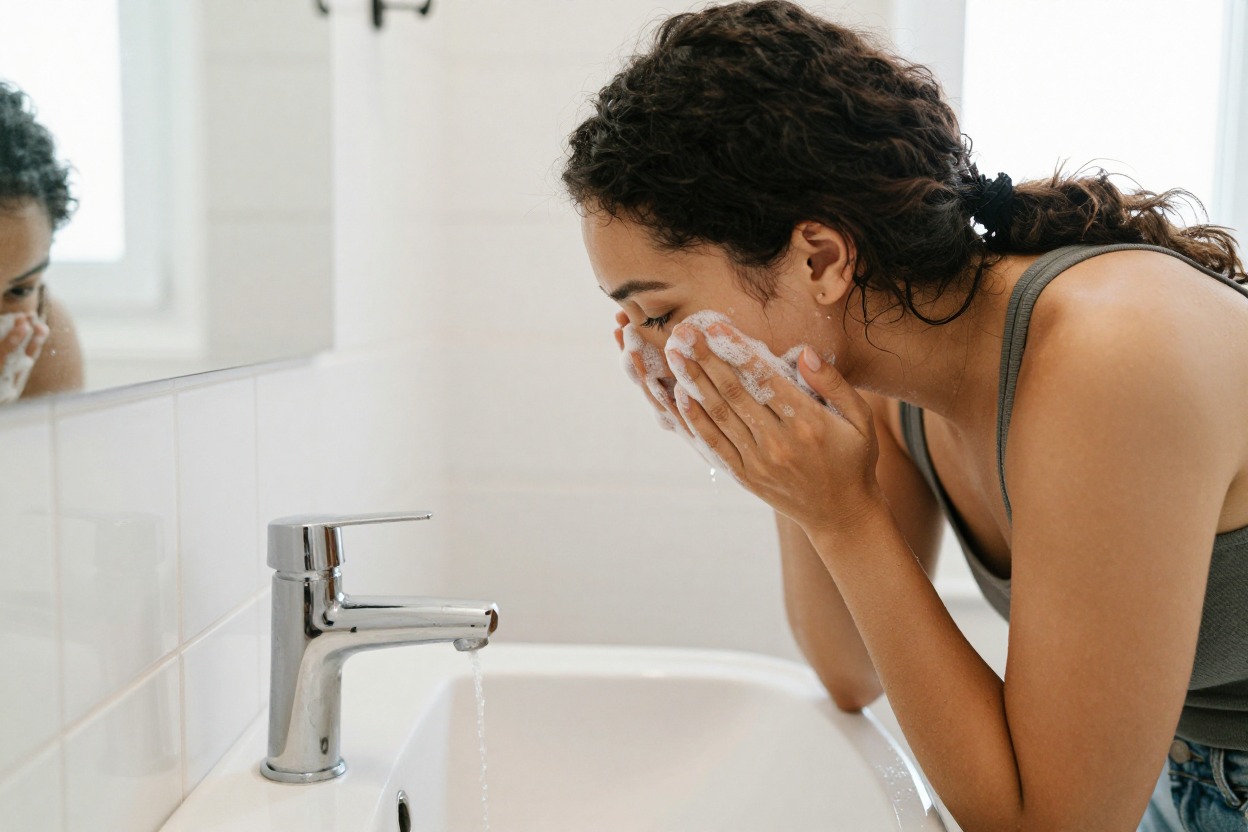
The cleanser's job is simple: remove the day's oil, sunscreen, and debris without disrupting the skin barrier. It doesn't need active ingredients to do that well. Save actives for leave-on products, where they actually have time on the skin to work, rather than a cleanser that's rinsed off in seconds. Moisturizer and sunscreen should both be labeled oil-free and non-comedogenic, so they support the routine instead of clogging pores of their own.
Oily Skin, Combination Skin & Sensitive Skin: Choosing By Skin Type
Acne-prone skin isn't one thing. The right combination of actives depends on how skin tolerates them.
Oily and resilient skin: often tolerates a BHA most nights well. Benzoyl peroxide also works as a spot treatment or short-contact wash.
Combination skin with occasional breakouts: usually does best starting with BHA two to three nights a week, then building up gradually.
Sensitive or easily irritated skin: benefits from introducing a single active at a time. Use it every other night at first, and pair it with a barrier-supporting moisturizer that contains ceramides or niacinamide.
Azelaic Acid & Spot Treatments: What About Extra Steps?
A dedicated spot treatment, usually a higher-concentration benzoyl peroxide gel, can be dabbed directly on an active blemish. It can sit on top of a broader routine without necessarily counting as a second full-face active. Azelaic acid is worth knowing about too. It's gentler than BHA or benzoyl peroxide for many people. It helps with both breakouts and the red or dark marks they leave behind. It can sometimes be layered with other actives that would otherwise need to be kept separate. None of these extras replace the core steps. They're additions for specific problems, not a foundation to build a routine around.
Skin Barrier Damage & Purging: Mistakes That Make Acne-Prone Skin Worse
The most common mistake is stacking too many actives at once. That means a BHA, a benzoyl peroxide treatment, and adapalene, all in the same routine from day one. That combination usually leads to redness, peeling, and a compromised skin barrier. It can trigger more breakouts, not fewer, as skin tries to compensate for the irritation. Some of the early bumps are purging rather than a new problem. A few other frequent issues:
Skipping moisturizer because skin feels oily. This often increases oil production as skin tries to replace what's been stripped away.
Over-washing or scrubbing, which irritates skin without actually reducing oil production long-term.
Stopping actives as soon as skin clears, then experiencing a rebound breakout. Most actives are meant to be maintained, not used short-term.
Skipping sunscreen while using BHA, benzoyl peroxide, or adapalene. All three increase sun sensitivity.
Cystic Acne & When to See a Dermatologist
Over-the-counter routines can meaningfully improve mild to moderate acne, but they have limits. Cystic, painful, or scarring acne is worth discussing with a board-certified dermatologist. So are breakouts that haven't improved after two to three months of consistent OTC use. Prescription options, including stronger retinoids and oral medications, address underlying causes that store-bought products can't reach on their own. This guide is written by researchers and reviewers, not dermatologists. It's not a substitute for a professional diagnosis.
Popular picks from related categories, chosen with the same rubric.
Editor's Pick#1
Dry-to-normal sensitive skin, especially anyone also using retinoids or other actives
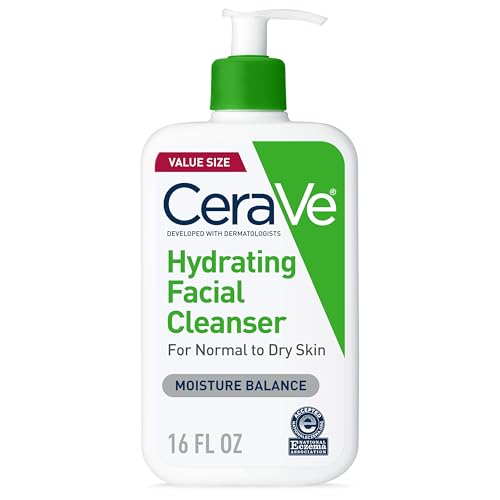
Hydrating Facial Cleanser
CeraVe
It's formulated with three ceramides, hyaluronic acid, and a National Eczema Association seal. Dermatologists mention it most often for reactive skin. It's a genuinely non-foaming, low-irritation formula that doesn't strip the barrier.
Ceramide and hyaluronic acid formula supports the skin barrier while cleansing
Fragrance-free, non-foaming, and won't disrupt a compromised moisture barrier
Budget-friendly per ounce and widely available at drugstores
Doesn't fully dissolve heavy sunscreen or long-wear makeup on its own, so double-cleansing days may need a micellar water or oil-based first step
Readers who want a well-formulated L-ascorbic acid serum without the prestige price tag
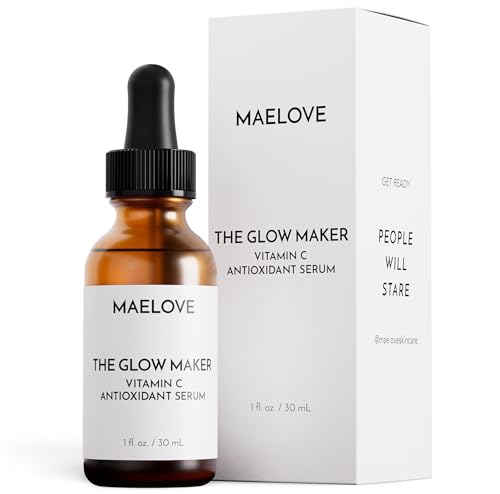
Glow Maker
Maelove
It leans on similar formulation logic to pricier serums: L-ascorbic acid plus vitamin E and ferulic acid. It costs a fraction of the price. That's why it's often called an affordable alternative to the prestige options.
Combines L-ascorbic acid with vitamin E and ferulic acid, echoing higher-end formulas
Opaque pump bottle helps limit light and air exposure
Noticeably cheaper per ounce than most L-ascorbic acid serums of similar formulation
The pump can dispense unevenly or feel like it needs priming, a minor but frequently mentioned annoyance
Normal to dry skin that wants a dermatologist-developed, fragrance-free daily moisturizer
CeraVe Moisturizing Cream
CeraVe
It pairs three essential ceramides with hyaluronic acid in a rich, fragrance-free base. Long-term users with dry, compromised skin consistently praise it. It's also inexpensive enough to use liberally.
Ceramide + hyaluronic acid formula supports the skin barrier
Fragrance-free and well-tolerated by sensitive skin
Large jar size makes it very cost-effective per ounce
The tub packaging means dipping fingers into the product, which isn't ideal for hygiene or portability
acne-prone, sensitive, or post-procedure skin that needs a dermatologist-trusted daily option
UV Clear Broad-Spectrum SPF 46
EltaMD
Dermatologists reach for EltaMD more than almost any other sunscreen. It pairs broad-spectrum zinc oxide protection with niacinamide and hyaluronic acid. The oil-free base is genuinely weightless and layers well under makeup.
Broad-spectrum SPF 46 with zinc oxide
Oil-free, non-comedogenic formula favored for acne-prone skin
Contains niacinamide and hyaluronic acid for added hydration
Pricier per ounce than most drugstore sunscreens, and the pump makes it easy to under-apply if you're not deliberate about the amount.
oily, pore-prone skin that wants a formula built specifically around pore congestion
Super Volcanic Pore Clay Mask 2X
innisfree
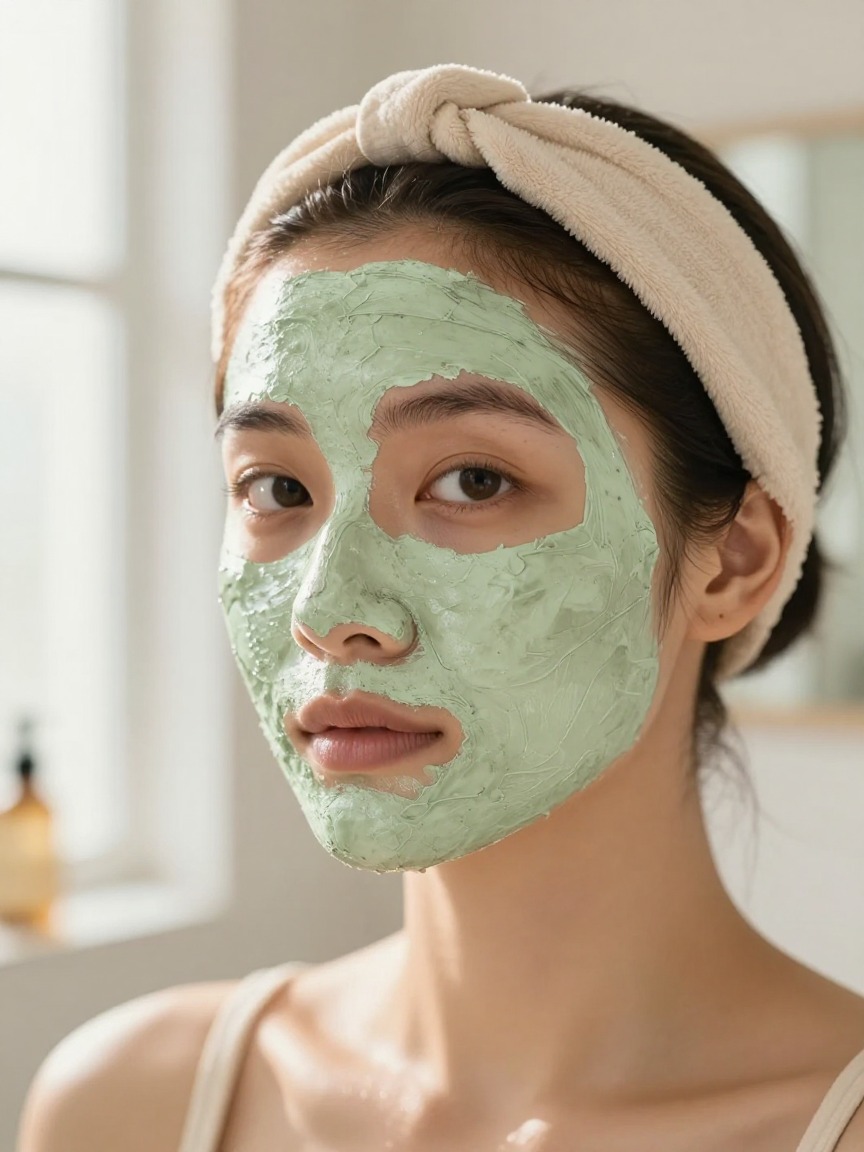
Two types of volcanic clay target sebum and blackheads. The texture isn't chalky or hard to remove like older clay formulas. It's also genuinely affordable for how often you'll reach for it.
Lightweight, non-cakey texture that spreads and rinses easily
Visibly reduces the look of congested pores after a single use
Priced low enough to use regularly without guilt
The mineral scent is noticeable and won't appeal to everyone
Anyone dealing with clogged pores, blackheads, or rough, bumpy texture who wants an evidence-backed exfoliating toner
2% BHA Liquid Exfoliant
Paula's Choice
It's built around a well-studied 2% salicylic acid concentration at an effective pH. The base is fragrance-free and alcohol-free. That combination is why it's stayed a favorite among ingredient-focused shoppers for years, rather than fading as a trend.
2% salicylic acid at a pH that actually works
Fragrance-free and alcohol-free formula
Noticeably improves texture and blackheads with consistent use
The active concentration can cause redness or flaking in the first couple of weeks, so it's not the easiest starting point for very reactive or rosacea-prone skin
Affiliate disclosure: We may earn a commission from qualifying purchases made through links on this page, at no extra cost to you. Some links on this page are affiliate links.