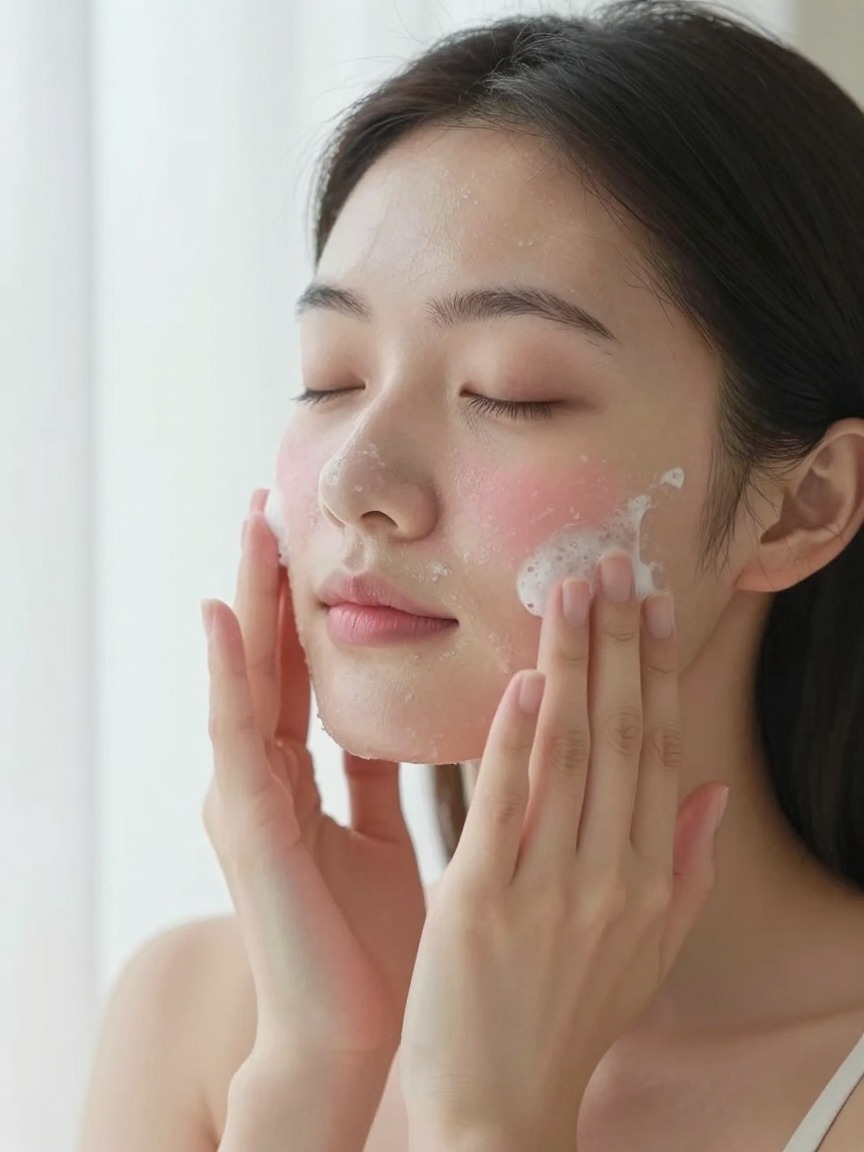
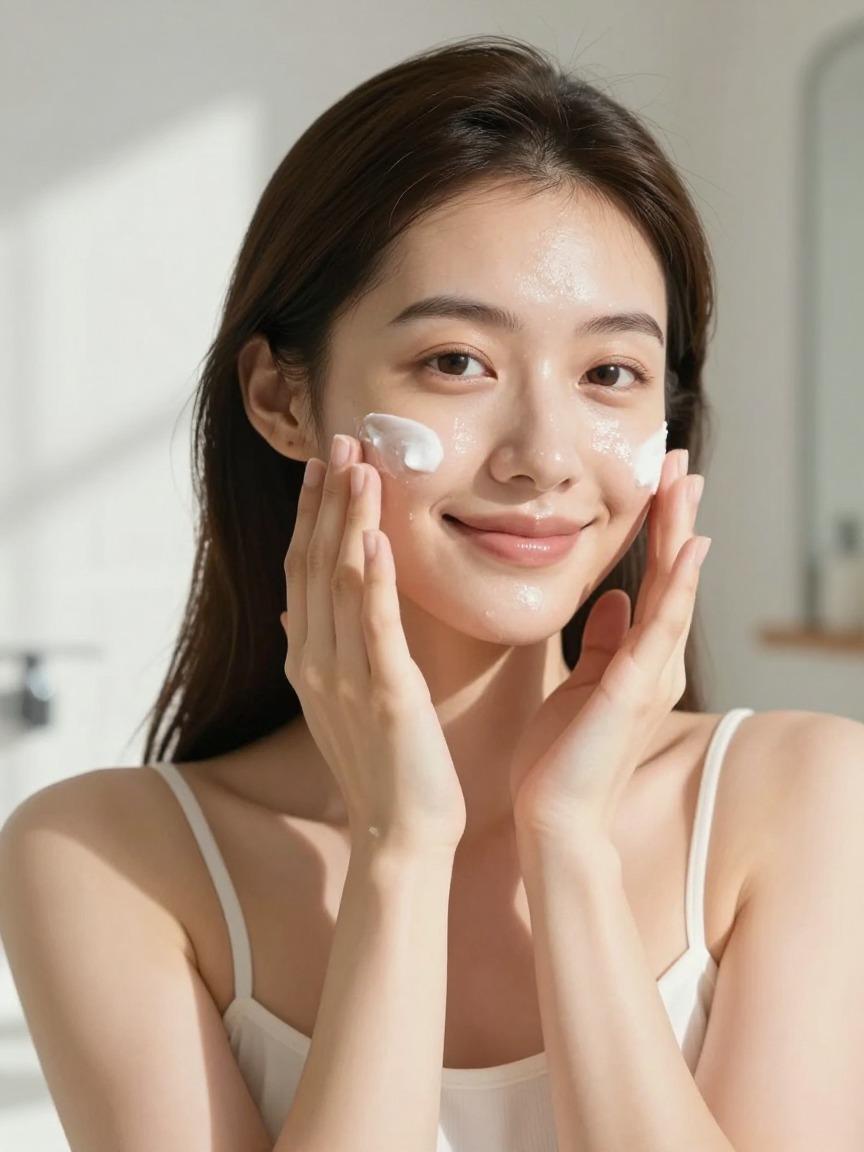
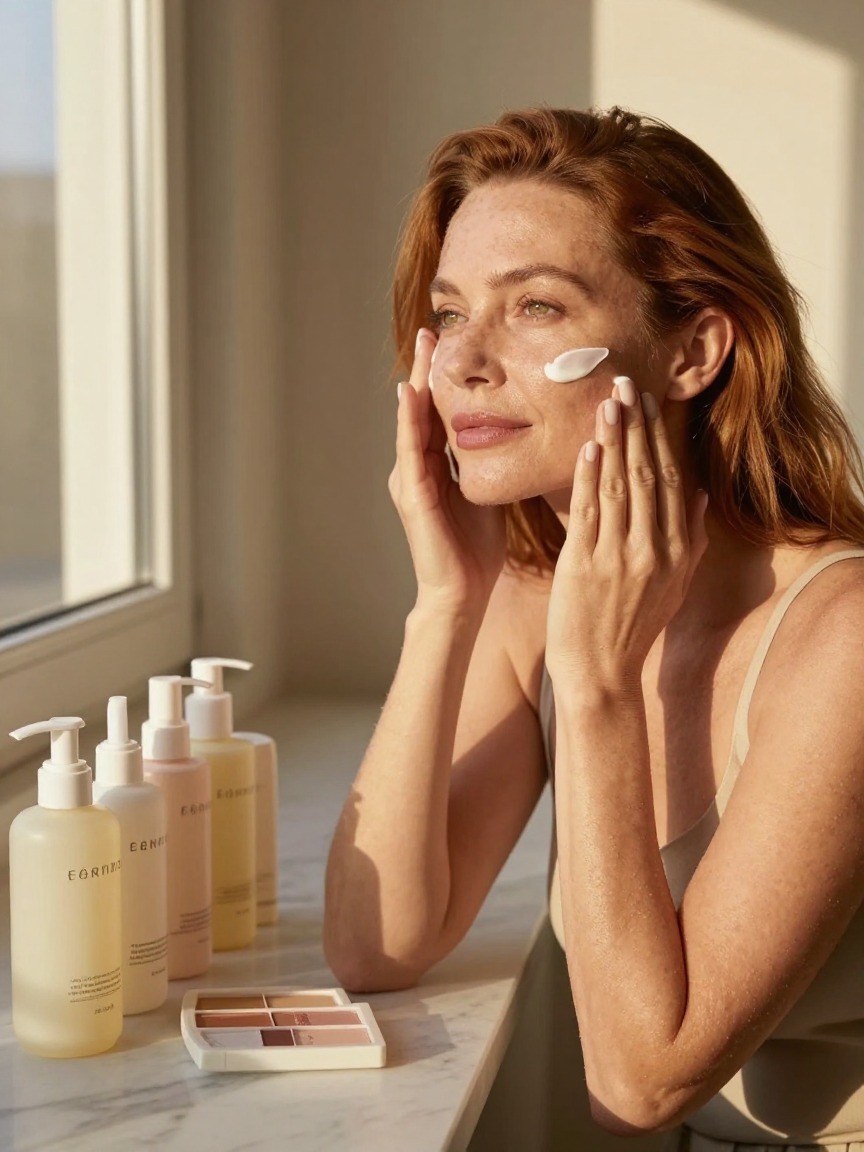
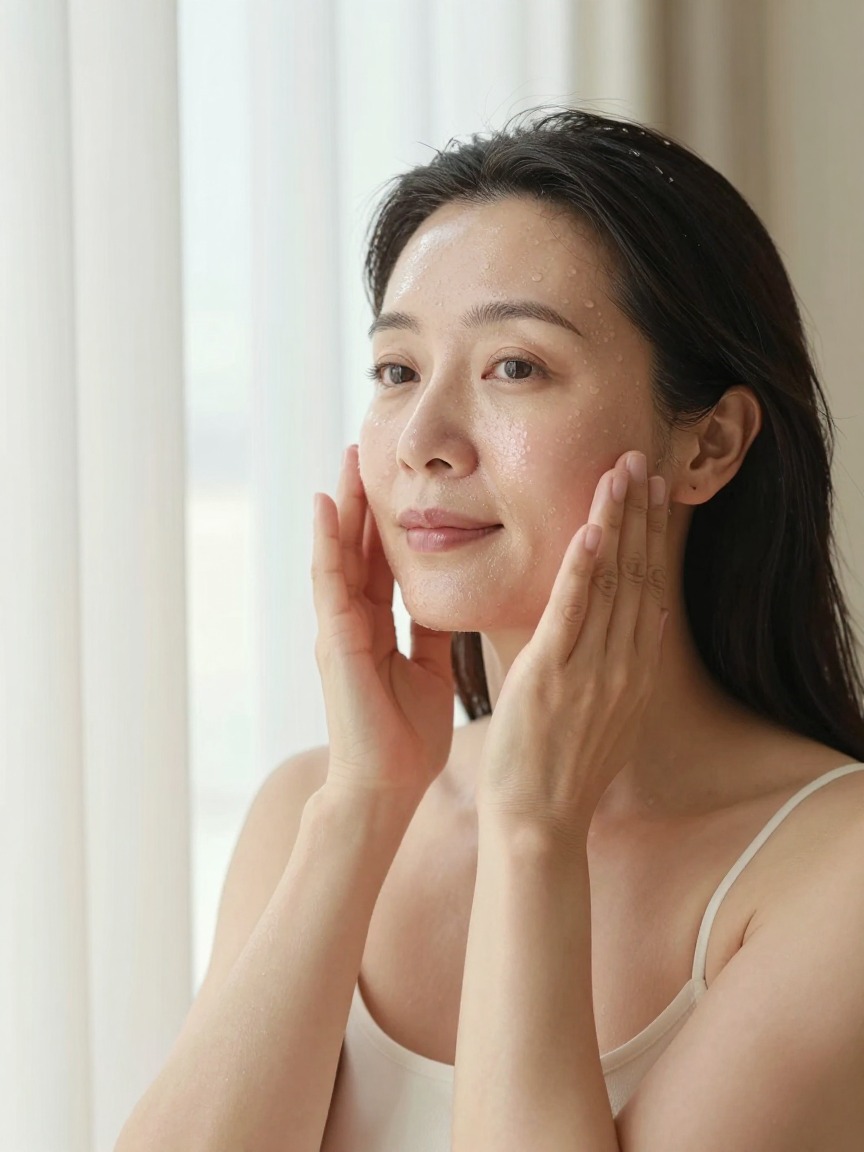
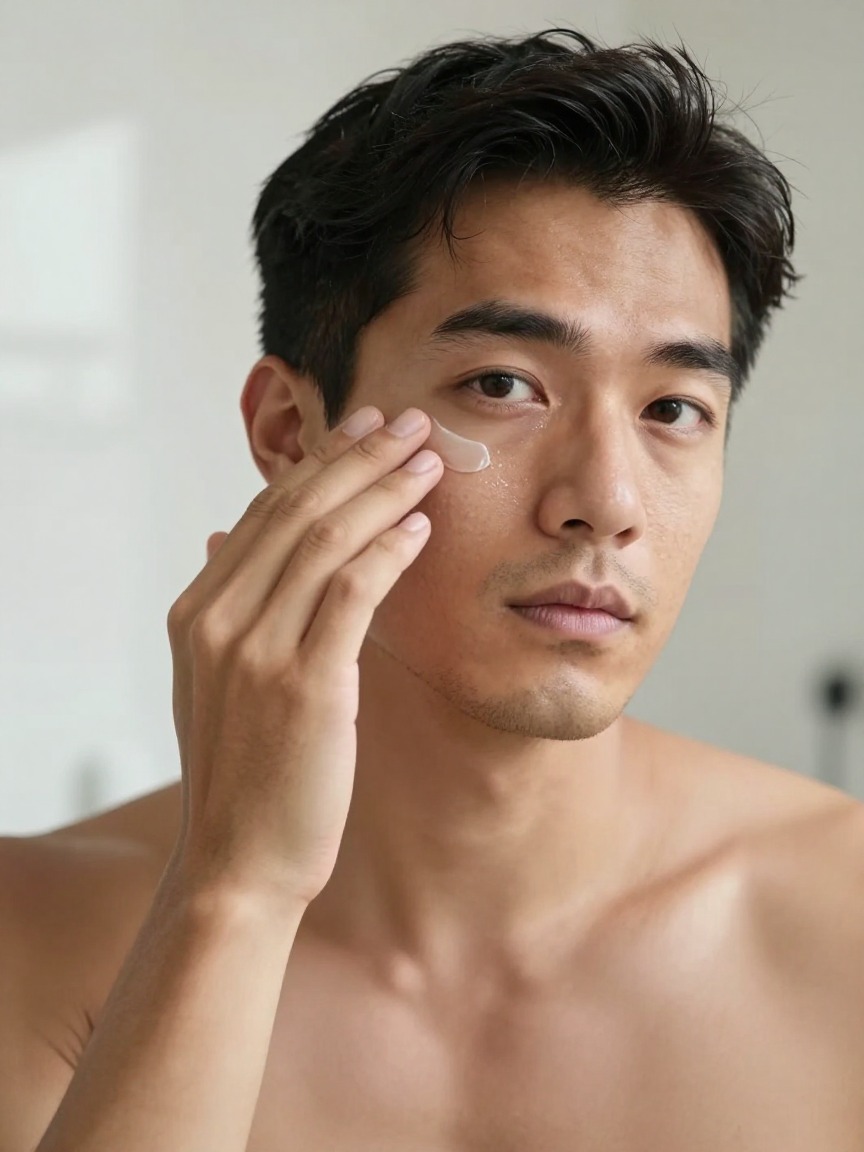
In short: A gentle cleanser for sensitive skin uses mild, low-irritation surfactants, skips fragrance and heavy actives, and keeps pH close to skin's natural range. Cream, lotion, or gel-cream textures that don't foam aggressively tend to be the safest starting point. Cleanse twice daily at most, use lukewarm water, and pat — never rub — dry.
Affiliate disclosure: We may earn a commission from qualifying purchases made through links on this page, at no extra cost to you. Some links on this page are affiliate links.
Facial Cleansers · Guide
Gentle Cleansers for Sensitive Skin
Recommended gentle cleansers for sensitive skin
Our current top picks in this category, judged on formulation, evidence, texture and value.
Editor's Pick#1
Dry-to-normal sensitive skin, especially anyone also using retinoids or other actives
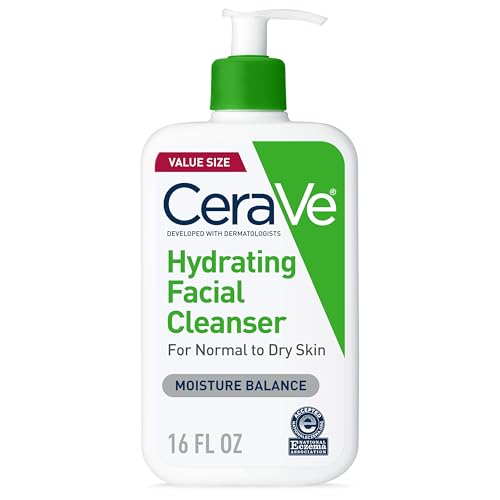
Hydrating Facial Cleanser
CeraVe
It's formulated with three ceramides, hyaluronic acid, and a National Eczema Association seal. Dermatologists mention it most often for reactive skin. It's a genuinely non-foaming, low-irritation formula that doesn't strip the barrier.
Ceramide and hyaluronic acid formula supports the skin barrier while cleansing
Fragrance-free, non-foaming, and won't disrupt a compromised moisture barrier
Budget-friendly per ounce and widely available at drugstores
Doesn't fully dissolve heavy sunscreen or long-wear makeup on its own, so double-cleansing days may need a micellar water or oil-based first step
Sensitive skin prone to redness, tightness, or reactivity, including rosacea-adjacent skin
Toleriane Hydrating Gentle Facial Cleanser
La Roche-Posay
It's built around La Roche-Posay's thermal spring water and ceramide-3, with a prebiotic base. It's designed specifically for reactive, intolerant skin. It leaves almost no residue or tightness after rinsing.
Soap-free, pH-balanced formula rinses clean without a tight or stripped feeling
Prebiotic thermal spring water base is a step up for very reactive skin
Pump dispenser keeps the formula hygienic and easy to dose
Costs noticeably more per ounce than CeraVe or Cetaphil for a similar non-foaming gel-cream texture
Highly reactive skin, including eczema-prone, rosacea-prone, or diagnosed contact dermatitis
Gentle Facial Cleanser
Vanicream
Vanicream built its whole brand around leaving out common irritants — no dyes, fragrance, lanolin, or formaldehyde-releasing preservatives. That makes it a frequent recommendation for people who react to nearly everything else.
Free of the biggest known irritant categories: fragrance, dyes, lanolin, and parabens
Very short, simple ingredient list makes it easy to patch-test and rule out triggers
Affordable relative to the dermatology-brand pricing of similar minimalist cleansers
Thin, almost watery texture with no lather can feel underwhelming if you're used to a foaming cleanse
Why Sensitive Skin Needs a Gentle Cleanser That Protects the Skin Barrier
"Sensitive skin" isn't a single diagnosis. It's an umbrella term for skin that reacts more easily than average to products, weather, or friction. That reactivity can come from a genuinely compromised skin barrier. It can also come from an underlying condition like rosacea or eczema, or from a history of using products that were too aggressive. Cleansing is often the step that does the most damage. It happens twice a day, every day. Many mainstream cleansers chase a "squeaky clean" feeling. That feeling actually signals the barrier has been stripped. Well-known gentle, fragrance-free options include CeraVe, La Roche-Posay, Vanicream, Cetaphil, Avène, and First Aid Beauty.
The outermost layer of skin, the stratum corneum, works like a brick wall. Skin cells are the bricks. A mix of ceramides, cholesterol, and fatty acids is the mortar holding them together. That mortar — the moisture barrier — keeps water in and irritants out. Harsh surfactants, hot water, over-exfoliation, fragrance, and some preservatives can all disrupt it. Once the barrier is compromised, skin becomes more reactive to almost everything. That includes products it tolerated fine before. That's why sensitivity can feel like it "came out of nowhere." It often follows over-treating skin with actives or switching to a stripping cleanser.
Choosing a Cleanser by Skin Type: Hyaluronic Acid and Glycerin for Rosacea-Prone or Eczema-Prone Skin
Sensitive skin isn't one texture. The right cleanser depends on what else is going on underneath the reactivity:
Dry-sensitive skin generally does best with a cream or lotion cleanser rich in ceramides and glycerin. Use it without hot water.
Oily or combination-sensitive skin can usually tolerate a sulfate-free gel or light foaming cleanser without feeling heavy. Just make sure it's fragrance-free.
Rosacea-prone skin tends to do better with soap-free, low-pH, non-foaming formulas. Avoid anything with menthol, alcohol, or strong fragrance.
Eczema-prone or atopic skin benefits from the shortest possible ingredient list: minimal preservatives, no dyes, no fragrance. Flare-prone skin reacts to a wider range of otherwise "normal" ingredients.
Fragrance-Free, Sulfate-Free & Non-Foaming: Reading an Ingredient List
Ingredient lists are ranked by concentration. What's in the first five or six matters more than what's buried near the end. On a gentle cleanser, look for water first. A mild, sulfate-free surfactant and humectants like glycerin should sit fairly high up. Fragrance should be absent or listed near the very end — fragrance-free is the safer default. Skin-identical ingredients like ceramides, cholesterol, and fatty acids showing up mid-list is a good sign. A non-foaming, low-lather formula was likely built with barrier support in mind. That's not usually an afterthought.
Cleansing should be the calmest, most boring step in a sensitive-skin routine. Its job is to remove dirt, sweat, sunscreen, and makeup without adding a new variable. That means resisting the urge to combine cleansing with exfoliation on the same day. Skip a scrub, a cleansing brush, or an acid-based wash if you're using retinoids or other actives that night. A simple order works best: gentle cleanser, then any treatment products, then moisturizer, then SPF in the morning. If you wear sunscreen or makeup, try a first cleanse with a gentle balm or micellar water. Follow it with your regular cleanser — a "double cleanse." That's often more effective, and gentler, than scrubbing harder with one product to get everything off.
Silicone cleansing brushes, spinning devices, and physical scrubs are marketed as a way to get a "deeper" clean. For sensitive skin they usually add more irritation than benefit. The mechanical friction can micro-tear a barrier that's already compromised. It's easy to underestimate how much pressure a spinning brush applies compared to a fingertip. Over-cleansing with devices or frequency both push in the same direction: more barrier damage, not less. If exfoliation is genuinely needed, use a low-strength chemical exfoliant a couple of times a week. Keep it as a separate step from cleansing — that's generally more controllable. Introduce it only once skin has been calm on a gentle cleanser for a few weeks.
Hot Water, Lukewarm Water & Mistakes That Make Sensitive Skin Worse
Cleansing more than twice a day "to be safe," which strips the barrier further
Using hot water instead of lukewarm water — hot water feels good but increases water loss and irritation
Rubbing with a washcloth or cleansing brush instead of fingertips
Introducing a new cleanser at the same time as a new active ingredient — this makes it hard to identify what caused a reaction
Assuming "natural" or "clean" labeling means low-irritation — plant extracts and essential oils are common sensitizers
Patch Test Tips and When to See a Dermatologist
Before putting any new cleanser on your full face, patch test it first. Apply it to the inner forearm or behind the ear for a few days. This isn't foolproof — facial skin can react differently than the arm. But it catches the most obvious sensitivities before they show up somewhere visible. We're reviewers, not dermatologists, and nothing here is a diagnosis. If you're dealing with persistent redness, burning, breakouts that won't resolve, or a suspected reaction, see a board-certified dermatologist. They can identify the actual trigger and recommend treatment — something a review site can't safely do.
Popular picks from related categories, chosen with the same rubric.
Best Value#2
Readers who want a well-formulated L-ascorbic acid serum without the prestige price tag
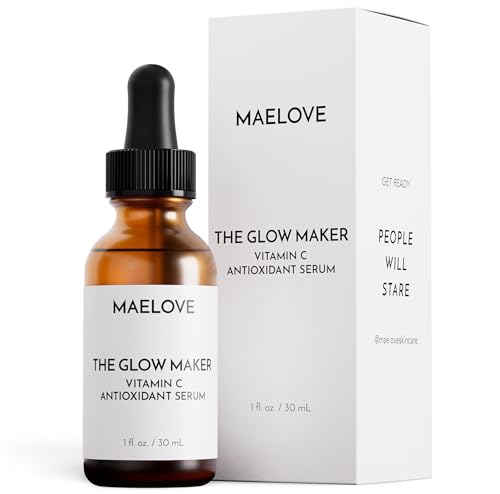
Glow Maker
Maelove
It leans on similar formulation logic to pricier serums: L-ascorbic acid plus vitamin E and ferulic acid. It costs a fraction of the price. That's why it's often called an affordable alternative to the prestige options.
Combines L-ascorbic acid with vitamin E and ferulic acid, echoing higher-end formulas
Opaque pump bottle helps limit light and air exposure
Noticeably cheaper per ounce than most L-ascorbic acid serums of similar formulation
The pump can dispense unevenly or feel like it needs priming, a minor but frequently mentioned annoyance
Normal to dry skin that wants a dermatologist-developed, fragrance-free daily moisturizer
CeraVe Moisturizing Cream
CeraVe
It pairs three essential ceramides with hyaluronic acid in a rich, fragrance-free base. Long-term users with dry, compromised skin consistently praise it. It's also inexpensive enough to use liberally.
Ceramide + hyaluronic acid formula supports the skin barrier
Fragrance-free and well-tolerated by sensitive skin
Large jar size makes it very cost-effective per ounce
The tub packaging means dipping fingers into the product, which isn't ideal for hygiene or portability
acne-prone, sensitive, or post-procedure skin that needs a dermatologist-trusted daily option
UV Clear Broad-Spectrum SPF 46
EltaMD
Dermatologists reach for EltaMD more than almost any other sunscreen. It pairs broad-spectrum zinc oxide protection with niacinamide and hyaluronic acid. The oil-free base is genuinely weightless and layers well under makeup.
Broad-spectrum SPF 46 with zinc oxide
Oil-free, non-comedogenic formula favored for acne-prone skin
Contains niacinamide and hyaluronic acid for added hydration
Pricier per ounce than most drugstore sunscreens, and the pump makes it easy to under-apply if you're not deliberate about the amount.
oily, pore-prone skin that wants a formula built specifically around pore congestion
Super Volcanic Pore Clay Mask 2X
innisfree
Two types of volcanic clay target sebum and blackheads. The texture isn't chalky or hard to remove like older clay formulas. It's also genuinely affordable for how often you'll reach for it.
Lightweight, non-cakey texture that spreads and rinses easily
Visibly reduces the look of congested pores after a single use
Priced low enough to use regularly without guilt
The mineral scent is noticeable and won't appeal to everyone
Anyone dealing with clogged pores, blackheads, or rough, bumpy texture who wants an evidence-backed exfoliating toner
2% BHA Liquid Exfoliant
Paula's Choice
It's built around a well-studied 2% salicylic acid concentration at an effective pH. The base is fragrance-free and alcohol-free. That combination is why it's stayed a favorite among ingredient-focused shoppers for years, rather than fading as a trend.
2% salicylic acid at a pH that actually works
Fragrance-free and alcohol-free formula
Noticeably improves texture and blackheads with consistent use
The active concentration can cause redness or flaking in the first couple of weeks, so it's not the easiest starting point for very reactive or rosacea-prone skin
people who want the most clinically studied LED mask on the market and don't mind the price
Contour Face
Omnilux
Omnilux's LED technology is the same platform used in dermatology clinics. The Contour Face is its rigid, dermatologist-favorite home version, and it has more research behind it than most at-home competitors.
Extensive clinical research behind Omnilux's LED platform, more than most home devices
FDA-cleared for temporary reduction in the appearance of fine lines and wrinkles
Even, consistent light distance thanks to the rigid, hinged design
Rigid shell doesn't flex to different face shapes, there's no blue-light setting for acne, and it's one of the most expensive masks on the market
Affiliate disclosure: We may earn a commission from qualifying purchases made through links on this page, at no extra cost to you. Some links on this page are affiliate links.