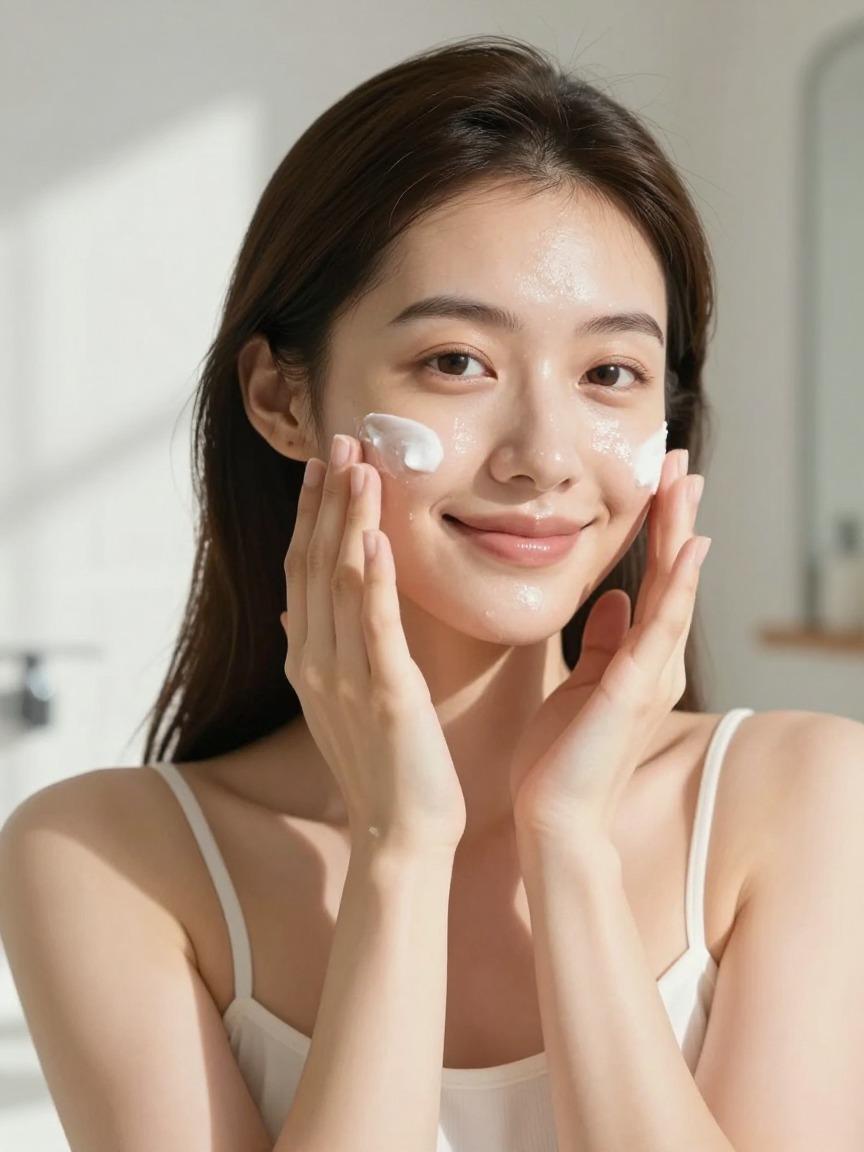
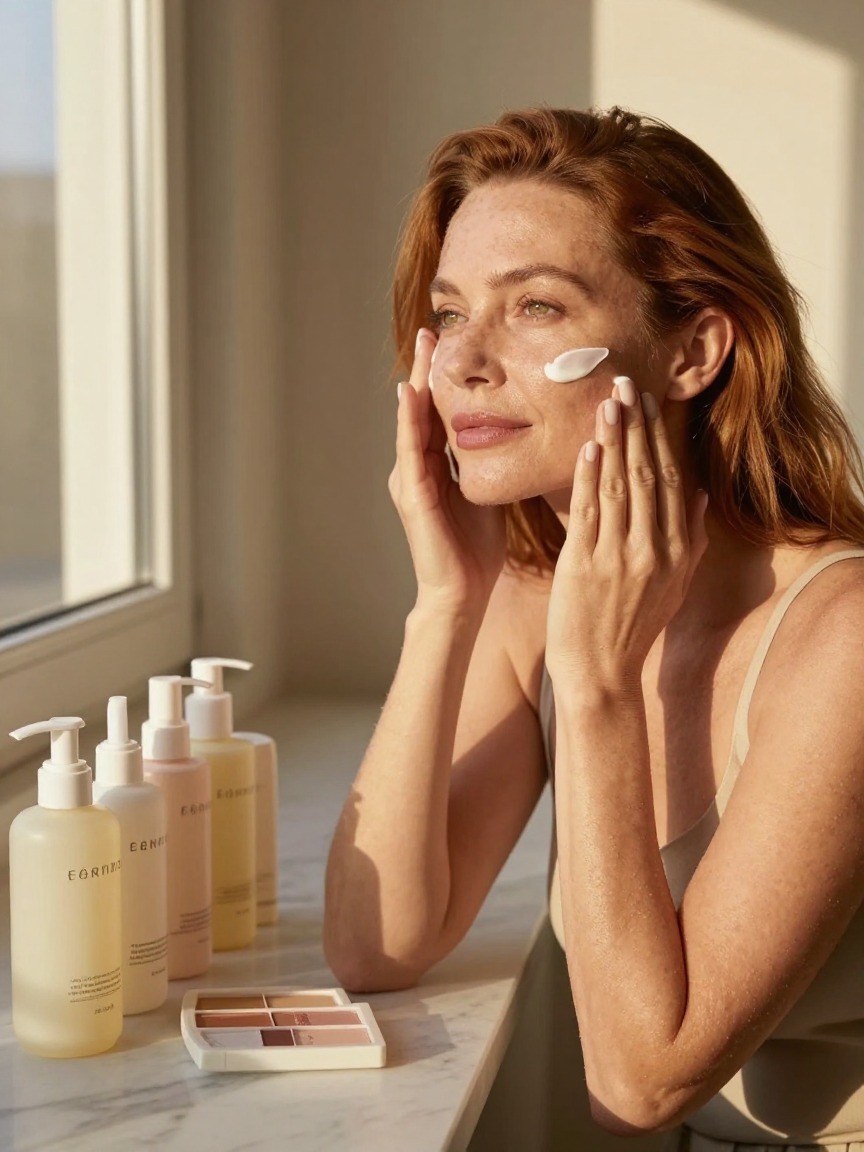
In short: Facial redness and rosacea respond best to a simplified, barrier-first routine. Think azelaic acid or niacinamide for visible redness, centella asiatica for soothing, mineral SPF daily, and a fragrance-free moisturizer underneath it all. These products support comfort and appearance. They don't diagnose or treat rosacea, which requires a dermatologist.
Affiliate disclosure: We may earn a commission from qualifying purchases made through links on this page, at no extra cost to you. Some links on this page are affiliate links.
Routines & Skin Concerns · Guide
How to Reduce Facial Redness & Rosacea
Recommended how to reduce facial redness & rosacea
Our current top picks in this category, judged on formulation, evidence, texture and value.
Editor's Pick#1
Reactive or rosacea-prone skin dealing with visible redness, blotchiness, and uneven tone
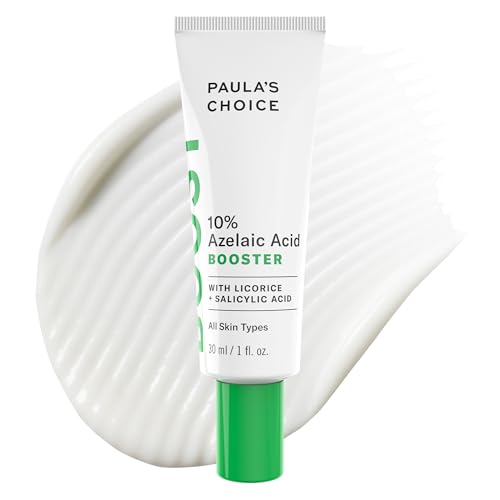
10% Azelaic Acid Booster
Paula's Choice
Azelaic acid has some of the strongest evidence in this category for reducing visible redness and blotchiness. This formula keeps the rest of the ingredient list minimal and fragrance-free, so it doesn't add new triggers.
10% azelaic acid is a well-studied concentration with a strong track record for visible redness and tone evenness
Fragrance-free, lightweight gel-cream texture layers easily under moisturizer and sunscreen
Can be used once or twice daily, making it easy to build up tolerance slowly
Visible improvement typically takes 8 to 12 weeks of consistent use, so it's not a fast fix for an active flare
Budget-conscious shoppers who want to try azelaic acid without a premium price tag
Azelaic Acid Suspension 10%
The Ordinary
It delivers the same 10% azelaic acid as pricier options, at a fraction of the cost. That makes it one of the most accessible ways to test whether this ingredient works for your skin.
Same 10% azelaic acid concentration as premium alternatives at a much lower price per ounce
Simple, fragrance-free formula with few extra ingredients to react to
Widely available and easy to find restocked
Thicker, slightly grainy texture that some find harder to blend evenly or layer under makeup than gel-based alternatives
Redness-prone skin that also deals with visible pores or an uneven, blotchy texture
10% Niacinamide Booster
Paula's Choice
Niacinamide has good evidence for supporting a stronger skin barrier and reducing blotchiness over time. This booster format is concentrated, so it can be mixed into a moisturizer for extra-sensitive skin that needs to start slowly.
Can be mixed directly into a moisturizer to dilute the concentration for very reactive skin
Supports barrier function, which matters as much as any single redness ingredient for rosacea-prone skin
Fragrance-free and pairs well with azelaic acid or centella-based products
Booster format means it's an extra product and step rather than a standalone serum, which adds cost and routine complexity
Facial redness covers a wide range of experiences. It includes occasional flushing after exercise or wine, skin that reddens easily in heat or cold, and diagnosed rosacea — a chronic inflammatory condition that affects the central face. These aren't the same thing, and they don't all need the same response. Someone with generally reactive skin might see real improvement from gentler products and sun protection alone. Someone with rosacea is dealing with an underlying condition that skincare can support but not resolve. The visible redness, bumps, or visible blood vessels associated with it should be evaluated by a dermatologist, not self-diagnosed from a symptom list online.
Rosacea tends to show up as persistent redness across the cheeks, nose, chin, and forehead. It sometimes comes with visible blood vessels, small red bumps, or a burning and stinging sensation. It can flare and settle over time. It often gets worse before someone realizes what's causing it, because the early signs — occasional flushing, sensitivity to certain products — look a lot like ordinary reactive skin. Eye involvement, known as ocular rosacea, causes dryness, grittiness, or redness in the eyes themselves, and it's often overlooked because it doesn't look like a typical skin symptom. A dermatologist can confirm a rosacea diagnosis and rule out other conditions with similar symptoms.
What Consistently Triggers Flares: Sun Exposure and Everyday Habits
Trigger lists vary from person to person. The most commonly reported ones include sun exposure, heat (hot showers, saunas, hot weather), spicy food, alcohol — especially red wine — strenuous exercise, stress, and harsh or fragranced skincare. Wind and extreme cold show up often too. None of these triggers are universal. Part of managing redness-prone skin is figuring out your own pattern, sometimes with a symptom diary, rather than assuming every commonly cited trigger applies to you.
How Rosacea Is Typically Described: Ruling Out Seborrheic Dermatitis
Dermatologists often describe rosacea by the pattern it presents with. Some people mainly notice persistent flushing and visible redness across the cheeks and nose. Others develop small red bumps that can look similar to acne. A smaller group notices thickened skin, usually around the nose, over a longer period. These patterns can overlap and change over time. A dermatologist's exam also rules out look-alike conditions, like seborrheic dermatitis or an allergic reaction, that can mimic rosacea. That's exactly why an exam matters more than trying to self-sort symptoms into a category online.
Building a Gentle, Barrier-First Routine for Sensitive Skin
The single most useful shift for redness-prone and sensitive skin is usually simplification. A long routine with several active ingredients layered together makes it hard to identify what's helping, what's doing nothing, and what might actually be causing new irritation. A pared-back routine gives skin room to calm down: a gentle cleanser, one redness-focused treatment, a barrier-supporting moisturizer, and mineral SPF. It also makes it much easier to tell whether a new product is helping or hurting.
Azelaic Acid, Niacinamide & Centella Asiatica: Ingredients That Tend to Help
Azelaic acid has solid evidence for reducing visible redness and blotchiness. It's available over the counter around 10%, in formulas from brands like The Ordinary and Paula's Choice, or by prescription at higher strengths.
Niacinamide supports barrier function and tends to be well tolerated even by very reactive skin, especially at lower concentrations.
Centella asiatica (cica) is widely used to visibly soothe irritated, reactive skin. Color-correcting formulas like Dr. Jart+'s Cicapair pair it with a green tint for immediate camouflage.
Ceramides and humectants like glycerin rebuild the barrier that's often compromised in redness-prone skin.
Ceramides and Ingredients That Tend to Make Redness Worse
Fragrance, including essential oils marketed as natural, is a common irritant for redness-prone and rosacea-prone skin. So are alcohol denat., menthol, eucalyptus, witch hazel, and physical scrubs. Chemical sunscreen filters cause stinging for some people more than others. That's one reason mineral sunscreens — zinc oxide or titanium dioxide — tend to be the safer default. High-strength acids and retinoids can also be too aggressive during an active flare. If you use them at all, introduce them slowly and only once skin is calm. Look instead for a fragrance-free, ceramide-rich moisturizer as your daily base.
Mineral Sunscreen & Sun Protection Are Not Optional
Sun exposure is one of the most frequently reported rosacea triggers. UV exposure also breaks down the collagen and blood vessel structure that's already more visible in redness-prone skin. Daily mineral SPF — reapplied if you're outdoors for extended periods — does more for long-term redness management than almost any treatment serum on its own. A tinted mineral sunscreen, such as EltaMD's UV Clear or La Roche-Posay's Toleriane-line formulas, can do double duty: protecting skin while visually softening existing redness.
Setting Realistic Expectations for Skin Barrier Repair
None of the ingredients above cure rosacea or make redness disappear permanently. They support a calmer-looking complexion and, in the case of sun protection, help prevent things from getting worse. Visible improvement from ingredients like azelaic acid or niacinamide typically takes 8 to 12 weeks of consistent use, not days. Skin barrier repair follows a similar timeline. If a product claims instant, dramatic, or permanent results for rosacea, treat that claim with suspicion rather than excitement. Legitimate treatment for rosacea — whether topical or oral prescription medication or laser treatment for visible blood vessels — comes from a dermatologist, not a skincare aisle.
When to See a Dermatologist
See a dermatologist if you notice persistent facial redness that doesn't resolve, visible blood vessels, or bumps that resemble acne but don't respond to acne treatment. The same goes for eye irritation alongside facial redness, or skin that thickens over time, particularly around the nose. A dermatologist can confirm what's actually happening and rule out look-alike conditions. They can also prescribe treatment that over-the-counter skincare simply can't replicate. The products and routine outlined here are meant to support that care, not substitute for it.
Popular picks from related categories, chosen with the same rubric.
Editor's Pick#1
Dry-to-normal sensitive skin, especially anyone also using retinoids or other actives
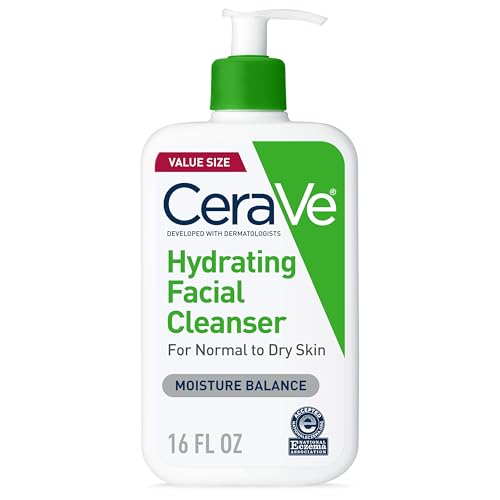
Hydrating Facial Cleanser
CeraVe
It's formulated with three ceramides, hyaluronic acid, and a National Eczema Association seal. Dermatologists mention it most often for reactive skin. It's a genuinely non-foaming, low-irritation formula that doesn't strip the barrier.
Ceramide and hyaluronic acid formula supports the skin barrier while cleansing
Fragrance-free, non-foaming, and won't disrupt a compromised moisture barrier
Budget-friendly per ounce and widely available at drugstores
Doesn't fully dissolve heavy sunscreen or long-wear makeup on its own, so double-cleansing days may need a micellar water or oil-based first step
Readers who want a well-formulated L-ascorbic acid serum without the prestige price tag
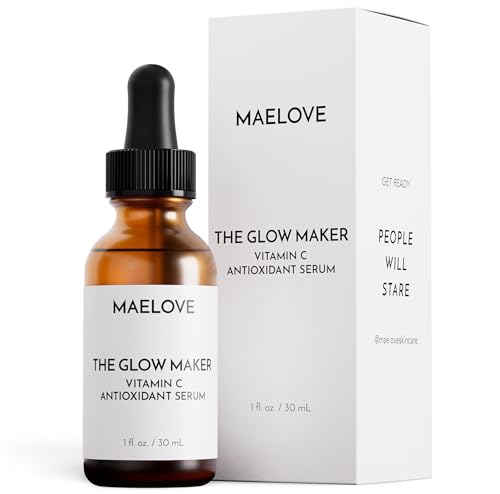
Glow Maker
Maelove
It leans on similar formulation logic to pricier serums: L-ascorbic acid plus vitamin E and ferulic acid. It costs a fraction of the price. That's why it's often called an affordable alternative to the prestige options.
Combines L-ascorbic acid with vitamin E and ferulic acid, echoing higher-end formulas
Opaque pump bottle helps limit light and air exposure
Noticeably cheaper per ounce than most L-ascorbic acid serums of similar formulation
The pump can dispense unevenly or feel like it needs priming, a minor but frequently mentioned annoyance
Normal to dry skin that wants a dermatologist-developed, fragrance-free daily moisturizer
CeraVe Moisturizing Cream
CeraVe
It pairs three essential ceramides with hyaluronic acid in a rich, fragrance-free base. Long-term users with dry, compromised skin consistently praise it. It's also inexpensive enough to use liberally.
Ceramide + hyaluronic acid formula supports the skin barrier
Fragrance-free and well-tolerated by sensitive skin
Large jar size makes it very cost-effective per ounce
The tub packaging means dipping fingers into the product, which isn't ideal for hygiene or portability
acne-prone, sensitive, or post-procedure skin that needs a dermatologist-trusted daily option
UV Clear Broad-Spectrum SPF 46
EltaMD
Dermatologists reach for EltaMD more than almost any other sunscreen. It pairs broad-spectrum zinc oxide protection with niacinamide and hyaluronic acid. The oil-free base is genuinely weightless and layers well under makeup.
Broad-spectrum SPF 46 with zinc oxide
Oil-free, non-comedogenic formula favored for acne-prone skin
Contains niacinamide and hyaluronic acid for added hydration
Pricier per ounce than most drugstore sunscreens, and the pump makes it easy to under-apply if you're not deliberate about the amount.
oily, pore-prone skin that wants a formula built specifically around pore congestion
Super Volcanic Pore Clay Mask 2X
innisfree
Two types of volcanic clay target sebum and blackheads. The texture isn't chalky or hard to remove like older clay formulas. It's also genuinely affordable for how often you'll reach for it.
Lightweight, non-cakey texture that spreads and rinses easily
Visibly reduces the look of congested pores after a single use
Priced low enough to use regularly without guilt
The mineral scent is noticeable and won't appeal to everyone
Anyone dealing with clogged pores, blackheads, or rough, bumpy texture who wants an evidence-backed exfoliating toner
2% BHA Liquid Exfoliant
Paula's Choice
It's built around a well-studied 2% salicylic acid concentration at an effective pH. The base is fragrance-free and alcohol-free. That combination is why it's stayed a favorite among ingredient-focused shoppers for years, rather than fading as a trend.
2% salicylic acid at a pH that actually works
Fragrance-free and alcohol-free formula
Noticeably improves texture and blackheads with consistent use
The active concentration can cause redness or flaking in the first couple of weeks, so it's not the easiest starting point for very reactive or rosacea-prone skin
Affiliate disclosure: We may earn a commission from qualifying purchases made through links on this page, at no extra cost to you. Some links on this page are affiliate links.