In short: A facial mist is water plus whatever's dissolved in it — humectants like glycerin or hyaluronic acid actually hydrate, while plain or thermal-spring-water mists mostly soothe and can dry skin as they evaporate unless you seal them with a moisturizer right after. Pick by ingredient list, not marketing, and match the formula to your skin's actual need.
Affiliate disclosure: We may earn a commission from qualifying purchases made through links on this page, at no extra cost to you. Some links on this page are affiliate links.
Toners & Essences · Guide
Facial Mists
Recommended facial mists
Our current top picks in this category, judged on formulation, evidence, texture and value.
Editor's Pick#1
anyone who wants a genuinely multi-purpose, humectant-based mist for daily use
Facial Spray with Aloe, Herbs and Rosewater
Mario Badescu
It pairs aloe vera and glycerin with rosewater and herbal extracts. That's more than most water-in-a-bottle mists offer. The glycerin actually helps water bind to skin instead of evaporating off it.
Contains glycerin, an actual humectant, not just water
Cult-favorite formula that layers well under moisturizer and makeup
Affordable enough to use generously
Contains fragrance from the rosewater and herbal extracts, which can bother very reactive or fragrance-sensitive skin
dry or dull skin that wants a genuine hydration boost and a dewy finish, not just a refresh
Luminous Dewy Skin Mist
Tatcha
It's actually formulated with hyaluronic acid and botanical humectants, not mostly water. That earns the word hydrating more than most mists on this list.
Real humectants, including hyaluronic acid, instead of plain water
Leaves a dewy finish that works well under or over makeup
Fine, even mist that doesn't pool or streak makeup
Premium price for what is still a mist, not a replacement for a proper moisturizer
very reactive, rosacea-prone, or post-procedure skin that can't tolerate fragrance or actives
Thermal Spring Water
Avène
It's nothing but mineral-rich thermal spring water in a pressurized can. That makes it about as close to hypoallergenic as a mist gets. It's exactly why dermatologists recommend it for compromised or irritated skin.
Fragrance-free, single-ingredient simplicity
Well tolerated by rosacea, eczema, and post-procedure skin
Pressurized can delivers a fine, gentle mist
It's just water — no humectants, so misted alone it can evaporate and dry the skin unless you moisturize right after
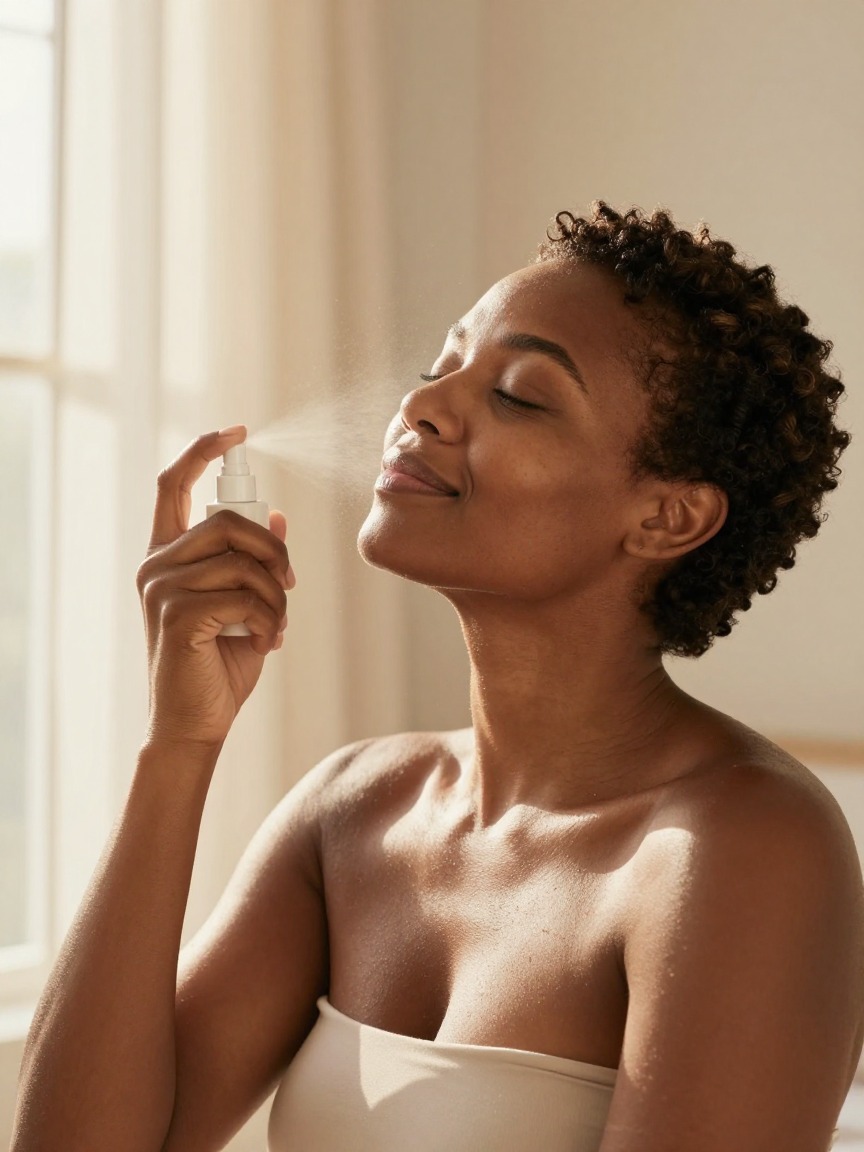
Strip away the branding and a facial mist is a liquid, usually mostly water. It's packaged to spray in a fine mist instead of splash from your hands. That single delivery difference is the entire appeal. A mist lands evenly, feels immediate, and doesn't need rubbing in. But the delivery method has nothing to do with whether it benefits your skin. That comes down entirely to what's dissolved in the water. Two mists that look and feel almost identical in the bottle can behave completely differently on your face.
The three real mist categories: hydrating mist, thermal spring water & setting mist
Hydrating mist: humectants like glycerin & hyaluronic acid
This is a true hydrating mist. Its ingredients — glycerin, hyaluronic acid, aloe vera, butylene glycol, panthenol — physically attract and hold water molecules. Misted onto skin and sealed with a moisturizer or oil, they can measurably improve surface hydration. Misted onto bare skin and left to air-dry in a dry room, even these can partially evaporate before doing much good. The humectants left behind still help, though.
Thermal spring water mists: soothing, fragrance-free calm for rosacea & sensitive skin
Pharmacy-brand mists, like those from La Roche-Posay and Avène, are built on thermal spring water. They contain trace minerals, depending on the source spring, and nothing else. They're prized for being fragrance-free and extremely well tolerated. That's why dermatologists recommend them after in-office procedures, sunburn, or during rosacea and eczema flares. That combination makes them a safe pick for sensitive skin. What they are not is hydrating in the humectant sense. There's nothing in the formula to bind water to skin. The calming effect is real but temporary, and the water itself evaporates like any other water.
Setting mist & toning mist: alcohol-forward, not the dewy finish of a hydrating mist
A third category is built for a different job entirely: setting makeup, tightening the feel of pores, or giving a quick cooling jolt. Caudalie's Beauty Elixir is the best-known example. These setting mists often contain alcohol or witch hazel alongside botanical extracts. They evaporate fast and can leave a slightly tightened, matte finish. That's a feature for makeup longevity, but skip a toning mist if you want the dewy finish a hydrating mist gives instead. Alcohol-forward formulas can also sting or worsen dryness on barrier-compromised skin.
The evaporation problem: why you need a moisturizer after any mist
Water evaporating off skin doesn't just disappear neutrally. As it turns to vapor, it pulls some moisture from the skin's outer layer with it. This is sometimes called transepidermal water loss. That's why spraying a plain-water or thermal-water mist and walking into air conditioning, heat, or wind can leave skin tighter and drier than before you misted. Humectant ingredients counteract this somewhat by holding onto water even as some evaporates. The most reliable fix is simple: follow any mist with a moisturizer or facial oil within a minute or two, while skin is still damp, to seal in what the mist delivered.
Hydrosols and floral waters: a fourth category worth knowing
Rosewater, lavender water, and other hydrosols are the water left over from steam-distilling a plant for its essential oil. They're mostly water with only trace amounts of the plant's aromatic compounds. That gives them a noticeable scent but not meaningful humectant power on their own. Some people find them calming; others find the natural fragrance irritating on already-reactive skin. Treat a hydrosol mist like a thermal water mist: pleasant and low-risk for most skin, but not a hydration strategy by itself.
How to pick a mist by skin type: sensitive skin, dry skin & hypochlorous acid picks
Dry or dehydrated skin: choose a humectant-forward hydrating mist and always layer a moisturizer over it. Skip pure thermal-water mists unless you're using them as a quick pre-moisturizer step.
Oily or acne-prone skin: look for lightweight, fragrance-free formulas. Hypochlorous acid mists are worth considering for active breakouts, but see a dermatologist if breakouts are persistent or painful.
Sensitive, reactive, rosacea-prone, or eczema-prone skin: a fragrance-free thermal water or a short-ingredient-list humectant mist are the safest starting points for sensitive skin. Avoid alcohol- and essential-oil-heavy setting mists.
Post-procedure or recently exfoliated skin: stick to fragrance-free thermal water immediately after treatment. Hold off on active-ingredient or alcohol-based mists until skin has fully calmed down.
Combination or normal skin: most humectant mists work fine here. The choice comes down to finish and budget, not skin-specific need.
Where a mist fits in a routine
A mist works best in one of three spots. Right after cleansing, as a lightweight toning step before serum. Mid-routine, to re-wet skin before layering the next product. Or over finished makeup, to set it or add a quick refresh. What it shouldn't do is replace a moisturizer, treat a diagnosed skin condition, or serve as the sole hydration step in a routine. It's a delivery mechanism and a finishing touch, not a substitute for the products that actually build and hold your skin barrier over the day.
Common mistakes with humectant, aloe vera & thermal spring water mists
Assuming any mist labeled hydrating contains real humectants. Check the ingredient list, since the word is only loosely regulated.
Using a fragranced mist, even a gentle aloe vera blend, or an alcohol-based mist on skin that's already irritated, sunburned, or freshly treated.
Spraying and forgetting, instead of sealing the mist in with a moisturizer while skin is still damp.
Buying a new mist every time skin feels dry instead of increasing how much moisturizer or facial oil you apply afterward. The mist is rarely the missing piece.
Expecting any mist, however well-formulated, to resolve persistent acne, rosacea, or eczema. Those call for a dermatologist, not a spray bottle.
Popular picks from related categories, chosen with the same rubric.
Editor's Pick#1
Dry-to-normal sensitive skin, especially anyone also using retinoids or other actives
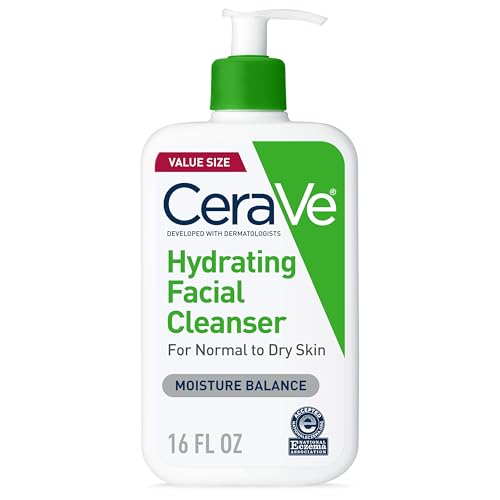
Hydrating Facial Cleanser
CeraVe
It's formulated with three ceramides, hyaluronic acid, and a National Eczema Association seal. Dermatologists mention it most often for reactive skin. It's a genuinely non-foaming, low-irritation formula that doesn't strip the barrier.
Ceramide and hyaluronic acid formula supports the skin barrier while cleansing
Fragrance-free, non-foaming, and won't disrupt a compromised moisture barrier
Budget-friendly per ounce and widely available at drugstores
Doesn't fully dissolve heavy sunscreen or long-wear makeup on its own, so double-cleansing days may need a micellar water or oil-based first step
Readers who want a well-formulated L-ascorbic acid serum without the prestige price tag
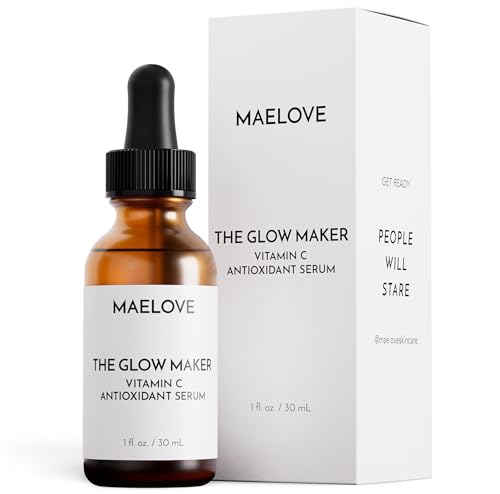
Glow Maker
Maelove
It leans on similar formulation logic to pricier serums: L-ascorbic acid plus vitamin E and ferulic acid. It costs a fraction of the price. That's why it's often called an affordable alternative to the prestige options.
Combines L-ascorbic acid with vitamin E and ferulic acid, echoing higher-end formulas
Opaque pump bottle helps limit light and air exposure
Noticeably cheaper per ounce than most L-ascorbic acid serums of similar formulation
The pump can dispense unevenly or feel like it needs priming, a minor but frequently mentioned annoyance
Normal to dry skin that wants a dermatologist-developed, fragrance-free daily moisturizer
CeraVe Moisturizing Cream
CeraVe
It pairs three essential ceramides with hyaluronic acid in a rich, fragrance-free base. Long-term users with dry, compromised skin consistently praise it. It's also inexpensive enough to use liberally.
Ceramide + hyaluronic acid formula supports the skin barrier
Fragrance-free and well-tolerated by sensitive skin
Large jar size makes it very cost-effective per ounce
The tub packaging means dipping fingers into the product, which isn't ideal for hygiene or portability
acne-prone, sensitive, or post-procedure skin that needs a dermatologist-trusted daily option
UV Clear Broad-Spectrum SPF 46
EltaMD
Dermatologists reach for EltaMD more than almost any other sunscreen. It pairs broad-spectrum zinc oxide protection with niacinamide and hyaluronic acid. The oil-free base is genuinely weightless and layers well under makeup.
Broad-spectrum SPF 46 with zinc oxide
Oil-free, non-comedogenic formula favored for acne-prone skin
Contains niacinamide and hyaluronic acid for added hydration
Pricier per ounce than most drugstore sunscreens, and the pump makes it easy to under-apply if you're not deliberate about the amount.
oily, pore-prone skin that wants a formula built specifically around pore congestion
Super Volcanic Pore Clay Mask 2X
innisfree
Two types of volcanic clay target sebum and blackheads. The texture isn't chalky or hard to remove like older clay formulas. It's also genuinely affordable for how often you'll reach for it.
Lightweight, non-cakey texture that spreads and rinses easily
Visibly reduces the look of congested pores after a single use
Priced low enough to use regularly without guilt
The mineral scent is noticeable and won't appeal to everyone
people who want the most clinically studied LED mask on the market and don't mind the price
Contour Face
Omnilux
Omnilux's LED technology is the same platform used in dermatology clinics. The Contour Face is its rigid, dermatologist-favorite home version, and it has more research behind it than most at-home competitors.
Extensive clinical research behind Omnilux's LED platform, more than most home devices
FDA-cleared for temporary reduction in the appearance of fine lines and wrinkles
Even, consistent light distance thanks to the rigid, hinged design
Rigid shell doesn't flex to different face shapes, there's no blue-light setting for acne, and it's one of the most expensive masks on the market
Affiliate disclosure: We may earn a commission from qualifying purchases made through links on this page, at no extra cost to you. Some links on this page are affiliate links.