In short: Post-acne marks are usually flat discoloration, not true scars, and most fade on their own within months to a year. Ingredients like azelaic acid, niacinamide, vitamin C, and retinoids speed that process along. Daily sunscreen matters most. Raised or pitted scarring needs a dermatologist, not more serums.
Affiliate disclosure: We may earn a commission from qualifying purchases made through links on this page, at no extra cost to you. Some links on this page are affiliate links.
Routines & Skin Concerns · Guide
How to Fade Acne Scars
Recommended how to fade acne scars
Our current top picks in this category, judged on formulation, evidence, texture and value.
Editor's Pick#1
Anyone dealing with both lingering red or brown marks and mild breakout-prone texture
Azelaic Acid Suspension 10%
The Ordinary
Azelaic acid works on discoloration and residual redness at the same time. It's gentle enough for most people to use nightly, without the irritation retinoids can cause.
Multi-tasks on both pigment and mild redness
Non-prescription strength that's still clinically studied
Doesn't increase sun sensitivity the way retinoids do
Thick, tacky texture that some people find unpleasant under makeup
Budget-conscious beginners who want one simple brightening step
Niacinamide Serum
The Inkey List
Niacinamide is one of the best-tolerated brightening ingredients around. This version delivers a solid concentration without the higher price tag of prestige brands.
Affordable enough to commit to daily, long-term use
Lightweight, fast-absorbing texture that layers under anything
Also helps balance oil for combination skin
Some people report pilling when layered under thicker moisturizers
Sensitive or barrier-compromised skin that reacts to typical vitamin C formulas
Skin Renewing Vitamin C Serum
CeraVe
It pairs vitamin C with ceramides and hyaluronic acid. That combination brightens skin without the stinging or dryness some pure vitamin C serums cause.
Ceramides help offset vitamin C's usual dryness
Fragrance-free formula suited to reactive skin
Widely available at a drugstore price point
Lower vitamin C concentration than dedicated brightening serums, so results are slower
Post-Acne Marks vs True Scarring: What People Usually Mean
Most people searching for how to fade acne scars are actually dealing with post-acne marks. These are flat spots of discoloration left behind after a pimple heals — not scars in the medical sense. True scarring is different. It changes the skin's texture: pitted, indented, or raised. That needs a dermatologist's evaluation, not an at-home routine. Not sure which one you have? Run a finger over the area with your eyes closed. If you can't feel a difference in texture, it's very likely a mark.
Hyperpigmentation, Post-Inflammatory Erythema & How Skin Naturally Fades a Mark
A breakout can trigger extra melanin production. That leads to hyperpigmentation: brown or tan marks. It can also leave behind visibly dilated blood vessels. That shows up as post-inflammatory erythema: pink or red marks. Left alone, skin's normal cell turnover cycle gradually fades both types. A fresh skin cell takes roughly 28 to 40 days to reach the surface and shed. Full fading of a mark takes several months to about a year. The ingredients below speed that along in one of three ways: faster cell turnover, interrupted pigment production, or calmer inflammation.
Retinoids, Adapalene & Tretinoin for Faster Cell Turnover
Retinoids are the most well-studied ingredient category for marks. They also help prevent new breakouts. Adapalene is the only retinoid available over the counter. Prescription tretinoin is stronger, and needs a dermatologist. Both speed up cell turnover, which helps shed pigmented cells faster. Expect some dryness and flaking in the first few weeks. Products like Differin's adapalene gel are a common starting point for beginners.
Niacinamide, Vitamin C, Azelaic Acid & Tranexamic Acid for Dark Spots
These four brightening ingredients interrupt excess pigment production, which is what actually fades dark spots. Niacinamide is the gentlest and best-tolerated of the group — The Inkey List's niacinamide serum is a common budget pick. Vitamin C is a well-studied antioxidant that also brightens. SkinCeuticals' C E Ferulic is the most-cited formula in dermatology research. CeraVe's ceramide-paired version is a gentler pick for reactive skin. Azelaic acid, like The Ordinary's Azelaic Acid Suspension, does double duty on pigment and redness at once. Tranexamic acid is often paired with niacinamide in over-the-counter serums for stubborn cases.
Chemical Exfoliants: Glycolic Acid & Salicylic Acid
Glycolic acid and lactic acid are AHAs. They slough off the dull, pigmented outer layer of skin and even out tone. Salicylic acid is a BHA. It does something similar, but it also gets into pores — useful if breakouts are still active alongside the marks. Use these a few times a week, not daily. Overuse compromises the skin barrier and causes more irritation.
Building a Routine With Daily Sunscreen
You don't need a ten-step routine to make progress. Start with one active ingredient. Use it consistently for four to six weeks before adding a second. Stacking a retinoid, an acid exfoliant, and a strong vitamin C serum in one week usually causes redness. It doesn't speed up fading. A sustainable structure looks like this: gentle cleanser, one treatment product, moisturizer, and sunscreen every morning; cleanser, treatment, moisturizer at night. Sunscreen doesn't fade anything on its own — but skipping it lets UV exposure re-darken marks and undo the rest of the routine. EltaMD's UV Clear is a common pick for acne-prone skin because it tends not to clog pores.
Adjusting Ingredients for Your Skin Type
Oily or acne-prone skin type generally tolerates retinoids and exfoliating acids well. It can often handle them a few nights a week without issue. Dry or sensitive skin type usually does better starting with azelaic acid or niacinamide instead. Introduce a retinoid slowly, and buffer it with moisturizer once skin adjusts. Combination skin can follow a middle path: treat oilier areas more often than drier ones.
Mistakes That Slow Down Fading and Change Skin Texture
Picking, popping, or scratching at healing spots — the most common way a mark turns into a real scar with changed texture
Skipping sunscreen because it's cloudy, or because you're mostly indoors that day
Judging a product after a week or two — most actives need six to twelve weeks before a fair assessment
Using a product formulated for active breakouts, like a strong drying spot treatment, on marks that already healed
Over-exfoliating in an attempt to speed things up, which triggers more inflammation and can create new marks
Realistic Timelines for Dark Spots to Fade
Post-inflammatory erythema, the pink or red marks, often fades within a few months. Post-inflammatory hyperpigmentation, the brown or tan marks, usually takes longer — commonly six months to a year. Deeper skin tones can take longer still, since pigment sits lower in the skin. Consistency matters more than intensity. A gentle routine followed every day for months outperforms an aggressive routine used inconsistently for a few weeks.
When to See a Dermatologist
See a dermatologist if marks aren't budging after several months of a consistent routine, if they seem to be getting darker or more numerous, or if there's any texture change — pitting or raised tissue. Ongoing active acne is also a good reason to get a professional opinion instead of continuing to guess. A dermatologist can discuss stronger options: prescription-strength retinoids, hydroquinone, chemical peels, or in-office procedures. They can also confirm whether what you're seeing is a fading mark or true scarring that needs a different approach.
What About Natural or DIY Remedies?
Search long enough and you'll find home remedies that claim to fade marks fast: lemon juice, baking soda, toothpaste, and raw honey among them. Most do nothing measurable, and some actively make things worse. Lemon juice and baking soda both disrupt the skin's natural pH and barrier function, which can trigger more inflammation. Lemon juice specifically can cause a sun-reactive burn if applied before UV exposure. Honey has mild antibacterial properties, but no meaningful evidence for fading pigment. If a remedy isn't a recognized skincare ingredient at a tested concentration, it's not worth the risk.
Setting Expectations Before You Start
The ingredients covered here are genuinely useful, but none of them work overnight. None of them substitute for a dermatologist when the situation calls for one. A realistic goal is steady, visible improvement over two to six months of consistent use — not a dramatic before-and-after in two weeks. Photograph skin in the same lighting every few weeks to track progress. Day-to-day changes are subtle and easy to miss in the mirror.
Popular picks from related categories, chosen with the same rubric.
Editor's Pick#1
Dry-to-normal sensitive skin, especially anyone also using retinoids or other actives
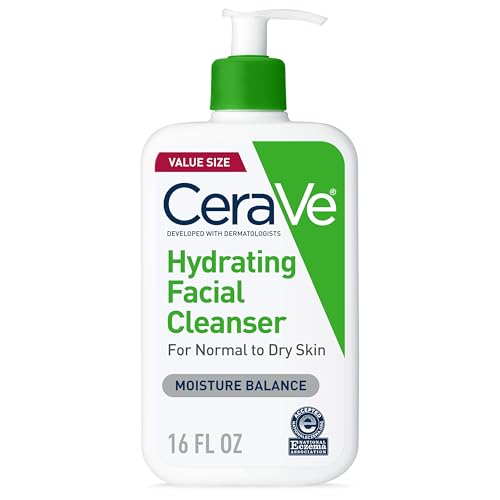
Hydrating Facial Cleanser
CeraVe
It's formulated with three ceramides, hyaluronic acid, and a National Eczema Association seal. Dermatologists mention it most often for reactive skin. It's a genuinely non-foaming, low-irritation formula that doesn't strip the barrier.
Ceramide and hyaluronic acid formula supports the skin barrier while cleansing
Fragrance-free, non-foaming, and won't disrupt a compromised moisture barrier
Budget-friendly per ounce and widely available at drugstores
Doesn't fully dissolve heavy sunscreen or long-wear makeup on its own, so double-cleansing days may need a micellar water or oil-based first step
Readers who want a well-formulated L-ascorbic acid serum without the prestige price tag
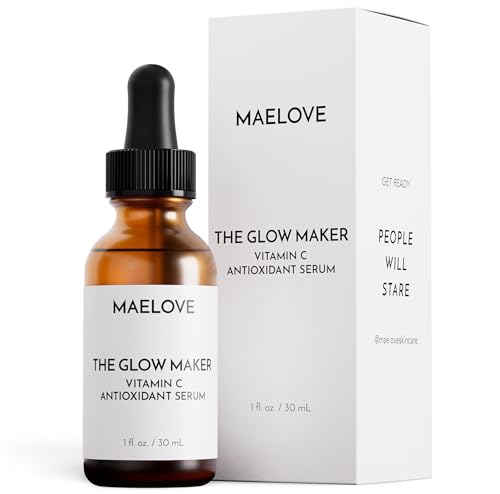
Glow Maker
Maelove
It leans on similar formulation logic to pricier serums: L-ascorbic acid plus vitamin E and ferulic acid. It costs a fraction of the price. That's why it's often called an affordable alternative to the prestige options.
Combines L-ascorbic acid with vitamin E and ferulic acid, echoing higher-end formulas
Opaque pump bottle helps limit light and air exposure
Noticeably cheaper per ounce than most L-ascorbic acid serums of similar formulation
The pump can dispense unevenly or feel like it needs priming, a minor but frequently mentioned annoyance
Normal to dry skin that wants a dermatologist-developed, fragrance-free daily moisturizer
CeraVe Moisturizing Cream
CeraVe
It pairs three essential ceramides with hyaluronic acid in a rich, fragrance-free base. Long-term users with dry, compromised skin consistently praise it. It's also inexpensive enough to use liberally.
Ceramide + hyaluronic acid formula supports the skin barrier
Fragrance-free and well-tolerated by sensitive skin
Large jar size makes it very cost-effective per ounce
The tub packaging means dipping fingers into the product, which isn't ideal for hygiene or portability
acne-prone, sensitive, or post-procedure skin that needs a dermatologist-trusted daily option
UV Clear Broad-Spectrum SPF 46
EltaMD
Dermatologists reach for EltaMD more than almost any other sunscreen. It pairs broad-spectrum zinc oxide protection with niacinamide and hyaluronic acid. The oil-free base is genuinely weightless and layers well under makeup.
Broad-spectrum SPF 46 with zinc oxide
Oil-free, non-comedogenic formula favored for acne-prone skin
Contains niacinamide and hyaluronic acid for added hydration
Pricier per ounce than most drugstore sunscreens, and the pump makes it easy to under-apply if you're not deliberate about the amount.
oily, pore-prone skin that wants a formula built specifically around pore congestion
Super Volcanic Pore Clay Mask 2X
innisfree
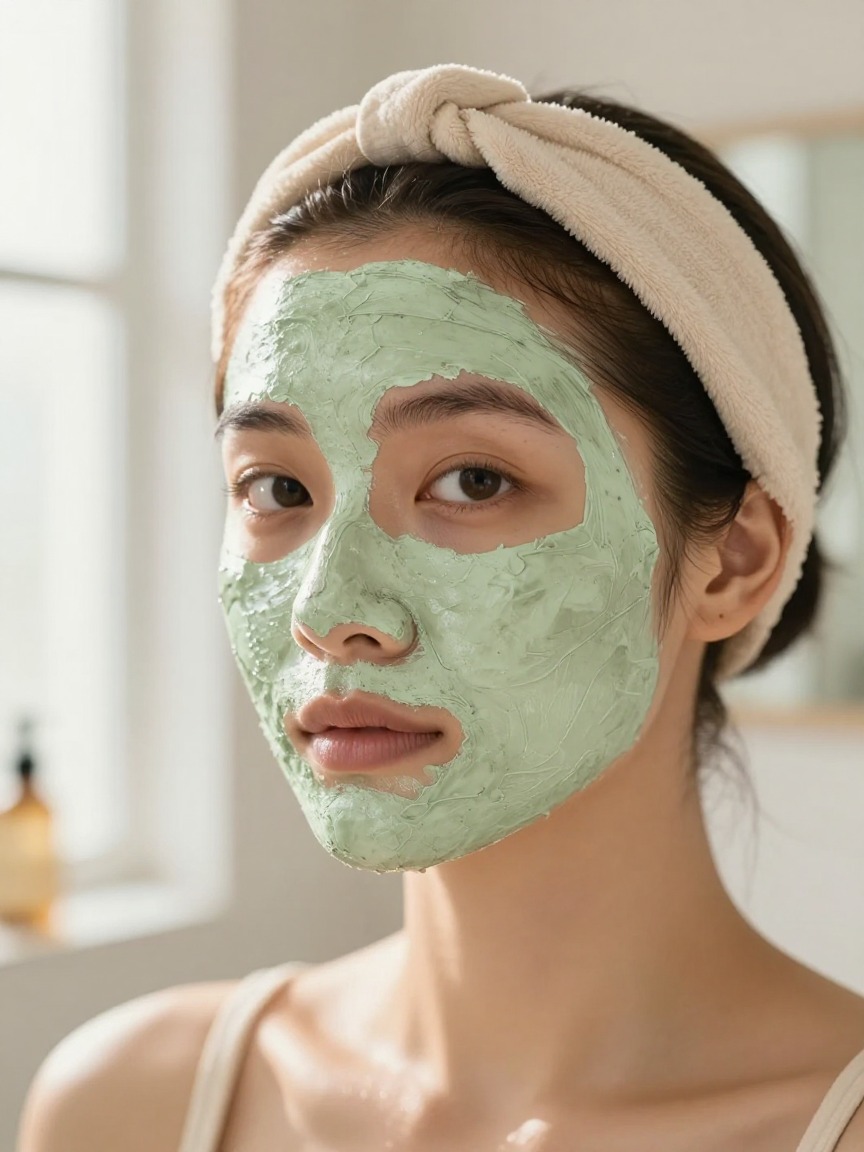
Two types of volcanic clay target sebum and blackheads. The texture isn't chalky or hard to remove like older clay formulas. It's also genuinely affordable for how often you'll reach for it.
Lightweight, non-cakey texture that spreads and rinses easily
Visibly reduces the look of congested pores after a single use
Priced low enough to use regularly without guilt
The mineral scent is noticeable and won't appeal to everyone
Anyone dealing with clogged pores, blackheads, or rough, bumpy texture who wants an evidence-backed exfoliating toner
2% BHA Liquid Exfoliant
Paula's Choice
It's built around a well-studied 2% salicylic acid concentration at an effective pH. The base is fragrance-free and alcohol-free. That combination is why it's stayed a favorite among ingredient-focused shoppers for years, rather than fading as a trend.
2% salicylic acid at a pH that actually works
Fragrance-free and alcohol-free formula
Noticeably improves texture and blackheads with consistent use
The active concentration can cause redness or flaking in the first couple of weeks, so it's not the easiest starting point for very reactive or rosacea-prone skin
Affiliate disclosure: We may earn a commission from qualifying purchases made through links on this page, at no extra cost to you. Some links on this page are affiliate links.