In short: Microcurrent devices use a low-level electrical current to temporarily tone facial muscles and produce a subtle lifted look, but results are short-lived and depend on consistent use with conductive gel. They're not a substitute for a facelift, and pregnant users or anyone with a pacemaker or epilepsy should check with a doctor before trying one.
Affiliate disclosure: We may earn a commission from qualifying purchases made through links on this page, at no extra cost to you. Some links on this page are affiliate links.
Tools & Devices · Guide
Microcurrent Devices
Recommended microcurrent devices
Our current top picks in this category, judged on formulation, evidence, texture and value.
Editor's Pick#1
People who want the most established microcurrent system, with attachments that grow with your routine
Trinity+ Facial Toning Device
NuFACE
NuFACE pioneered at-home microcurrent. The Trinity+ is its most complete system. It's FDA-cleared and backed by more independent research than most competitors. It's also built to accept extra attachment heads over time.
FDA-cleared and the most studied at-home microcurrent brand
Interchangeable attachment heads for eyes, lips, and larger facial areas
Built-in timer keeps sessions consistent
It's a genuine investment once you factor in the required conductive gel primer and optional attachments. Skipping the gel makes it far less effective
First-time users, or anyone who wants a smaller, travel-friendly version of the NuFACE system
Mini Facial Toning Device
NuFACE
It uses the same core microcurrent technology as the Trinity+. This at-home device is compact and single-mode. It's easier to learn on and simpler to pack for travel.
Same trusted NuFACE microcurrent technology at a lower price point
Compact size makes it easy to travel with
Simple one-button operation with no settings to fuss over
The single attachment head is sized for smaller areas. Covering the whole face takes longer than with the Trinity+'s larger head
People who want a stronger, gel-optional microcurrent session and don't mind paying more
Bear
FOREO
The Bear pairs microcurrent with FOREO's T-Sonic pulses. It's designed to work with just water, not a dedicated conductive gel. Comfort still improves with a bit of added moisture.
App-guided sessions with adjustable intensity levels
Doesn't strictly require a proprietary conductive gel to function
Stronger current than several competitors, for people who've built up tolerance
The higher intensity settings can feel too strong or startling for first-time users. It's also one of the pricier options here
What a Microcurrent Device Actually Does: EMS vs. Muscle Stimulation
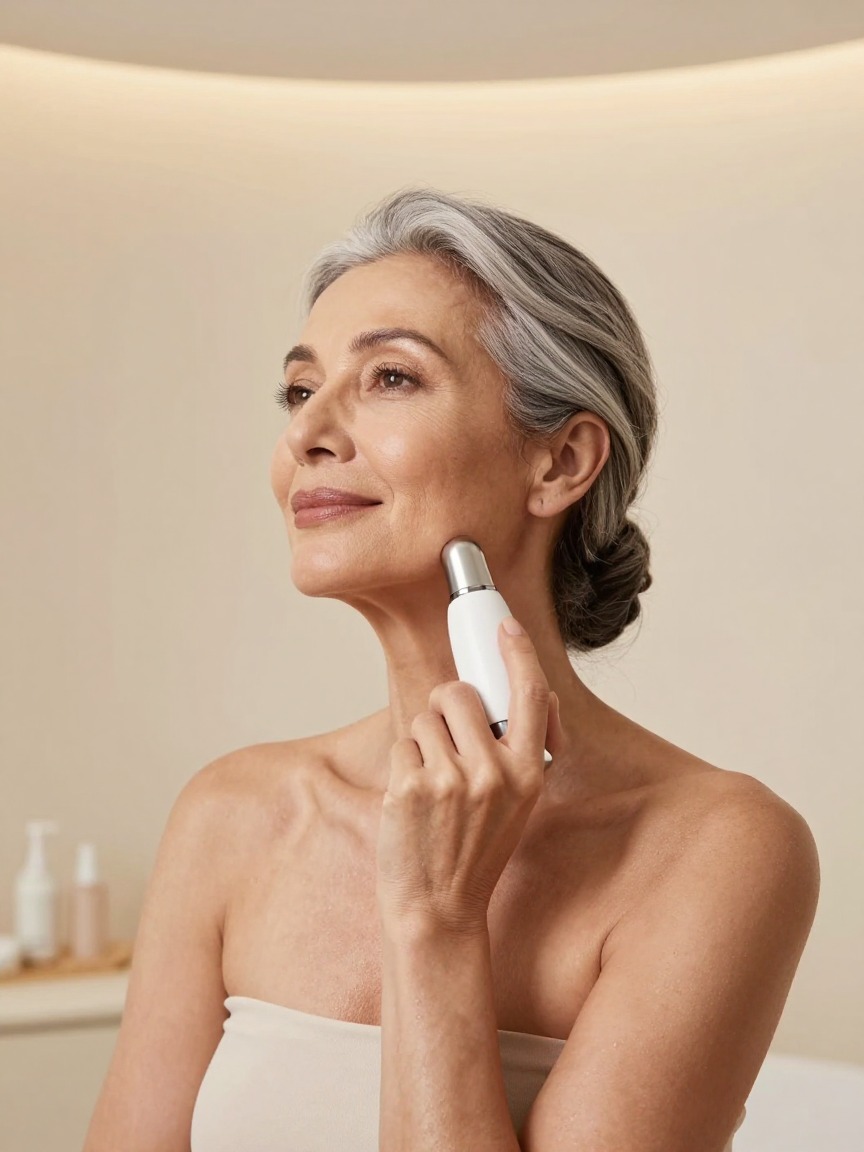
A microcurrent device delivers a very low-level electrical current. It's measured in microamps — a millionth of an amp. Two metal probes or conductive spheres carry it, pressed against the skin. That current is far weaker than the milliamp-level current used in medical or spa-grade electrical muscle stimulation (EMS) devices. Most people feel nothing more than a faint tingle. The theory behind at-home microcurrent borrows from decades of use in physical therapy: a small electrical current may prompt a temporary muscle contraction and encourage cellular activity. The result is a short-term 'lifted' or firmer look right after a session.
The ATP Production Theory, Briefly
Part of the working theory involves ATP production — the energy molecule cells use to function. Proponents argue microcurrent stimulates ATP production at the cellular level, which may support firmer-looking skin over time. That mechanism is plausible, based on how microcurrent is used in physical therapy. The specific claims made for cosmetic facial toning rest on a much smaller body of research.
What the Evidence Actually Supports for Facial Toning
It's worth being direct here: the research on at-home microcurrent for facial toning is thinner than the marketing suggests. Most published studies are small and short-term. Some were funded by device manufacturers, which is a real limitation worth knowing about. The most consistent, better-supported finding is an immediate, temporary tightening effect. It shows up right after a session and fades within hours to a couple of days without repeat use. Evidence for lasting, cumulative change to muscle tone or wrinkle depth over months of use is weaker and much more mixed. That doesn't mean microcurrent does nothing — plenty of users report a genuine, visible difference in skin tone with consistent use. It's realistic to treat it as a temporary, maintenance-dependent tool, not a substitute for a facelift, filler, or other clinical procedure.
Types of At-Home Microcurrent Devices
Dual-Probe Wands & Conductive Gel
This is the most established category, led by brands like NuFACE. Two metal probes move along the face in specific patterns. One probe sits on each side of the targeted muscle, completing a circuit that runs current between them, usually with a conductive gel to help the current travel. These tend to be the most studied and most consistent devices in reviews.
App-Connected, Red Light Therapy & Multi-Mode Devices
Devices like ZIIP Beauty's Halo pair with a smartphone app to run pre-set programs. They target specific zones or concerns with different current patterns, often layering in red light therapy or LED alongside the microcurrent. These typically cost more, but they offer more structure for people who don't want to guess at technique.
Combination Devices for Jawline & Sagging Skin
Some devices, like Solawave's wand, bundle a lower-intensity microcurrent with red light therapy, gentle heat, and vibration in a single tool. Others, like FOREO's Bear, add stronger T-Sonic pulses aimed at the jawline and areas prone to sagging skin. Simpler single-probe options, like MyoLift's Mini, skip the extras for targeted touch-ups instead. Combination and hybrid devices are generally gentler and more affordable, positioned as an everyday tool rather than a dedicated high-intensity device.
How to Choose Based on Your Goals
New to microcurrent and unsure you'll stick with the daily habit it requires? Start with a smaller, lower-cost device rather than the most expensive option on the market. Already know you want a serious routine, and comfortable with the ongoing cost of conductive gel? An established dual-probe device gives you the most consistent, well-documented technique. Does a guided routine actually motivate you to use the device regularly? That matters more than any single device's specs, and an app-connected option can be worth the premium.
Session Length & How Microcurrent Fits Your Skincare Routine
Microcurrent is typically used on clean, gelled skin, before the rest of a routine. Serums and moisturizer go on afterward, once the gel is wiped away. It's not a replacement for sunscreen, retinoids, or other proven anti-aging staples — it's an add-on step, one that depends entirely on showing up consistently. A typical session length runs five to twenty minutes, depending on the device and how many areas you're treating. Most brands recommend a 'loading phase' of near-daily use for several weeks when you first start. After that, you taper to a few sessions a week for the maintenance phase, once you've built up visible results. Skipping days here and there is normal, but long gaps tend to mean starting the visible-results clock over.
Safety: Pacemaker, Epilepsy & Who Should Avoid It
Microcurrent devices are generally considered low-risk for healthy adults. They're not appropriate for everyone, though. Avoid using one, or check with a doctor first, if you're pregnant, have a pacemaker or other implanted electronic device, or have epilepsy or a history of seizures. The same caution applies if you have metal plates, pins, or implants in the treatment area, or active cystic acne, open wounds, cold sores, or a skin infection at the site you'd be treating. If you have a chronic health condition of any kind, a quick conversation with your doctor before starting is worth the five minutes it takes. There's still little independent long-term safety data for daily at-home use.
Loading Phase vs. Maintenance Phase Mistakes
Skipping the conductive gel — most devices are designed around a completed electrical circuit, and dry skin breaks that circuit or makes the session far less effective
Expecting permanent change from occasional use, instead of treating the loading phase and maintenance phase as an ongoing habit that needs consistency to hold results
Pressing too hard or moving too fast through the recommended strokes, instead of following the slower, more deliberate motions most brands demonstrate
Using it directly over active breakouts, open skin, or irritated areas
When to See a Dermatologist Instead of Chasing Wrinkles
Microcurrent devices are a cosmetic, at-home tool. They're not a medical treatment, and they shouldn't replace a dermatologist's guidance for a diagnosed skin condition. Dealing with persistent acne or an unexplained skin reaction? That's a conversation for a dermatologist. Considering a more dramatic or permanent change to sagging skin or deep wrinkles? A licensed provider can walk you through in-office options, rather than solving it with a stronger at-home device.
Popular picks from related categories, chosen with the same rubric.
Editor's Pick#1
Dry-to-normal sensitive skin, especially anyone also using retinoids or other actives
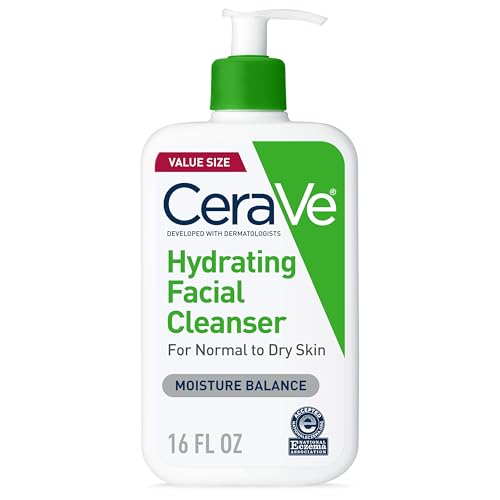
Hydrating Facial Cleanser
CeraVe
It's formulated with three ceramides, hyaluronic acid, and a National Eczema Association seal. Dermatologists mention it most often for reactive skin. It's a genuinely non-foaming, low-irritation formula that doesn't strip the barrier.
Ceramide and hyaluronic acid formula supports the skin barrier while cleansing
Fragrance-free, non-foaming, and won't disrupt a compromised moisture barrier
Budget-friendly per ounce and widely available at drugstores
Doesn't fully dissolve heavy sunscreen or long-wear makeup on its own, so double-cleansing days may need a micellar water or oil-based first step
Readers who want a well-formulated L-ascorbic acid serum without the prestige price tag
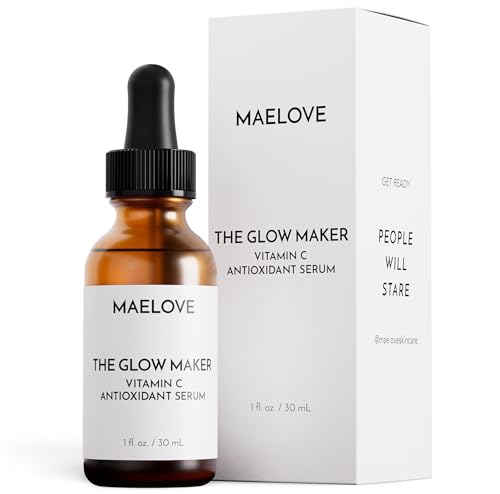
Glow Maker
Maelove
It leans on similar formulation logic to pricier serums: L-ascorbic acid plus vitamin E and ferulic acid. It costs a fraction of the price. That's why it's often called an affordable alternative to the prestige options.
Combines L-ascorbic acid with vitamin E and ferulic acid, echoing higher-end formulas
Opaque pump bottle helps limit light and air exposure
Noticeably cheaper per ounce than most L-ascorbic acid serums of similar formulation
The pump can dispense unevenly or feel like it needs priming, a minor but frequently mentioned annoyance
Normal to dry skin that wants a dermatologist-developed, fragrance-free daily moisturizer
CeraVe Moisturizing Cream
CeraVe
It pairs three essential ceramides with hyaluronic acid in a rich, fragrance-free base. Long-term users with dry, compromised skin consistently praise it. It's also inexpensive enough to use liberally.
Ceramide + hyaluronic acid formula supports the skin barrier
Fragrance-free and well-tolerated by sensitive skin
Large jar size makes it very cost-effective per ounce
The tub packaging means dipping fingers into the product, which isn't ideal for hygiene or portability
acne-prone, sensitive, or post-procedure skin that needs a dermatologist-trusted daily option
UV Clear Broad-Spectrum SPF 46
EltaMD
Dermatologists reach for EltaMD more than almost any other sunscreen. It pairs broad-spectrum zinc oxide protection with niacinamide and hyaluronic acid. The oil-free base is genuinely weightless and layers well under makeup.
Broad-spectrum SPF 46 with zinc oxide
Oil-free, non-comedogenic formula favored for acne-prone skin
Contains niacinamide and hyaluronic acid for added hydration
Pricier per ounce than most drugstore sunscreens, and the pump makes it easy to under-apply if you're not deliberate about the amount.
oily, pore-prone skin that wants a formula built specifically around pore congestion
Super Volcanic Pore Clay Mask 2X
innisfree
Two types of volcanic clay target sebum and blackheads. The texture isn't chalky or hard to remove like older clay formulas. It's also genuinely affordable for how often you'll reach for it.
Lightweight, non-cakey texture that spreads and rinses easily
Visibly reduces the look of congested pores after a single use
Priced low enough to use regularly without guilt
The mineral scent is noticeable and won't appeal to everyone
Anyone dealing with clogged pores, blackheads, or rough, bumpy texture who wants an evidence-backed exfoliating toner
2% BHA Liquid Exfoliant
Paula's Choice
It's built around a well-studied 2% salicylic acid concentration at an effective pH. The base is fragrance-free and alcohol-free. That combination is why it's stayed a favorite among ingredient-focused shoppers for years, rather than fading as a trend.
2% salicylic acid at a pH that actually works
Fragrance-free and alcohol-free formula
Noticeably improves texture and blackheads with consistent use
The active concentration can cause redness or flaking in the first couple of weeks, so it's not the easiest starting point for very reactive or rosacea-prone skin
Affiliate disclosure: We may earn a commission from qualifying purchases made through links on this page, at no extra cost to you. Some links on this page are affiliate links.