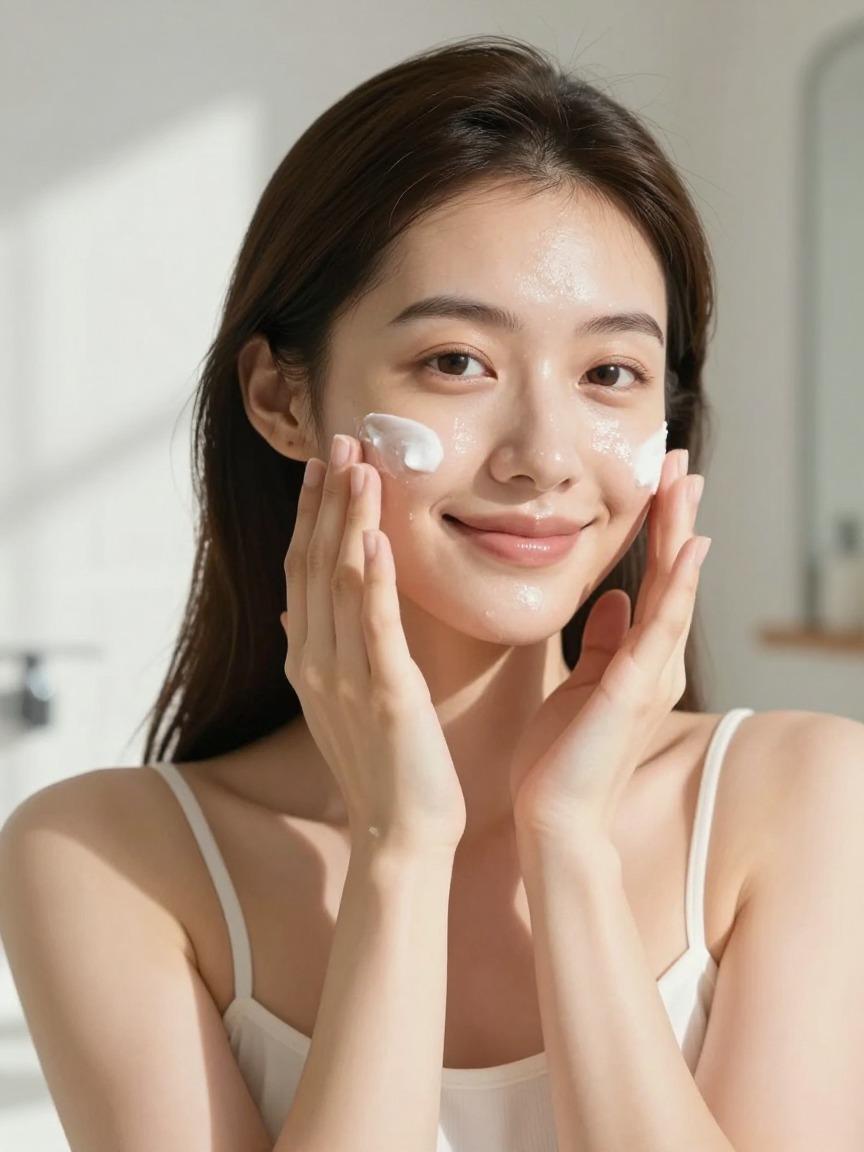
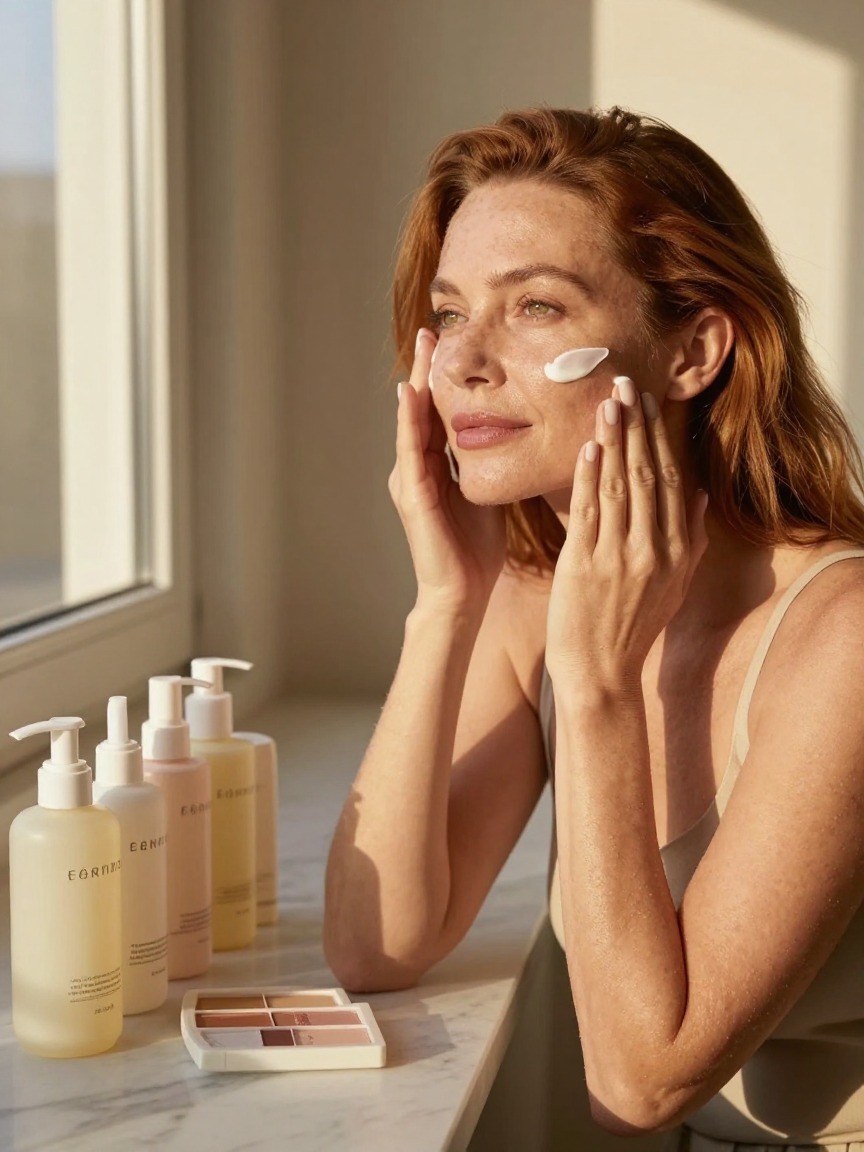
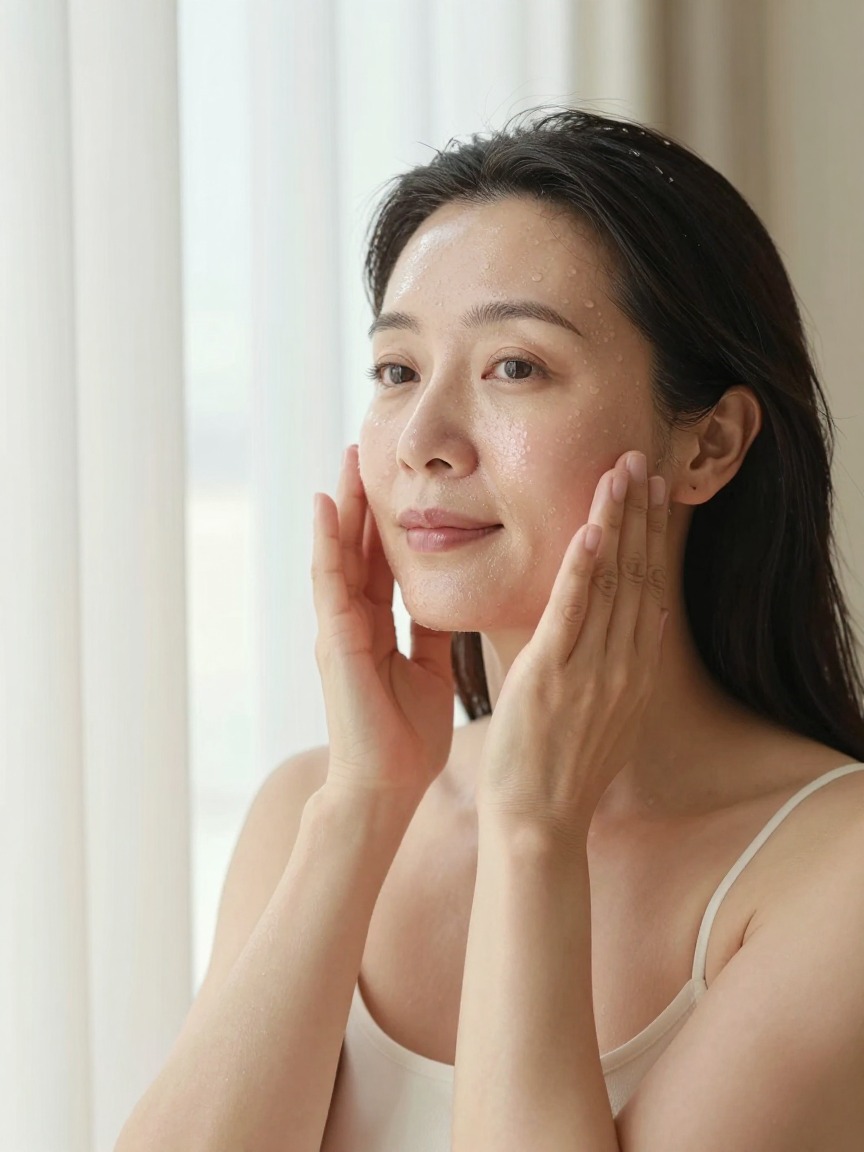
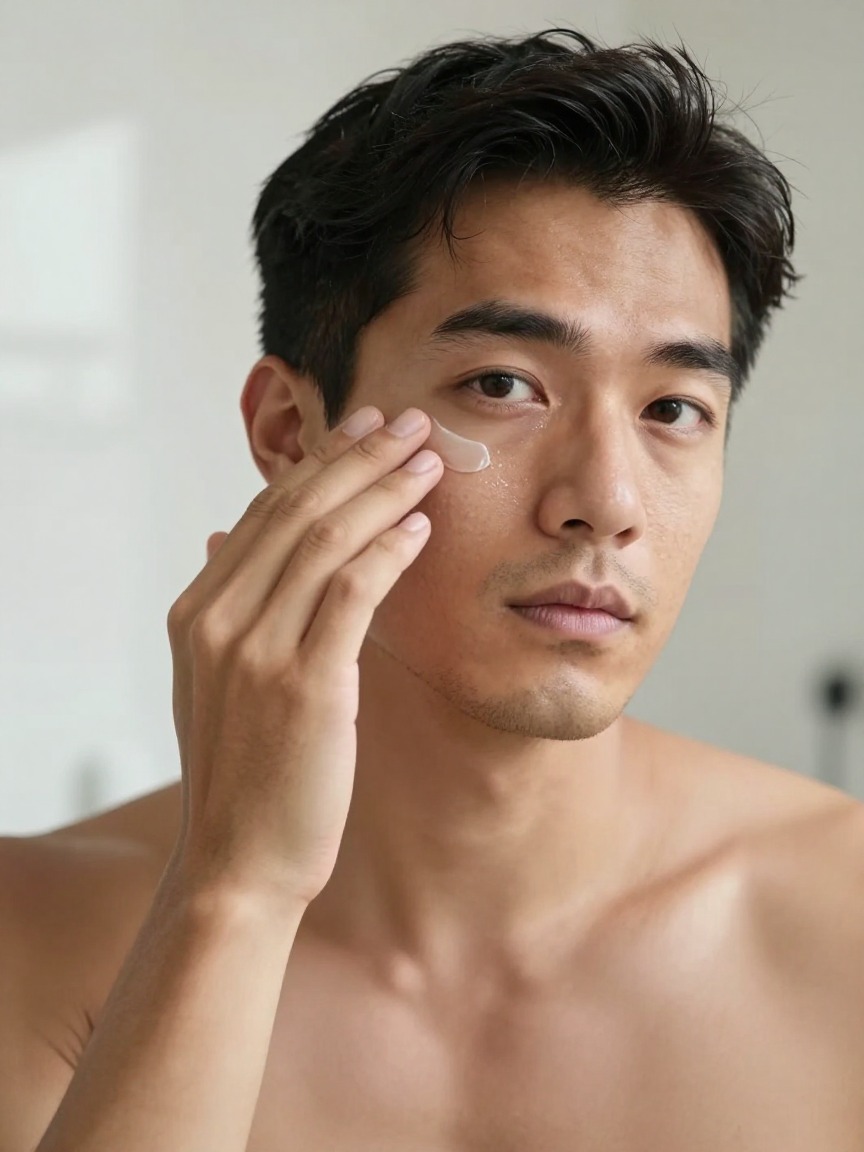
In short: A face moisturizer's job is to reduce water loss and support your skin's barrier, not to treat conditions. Choose a gel for oily skin, a cream with ceramides for dry or sensitive skin, and apply it to slightly damp skin. Persistent irritation, breakouts, or reactions are a question for a dermatologist.
Affiliate disclosure: We may earn a commission from qualifying purchases made through links on this page, at no extra cost to you. Some links on this page are affiliate links.
Moisturizers & Eye Care · Guide
Everyday Face Moisturizers
Recommended everyday face moisturizers
Our current top picks in this category, judged on formulation, evidence, texture and value.
Editor's Pick#1
Normal to dry skin that wants a dermatologist-developed, fragrance-free daily moisturizer
CeraVe Moisturizing Cream
CeraVe
It pairs three essential ceramides with hyaluronic acid in a rich, fragrance-free base. Long-term users with dry, compromised skin consistently praise it. It's also inexpensive enough to use liberally.
Ceramide + hyaluronic acid formula supports the skin barrier
Fragrance-free and well-tolerated by sensitive skin
Large jar size makes it very cost-effective per ounce
The tub packaging means dipping fingers into the product, which isn't ideal for hygiene or portability
Sensitive, reactive, or easily irritated skin, including skin using retinoids or acids
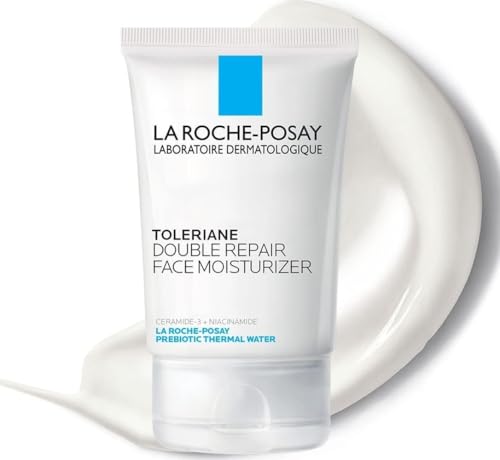
Toleriane Double Repair Face Moisturizer
La Roche-Posay
It combines ceramides and niacinamide with La Roche-Posay's prebiotic thermal spring water. The formula targets compromised or reactive skin barriers specifically. It also layers well under sunscreen or makeup.
Lightweight gel-cream that absorbs quickly without pilling
Formulated with dermatologists for sensitive and barrier-compromised skin
Works well as a buffer layer under retinoids or exfoliating acids
Its lighter texture may not be enough on its own for very dry skin in cold, low-humidity winters
Anyone on a tight budget who wants a genuinely simple, no-frills daily moisturizer
Natural Moisturizing Factors + HA
The Ordinary
It delivers a straightforward blend of amino acids, fatty acids, and hyaluronic acid. The formula is modeled on skin's own natural moisturizing factors. It also costs less per ounce than nearly any other pick here.
Very low price relative to the ingredient quality
Fragrance-free, simple formula with few likely irritants
Lightweight enough to layer under other products or makeup
Thin texture isn't occlusive enough for dry or mature skin without a heavier cream layered on top, especially in winter
What a Face Moisturizer Does: Transepidermal Water Loss & Your Skin Barrier
Your skin's outer layer is the stratum corneum. It's a barrier made of cells held together by lipids. Those lipids are mostly ceramides, cholesterol, and fatty acids. This skin barrier keeps water in and irritants out. A face moisturizer supports it from the outside. It slows transepidermal water loss, the rate water evaporates from skin. Better formulas also supply some of the same lipids your barrier is built from. What a moisturizer does not do matters too. It won't treat acne. It won't reverse sun damage. It won't "fix" a skin condition. It's a maintenance product. Its results are felt more than seen: smoother texture, less tightness, fewer flaky patches, and a better base for makeup or sunscreen.
A Guide to Humectants, Occlusives & Ceramides: The Three Ingredient Jobs
Nearly every moisturizer is built from ingredients doing one of three jobs. Humectants — glycerin, hyaluronic acid, urea — pull water toward the skin surface. Emollients — squalane, plant oils, fatty alcohols — smooth and soften skin. Occlusives — petrolatum, dimethicone, beeswax — form a layer that slows water loss. Most good moisturizers combine at least two of these categories. A purely humectant formula on already-dry skin can backfire. It can pull moisture from deeper skin layers instead of the air. That's why layering a humectant serum under an occlusive moisturizer tends to work better than either alone.
Choosing a Moisturizer by Skin Type
The right formula depends far more on your skin's current behavior than on age or gender marketing.
Oily Skin: Non-Comedogenic, Oil-Free Formulas
Oily or acne-prone skin still needs a moisturizer. Skipping it often makes oil production worse, not better. Look for oil-free, non-comedogenic, gel or gel-cream textures. These should be built mostly around humectants.
Dry Skin: Rich, Ceramide-Based Creams
Dry skin benefits from richer creams with ceramides, shea butter, or petrolatum. Apply while skin is still slightly damp from cleansing. This locks in extra water.
Combination Skin: Balance Two Textures
Combination skin often does best with one lightweight lotion applied everywhere. Press a small amount of a richer cream into any consistently dry patches, like the cheeks.
Sensitive or reactive skin should prioritize fragrance-free formulas with short ingredient lists. Look for ceramides and niacinamide. Always patch test a new product on the inner forearm for a few days before applying it to your face.
Mature Skin: Richer, Peptide-Containing Creams
Skin tends to produce less of its own oil with age. Richer, ceramide- and peptide-containing creams are usually more comfortable than gel textures. Daily sunscreen does more for skin's long-term appearance than any moisturizer.
Where a Daily Moisturizer Fits in Your Everyday Routine
In the morning, moisturizer generally goes after treatment serums and before sunscreen. This gives actives a few minutes to absorb first. At night, it's typically the last step. Apply it after cleansing and any treatment products like retinoids or acids. This seals them in and buffers their potential for irritation. Applying moisturizer to slightly damp skin measurably improves how well humectant ingredients work. They need water in the skin to draw from. A pea-to-nickel-sized amount is usually enough for the full face and neck. More isn't necessarily better. A moisturizer that needs thick layers to feel like it's working may simply be under-formulated for your skin.
Common Mistakes
Skipping moisturizer on oily skin. Stripped skin often overcompensates with more oil, making the original problem worse.
Stacking too many actives at once. Retinoids, exfoliating acids, and vitamin C all ask something of your skin barrier. Without enough moisturizer support, irritation shows up and gets blamed on the wrong product.
Chasing ingredient lists instead of texture and fit. A moisturizer packed with trendy actives that you stop using after two weeks does less for you than a simple formula you'll actually use every day.
Expecting a moisturizer to treat a condition. Persistent acne, eczema flares, rosacea, or unexplained rashes need more than a new jar of cream.
Marketing terms like "clinically proven" or "24-hour hydration" aren't standardized claims. A brand can use them without much evidence behind the specific product. What's more useful is scanning the actual ingredient list. Check whether a real humectant is present, like glycerin or hyaluronic acid. Check for an emollient too, like squalane or ceramides. If you need it, check for an occlusive like petrolatum. Niacinamide is also worth watching for, for barrier support. Ingredients are listed in descending order by concentration. Something buried near the end is present in a trace amount at best. A short list of familiar ingredients you can picture doing something beats a long list of trending extracts with no clear job.
Jars vs. Pumps vs. Tubes
Packaging affects a moisturizer more than most people assume. Jars require dipping fingers in. This introduces bacteria and air exposure over time. It's not a dealbreaker, but worth knowing if the formula has oxidation-sensitive ingredients. Airless pumps protect the formula better. They also dispense a more consistent amount each time. Tubes fall in between. None of this changes how well a formula moisturizes. It's a reasonable tiebreaker between two products with similar ingredients.
When to See a Dermatologist
Moisturizers are a maintenance step, not a treatment. If you have persistent breakouts, a rash that isn't improving, or ongoing redness with new products, see a board-certified dermatologist. They can actually examine and diagnose your skin. No amount of product research online can substitute for that. For tested products rather than ingredients, see our best everyday face moisturizers picks, including CeraVe, La Roche-Posay, The Ordinary, Neutrogena, Kiehl's, and Cetaphil. This guide reflects formulation research and aggregated user experience, not medical advice.
Popular picks from related categories, chosen with the same rubric.
Editor's Pick#1
Dry-to-normal sensitive skin, especially anyone also using retinoids or other actives
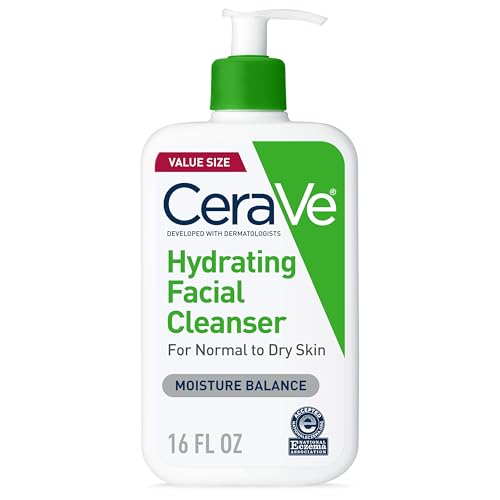
Hydrating Facial Cleanser
CeraVe
It's formulated with three ceramides, hyaluronic acid, and a National Eczema Association seal. Dermatologists mention it most often for reactive skin. It's a genuinely non-foaming, low-irritation formula that doesn't strip the barrier.
Ceramide and hyaluronic acid formula supports the skin barrier while cleansing
Fragrance-free, non-foaming, and won't disrupt a compromised moisture barrier
Budget-friendly per ounce and widely available at drugstores
Doesn't fully dissolve heavy sunscreen or long-wear makeup on its own, so double-cleansing days may need a micellar water or oil-based first step
Readers who want a well-formulated L-ascorbic acid serum without the prestige price tag
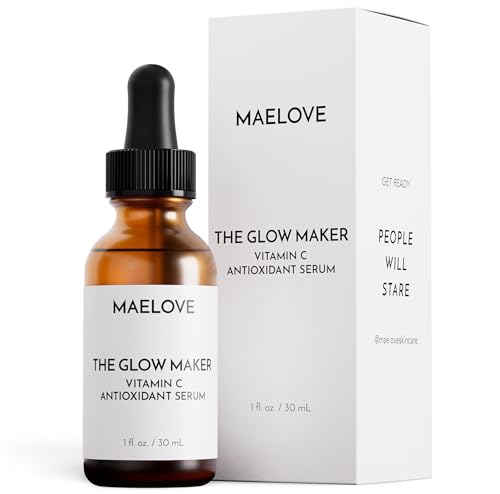
Glow Maker
Maelove
It leans on similar formulation logic to pricier serums: L-ascorbic acid plus vitamin E and ferulic acid. It costs a fraction of the price. That's why it's often called an affordable alternative to the prestige options.
Combines L-ascorbic acid with vitamin E and ferulic acid, echoing higher-end formulas
Opaque pump bottle helps limit light and air exposure
Noticeably cheaper per ounce than most L-ascorbic acid serums of similar formulation
The pump can dispense unevenly or feel like it needs priming, a minor but frequently mentioned annoyance
acne-prone, sensitive, or post-procedure skin that needs a dermatologist-trusted daily option
UV Clear Broad-Spectrum SPF 46
EltaMD
Dermatologists reach for EltaMD more than almost any other sunscreen. It pairs broad-spectrum zinc oxide protection with niacinamide and hyaluronic acid. The oil-free base is genuinely weightless and layers well under makeup.
Broad-spectrum SPF 46 with zinc oxide
Oil-free, non-comedogenic formula favored for acne-prone skin
Contains niacinamide and hyaluronic acid for added hydration
Pricier per ounce than most drugstore sunscreens, and the pump makes it easy to under-apply if you're not deliberate about the amount.
oily, pore-prone skin that wants a formula built specifically around pore congestion
Super Volcanic Pore Clay Mask 2X
innisfree
Two types of volcanic clay target sebum and blackheads. The texture isn't chalky or hard to remove like older clay formulas. It's also genuinely affordable for how often you'll reach for it.
Lightweight, non-cakey texture that spreads and rinses easily
Visibly reduces the look of congested pores after a single use
Priced low enough to use regularly without guilt
The mineral scent is noticeable and won't appeal to everyone
Anyone dealing with clogged pores, blackheads, or rough, bumpy texture who wants an evidence-backed exfoliating toner
2% BHA Liquid Exfoliant
Paula's Choice
It's built around a well-studied 2% salicylic acid concentration at an effective pH. The base is fragrance-free and alcohol-free. That combination is why it's stayed a favorite among ingredient-focused shoppers for years, rather than fading as a trend.
2% salicylic acid at a pH that actually works
Fragrance-free and alcohol-free formula
Noticeably improves texture and blackheads with consistent use
The active concentration can cause redness or flaking in the first couple of weeks, so it's not the easiest starting point for very reactive or rosacea-prone skin
people who want the most clinically studied LED mask on the market and don't mind the price
Contour Face
Omnilux
Omnilux's LED technology is the same platform used in dermatology clinics. The Contour Face is its rigid, dermatologist-favorite home version, and it has more research behind it than most at-home competitors.
Extensive clinical research behind Omnilux's LED platform, more than most home devices
FDA-cleared for temporary reduction in the appearance of fine lines and wrinkles
Even, consistent light distance thanks to the rigid, hinged design
Rigid shell doesn't flex to different face shapes, there's no blue-light setting for acne, and it's one of the most expensive masks on the market
Affiliate disclosure: We may earn a commission from qualifying purchases made through links on this page, at no extra cost to you. Some links on this page are affiliate links.