Skip to content
Category

Moisturizers & Eye Care

Independent, research-backed guides to moisturizers & eye care — ranked picks, buying guides and answers for every skin type.

Moisturizers & Eye Care FAQ

Affiliate disclosure: We may earn a commission from qualifying purchases made through links on this page, at no extra cost to you. Some links on this page are affiliate links.

Recommended moisturizers & eye care

Our current top picks across moisturizers & eye care, judged on formulation, evidence, texture and value.

Editor's Pick #1
Moisturizing Cream
Normal to dry skin that wants a dermatologist-developed, fragrance-free daily moisturizer

CeraVe Moisturizing Cream

CeraVe

It pairs three essential ceramides with hyaluronic acid in a rich, fragrance-free base. Long-term users with dry, compromised skin consistently praise it. It's also inexpensive enough to use liberally.

Ceramide + hyaluronic acid formula supports the skin barrier
Fragrance-free and well-tolerated by sensitive skin
Large jar size makes it very cost-effective per ounce
The tub packaging means dipping fingers into the product, which isn't ideal for hygiene or portability
Editor's Pick #1
Moisturizer — Neutrogena Hydro Boost Water Gel
Anyone with oily or combination skin wanting fast-absorbing daily hydration

Hydro Boost Water Gel

Neutrogena

A genuinely oil-free, hyaluronic acid gel. It hydrates without a trace of greasy residue, and it's affordable enough to use generously, morning and night.

Hyaluronic acid hydrates without weight
Absorbs in seconds, layers well under makeup
Fragrance-free version available
Comes in a jar, so you're dipping fingers in rather than using a hygienic pump
Editor's Pick #1
Retinol Correxion Deep Wrinkle Night Cream
Anyone new to retinol who wants a well-established, budget-friendly formula with a long track record

Retinol Correxion Deep Wrinkle Night Cream

RoC

RoC pioneered over-the-counter retinol skincare. This cream remains one of the longest-running, most widely used retinol night creams sold without a prescription. It's also genuinely affordable.

Long, well-documented track record as one of the original OTC retinol creams
Widely available at a drugstore price point
Rich, emollient texture suits dry or mature skin
Contains fragrance and a noticeably richer, more occlusive texture than newer formulas, which can feel heavy on oilier skin and may cause more initial dryness for first-time retinol users

Moisturizers & Eye Care: what to know

A moisturiser has one core job: help the skin hold onto water and keep its barrier intact. It seals in the hydration and actives applied before it, and for many people it is the single product that decides whether skin feels comfortable all day. The trick is matching the texture and ingredients to what your skin actually needs, rather than defaulting to the richest or lightest option out of habit or the season you bought it in.

Humectants, emollients and occlusives

Good moisturisers combine three kinds of ingredients. Humectants like glycerin and hyaluronic acid pull water into the skin; emollients like squalane and fatty acids smooth and soften; and occlusives create a light seal that slows water loss. Lightweight gels lean on humectants and suit oily skin, while richer creams add more emollients and occlusives for dry or mature skin. Ceramides, which help rebuild the barrier itself, are a useful addition across almost every skin type. Understanding these three roles is the fastest way to read a moisturiser and predict how it will feel before you ever open the jar.

The formats, from gel to face oil

This category spans more textures than any other. Gel and gel-cream moisturisers feel weightless and suit oily or combination skin; lotions sit in the middle for normal skin; and rich creams and balms comfort dry and mature skin. Night creams are simply heavier, treatment-focused versions for evening use. Face oils are a different tool, being emollient and occlusive but containing no water, so they work best layered over a water-based moisturiser rather than in place of one. Pick the lightest format that keeps your skin comfortable through the day, and keep a richer option for winter or for nights when skin feels especially depleted.

Choosing by skin type

Oily and acne-prone skin does best with an oil-free gel or lotion labelled non-comedogenic, since skipping moisturiser entirely tends to make oiliness worse, not better. Dry skin benefits from a richer cream with ceramides and added hydrators that hold water in place over the day. Mature skin, which holds moisture less easily over time, is well served by ceramide- and peptide-rich formulas. Sensitive skin should stay fragrance-free with a short, barrier-focused ingredient list. Combination skin can even use two, a lighter formula over oilier areas and something richer on dry patches, rather than compromising with one that suits neither.

Eye care, kept honest

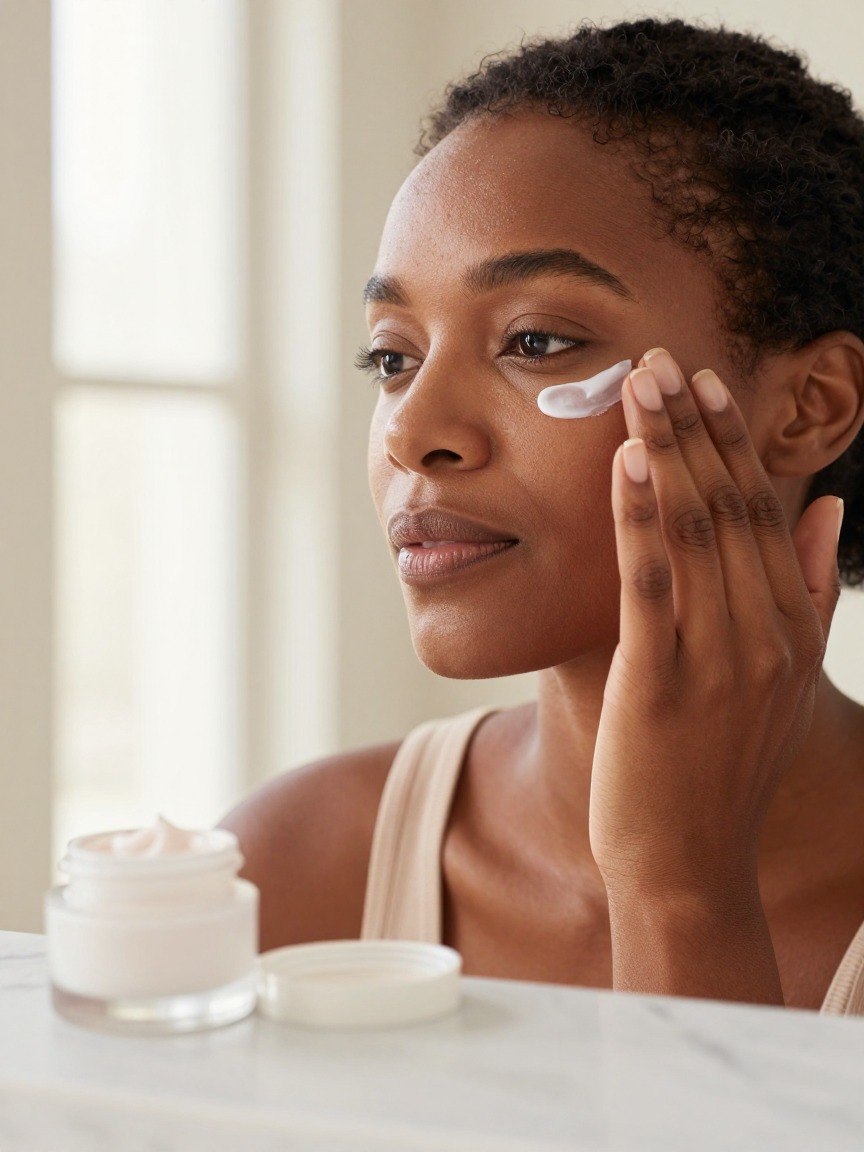
The skin around the eyes is thinner and shows dryness and fatigue quickly, so a dedicated eye cream can genuinely improve comfort, smoothness and the look of puffiness or dark circles. What it cannot do is erase structural under-eye shadows or replace sleep and sun protection. Eye creams for puffiness lean on lightweight, sometimes caffeinated formulas, while those for dark circles focus on hydration and gentle brightening, but treat all of them as targeted maintenance rather than a miracle fix. If you would rather keep things simple, a gentle facial moisturiser dabbed carefully around the orbital bone does most of the same work.

Day, night, and layering with actives

A moisturiser is the step that locks everything else in, so where it sits in the routine matters. In the morning, a lighter formula goes on after any water-based serums and before sunscreen. At night you can go richer, sealing in treatment actives like retinoids, and for very dry skin a heavier occlusive layer over everything, sometimes called slugging, can noticeably cut overnight water loss. Applying moisturiser to slightly damp skin helps trap more hydration, and if a retinoid or acid stings, sandwiching it between two thin layers of moisturiser buffers the irritation while you build tolerance.

Common mistakes and simple fixes

The recurring errors are easy to fix. Oily skin skipping moisturiser only triggers more oil, so the answer is a lighter formula, not none. Dry skin often under-applies or waits until skin is bone-dry rather than applying to damp skin straight after cleansing. Many people also use a moisturiser far too rich or too light for the season and never adjust as the weather changes. And an eye cream is optional, since a gentle facial moisturiser can be dabbed around the eyes if you would rather keep things simple. Comfortable, non-tight skin that stays hydrated all day is the only real test of whether you have chosen well.

Season, climate and adjusting over time

Skin's needs are not fixed, and the same face can want different things across a year. Cold, dry air and indoor heating pull moisture out, so most people do better with a richer cream in winter and a lighter one in humid summer months. Central heating and air conditioning both dry the air further, which is why hydration can lag even when nothing in your routine has changed. Skin also tends to hold water less easily with age, so a formula that felt heavy in your twenties may feel just right later. Treat your moisturiser as something to revisit, not a one-time decision, and let comfort guide the adjustment.

Browse every moisturizers & eye care guide

You may be interested in

Popular picks from related categories, chosen with the same rubric.

Editor's Pick #1
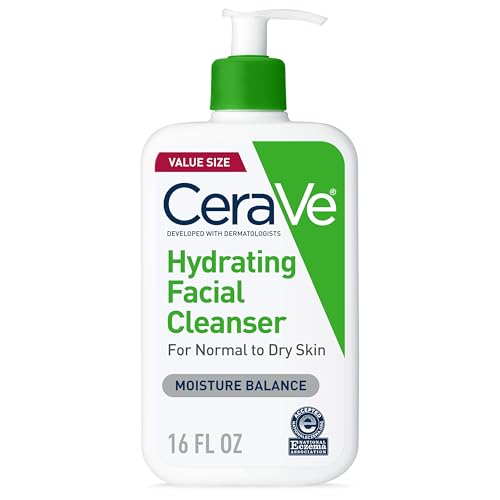
Hydrating Facial Cleanser
Dry-to-normal sensitive skin, especially anyone also using retinoids or other actives

Hydrating Facial Cleanser

CeraVe

It's formulated with three ceramides, hyaluronic acid, and a National Eczema Association seal. Dermatologists mention it most often for reactive skin. It's a genuinely non-foaming, low-irritation formula that doesn't strip the barrier.

Ceramide and hyaluronic acid formula supports the skin barrier while cleansing
Fragrance-free, non-foaming, and won't disrupt a compromised moisture barrier
Budget-friendly per ounce and widely available at drugstores
Doesn't fully dissolve heavy sunscreen or long-wear makeup on its own, so double-cleansing days may need a micellar water or oil-based first step
Best Value #2
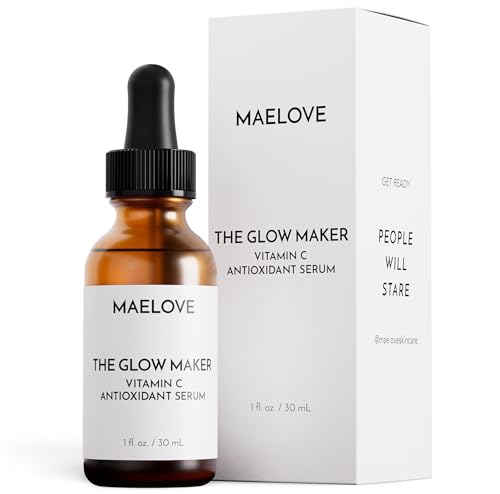
Glow Maker
Readers who want a well-formulated L-ascorbic acid serum without the prestige price tag

Glow Maker

Maelove

It leans on similar formulation logic to pricier serums: L-ascorbic acid plus vitamin E and ferulic acid. It costs a fraction of the price. That's why it's often called an affordable alternative to the prestige options.

Combines L-ascorbic acid with vitamin E and ferulic acid, echoing higher-end formulas
Opaque pump bottle helps limit light and air exposure
Noticeably cheaper per ounce than most L-ascorbic acid serums of similar formulation
The pump can dispense unevenly or feel like it needs priming, a minor but frequently mentioned annoyance
Editor's Pick #1
UV Clear Broad-Spectrum SPF 46
acne-prone, sensitive, or post-procedure skin that needs a dermatologist-trusted daily option

UV Clear Broad-Spectrum SPF 46

EltaMD

Dermatologists reach for EltaMD more than almost any other sunscreen. It pairs broad-spectrum zinc oxide protection with niacinamide and hyaluronic acid. The oil-free base is genuinely weightless and layers well under makeup.

Broad-spectrum SPF 46 with zinc oxide
Oil-free, non-comedogenic formula favored for acne-prone skin
Contains niacinamide and hyaluronic acid for added hydration
Pricier per ounce than most drugstore sunscreens, and the pump makes it easy to under-apply if you're not deliberate about the amount.
Editor's Pick #1
Super Volcanic Pore Clay Mask 2X
oily, pore-prone skin that wants a formula built specifically around pore congestion

Super Volcanic Pore Clay Mask 2X

innisfree

Two types of volcanic clay target sebum and blackheads. The texture isn't chalky or hard to remove like older clay formulas. It's also genuinely affordable for how often you'll reach for it.

Lightweight, non-cakey texture that spreads and rinses easily
Visibly reduces the look of congested pores after a single use
Priced low enough to use regularly without guilt
The mineral scent is noticeable and won't appeal to everyone
Editor's Pick #1
Skin Perfecting 2% BHA Liquid Exfoliant
Anyone dealing with clogged pores, blackheads, or rough, bumpy texture who wants an evidence-backed exfoliating toner

2% BHA Liquid Exfoliant

Paula's Choice

It's built around a well-studied 2% salicylic acid concentration at an effective pH. The base is fragrance-free and alcohol-free. That combination is why it's stayed a favorite among ingredient-focused shoppers for years, rather than fading as a trend.

2% salicylic acid at a pH that actually works
Fragrance-free and alcohol-free formula
Noticeably improves texture and blackheads with consistent use
The active concentration can cause redness or flaking in the first couple of weeks, so it's not the easiest starting point for very reactive or rosacea-prone skin
Editor's Pick #1
Contour Face
people who want the most clinically studied LED mask on the market and don't mind the price

Contour Face

Omnilux

Omnilux's LED technology is the same platform used in dermatology clinics. The Contour Face is its rigid, dermatologist-favorite home version, and it has more research behind it than most at-home competitors.

Extensive clinical research behind Omnilux's LED platform, more than most home devices
FDA-cleared for temporary reduction in the appearance of fine lines and wrinkles
Even, consistent light distance thanks to the rigid, hinged design
Rigid shell doesn't flex to different face shapes, there's no blue-light setting for acne, and it's one of the most expensive masks on the market

Affiliate disclosure: We may earn a commission from qualifying purchases made through links on this page, at no extra cost to you. Some links on this page are affiliate links.