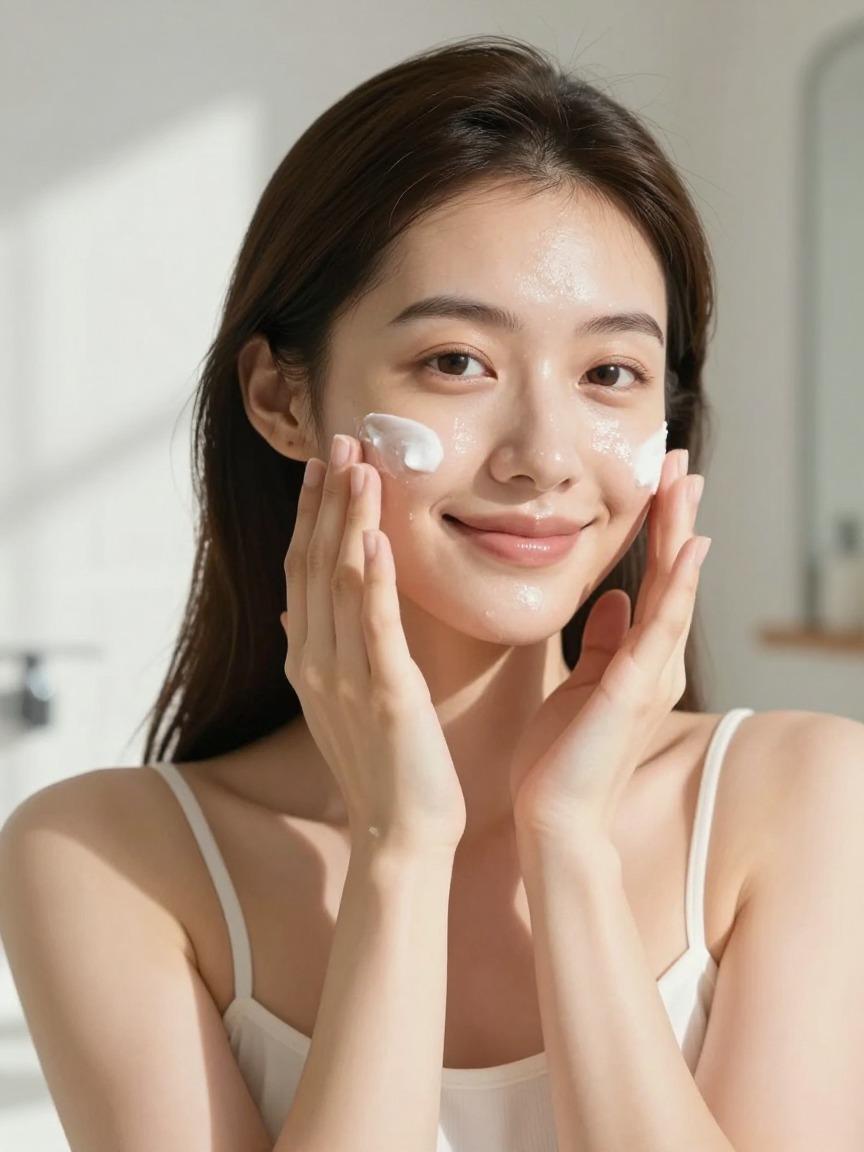
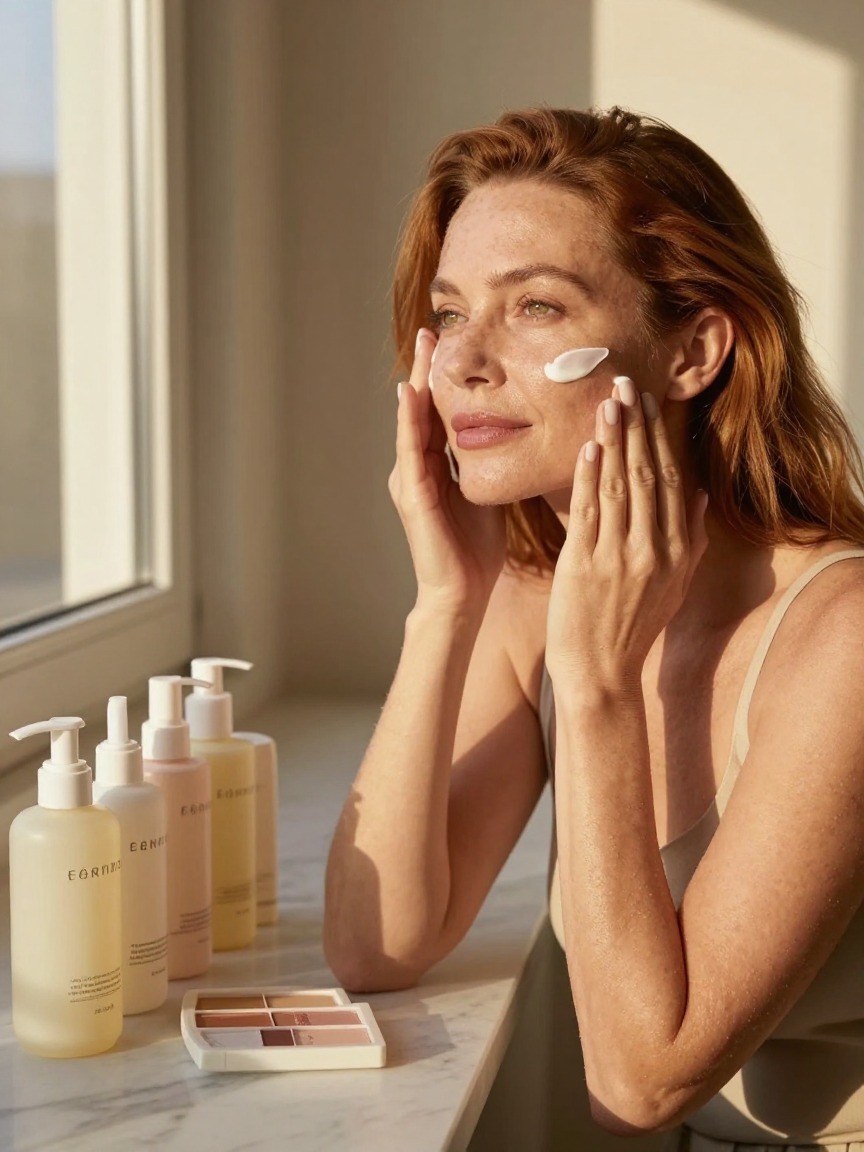
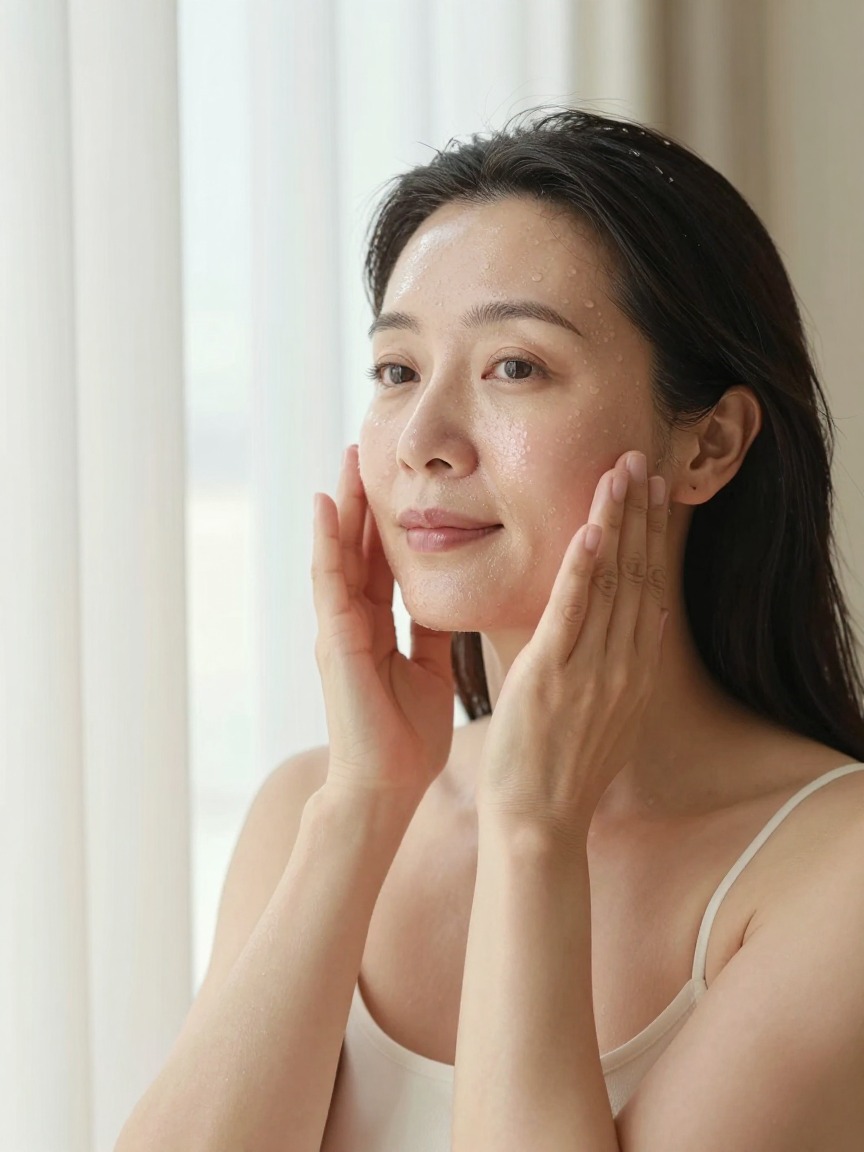
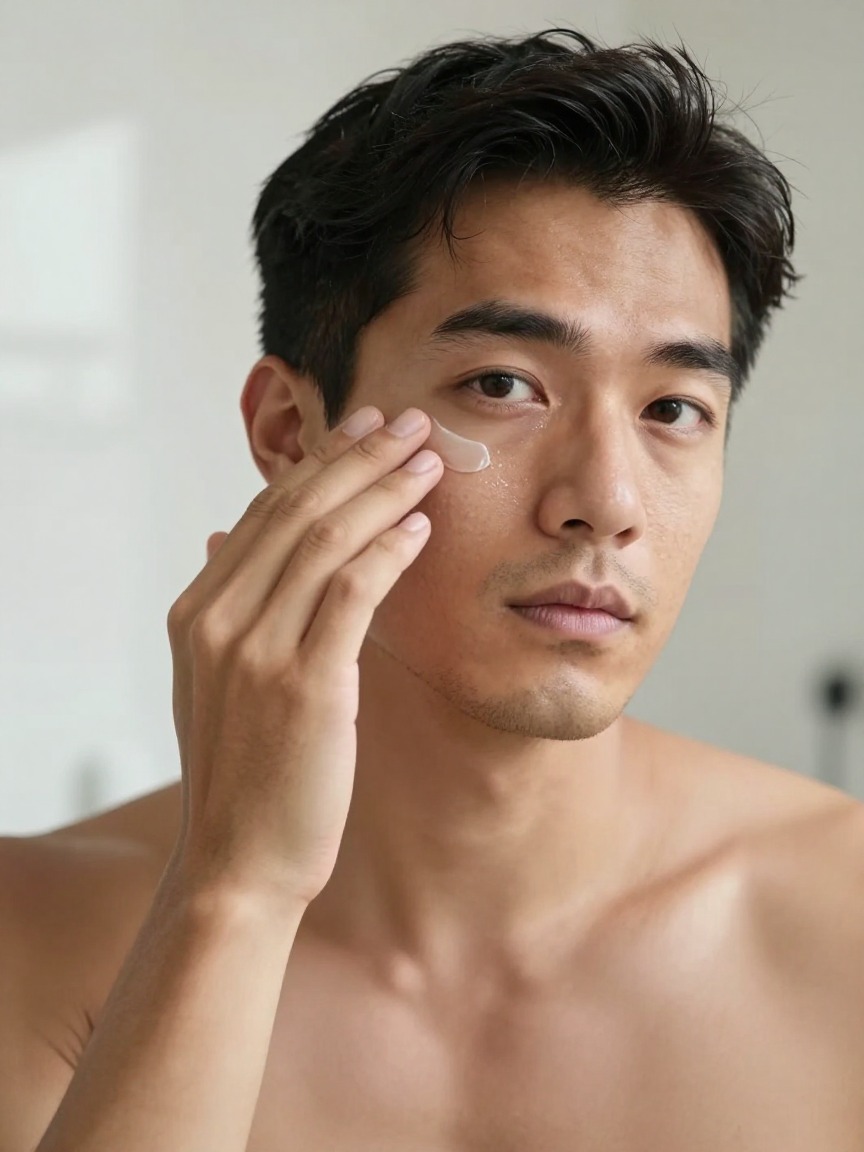
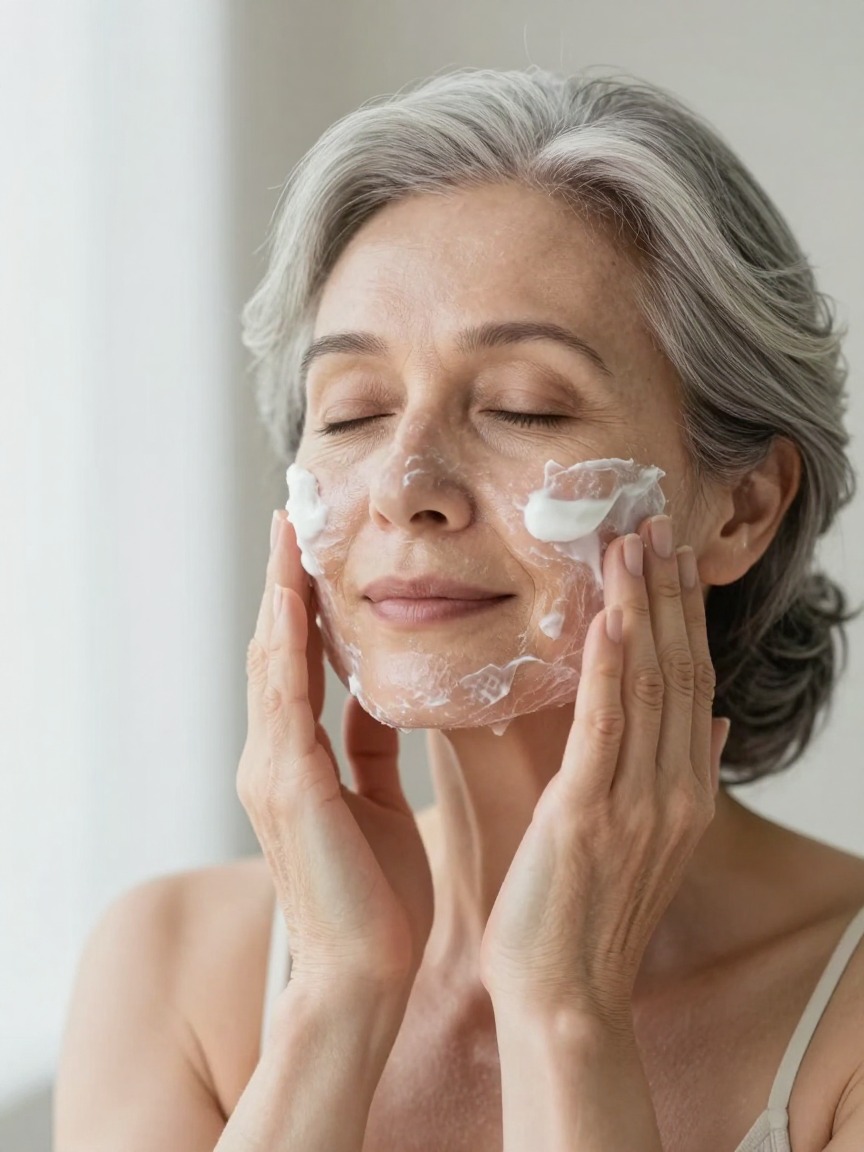
In short: Hydrating cream cleansers use gentle, low-foam formulas built around ceramides, glycerin, and other emollients. They clean skin without stripping its natural barrier. For dry, dehydrated, or sensitive skin, they're consistently a better daily choice than foaming or gel cleansers, which can worsen tightness, flaking, and reactivity over time.
Affiliate disclosure: We may earn a commission from qualifying purchases made through links on this page, at no extra cost to you. Some links on this page are affiliate links.
Facial Cleansers · Guide
Hydrating Cream Cleansers for Dry Skin
Recommended hydrating cream cleansers for dry skin
Our current top picks in this category, judged on formulation, evidence, texture and value.
Editor’s Pick#1
Most people with dry to normal skin who want a reliable, dermatologist-developed daily cleanser
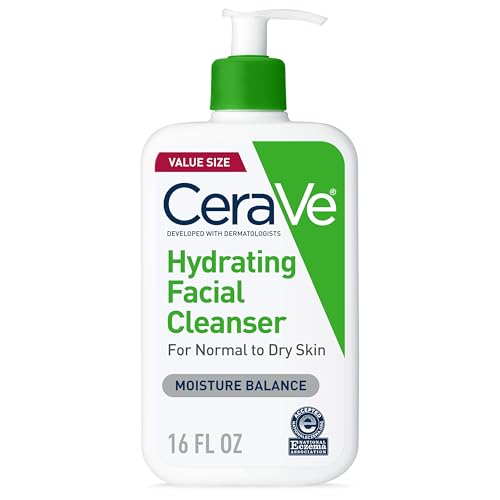
Hydrating Facial Cleanser
CeraVe
It pairs three essential ceramides with hyaluronic acid in CeraVe's patented delivery technology, so it cleans thoroughly while leaving skin feeling coated rather than stripped, and it has years of consistent, positive long-term user feedback behind it.
Ceramide-and-hyaluronic-acid formula supports the skin barrier
Fragrance-free and non-foaming, gentle enough for daily use
Widely available and inexpensive relative to its ingredient list
Some users with combination or acne-prone skin find it leaves a faint film that needs a second rinse
Budget-conscious shoppers who want a no-frills, dermatologist-recommended cleanser that's been around for decades
Gentle Skin Cleanser
Cetaphil
It's one of the most widely used gentle cleansers on the market, with a simple, low-irritation formula that's been a dermatology-office staple for generations, and it costs a fraction of most competitors per ounce.
Extremely affordable per ounce
Long track record and frequently dermatologist-recommended
Very low irritation potential, suitable for sensitive skin
Doesn't fully rinse clean with water alone — most people end up wiping it off with a cotton pad or soft cloth
Reactive, easily irritated, or rosacea-prone skin that needs a fragrance-free, minimal-ingredient formula
Toleriane Hydrating Gentle Cleanser
La Roche-Posay
Formulated with La Roche-Posay's prebiotic thermal spring water, ceramide-3, and niacinamide, it's built specifically for skin that reacts to fragrance and common irritants, and it consistently earns strong marks from users with sensitivity concerns.
Fragrance-free and formulated for reactive skin
Contains ceramide-3 and niacinamide for barrier support
Non-foaming, low-irritation texture
The pump can dispense more product than needed, so it's easy to overuse and go through the bottle faster than expected
Understanding Hydrating Cream Cleansers for Dry Skin
A hydrating cream cleanser relies on humectants and emollients to prioritize barrier support alongside basic cleansing. Instead of relying heavily on foaming surfactants, these formulas use a smaller amount of mild surfactant. They combine it with emollients (oils, fatty alcohols, squalane) and humectants (glycerin, hyaluronic acid). Those ingredients stay behind on the skin even after rinsing. The result is a cleanser that removes makeup, sunscreen, sweat, and everyday grime. It leaves skin feeling coated rather than squeaky-clean. For dry or sensitive skin, that coated feeling is a good sign, not a bad one.
Surfactants, Emollients & Humectants: How Cream Cleansers Differ From Foaming Cleansers
Foaming and gel cleansers typically contain a higher percentage of surfactants. These are effective at breaking down oil. But they can also strip the lipids that hold moisture in skin. For normal or oily skin, this trade-off is often fine. For dry or barrier-compromised skin, repeated exposure to stripping surfactants can worsen flaking and sensitivity. It can even keep the barrier in a constant state of repair instead of protection. Cream cleansers reduce that trade-off. They use fewer, milder surfactants and compensate with added lipids and humectants.
The Skin Barrier: Stratum Corneum, Cholesterol & Fatty Acids
The outermost layer of skin, the stratum corneum, functions like a brick-and-mortar wall. Skin cells are the bricks. A mix of ceramides, cholesterol, and fatty acids forms the mortar. That mortar holds everything together and keeps water from escaping. Harsh cleansing disrupts that mortar layer. Over time, a compromised barrier shows up as tightness and flaking. Sensitivity to products that used to be fine can increase too. Sometimes it even causes a rebound in oil production as skin tries to compensate. Choosing a cleanser that respects this barrier is one of the highest-leverage decisions in a skincare routine, because every other product you apply afterward depends on it.
Ceramides, Glycerin, Hyaluronic Acid, Niacinamide & Panthenol: Key Ingredients to Look For
Ceramides replace the lipids lost during cleansing. They're backed by strong formulation evidence for barrier support.
Glycerin is one of the best-studied humectants available. It appears in nearly every well-formulated hydrating cleanser.
Cholesterol and fatty acids work alongside ceramides. Together they more closely mimic the skin's natural lipid ratio.
Niacinamide supports barrier resilience. It can reduce visible redness with consistent use.
Panthenol (pro-vitamin B5) helps soothe skin and has mild water-binding properties.
Fragrance-Free, Eczema-Prone & Cream-to-Foam: How to Choose by Skin Type
If your skin is very dry, eczema-prone, or reacts easily to new products, start simple. Use a short-ingredient-list, fragrance-free cream cleanser and avoid anything that foams significantly. Brands like CeraVe and Vanicream both make fragrance-free, ceramide-based options built for this. La Roche-Posay's Toleriane line and Cetaphil's classic formula are two more familiar, dermatologist-recommended picks in that same low-irritation category. If your skin is dry but generally tolerant, you have more room to experiment. Cream-to-foam formulas foam lightly but still lean on emollients rather than harsh surfactants. Combination skin that's dry in some areas and oily in others can mix approaches. Use a hydrating cream cleanser in dry seasons or dry zones like the cheeks, and something slightly more clarifying on the T-zone. A single gentle cleanser used consistently is usually simpler, though, and just as effective. If you wear heavy makeup or SPF, an oil-based first cleanse — such as The Ordinary's Squalane Cleanser or a richer balm like Drunk Elephant's coconut milk formula — followed by your hydrating cream cleanser can remove buildup more thoroughly, without extra scrubbing.
Lukewarm Water & Moisturizer: Fitting a Cream Cleanser Into a Routine
Use lukewarm, not hot, water, and cleanse for no more than 30 to 60 seconds. There's no benefit to longer contact time with a rinse-off product. Pat skin dry rather than rubbing. Apply moisturizer within a couple of minutes, while skin is still slightly damp, to help trap the water you just applied. In the morning, a splash of water alone is often enough for dry skin, or a very brief cream cleanse. Save the fuller cleanse for the evening, when makeup, sunscreen, and the day's buildup need to come off.
Common Mistakes That Undermine a Hydrating Cleanser
Pairing a gentle cleanser with a harsh toner or high-strength acid right after, which undoes the barrier benefit.
Using a washcloth aggressively, which causes more physical irritation than the cleanser formula itself.
Cleansing more than twice a day out of habit rather than necessity.
Choosing a cleanser based on scent or texture alone, instead of checking for fragrance, alcohol, and sulfates on the ingredient list.
Winter Skin, Dermatologist Visits & When to Get Help
Cold, dry winter air pulls moisture from skin fast. Indoor heating dries it out further. A gentle cleanser alone often can't keep up, so many people need a richer routine in winter months. We're researchers and reviewers, not dermatologists, and this guide isn't medical advice. If dryness is severe, persistent, or painful, see a board-certified dermatologist. The same goes for cracking, weeping, or a rash that doesn't improve after switching to a gentle cleanser and consistent moisturizer. Suspected eczema, rosacea flares, or any skin change that concerns you also deserve a professional look. A cleanser can support skin, but it can't diagnose or treat an underlying condition.
Popular picks from related categories, chosen with the same rubric.
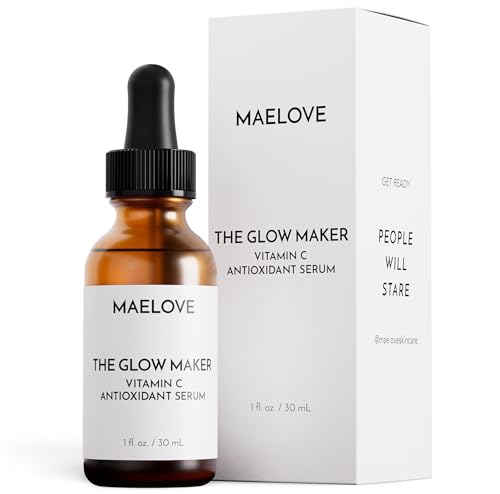
Best Value#2
Readers who want a well-formulated L-ascorbic acid serum without the prestige price tag
Glow Maker
Maelove
It leans on similar formulation logic to pricier serums: L-ascorbic acid plus vitamin E and ferulic acid. It costs a fraction of the price. That's why it's often called an affordable alternative to the prestige options.
Combines L-ascorbic acid with vitamin E and ferulic acid, echoing higher-end formulas
Opaque pump bottle helps limit light and air exposure
Noticeably cheaper per ounce than most L-ascorbic acid serums of similar formulation
The pump can dispense unevenly or feel like it needs priming, a minor but frequently mentioned annoyance
Normal to dry skin that wants a dermatologist-developed, fragrance-free daily moisturizer
CeraVe Moisturizing Cream
CeraVe
It pairs three essential ceramides with hyaluronic acid in a rich, fragrance-free base. Long-term users with dry, compromised skin consistently praise it. It's also inexpensive enough to use liberally.
Ceramide + hyaluronic acid formula supports the skin barrier
Fragrance-free and well-tolerated by sensitive skin
Large jar size makes it very cost-effective per ounce
The tub packaging means dipping fingers into the product, which isn't ideal for hygiene or portability
acne-prone, sensitive, or post-procedure skin that needs a dermatologist-trusted daily option
UV Clear Broad-Spectrum SPF 46
EltaMD
Dermatologists reach for EltaMD more than almost any other sunscreen. It pairs broad-spectrum zinc oxide protection with niacinamide and hyaluronic acid. The oil-free base is genuinely weightless and layers well under makeup.
Broad-spectrum SPF 46 with zinc oxide
Oil-free, non-comedogenic formula favored for acne-prone skin
Contains niacinamide and hyaluronic acid for added hydration
Pricier per ounce than most drugstore sunscreens, and the pump makes it easy to under-apply if you're not deliberate about the amount.
oily, pore-prone skin that wants a formula built specifically around pore congestion
Super Volcanic Pore Clay Mask 2X
innisfree
Two types of volcanic clay target sebum and blackheads. The texture isn't chalky or hard to remove like older clay formulas. It's also genuinely affordable for how often you'll reach for it.
Lightweight, non-cakey texture that spreads and rinses easily
Visibly reduces the look of congested pores after a single use
Priced low enough to use regularly without guilt
The mineral scent is noticeable and won't appeal to everyone
Anyone dealing with clogged pores, blackheads, or rough, bumpy texture who wants an evidence-backed exfoliating toner
2% BHA Liquid Exfoliant
Paula's Choice
It's built around a well-studied 2% salicylic acid concentration at an effective pH. The base is fragrance-free and alcohol-free. That combination is why it's stayed a favorite among ingredient-focused shoppers for years, rather than fading as a trend.
2% salicylic acid at a pH that actually works
Fragrance-free and alcohol-free formula
Noticeably improves texture and blackheads with consistent use
The active concentration can cause redness or flaking in the first couple of weeks, so it's not the easiest starting point for very reactive or rosacea-prone skin
people who want the most clinically studied LED mask on the market and don't mind the price
Contour Face
Omnilux
Omnilux's LED technology is the same platform used in dermatology clinics. The Contour Face is its rigid, dermatologist-favorite home version, and it has more research behind it than most at-home competitors.
Extensive clinical research behind Omnilux's LED platform, more than most home devices
FDA-cleared for temporary reduction in the appearance of fine lines and wrinkles
Even, consistent light distance thanks to the rigid, hinged design
Rigid shell doesn't flex to different face shapes, there's no blue-light setting for acne, and it's one of the most expensive masks on the market
Affiliate disclosure: We may earn a commission from qualifying purchases made through links on this page, at no extra cost to you. Some links on this page are affiliate links.