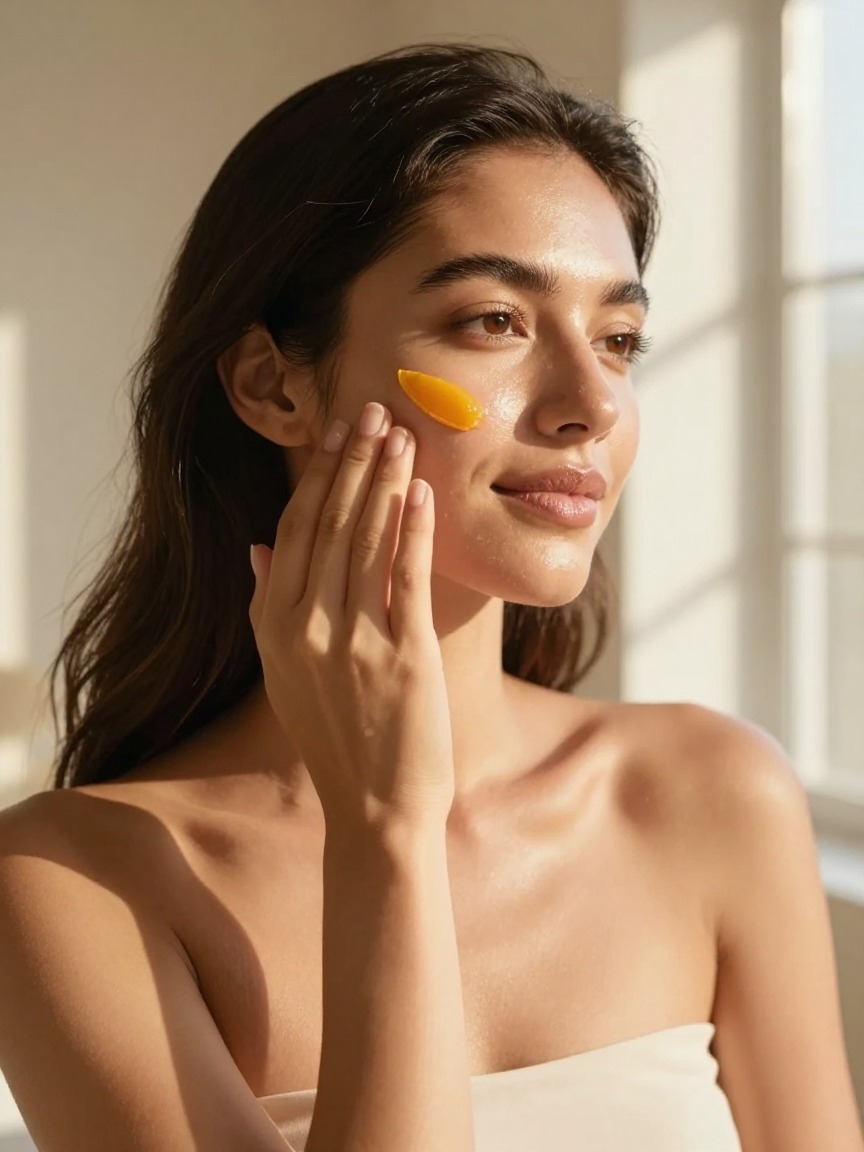
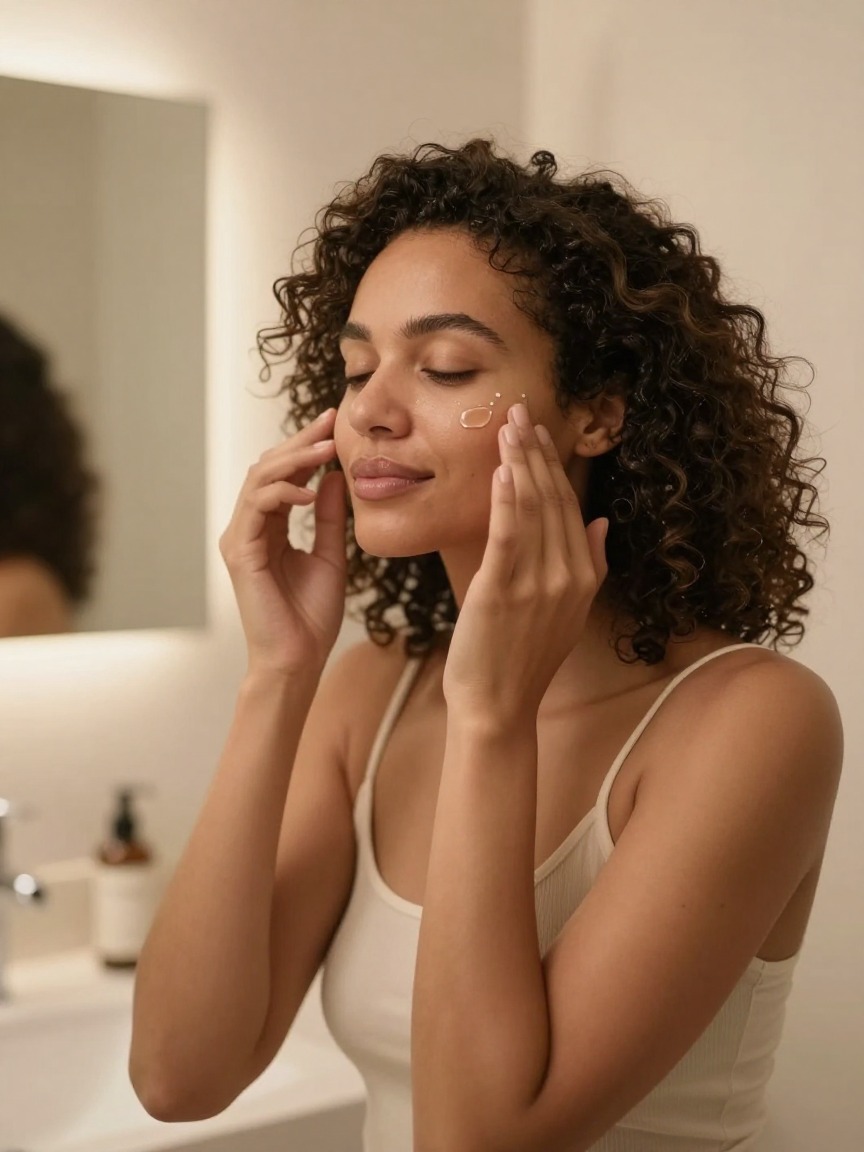
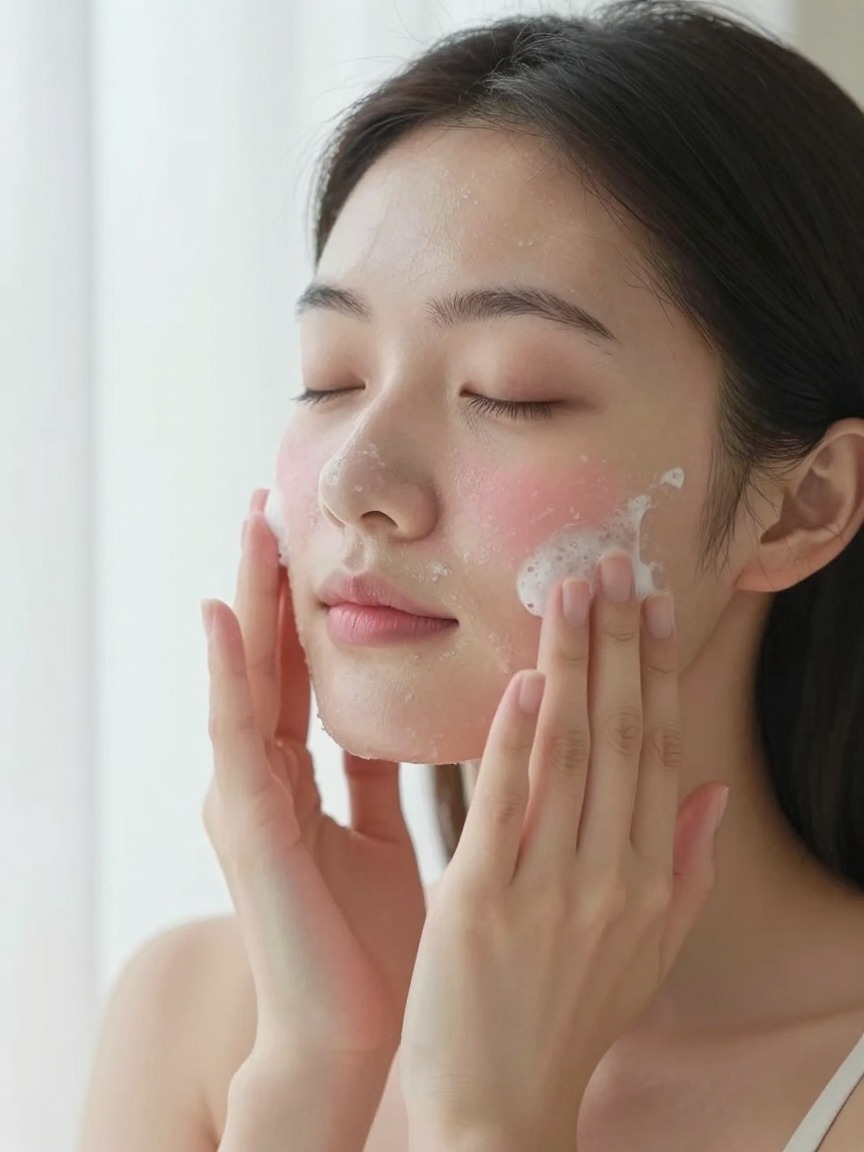
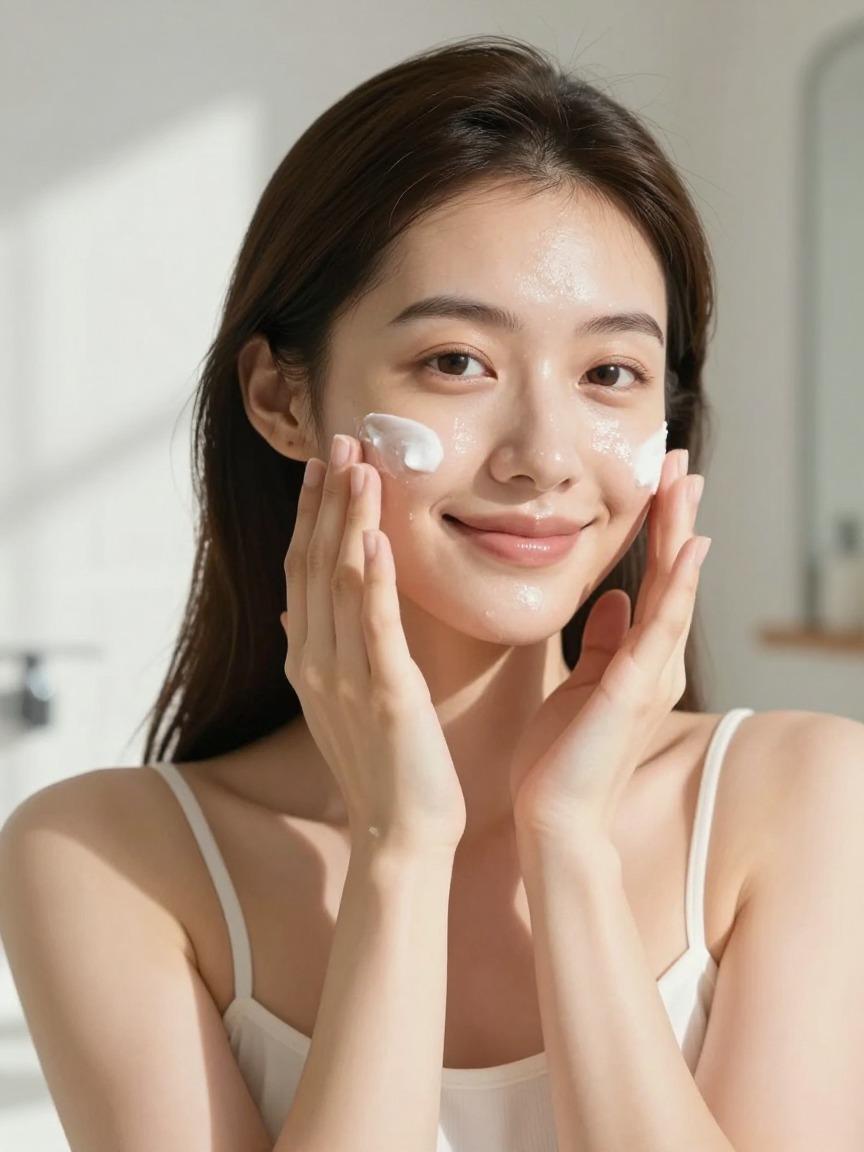
In short: Oil cleansers and cleansing balms use oil to dissolve oil-based makeup, sunscreen, and sebum. That makes them an effective first step in a double-cleanse routine. Balms feel richer and suit heavy makeup or dry skin. Oils rinse lighter and suit oily skin. Choose lower-comedogenic formulas if you're acne-prone, and always follow with a water-based cleanser.
Affiliate disclosure: We may earn a commission from qualifying purchases made through links on this page, at no extra cost to you. Some links on this page are affiliate links.
Facial Cleansers · Guide
Oil Cleansers & Cleansing Balms
Recommended oil cleansers & cleansing balms
Our current top picks in this category, judged on formulation, evidence, texture and value.
Editor's Pick#1
Most people wanting one reliable balm that removes makeup, SPF, and daily grime in a single step
Clean It Zero Cleansing Balm Original
Banila Co
A cult-favorite balm. It melts from solid to a silky oil on contact with skin, then emulsifies into a milky rinse. This is the pick that built the whole category's reputation.
Melts quickly and removes waterproof makeup and SPF with minimal rubbing
Emulsifies cleanly into a milky texture that rinses without a greasy residue
Large jar size means it lasts a long time even with daily use
Contains fragrance and mineral oil, which won't suit everyone with reactive or breakout-prone skin
Anyone who wants an effective, no-frills oil cleanser without paying a premium
Deep Cleansing Oil
DHC
An olive-oil-based formula that's been a category staple since long before oil cleansing was a trend. It's prized for how thoroughly it removes makeup, for the price.
Removes makeup and sunscreen efficiently, including a lot of waterproof formulas
Noticeably affordable compared to most other picks on this list
Emulsifies well with water, so it rinses clean rather than leaving a film
Has a noticeable scent from its blend of oils, which isn't ideal if you're avoiding fragrance
Sensitive, reactive, or ingredient-conscious skin that wants oil cleansing without fragrance or a long ingredient list
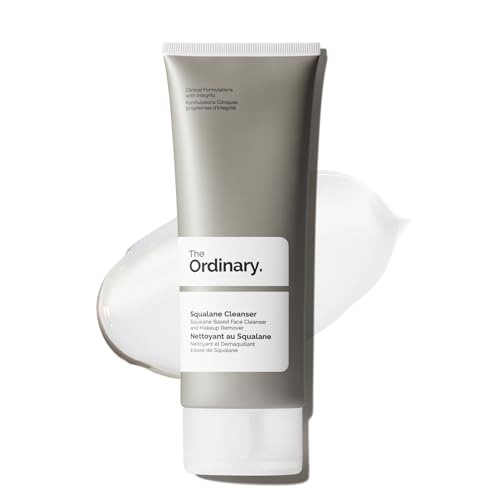
Squalane Cleanser
The Ordinary
A minimalist, fragrance-free oil-to-milk cleanser built around squalane. This oil closely mimics skin's own sebum and sits low on the comedogenic scale.
Short, fragrance-free ingredient list lowers the odds of irritation
Squalane is non-comedogenic for most skin types and rarely triggers breakouts
Budget-friendly relative to most fragrance-free or minimalist alternatives
Thinner and less luxurious-feeling than balm textures, and less effective on very heavy or waterproof makeup
Oil cleanser vs. cleansing balm: what the format actually is
An oil cleanser or cleansing balm is a facial cleanser built mainly from oils and oil-derived esters, not water and surfactants. The format ranges from a pourable liquid oil in a bottle, like Neutrogena's drugstore version, to a solid balm in a jar, like Banila Co's. Both are designed to be massaged onto dry skin. Then they're emulsified with a little water before rinsing. That step turns the oil milky and lets it wash away cleanly, instead of leaving a greasy film.
The science: why oil dissolves sebum and makeup
The working principle is like dissolves like. Sunscreen filters, long-wear foundation, waterproof mascara, and the sebum your skin produces are all largely oil-based. That's exactly why they resist a quick splash of water, or even a standard foaming cleanser. An oil-based cleanser binds to those oily substances on contact. It loosens their grip on the skin, so makeup lifts away with gentle massaging rather than scrubbing. This is also why oil cleansing needs less friction than a water-based cleanser to remove the same makeup. The chemistry does more of the work than the physical rubbing.
Emulsifier vs. straight oil: how each type rinses clean
Most cleansing oils marketed for facial use include an emulsifier. This is an ingredient that lets oil and water blend instead of separating. Add a small splash of water to an emulsifying oil cleanser mid-massage, and it turns milky white. That's the emulsifier doing its job. It's what lets the product rinse away completely, instead of sitting on skin as residue. A handful of pure, unemulsified facial oils exist too. But most products labeled cleansing oil or cleansing balm are built to emulsify.
Oil vs. balm: practical differences for dry skin and oily skin
Cleansing oils are liquid, typically dispensed from a bottle or pump, like DHC's olive-oil formula. They spread thin and rinse relatively quickly. Cleansing balms are solid or semi-solid at room temperature, scooped out with fingers or a spatula, the way a jar from Elemis is used. They melt into an oil texture as they warm on skin. Balms tend to feel richer and often do a slightly better job on heavy, long-wear, or waterproof makeup, since the thicker texture gives more cushion for massaging. Oils are usually faster to use and rinse a touch lighter, which some people prefer for a quick morning cleanse. Very dry skin often prefers the extra richness of a balm. Oily skin usually does fine with a lighter oil that rinses fast. Neither format is more effective in a clinical sense. The choice mostly comes down to texture preference, packaging hygiene, and how much makeup you're typically removing.
How to massage, emulsify & rinse correctly
Apply to a completely dry face. Water at this stage dilutes the oil and weakens its ability to bind to makeup and sunscreen. Massage for roughly 30 to 60 seconds, giving the oil time to break down what's on the skin. Pay extra attention to the eye area, jawline, and hairline, where makeup and sunscreen tend to collect — the area balms like Clinique's are specifically designed to handle gently. Add a small amount of water and continue massaging until the product turns milky. Then rinse thoroughly with lukewarm water. If you're double cleansing, follow immediately with a gentle water-based cleanser. It removes any remaining residue and addresses sweat or debris the oil step doesn't target as effectively.
A common concern is that putting oil on the face will worsen oily or acne-prone skin. This is more myth than rule. What matters more than oil as a category is which specific oils and esters a formula contains. Comedogenicity — how likely an ingredient is to clog pores — varies enormously between them. Squalane, jojoba oil, and sunflower seed oil are generally low on the comedogenic scale. They're common choices in formulas marketed for acne-prone or combination skin, like The Ordinary's minimalist squalane cleanser. Coconut oil and some heavier butters sit higher on comedogenic ratings. They're more likely to be an issue for breakout-prone skin. Reading the first several ingredients is a more reliable guide than assuming any oil cleanser is automatically safe or risky.
Double cleansing: where oil cleansing fits with a water-based cleanser
Oil cleansers and balms are almost always the first step of a two-step double cleanse. This matters most in the evening, when sunscreen and makeup need to come off. A second, water-based cleanser follows. It finishes the job, removing sweat, dirt, and any oil residue left behind. Morning double cleansing is rarely necessary for most people. There's usually no makeup or sunscreen to remove, so a single gentle cleanse is typically enough to start the day. After cleansing, the rest of the routine follows as usual: treatment serums, moisturizer, and sunscreen during the day.
Common mistakes: sunscreen residue, over-cleansing & sensitive skin
Applying to damp skin, which weakens the oil's ability to grab onto makeup and sunscreen before you've even started
Rinsing off before fully emulsifying with water — the most common reason people find oil cleansing leaves a greasy residue
Rubbing too hard or fast, when the oil is doing most of the dissolving work; heavy friction just risks irritation, especially around the eyes
Skipping the second, water-based cleanse and assuming the oil step alone is a complete cleanse
Ignoring comedogenic ratings on acne-prone skin, then blaming oil cleansing broadly for a formula-specific breakout
Choosing a heavily fragranced formula for sensitive or reactive skin, then blaming oil cleansing itself for the irritation
When to see a dermatologist
Oil cleansing is well-tolerated for most skin types, but it's not risk-free for everyone. If you notice new or worsening breakouts after switching to an oil cleanser or balm, stinging that doesn't settle, or an eye-area reaction, stop using the product. Consider whether a specific ingredient is the trigger. Persistent acne, ongoing irritation, or a suspected allergic reaction are all reasons to see a dermatologist, rather than cycling through different oil cleansers on your own. A professional can help identify what's actually happening, and whether it's related to the product at all.
Popular picks from related categories, chosen with the same rubric.
Best Value#2
Readers who want a well-formulated L-ascorbic acid serum without the prestige price tag
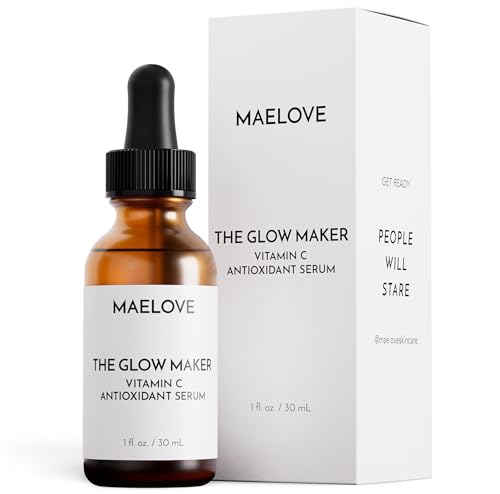
Glow Maker
Maelove
It leans on similar formulation logic to pricier serums: L-ascorbic acid plus vitamin E and ferulic acid. It costs a fraction of the price. That's why it's often called an affordable alternative to the prestige options.
Combines L-ascorbic acid with vitamin E and ferulic acid, echoing higher-end formulas
Opaque pump bottle helps limit light and air exposure
Noticeably cheaper per ounce than most L-ascorbic acid serums of similar formulation
The pump can dispense unevenly or feel like it needs priming, a minor but frequently mentioned annoyance
Normal to dry skin that wants a dermatologist-developed, fragrance-free daily moisturizer
CeraVe Moisturizing Cream
CeraVe
It pairs three essential ceramides with hyaluronic acid in a rich, fragrance-free base. Long-term users with dry, compromised skin consistently praise it. It's also inexpensive enough to use liberally.
Ceramide + hyaluronic acid formula supports the skin barrier
Fragrance-free and well-tolerated by sensitive skin
Large jar size makes it very cost-effective per ounce
The tub packaging means dipping fingers into the product, which isn't ideal for hygiene or portability
acne-prone, sensitive, or post-procedure skin that needs a dermatologist-trusted daily option
UV Clear Broad-Spectrum SPF 46
EltaMD
Dermatologists reach for EltaMD more than almost any other sunscreen. It pairs broad-spectrum zinc oxide protection with niacinamide and hyaluronic acid. The oil-free base is genuinely weightless and layers well under makeup.
Broad-spectrum SPF 46 with zinc oxide
Oil-free, non-comedogenic formula favored for acne-prone skin
Contains niacinamide and hyaluronic acid for added hydration
Pricier per ounce than most drugstore sunscreens, and the pump makes it easy to under-apply if you're not deliberate about the amount.
oily, pore-prone skin that wants a formula built specifically around pore congestion
Super Volcanic Pore Clay Mask 2X
innisfree
Two types of volcanic clay target sebum and blackheads. The texture isn't chalky or hard to remove like older clay formulas. It's also genuinely affordable for how often you'll reach for it.
Lightweight, non-cakey texture that spreads and rinses easily
Visibly reduces the look of congested pores after a single use
Priced low enough to use regularly without guilt
The mineral scent is noticeable and won't appeal to everyone
Anyone dealing with clogged pores, blackheads, or rough, bumpy texture who wants an evidence-backed exfoliating toner
2% BHA Liquid Exfoliant
Paula's Choice
It's built around a well-studied 2% salicylic acid concentration at an effective pH. The base is fragrance-free and alcohol-free. That combination is why it's stayed a favorite among ingredient-focused shoppers for years, rather than fading as a trend.
2% salicylic acid at a pH that actually works
Fragrance-free and alcohol-free formula
Noticeably improves texture and blackheads with consistent use
The active concentration can cause redness or flaking in the first couple of weeks, so it's not the easiest starting point for very reactive or rosacea-prone skin
people who want the most clinically studied LED mask on the market and don't mind the price
Contour Face
Omnilux
Omnilux's LED technology is the same platform used in dermatology clinics. The Contour Face is its rigid, dermatologist-favorite home version, and it has more research behind it than most at-home competitors.
Extensive clinical research behind Omnilux's LED platform, more than most home devices
FDA-cleared for temporary reduction in the appearance of fine lines and wrinkles
Even, consistent light distance thanks to the rigid, hinged design
Rigid shell doesn't flex to different face shapes, there's no blue-light setting for acne, and it's one of the most expensive masks on the market
Affiliate disclosure: We may earn a commission from qualifying purchases made through links on this page, at no extra cost to you. Some links on this page are affiliate links.