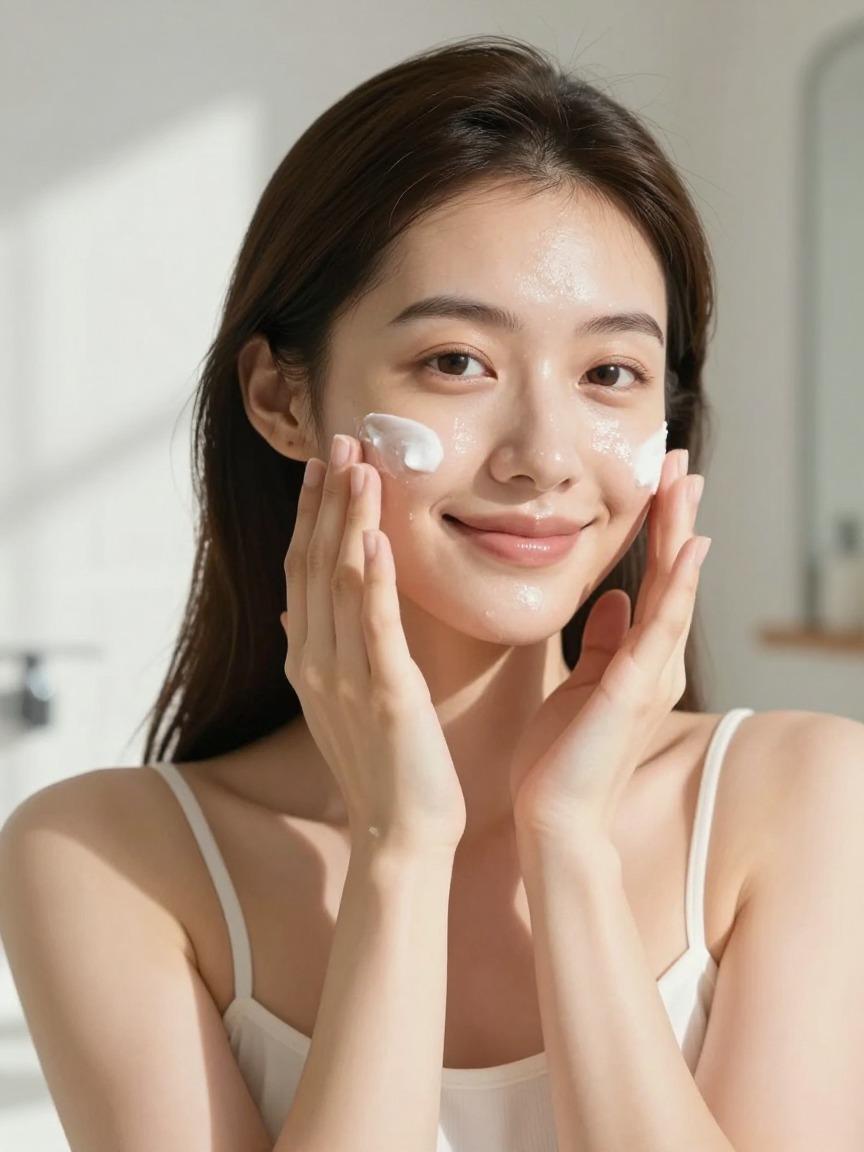
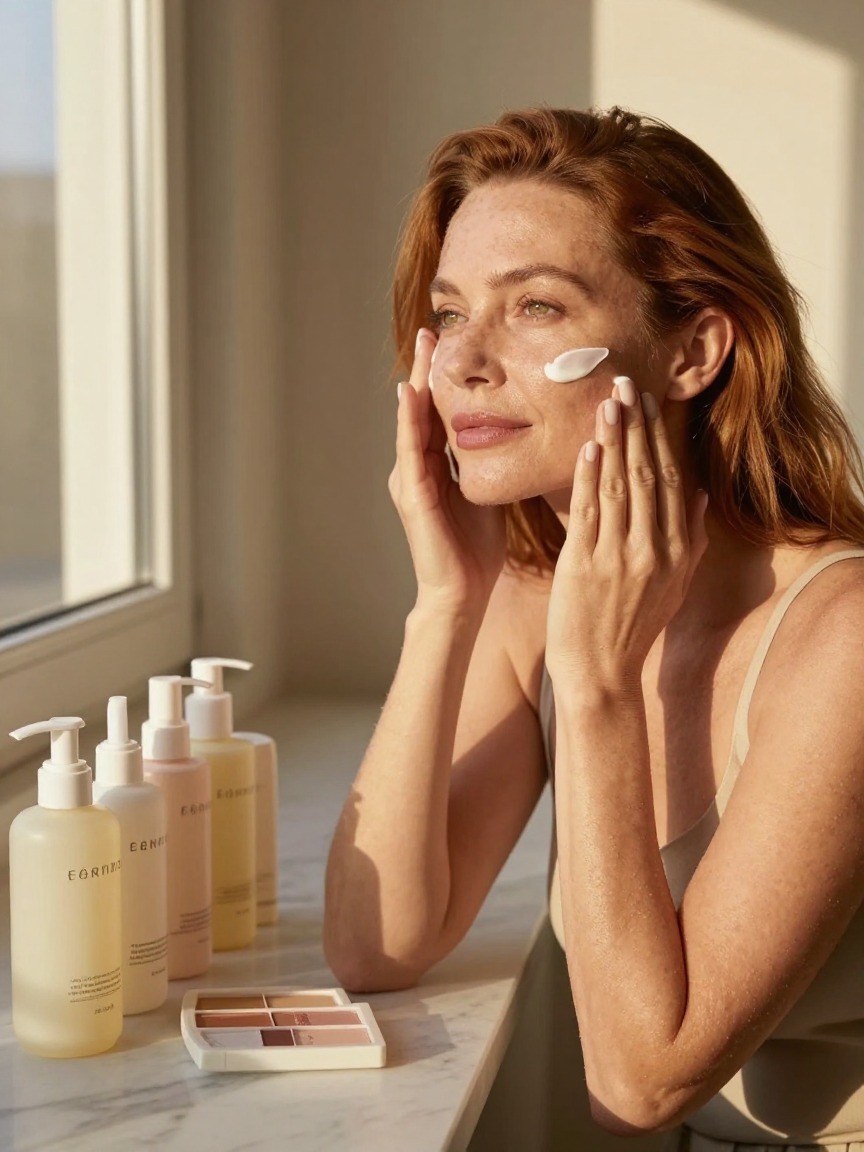
In short: Mineral sunscreens use zinc oxide and titanium dioxide to physically block UV rays instead of absorbing them. That makes them the preferred option for sensitive, reactive, or acne-prone skin. They're broad-spectrum and generally well tolerated, but prone to white cast and a thicker feel than chemical formulas. Tinted, well-formulated options solve most of that.
Affiliate disclosure: We may earn a commission from qualifying purchases made through links on this page, at no extra cost to you. Some links on this page are affiliate links.
Sun Protection · Guide
Mineral (Physical) Sunscreens
Recommended mineral (physical) sunscreens
Our current top picks in this category, judged on formulation, evidence, texture and value.
Editor's Pick#1
Most people wanting one reliable daily mineral sunscreen, including sensitive and post-procedure skin
UV Physical Broad-Spectrum SPF 41 Tinted
EltaMD
Combines zinc oxide and titanium dioxide with a sheer iron-oxide tint. It blends into more skin tones than most mineral formulas. It skips the heavy feel older physical sunscreens are known for.
Zinc oxide + titanium dioxide broad-spectrum formula
Iron-oxide tint noticeably reduces white cast
Lightweight finish that layers well under makeup
Higher price per ounce than most drugstore mineral options
A straightforward zinc oxide and titanium dioxide formula with a strong tolerability track record. It costs less per ounce than most premium mineral sunscreens.
High SPF 50+ broad-spectrum rating
Fragrance-free, minimal ingredient list
Lower cost per ounce than most mineral competitors
Thicker, harder-to-blend texture than newer sheer formulas, with a noticeable white cast on deeper skin tones
What Mineral Sunscreen (Physical Sunscreen) Is and How It Works
Every sunscreen falls into one of two categories. Chemical (organic) filters absorb UV radiation and convert it to heat. Mineral (physical) filters sit on top of the skin and reflect or scatter UV rays before they penetrate. Zinc oxide and titanium dioxide are the only two mineral filters approved for this use. They're often used together because they cover slightly different, overlapping parts of the UV spectrum.
Mineral filters work on the surface rather than being absorbed, so they tend to start working the moment they're applied. Some chemical filters need roughly 15–20 minutes to become effective. That's a minor practical advantage, but it's not the main reason people choose mineral formulas — tolerability is.
Zinc Oxide and Titanium Dioxide: Broad-Spectrum UVA and UVB Coverage
Zinc oxide covers UVA and UVB wavelengths well on its own, which makes it a strong single-active choice. Titanium dioxide blocks UVB strongly but is weaker across the longer UVA range. Many broad-spectrum formulas combine both minerals so each covers the other's weaker range. That pairing is a big part of why mineral sunscreen has a reputation for dependable, well-rounded protection.
Why People Choose Mineral Over Chemical Sunscreen for Sensitive Skin
Chemical filters like avobenzone, octinoxate, and oxybenzone are effective and cosmetically elegant. But a meaningful number of people find they sting the eyes, trigger breakouts, or aggravate rosacea and eczema. Zinc oxide has a long track record as a skin-soothing, low-irritation ingredient — it's the same active used in diaper rash creams. That's why mineral sunscreen is the common recommendation for sensitive skin and active rosacea. It's also common for post-procedure skin (after peels, microneedling, or laser treatments) and use around the eyes.
There's also an environmental angle. Non-nano zinc oxide and titanium dioxide are the filters permitted under Hawaii's and Key West's bans on oxybenzone and octinoxate. Mineral formulas are the practical choice for anyone swimming in protected waters.
Ingredients That Matter: Tinted, Iron Oxide Formulas, Ceramides & Niacinamide
The mineral actives do the UV-blocking work. The rest of the formula determines how the product performs day to day. Brands like EltaMD, La Roche-Posay, Blue Lizard, CeraVe, Neutrogena, and Australian Gold each balance these ingredients a little differently:
Iron oxides — added for tint, they also help block visible light, which matters for melasma and post-inflammatory hyperpigmentation since UV filters alone don't cover that range.
Niacinamide — supports the skin barrier, a common pairing in mineral formulas aimed at sensitive or acne-prone users.
Ceramides and hyaluronic acid — added moisture that helps offset the drying, chalky feel some mineral bases have.
Silicones (dimethicone) — used in 'dry-touch' formulas to smooth application and reduce white cast, though they can feel occlusive on very oily skin.
Choosing by Skin Type: Acne-Prone, Rosacea-Prone & Skin Barrier Support
Oily and acne-prone skin generally does best with fluid, gel, or dry-touch mineral formulas. Thick, cream-based ones can sit heavily and contribute to congestion over a full day. Dry skin benefits from the opposite — a creamier mineral sunscreen with ceramides or glycerin can replace a separate moisturizer step entirely.
Sensitive and rosacea-prone skin should prioritize short ingredient lists and fragrance-free formulas. Zinc oxide as the primary or sole active tends to be gentler on a compromised skin barrier than most chemical alternatives. Deeper skin tones usually get better results from tinted mineral sunscreens or sheer, micronized zinc formulas. Untinted versions are the most likely to leave a visible cast.
How Mineral Sunscreen Fits Into a Routine
Sunscreen is the last step of a morning skincare routine, applied after moisturizer and before makeup. Give it a minute or two to set before applying anything on top — rubbing foundation into wet sunscreen can drag it around and thin the layer unevenly. For reapplication over makeup, genuinely necessary if you're outdoors for more than two hours, a pressed mineral powder sunscreen or a setting spray with SPF is far more realistic than trying to reapply a fluid or cream over makeup without disturbing it.
Reapplication and Non-Nano Formulas: How Often to Reapply
Mineral sunscreen doesn't break down in sunlight the way some chemical filters historically did. It still needs reapplying — mainly because it physically wears off through touching your face, sweating, and transferring onto masks, phones, and pillows, not because the zinc oxide or titanium dioxide stops working. The standard guidance is every two hours outdoors. Reapply immediately after swimming or heavy sweating, even with a 'water-resistant' label — water resistance is only tested up to 40 or 80 minutes, not indefinitely. For an indoor office day with limited window exposure, one solid morning application is usually enough.
Reapplying over a full face of makeup is the part most people skip entirely, mainly because it feels impractical. A pressed mineral powder sunscreen brushed on over makeup, or a fine-mist SPF setting spray, is the realistic way to do this without redoing your whole look. Both apply a real layer of zinc oxide or titanium dioxide without disturbing foundation underneath. Non-nano formulas can feel slightly heavier in these formats, but they reapply just as effectively.
Common Mistakes: White Cast and Post-Procedure Skin Care
The single biggest issue is under-application. The standard reference amount for the face and neck is about a quarter teaspoon, and most people apply a fraction of that. Blending too aggressively 'until it disappears' also thins the layer below the level the SPF number was tested at. That can make white cast look patchier instead of solving it. Skipping the ears, hairline, and neck is common too, and it leaves visible strips of sun damage over years.
Treating a tinted moisturizer or BB cream with SPF as full protection is a frequent gap. Those products are rarely applied thickly enough to deliver their labeled SPF. Post-procedure skin needs extra care. After peels, microneedling, or laser treatments, stick to a fragrance-free mineral formula and avoid new actives until your provider clears you.
A Note on Medical Concerns
Sunscreen is a well-established part of a basic skincare routine. Consistent daily use is one of the habits dermatologists most consistently recommend for long-term skin health. That said, we're reviewers, not dermatologists — we don't diagnose skin conditions or make treatment claims. If you're dealing with persistent irritation, a suspicious mole or lesion, or active rosacea flares, see a board-certified dermatologist. The same goes for melasma that isn't responding to sun protection alone — don't try to solve it through product choice alone.
Popular picks from related categories, chosen with the same rubric.
Editor's Pick#1
Dry-to-normal sensitive skin, especially anyone also using retinoids or other actives
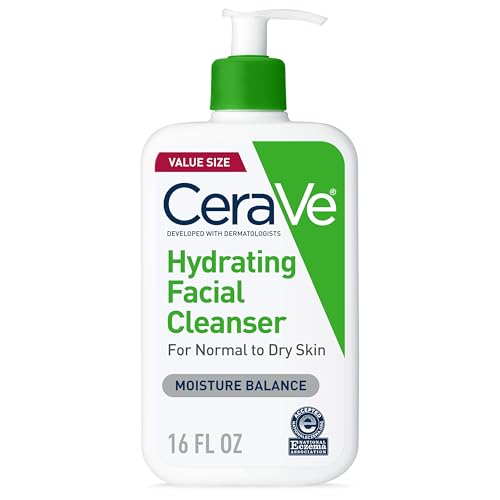
Hydrating Facial Cleanser
CeraVe
It's formulated with three ceramides, hyaluronic acid, and a National Eczema Association seal. Dermatologists mention it most often for reactive skin. It's a genuinely non-foaming, low-irritation formula that doesn't strip the barrier.
Ceramide and hyaluronic acid formula supports the skin barrier while cleansing
Fragrance-free, non-foaming, and won't disrupt a compromised moisture barrier
Budget-friendly per ounce and widely available at drugstores
Doesn't fully dissolve heavy sunscreen or long-wear makeup on its own, so double-cleansing days may need a micellar water or oil-based first step
Readers who want a well-formulated L-ascorbic acid serum without the prestige price tag
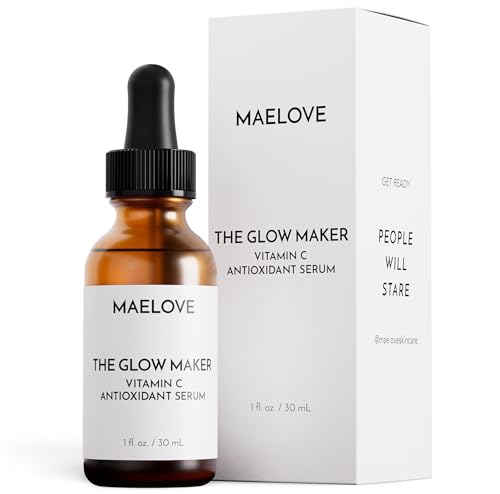
Glow Maker
Maelove
It leans on similar formulation logic to pricier serums: L-ascorbic acid plus vitamin E and ferulic acid. It costs a fraction of the price. That's why it's often called an affordable alternative to the prestige options.
Combines L-ascorbic acid with vitamin E and ferulic acid, echoing higher-end formulas
Opaque pump bottle helps limit light and air exposure
Noticeably cheaper per ounce than most L-ascorbic acid serums of similar formulation
The pump can dispense unevenly or feel like it needs priming, a minor but frequently mentioned annoyance
Normal to dry skin that wants a dermatologist-developed, fragrance-free daily moisturizer
CeraVe Moisturizing Cream
CeraVe
It pairs three essential ceramides with hyaluronic acid in a rich, fragrance-free base. Long-term users with dry, compromised skin consistently praise it. It's also inexpensive enough to use liberally.
Ceramide + hyaluronic acid formula supports the skin barrier
Fragrance-free and well-tolerated by sensitive skin
Large jar size makes it very cost-effective per ounce
The tub packaging means dipping fingers into the product, which isn't ideal for hygiene or portability
oily, pore-prone skin that wants a formula built specifically around pore congestion
Super Volcanic Pore Clay Mask 2X
innisfree
Two types of volcanic clay target sebum and blackheads. The texture isn't chalky or hard to remove like older clay formulas. It's also genuinely affordable for how often you'll reach for it.
Lightweight, non-cakey texture that spreads and rinses easily
Visibly reduces the look of congested pores after a single use
Priced low enough to use regularly without guilt
The mineral scent is noticeable and won't appeal to everyone
Anyone dealing with clogged pores, blackheads, or rough, bumpy texture who wants an evidence-backed exfoliating toner
2% BHA Liquid Exfoliant
Paula's Choice
It's built around a well-studied 2% salicylic acid concentration at an effective pH. The base is fragrance-free and alcohol-free. That combination is why it's stayed a favorite among ingredient-focused shoppers for years, rather than fading as a trend.
2% salicylic acid at a pH that actually works
Fragrance-free and alcohol-free formula
Noticeably improves texture and blackheads with consistent use
The active concentration can cause redness or flaking in the first couple of weeks, so it's not the easiest starting point for very reactive or rosacea-prone skin
people who want the most clinically studied LED mask on the market and don't mind the price
Contour Face
Omnilux
Omnilux's LED technology is the same platform used in dermatology clinics. The Contour Face is its rigid, dermatologist-favorite home version, and it has more research behind it than most at-home competitors.
Extensive clinical research behind Omnilux's LED platform, more than most home devices
FDA-cleared for temporary reduction in the appearance of fine lines and wrinkles
Even, consistent light distance thanks to the rigid, hinged design
Rigid shell doesn't flex to different face shapes, there's no blue-light setting for acne, and it's one of the most expensive masks on the market
Affiliate disclosure: We may earn a commission from qualifying purchases made through links on this page, at no extra cost to you. Some links on this page are affiliate links.