Sun Protection: what to know
If you only add one thing to a routine, make it daily sunscreen. It is the most effective step for preventing visible ageing, uneven tone and sun damage, and dermatologists are near-unanimous about it. The best sunscreen is simply the broad-spectrum SPF 30-or-higher formula you will actually wear every day and reapply, so comfort and finish matter as much as the number printed on the bottle.
Mineral versus chemical
Mineral sunscreens use zinc oxide and titanium dioxide to sit on the surface and physically deflect UV; they are gentle and a strong choice for sensitive, reactive or post-procedure skin, though they can leave a whitish cast. Chemical, or organic, filters absorb UV and tend to feel lighter and blend invisibly, which many people prefer under makeup. Neither is universally better, and the right one is the one that suits your skin and that you enjoy wearing enough to use every single day. Modern formulas increasingly blur the line, so judge by feel and finish rather than the category name on the label.
Tinted, oil-free and other options
Beyond the mineral-versus-chemical split, formulas are tailored to different needs. Tinted sunscreens add iron oxides that blend with skin, help disguise a mineral cast, and add some protection against visible light. Oil-free and gel sunscreens suit oily and acne-prone skin that reacts badly to heavy textures. Sunscreens formulated for deeper skin tones prioritise a sheer or tinted finish that avoids the grey cast mineral filters can leave. And a moisturiser with built-in SPF is a convenient hybrid, though it works best on low-exposure days rather than a beach afternoon. Choose the one you will reach for without thinking, because the invisible ideal you never wear protects nothing.
What the label needs to say
Look for two things above all: broad-spectrum, meaning protection against both UVA and UVB, and SPF 30 or higher. Beyond that, most people apply far too little, because a genuinely protective layer is more than most expect, and skip reapplication entirely. Reapply roughly every two hours of sun exposure, and sooner after swimming or heavy sweating, regardless of a water-resistant claim, which only buys limited time in water. Check the expiry date too, since filters degrade over time and an old bottle protects less than the label suggests. Higher SPF numbers beyond 30 add only marginal extra protection, so applying enough and reapplying matters far more than chasing an SPF 100.
Making it a daily habit
Sun protection only works if it happens, so texture matters more than marketing. If a formula feels greasy, stings the eyes or leaves a cast, you will quietly stop using it within a week. Lightweight fluids, gels and primer-like finishes make daily wear painless, and for busy mornings a moisturiser with built-in SPF is far better than nothing at all. Keeping a bottle where you will see it, by the toothbrush or next to your keys, turns application into a reflex. Consistency beats a technically superior bottle left unused in a drawer every time.
The mistakes that quietly undo SPF
Even people who wear sunscreen daily often get less protection than they think, usually for the same handful of reasons. The biggest is under-application, since most of us use a fraction of the amount sunscreens are tested at, which sharply lowers the real-world SPF. Missed zones are next, as the ears, hairline, sides of the neck and the backs of the hands rarely get covered. Relying on the SPF in makeup or moisturiser alone almost never delivers enough. And protection fades through sweat, touching and time, so a single morning application is not enough for a day spent outdoors.
Sunscreen is not the whole story
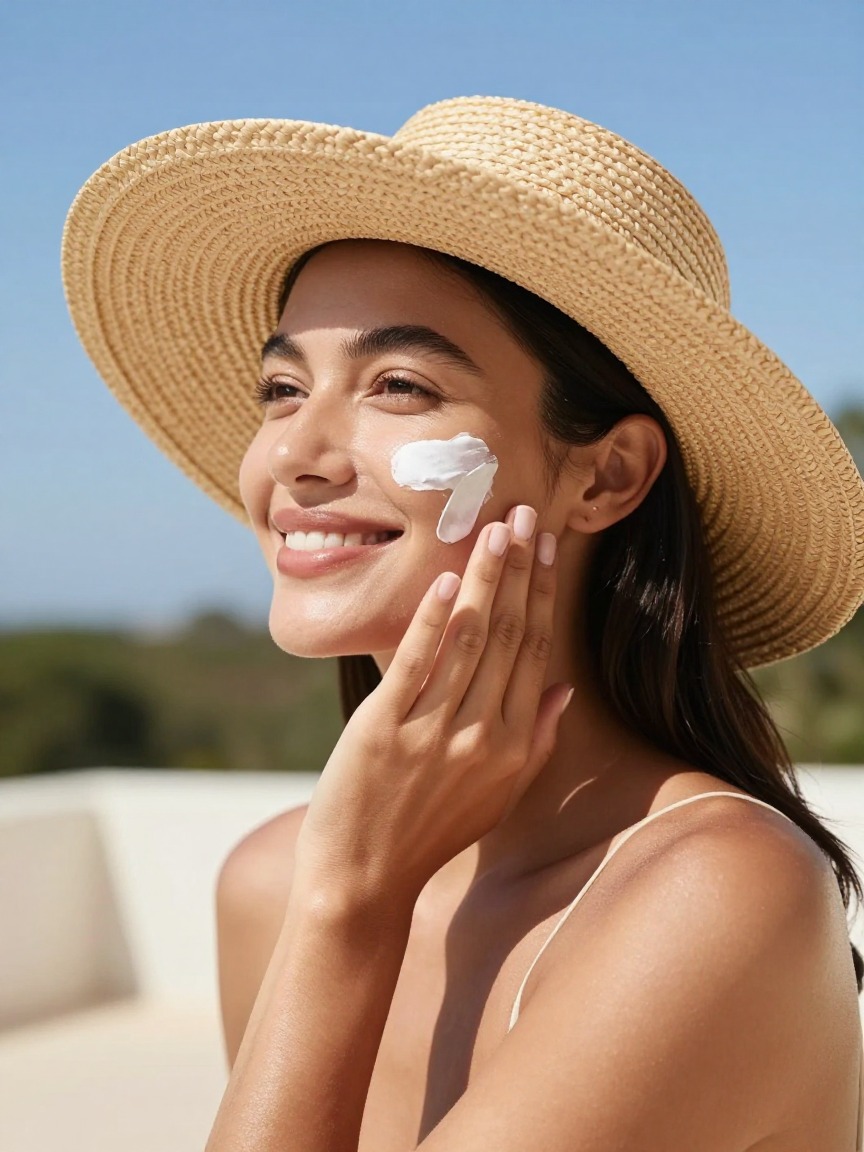
Even a well-applied sunscreen is one layer of defence, not a force field. On high-exposure days, pair it with shade, a wide-brimmed hat and sunglasses, and avoid the strongest midday sun where you can. Reapplication is where most routines fall down, so keep a stick, powder or compact for topping up over makeup during the day without disturbing it. Think of sunscreen as the daily baseline that the rest of your routine is built to protect, and these simple habits turn a good product into genuinely reliable protection.
Choosing the right formula for your skin
The best sunscreen for you depends on skin type as much as SPF. Oily and acne-prone skin usually prefers matte, oil-free or gel textures that will not clog pores, while dry skin does better with a hydrating or cream formula that doubles as comfort. Sensitive and reactive skin often tolerates mineral filters more easily and should look for fragrance-free options. Deeper skin tones are well served by tinted or well-blended formulas that skip the ashy cast. If your current sunscreen pills under makeup or feels unpleasant, that is reason enough to try another, because the one you will happily reapply is the one that actually works.