In short: An at-home chemical peel uses acids like glycolic, lactic, or salicylic acid to speed up skin cell turnover. That smooths texture and dullness without a dermatologist visit. Strength and format vary hugely. Matching the right acid and percentage to your skin — and respecting frequency limits and sunscreen — matters more than picking the "strongest" one.
Affiliate disclosure: We may earn a commission from qualifying purchases made through links on this page, at no extra cost to you. Some links on this page are affiliate links.
Masks & Exfoliation · Guide
At-Home Chemical Peels
Recommended at-home chemical peels
Our current top picks in this category, judged on formulation, evidence, texture and value.
Best for Building Tolerance#2
Combination or oily skin that wants a stronger weekly reset
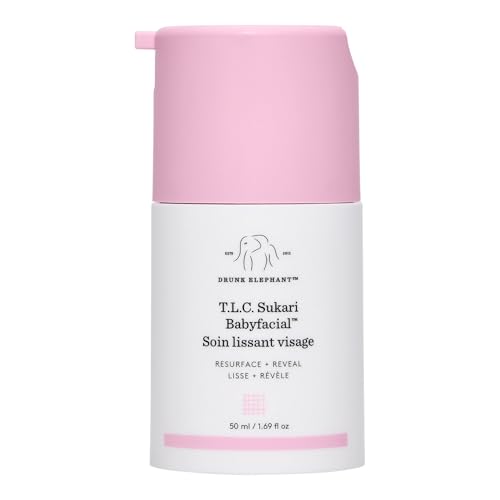
T.L.C. Sukari Babyfacial
Drunk Elephant
It layers a 25% AHA blend with 2% BHA in a 20-minute leave-on mask format. That gives you a more intensive weekly treatment than a daily pad, without needing a full professional peel.
Higher acid concentration delivers noticeably smoother skin after one use
BHA content helps clear congestion, not just surface dullness
Fragrance-free formula removes one common irritant
Strong enough that first-time users often feel real tingling or mild stinging, so it's not a good first peel
People who already tolerate acids well and want maximum strength for occasional use
AHA 30% + BHA 2% Peeling Solution
The Ordinary
At 30% glycolic-acid-led AHA plus 2% BHA, this is one of the strongest peel solutions sold without a prescription. It's built for a once-weekly, strictly-timed application.
Very high acid concentration for visible texture and tone improvement
Inexpensive relative to the strength delivered
Clear timing instructions make dosing more predictable than a vague leave-on serum
High enough strength that overuse or skipping the patch test risks real irritation or burning — not a product for peel beginners
First-time peel users or anyone with reactive, easily-irritated skin
Facial Radiance Pads
First Aid Beauty
A modest 5% glycolic acid dose in a pre-soaked pad makes this the gentlest true peel format here. It gives new users a way to introduce acids without much risk of stinging or flaking.
Low, beginner-friendly acid concentration
Pre-soaked pad format keeps dosing consistent and mess-free
Gentle enough for several uses a week for most skin types
Too mild to make a visible dent in deeper texture or pigmentation concerns
How a Chemical Peel Removes Dead Skin Cells to Improve Texture and Dullness
Skin naturally sheds dead skin cells from its outermost layer. That process slows down with age, sun damage, and dehydration. That's part of why skin can start looking dull, rough, or unevenly toned. A chemical peel uses an acid to loosen the bonds between those dead cells. They lift away faster than they would on their own. That reveals smoother, more evenly pigmented skin underneath. At-home peels are diluted and buffered to be safer for unsupervised use than professional peels. That means the effect on texture and dullness is real but incremental. Think steady improvement over weeks, not an overnight transformation.
Glycolic Acid, Lactic Acid, Salicylic Acid & PHA: The Acid Families on Labels
You'll see these acids listed individually or blended together. Pad-based options, like Dr. Dennis Gross Skincare's Alpha Beta pads or L'Oréal Paris's drugstore-priced pads, use them gently. Stronger leave-on formulas, like The Ordinary's AHA 30% + BHA 2% Peeling Solution or Drunk Elephant's T.L.C. Sukari Babyfacial, use them more intensively.
AHAs: Glycolic Acid and Lactic Acid Explained
Alpha-hydroxy acids (AHAs) are water-soluble and work mainly on the skin's surface. Glycolic acid has the smallest molecular size of the common AHAs, so it penetrates quickly. It's generally considered the most effective at improving rough texture and dullness. It also helps the look of fine lines and mild sun damage. It's also the acid most likely to cause tingling or redness, especially at higher percentages. Lactic acid is a slightly larger molecule, which makes it gentler and slower to penetrate. It also draws in moisture. That tends to suit dry or sensitive skin better than glycolic acid does.
BHA: Salicylic Acid for Pores and Congestion
Salicylic acid is oil-soluble. That lets it get inside a pore instead of just working on the surface. That makes it the better pick for blackheads, enlarged pores, or oily, congestion-prone skin. Many peel formulas combine a BHA with one or two AHAs. That way, a single product addresses both surface texture and clogged pores.
PHAs and Sensitive Skin: Gentler Exfoliation Options
Polyhydroxy acids (PHAs), like gluconolactone, work similarly to AHAs. But they have larger molecules that penetrate more slowly. That makes them a reasonable option for sensitive skin. It suits skin that reacts badly to glycolic acid but still wants some exfoliation benefit.
Peel Strength, pH, Percentage & Sun Damage: Why the Label Isn't the Whole Story
A 30% AHA peel isn't automatically three times stronger than a 10% one. The acid's pH, the specific acid used, and how long it's left on skin all change how it feels. So does whether it's buffered with soothing ingredients. A well-formulated 10% peel at a low pH can be more intense. A poorly buffered 20% peel can feel weaker by comparison. Formulation and wear matter as much as the ingredient list. "Highest percentage" isn't the same thing as "best." High-strength options, like Peter Thomas Roth's Peeling Solution 40% Triple Acid Peel, sit at the top edge of what's sold for home use. Gentler pad formats, like First Aid Beauty's Facial Radiance Pads, suit sensitive skin and beginners better.
Matching a Peel to Sensitive Skin, Oily Skin & Dark Spots
Sensitive skin: start with a low-percentage lactic acid or PHA pad, used once or twice a week at most.
Dry skin: lactic acid formulas tend to feel less stripping than glycolic-heavy ones.
Oily or acne-prone skin: look for a formula that includes salicylic acid alongside an AHA.
Normal or resilient skin with dullness, texture, or dark spots: a glycolic-led peel at a moderate-to-higher percentage works well. It's usually the most visible change you'll see.
Skin with active breakouts, rosacea, or a compromised barrier: hold off on peels of any kind until it's calmer. Check with a dermatologist first.
Retinoid, Vitamin C & Sunscreen: How to Fit a Peel into Your Routine
Peels work best on clean, dry skin, applied before moisturizer. Never use one on the same night as a retinoid, vitamin C serum, or another exfoliant. Stacking actives is the fastest route to irritation. Follow the product's stated contact time exactly. Leaving a leave-on peel solution on longer than instructed doesn't boost results. It just increases the risk of irritation. The morning after any peel, sunscreen isn't optional. Freshly exfoliated skin is more vulnerable to UV damage for several days afterward. Skipping SPF can undo any brightening benefit and increase the risk of dark spots.
Patch Test, Chemical Burn & Sunburn: Mistakes That Turn a Peel into a Problem
Using a peel more often than the label recommends, assuming "more often" means faster results.
Layering a peel with retinoids, vitamin C, or physical scrubs on the same day.
Skipping the patch test on a brand-new formula, even if you've used other peels before.
Going straight for the highest-percentage product as a first peel instead of building tolerance gradually.
Applying a peel to skin that's sunburned, freshly waxed, or already irritated.
The riskiest combination is a strong peel left on too long on skin that already has sunburn or irritation. That's when a mild reaction turns into a genuine chemical burn.
Realistic Expectations, and When to See a Dermatologist
At-home peels are a maintenance and mild-improvement tool, not a treatment for diagnosed skin conditions. They can genuinely improve dullness, rough texture, and mild unevenness over consistent use. But they won't resolve deep acne scarring, active cystic acne, or significant pigmentation on their own. We're reviewers evaluating formulation and user experience, not clinicians. If you're dealing with persistent acne, a skin reaction that isn't settling, or rosacea, talk to a board-certified dermatologist before adding a peel. The same goes if you're using prescription retinoids. They can recommend a strength, frequency, or an in-office treatment suited to your actual skin. That's better than just copying what worked for someone else.
Popular picks from related categories, chosen with the same rubric.
Editor's Pick#1
Dry-to-normal sensitive skin, especially anyone also using retinoids or other actives
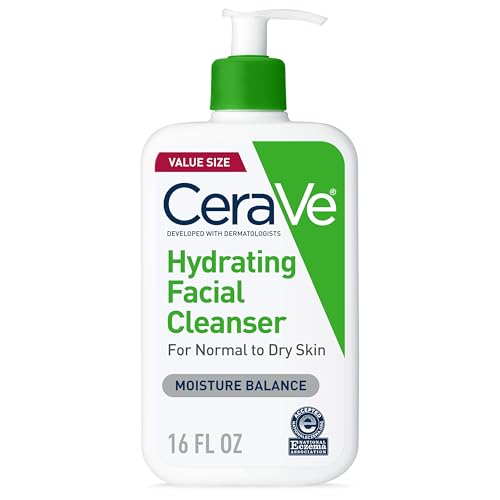
Hydrating Facial Cleanser
CeraVe
It's formulated with three ceramides, hyaluronic acid, and a National Eczema Association seal. Dermatologists mention it most often for reactive skin. It's a genuinely non-foaming, low-irritation formula that doesn't strip the barrier.
Ceramide and hyaluronic acid formula supports the skin barrier while cleansing
Fragrance-free, non-foaming, and won't disrupt a compromised moisture barrier
Budget-friendly per ounce and widely available at drugstores
Doesn't fully dissolve heavy sunscreen or long-wear makeup on its own, so double-cleansing days may need a micellar water or oil-based first step
Readers who want a well-formulated L-ascorbic acid serum without the prestige price tag
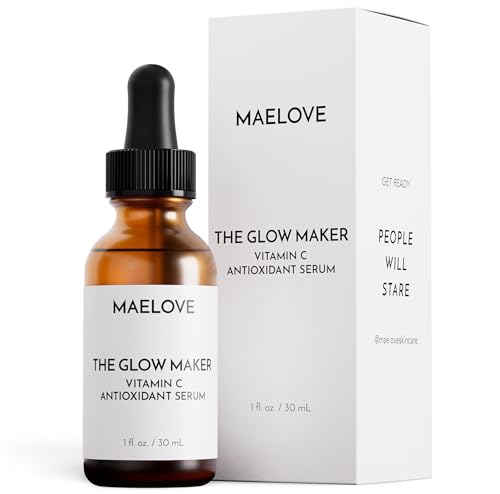
Glow Maker
Maelove
It leans on similar formulation logic to pricier serums: L-ascorbic acid plus vitamin E and ferulic acid. It costs a fraction of the price. That's why it's often called an affordable alternative to the prestige options.
Combines L-ascorbic acid with vitamin E and ferulic acid, echoing higher-end formulas
Opaque pump bottle helps limit light and air exposure
Noticeably cheaper per ounce than most L-ascorbic acid serums of similar formulation
The pump can dispense unevenly or feel like it needs priming, a minor but frequently mentioned annoyance
Normal to dry skin that wants a dermatologist-developed, fragrance-free daily moisturizer
CeraVe Moisturizing Cream
CeraVe
It pairs three essential ceramides with hyaluronic acid in a rich, fragrance-free base. Long-term users with dry, compromised skin consistently praise it. It's also inexpensive enough to use liberally.
Ceramide + hyaluronic acid formula supports the skin barrier
Fragrance-free and well-tolerated by sensitive skin
Large jar size makes it very cost-effective per ounce
The tub packaging means dipping fingers into the product, which isn't ideal for hygiene or portability
acne-prone, sensitive, or post-procedure skin that needs a dermatologist-trusted daily option
UV Clear Broad-Spectrum SPF 46
EltaMD
Dermatologists reach for EltaMD more than almost any other sunscreen. It pairs broad-spectrum zinc oxide protection with niacinamide and hyaluronic acid. The oil-free base is genuinely weightless and layers well under makeup.
Broad-spectrum SPF 46 with zinc oxide
Oil-free, non-comedogenic formula favored for acne-prone skin
Contains niacinamide and hyaluronic acid for added hydration
Pricier per ounce than most drugstore sunscreens, and the pump makes it easy to under-apply if you're not deliberate about the amount.
Anyone dealing with clogged pores, blackheads, or rough, bumpy texture who wants an evidence-backed exfoliating toner
2% BHA Liquid Exfoliant
Paula's Choice
It's built around a well-studied 2% salicylic acid concentration at an effective pH. The base is fragrance-free and alcohol-free. That combination is why it's stayed a favorite among ingredient-focused shoppers for years, rather than fading as a trend.
2% salicylic acid at a pH that actually works
Fragrance-free and alcohol-free formula
Noticeably improves texture and blackheads with consistent use
The active concentration can cause redness or flaking in the first couple of weeks, so it's not the easiest starting point for very reactive or rosacea-prone skin
people who want the most clinically studied LED mask on the market and don't mind the price
Contour Face
Omnilux
Omnilux's LED technology is the same platform used in dermatology clinics. The Contour Face is its rigid, dermatologist-favorite home version, and it has more research behind it than most at-home competitors.
Extensive clinical research behind Omnilux's LED platform, more than most home devices
FDA-cleared for temporary reduction in the appearance of fine lines and wrinkles
Even, consistent light distance thanks to the rigid, hinged design
Rigid shell doesn't flex to different face shapes, there's no blue-light setting for acne, and it's one of the most expensive masks on the market
Affiliate disclosure: We may earn a commission from qualifying purchases made through links on this page, at no extra cost to you. Some links on this page are affiliate links.