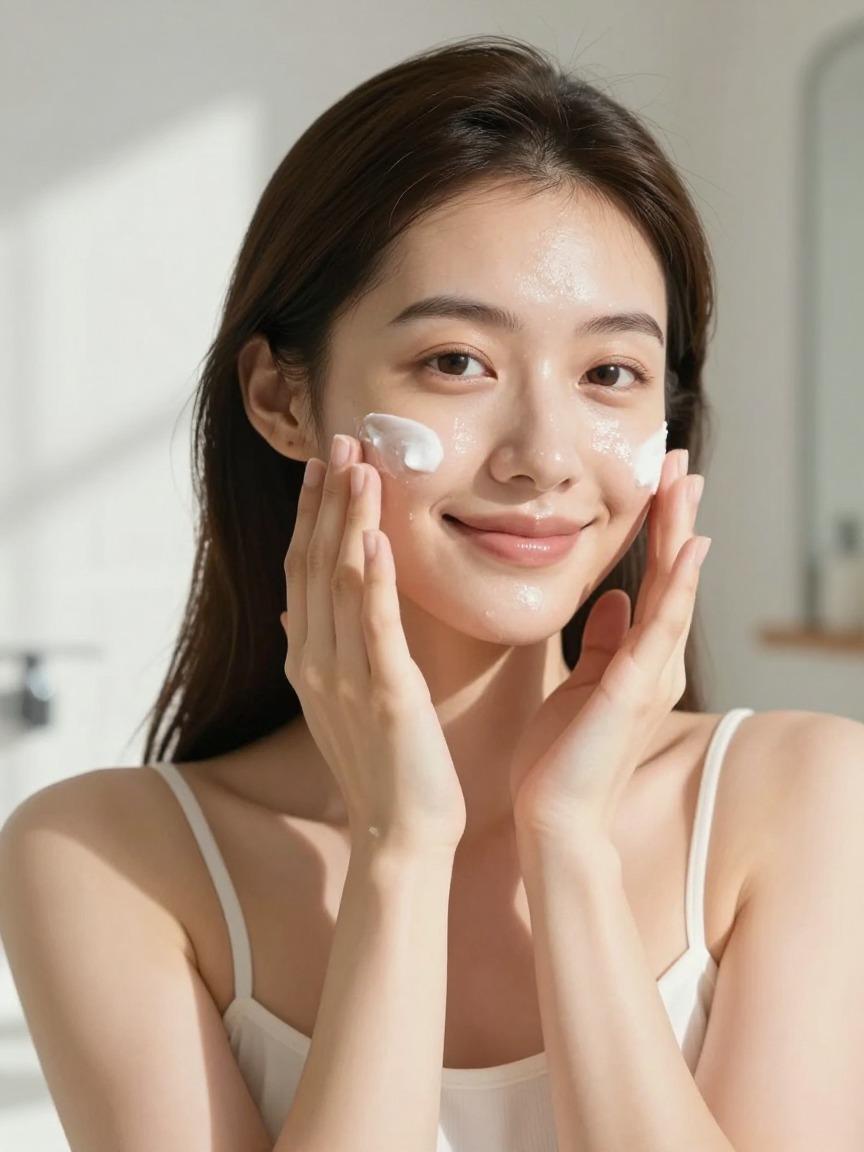
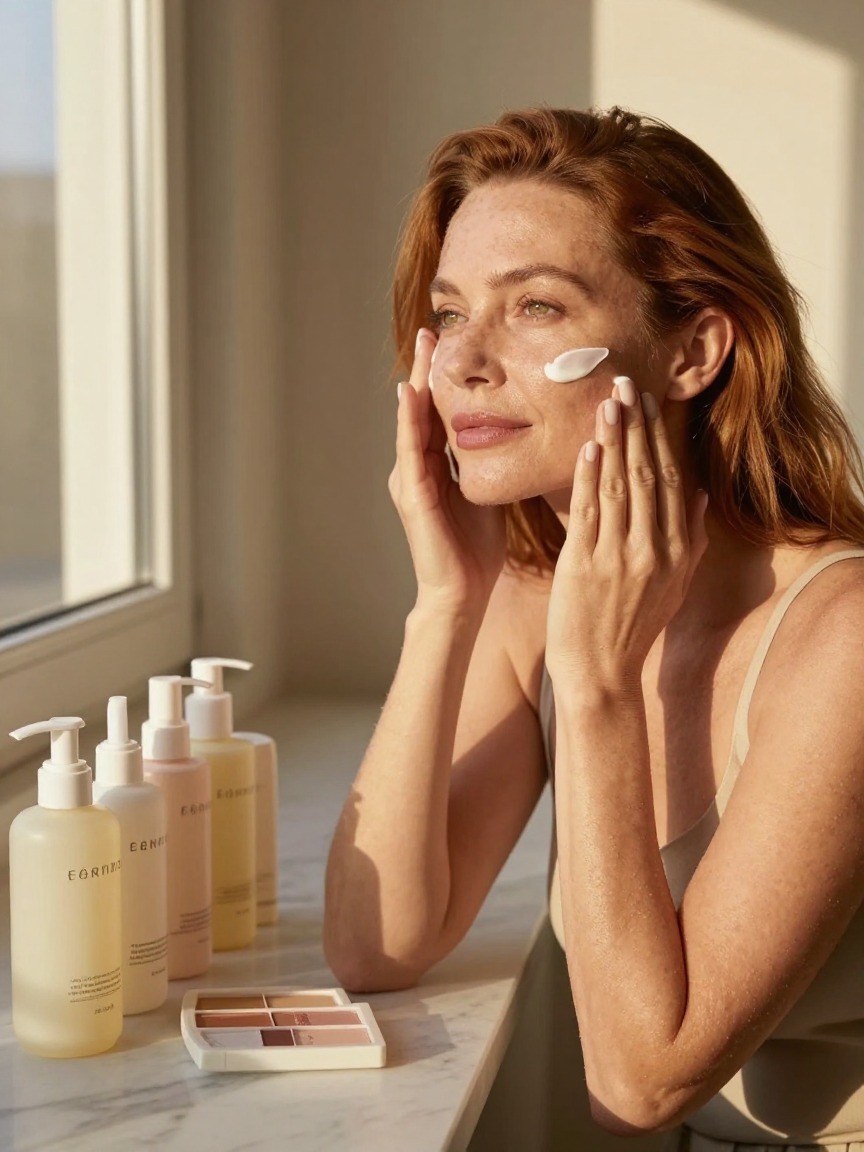
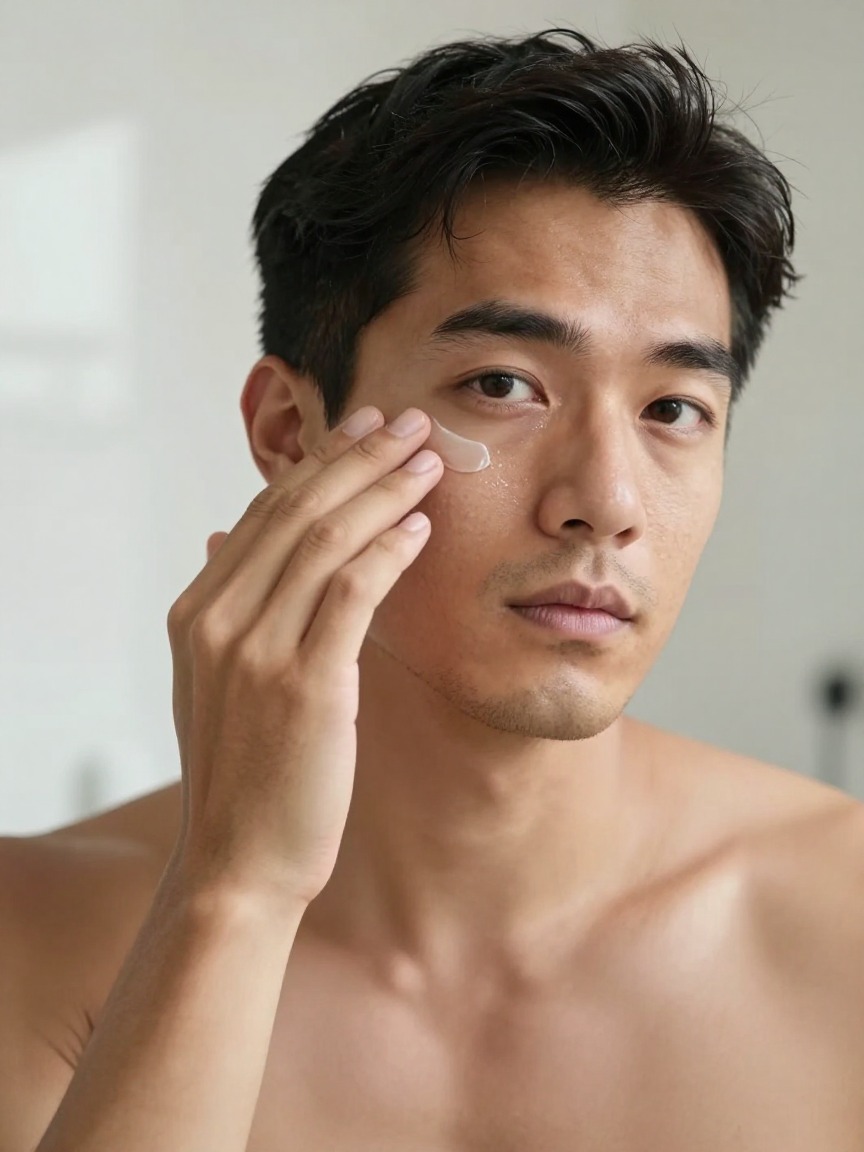
In short: Azelaic acid is a gentle, multi-tasking acid that calms visible redness, helps fade post-breakout marks, and smooths rough texture, and it layers well with almost everything else in a routine. Over-the-counter versions top out at 10%; dermatologists can prescribe 15–20% formulas for more stubborn rosacea or acne that hasn't responded to OTC strength.
Affiliate disclosure: We may earn a commission from qualifying purchases made through links on this page, at no extra cost to you. Some links on this page are affiliate links.
Serums & Treatments · Guide
Azelaic Acid Serums
Recommended azelaic acid serums
Our current top picks in this category, judged on formulation, evidence, texture and value.
Editor's Pick#1
anyone who wants a genuinely effective 10% formula at the lowest possible cost
Azelaic Acid Suspension 10%
The Ordinary
It delivers the full over-the-counter ceiling of 10% azelaic acid in a no-frills formula. That makes it the easiest entry point before committing to a pricier version.
Full 10% concentration, the maximum available without a prescription
Very low cost relative to the strength delivered
Fragrance-free and simple enough to layer with almost anything
It's a genuine suspension rather than a fluid serum, so it needs a firm shake before each use and can leave a slight tacky, semi-matte cast until fully absorbed
redness-prone or rosacea-prone skin that wants a flexible way to introduce azelaic acid
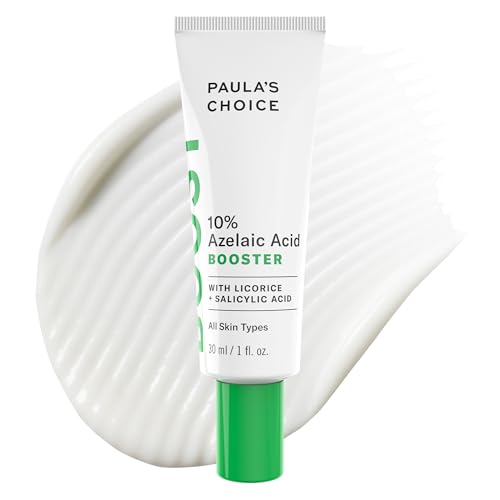
10% Azelaic Acid Booster
Paula's Choice
It's a booster you can mix into moisturizer or apply alone. That flexibility helps reactive skin dial intensity up or down. Used undiluted, it still delivers the full 10% strength.
Full 10% concentration with a lighter, less opaque texture than many suspensions
Flexible use — apply alone or blend into a moisturizer to buffer sensitive skin
Fragrance-free formula suited to reactive, redness-prone skin
Marketed as a "booster" rather than a standalone serum, which can feel ambiguous if you're used to simpler one-step products
combination or oily skin that wants azelaic acid in a thinner, faster-absorbing serum
Azelaic Topical Acid 10%
Naturium
It pairs 10% azelaic acid with niacinamide in a noticeably lighter texture than most suspensions. It sinks in faster and layers easily under sunscreen or makeup.
Lightweight, serum-like texture absorbs faster than thicker suspension formulas
Niacinamide addition supports the redness- and tone-evening effect
Reasonably priced for a 10% concentration
The niacinamide addition means slightly more active ingredients at once, which can be more than very reactive skin wants to start with
What azelaic acid is, and why it's not just an exfoliation acid
Azelaic acid is a naturally occurring acid found in grains like wheat, rye, and barley. Most skincare versions are lab-made instead, for consistency and purity. It first became known as a prescription treatment for rosacea and acne. Over the past several years, it's moved into mainstream, over-the-counter skincare too. What sets it apart from other acids is its range. It's associated with calming visible redness and refining rough texture. It also gradually evens out the discoloration breakouts leave behind. And it does all this without relying on surface exfoliation the way an AHA or BHA does.
Azelaic acid vs. AHAs, BHAs & retinoids
Azelaic acid gets grouped with exfoliating acids on ingredient lists. But it doesn't work mainly by dissolving the bonds between dead skin cells. That's how glycolic or salicylic acid works. Its main strengths are different. It calms visible redness and inflammation. It helps keep pores clear. And it interferes with the pigment-producing process behind dark marks. That's part of why it's often recommended as an addition to a routine. It's rarely a replacement for a retinoid or an AHA/BHA exfoliant. Those address overlapping but different concerns. Many people use azelaic acid alongside one of the others, rather than instead of it.
Over-the-counter vs. prescription-strength azelaic acid
In the US, azelaic acid sold without a prescription is capped at 10%. Dermatologists can prescribe a 15% gel or a 20% cream. Both are usually reserved for more persistent situations. That includes ongoing rosacea redness, visible bumps and pustules, or stubborn acne. Ten percent is still a genuinely effective concentration for many people. An azelaic acid serum like The Ordinary's Azelaic Acid Suspension is built at exactly that strength. So is Paula's Choice's 10% Azelaic Acid Booster. Say you've used a 10% product consistently for a few months without the improvement you expected. That's the point to talk to a dermatologist about a prescription-strength option. Searching for a stronger OTC product won't help. One doesn't really exist.
Choosing a formula by skin type and concern
Redness, rosacea & visible inflammation
Azelaic acid is one of the more researched calming ingredients for visible redness. It's a common recommendation for people managing rosacea alongside a dermatologist. It targets the underlying inflammation rather than just masking redness. Look for a fragrance-free formula with minimal other active ingredients. That way you can tell what's actually helping.
Fading dark spots, hyperpigmentation & post-breakout marks
Is your main concern hyperpigmentation? These are the flat, pink or brown dark spots that linger after a pimple clears. Azelaic acid can help even those out over time. It works gradually. Most people need a couple of months of consistent use before a visible difference shows up.
Clogged pores, breakouts & mild acne
Azelaic acid can support a core acne routine by helping prevent clogged pores. But it's not a strong enough stand-alone treatment for moderate-to-severe or cystic breakouts. That's a conversation for a dermatologist, not a product swap.
Sensitive skin & retinoid-reactive skin
Azelaic acid tends to be better tolerated than retinoids or stronger acids. It's often one of the first actives people with reactive, sensitive skin can use without much irritation. The Inkey List's beginner-friendly formula, for instance, keeps the ingredient list minimal for exactly this reason. When you compare gentle options, it helps to scan labels from several brands. Good Molecules and Allies of Skin are among the names worth checking. A patch test is still worth doing with any new formula.
Texture, niacinamide & how to add it to your routine
Most azelaic acid products are designed for once- or twice-daily use. Apply them to clean, dry skin before moisturizer. It's one of the more layering-friendly actives available. It's commonly paired with niacinamide. Naturium's Azelaic Topical Acid 10% is a good example. It combines the two in a lighter, faster-absorbing texture. Many people also use it alongside vitamin C or a retinoid. They split these between morning and evening. Introducing several actives at once? Add one new product at a time. That way you can tell what's causing any irritation if it shows up. Mild tingling on application is common and usually fades within a few minutes. Ongoing burning, or irritation that doesn't settle, isn't normal. That's worth stopping for. Texture affects how a product fits into a routine too. Thicker suspension formulas generally do best as the last step before a heavier moisturizer. Thinner, more fluid serums sit comfortably under a lighter daytime lotion and sunscreen without pilling.
Mistakes that slow down results
Expecting visible change within a week or two. Most people need eight to twelve weeks of consistent use before judging results.
Stopping as soon as skin looks better. Redness or marks that recur need it as an ongoing part of the routine.
Assuming a higher price means a higher concentration. Check the labeled percentage, since azelaic acid formulas vary widely in strength and quality.
Layering it with several other strong actives at once. That raises irritation risk without speeding up the timeline.
When to see a dermatologist instead
We're reviewers evaluating formulation, texture, and long-term user experience. We're not dermatologists. Nothing here is a diagnosis or a treatment plan. Do you have diagnosed rosacea, persistent or worsening acne, or skin that reacts badly to a new product? A dermatologist can assess what's actually going on. They can tell you whether a prescription-strength azelaic acid formula makes more sense. Sometimes a different treatment entirely is the better call, rather than continuing to experiment with over-the-counter options on your own.
Popular picks from related categories, chosen with the same rubric.
Editor's Pick#1
Dry-to-normal sensitive skin, especially anyone also using retinoids or other actives
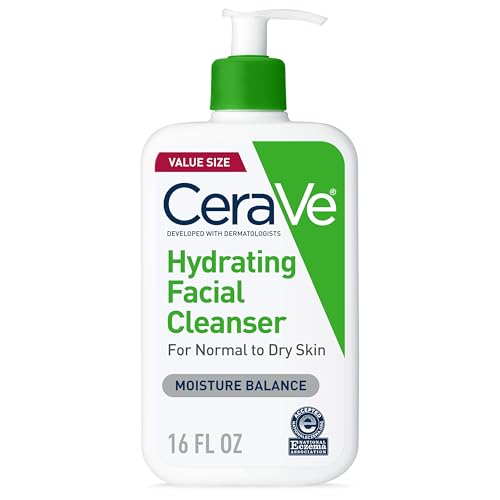
Hydrating Facial Cleanser
CeraVe
It's formulated with three ceramides, hyaluronic acid, and a National Eczema Association seal. Dermatologists mention it most often for reactive skin. It's a genuinely non-foaming, low-irritation formula that doesn't strip the barrier.
Ceramide and hyaluronic acid formula supports the skin barrier while cleansing
Fragrance-free, non-foaming, and won't disrupt a compromised moisture barrier
Budget-friendly per ounce and widely available at drugstores
Doesn't fully dissolve heavy sunscreen or long-wear makeup on its own, so double-cleansing days may need a micellar water or oil-based first step
Normal to dry skin that wants a dermatologist-developed, fragrance-free daily moisturizer
CeraVe Moisturizing Cream
CeraVe
It pairs three essential ceramides with hyaluronic acid in a rich, fragrance-free base. Long-term users with dry, compromised skin consistently praise it. It's also inexpensive enough to use liberally.
Ceramide + hyaluronic acid formula supports the skin barrier
Fragrance-free and well-tolerated by sensitive skin
Large jar size makes it very cost-effective per ounce
The tub packaging means dipping fingers into the product, which isn't ideal for hygiene or portability
acne-prone, sensitive, or post-procedure skin that needs a dermatologist-trusted daily option
UV Clear Broad-Spectrum SPF 46
EltaMD
Dermatologists reach for EltaMD more than almost any other sunscreen. It pairs broad-spectrum zinc oxide protection with niacinamide and hyaluronic acid. The oil-free base is genuinely weightless and layers well under makeup.
Broad-spectrum SPF 46 with zinc oxide
Oil-free, non-comedogenic formula favored for acne-prone skin
Contains niacinamide and hyaluronic acid for added hydration
Pricier per ounce than most drugstore sunscreens, and the pump makes it easy to under-apply if you're not deliberate about the amount.
oily, pore-prone skin that wants a formula built specifically around pore congestion
Super Volcanic Pore Clay Mask 2X
innisfree
Two types of volcanic clay target sebum and blackheads. The texture isn't chalky or hard to remove like older clay formulas. It's also genuinely affordable for how often you'll reach for it.
Lightweight, non-cakey texture that spreads and rinses easily
Visibly reduces the look of congested pores after a single use
Priced low enough to use regularly without guilt
The mineral scent is noticeable and won't appeal to everyone
Anyone dealing with clogged pores, blackheads, or rough, bumpy texture who wants an evidence-backed exfoliating toner
2% BHA Liquid Exfoliant
Paula's Choice
It's built around a well-studied 2% salicylic acid concentration at an effective pH. The base is fragrance-free and alcohol-free. That combination is why it's stayed a favorite among ingredient-focused shoppers for years, rather than fading as a trend.
2% salicylic acid at a pH that actually works
Fragrance-free and alcohol-free formula
Noticeably improves texture and blackheads with consistent use
The active concentration can cause redness or flaking in the first couple of weeks, so it's not the easiest starting point for very reactive or rosacea-prone skin
people who want the most clinically studied LED mask on the market and don't mind the price
Contour Face
Omnilux
Omnilux's LED technology is the same platform used in dermatology clinics. The Contour Face is its rigid, dermatologist-favorite home version, and it has more research behind it than most at-home competitors.
Extensive clinical research behind Omnilux's LED platform, more than most home devices
FDA-cleared for temporary reduction in the appearance of fine lines and wrinkles
Even, consistent light distance thanks to the rigid, hinged design
Rigid shell doesn't flex to different face shapes, there's no blue-light setting for acne, and it's one of the most expensive masks on the market
Affiliate disclosure: We may earn a commission from qualifying purchases made through links on this page, at no extra cost to you. Some links on this page are affiliate links.