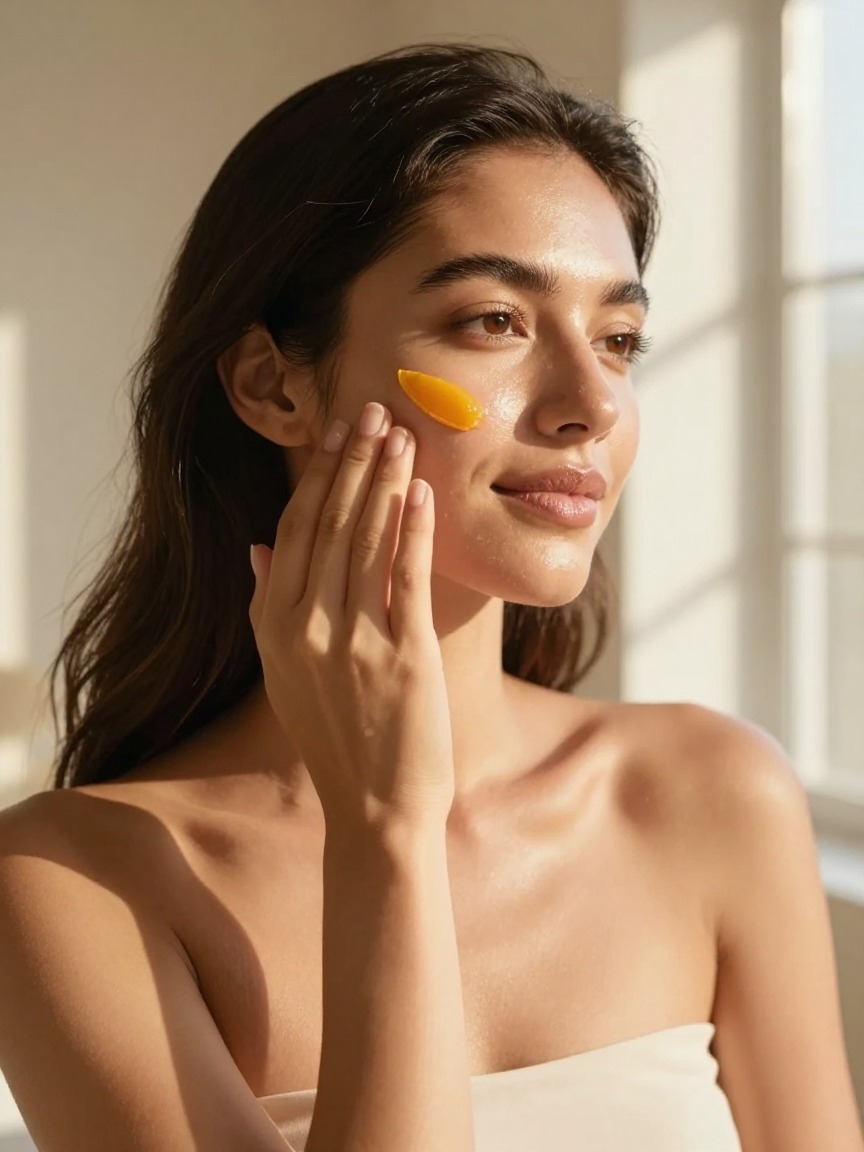
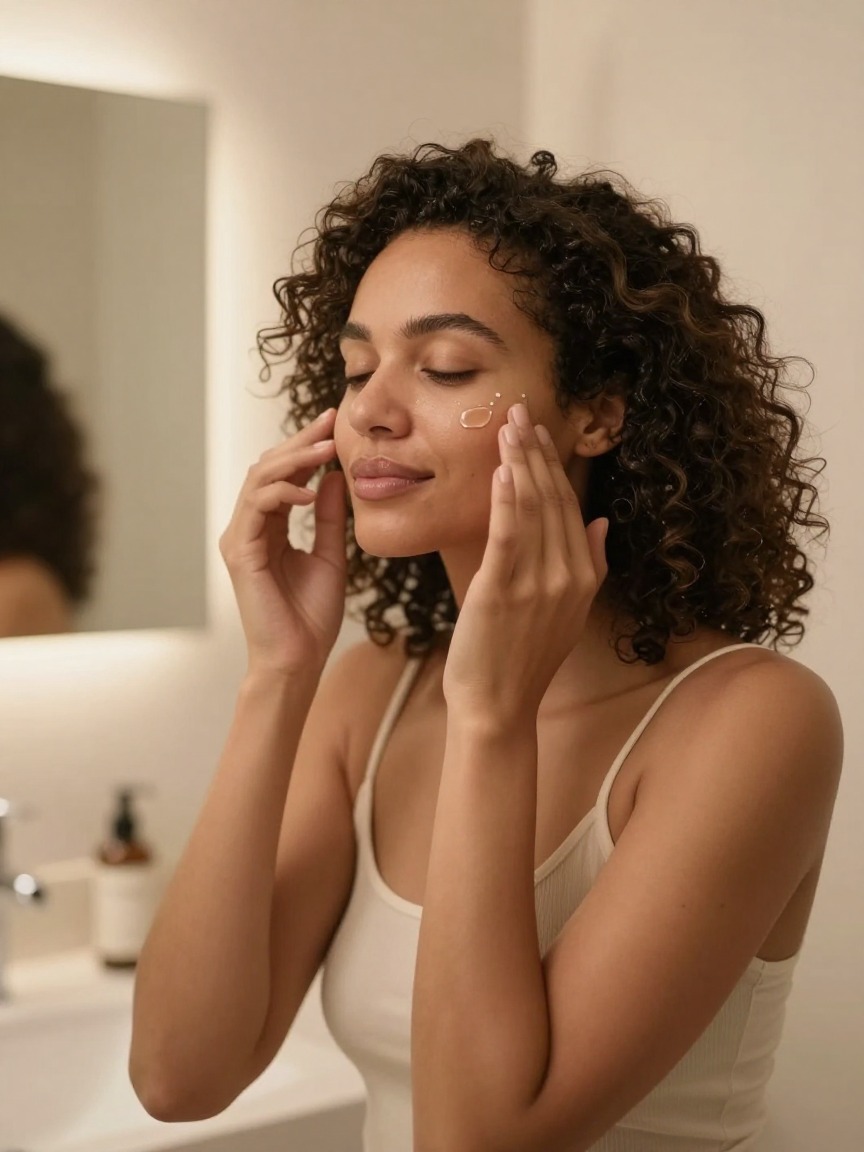
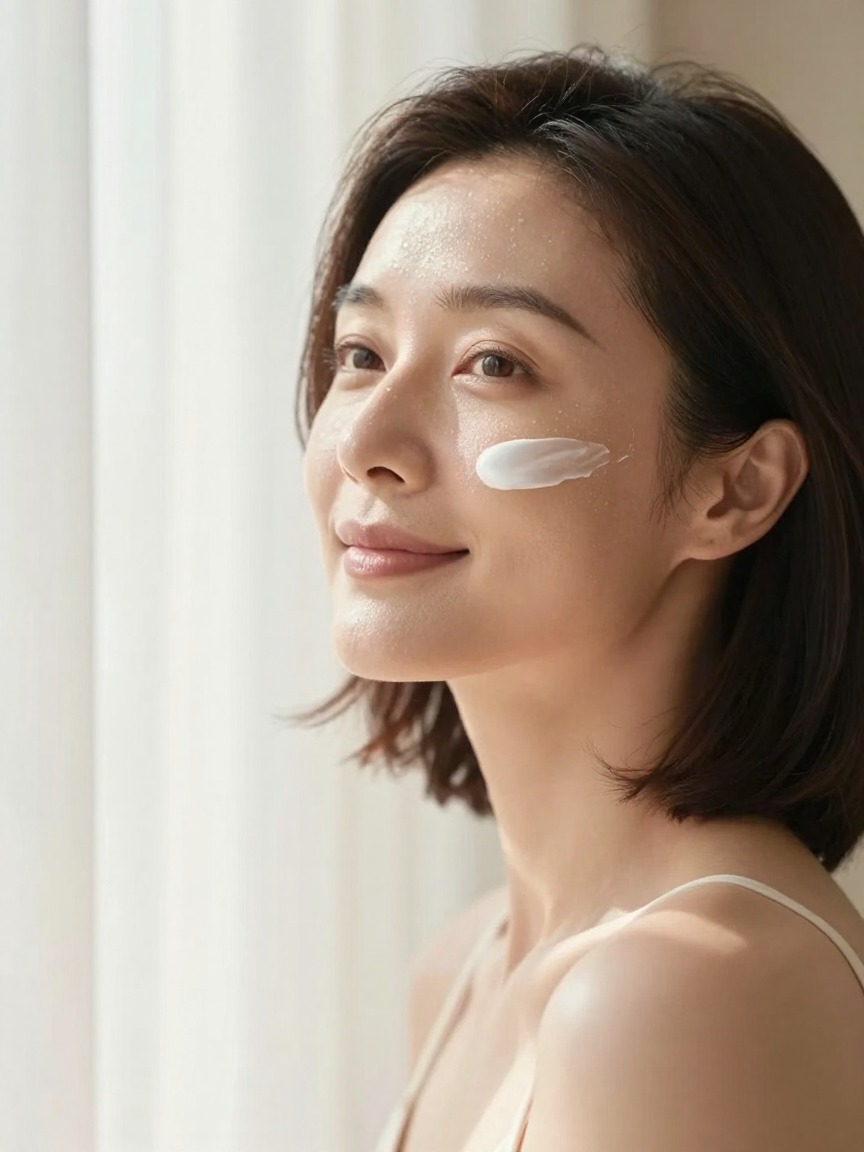
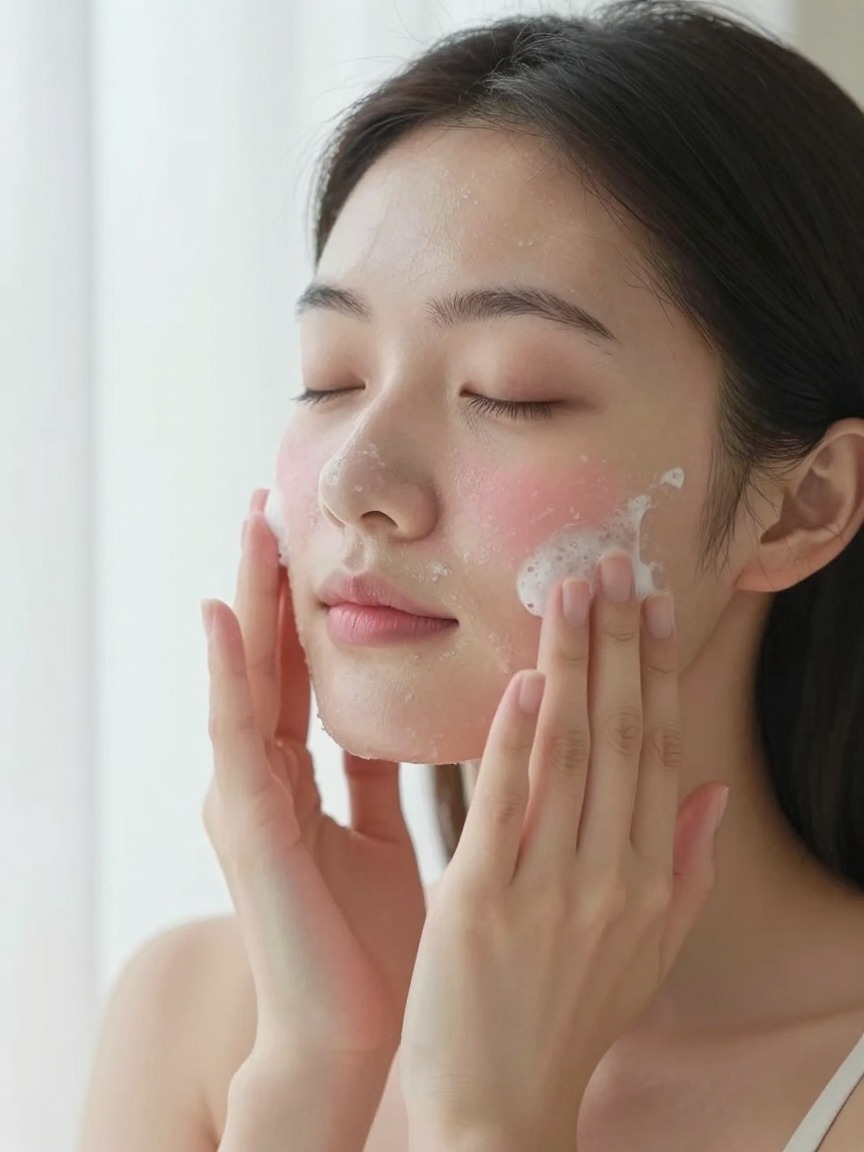
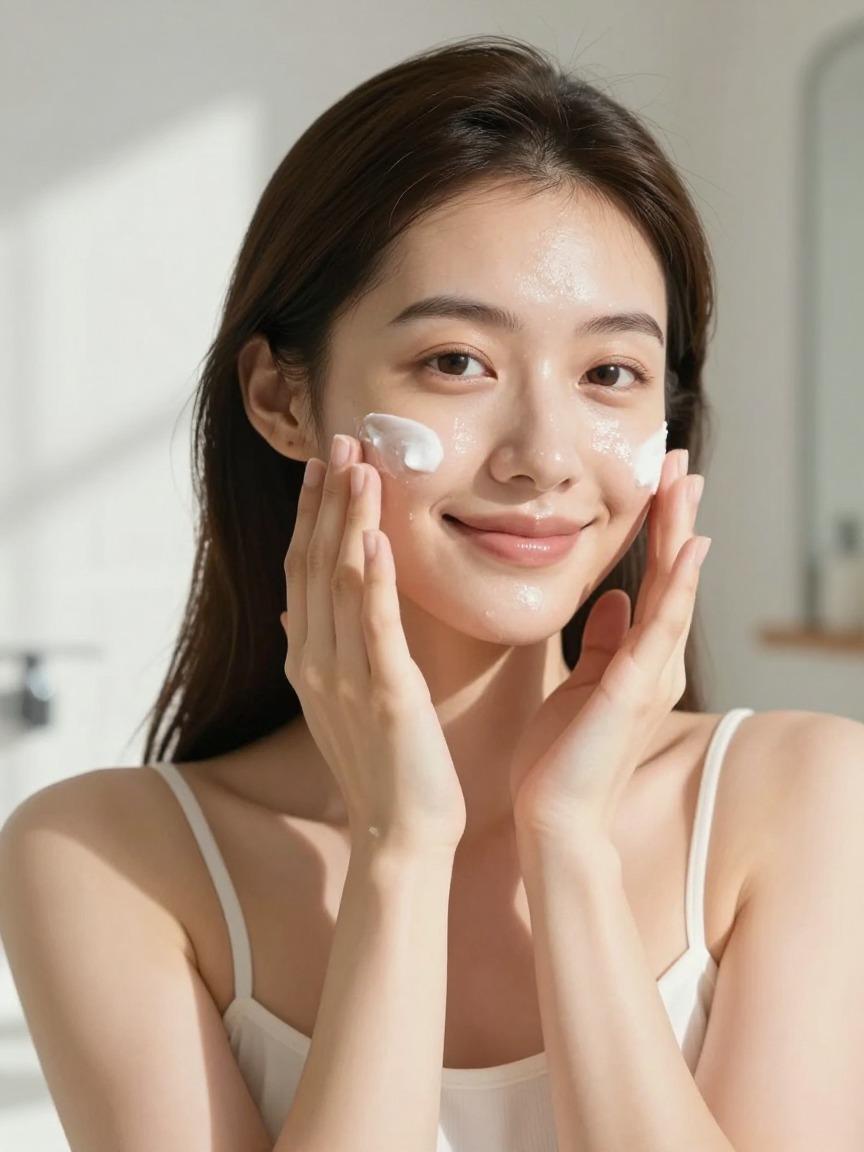
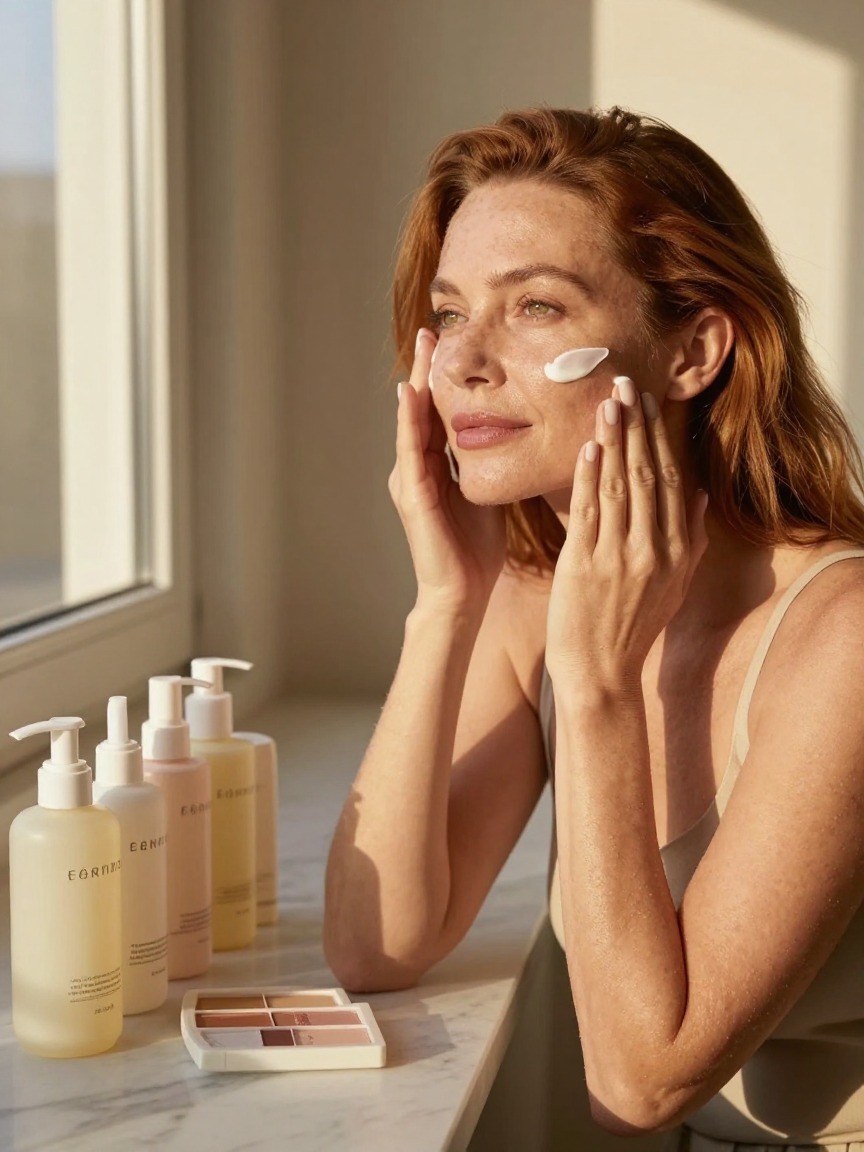
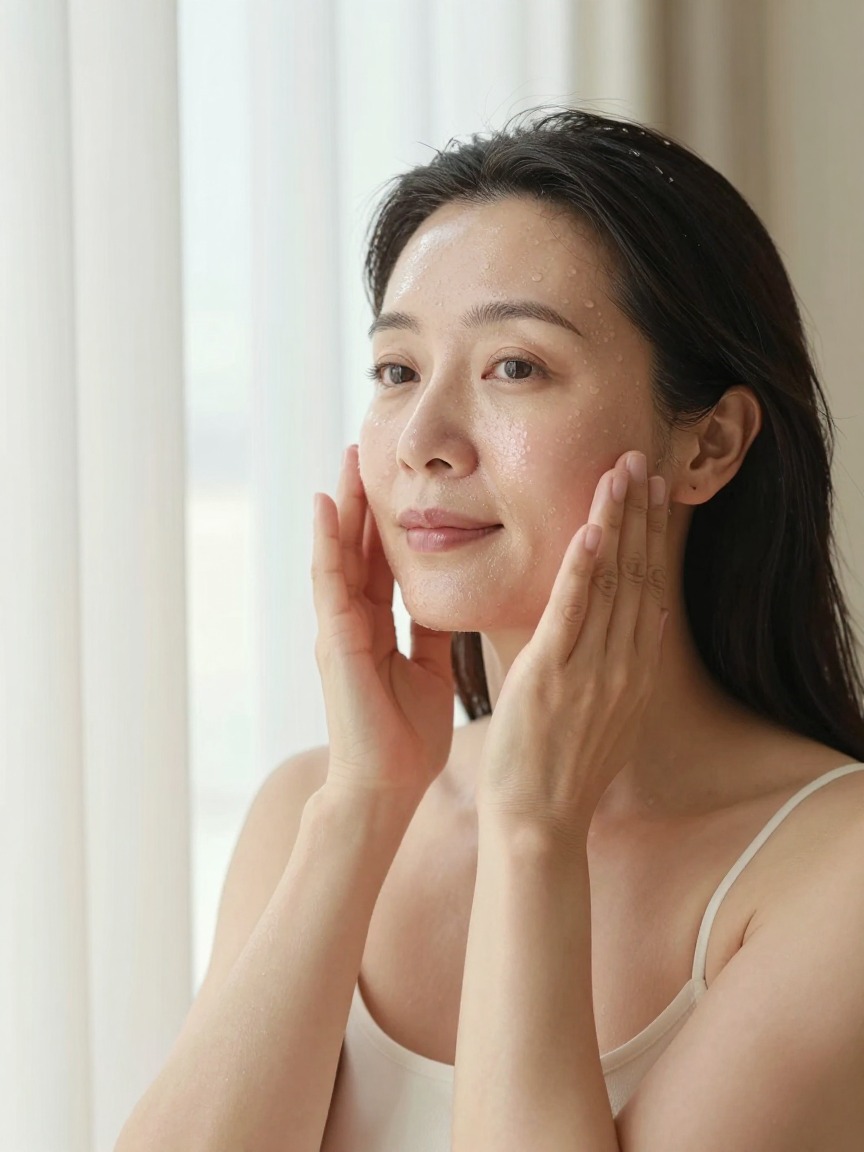
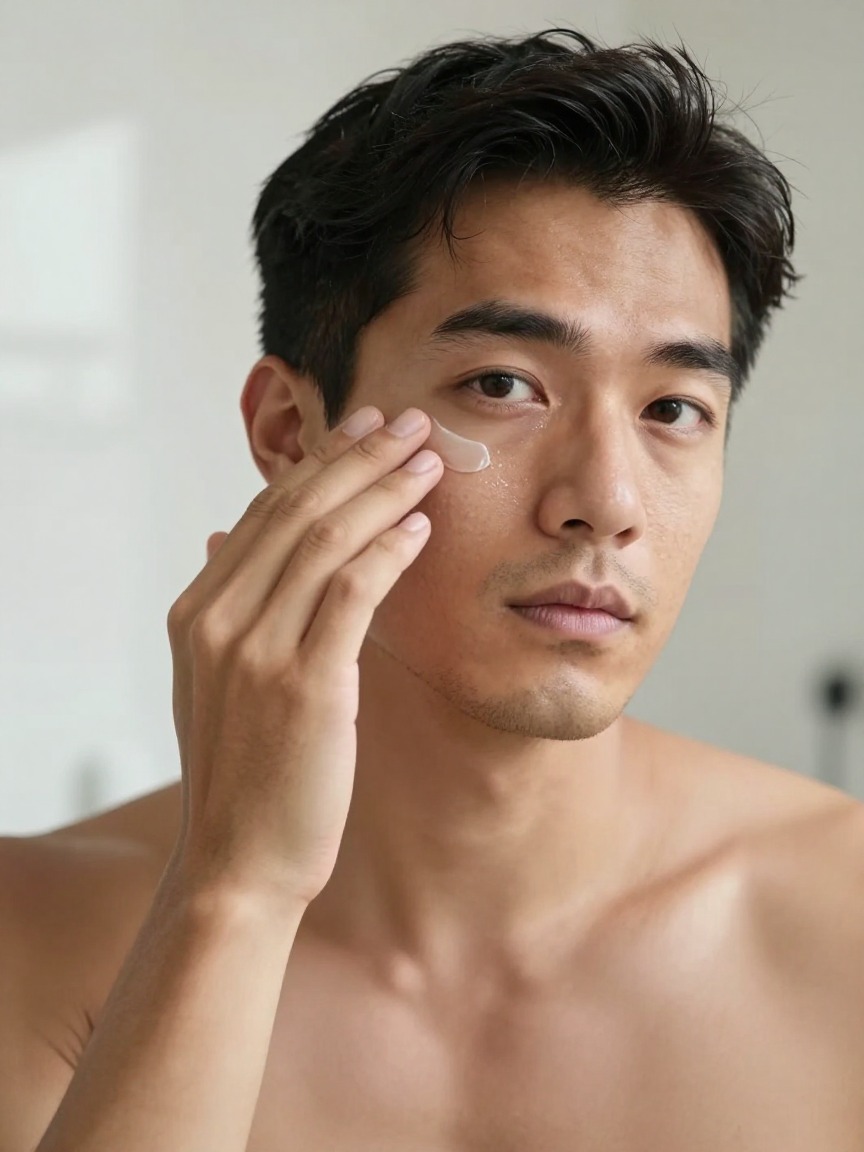
In short: Facial sunscreen is a daily broad-spectrum SPF 30+ product formulated for the face — usually lighter, less pore-clogging, and more makeup-friendly than body sunscreen. Mineral formulas suit sensitive skin; chemical and hybrid formulas tend to blend in better. It's the single highest-impact step for preventing sun damage and visible aging.
Affiliate disclosure: We may earn a commission from qualifying purchases made through links on this page, at no extra cost to you. Some links on this page are affiliate links.
Sun Protection · Guide
Facial Sunscreens
Recommended facial sunscreens
Our current top picks in this category, judged on formulation, evidence, texture and value.
Editor's Pick#1
acne-prone, sensitive, or post-procedure skin that needs a dermatologist-trusted daily option
UV Clear Broad-Spectrum SPF 46
EltaMD
Dermatologists reach for EltaMD more than almost any other sunscreen. It pairs broad-spectrum zinc oxide protection with niacinamide and hyaluronic acid. The oil-free base is genuinely weightless and layers well under makeup.
Broad-spectrum SPF 46 with zinc oxide
Oil-free, non-comedogenic formula favored for acne-prone skin
Contains niacinamide and hyaluronic acid for added hydration
Pricier per ounce than most drugstore sunscreens, and the pump makes it easy to under-apply if you're not deliberate about the amount.
long outdoor days where you want maximum broad-spectrum coverage and water resistance
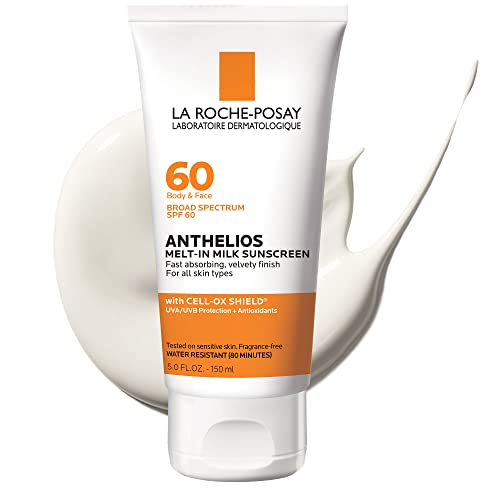
Anthelios Melt-in Milk Sunscreen SPF 60
La Roche-Posay
Anthelios Melt-in Milk pushes SPF to 60 while absorbing into a silky, non-greasy finish. It's the pick for beach days, hikes, or anyone who wants extra margin for error on reapplication.
High SPF 60 broad-spectrum protection
Water-resistant up to 80 minutes
Melts in fast with a silky, non-greasy finish
Relies on chemical filters (avobenzone, octocrylene), which some shoppers specifically want to avoid, and can feel slightly heavier on very oily skin.
makeup wearers who want a weightless, invisible base that doubles as a primer
Unseen Sunscreen SPF 40
Supergoop!
Supergoop built its reputation on this formula because it genuinely disappears — no white cast, no shine, no pilling. It works as a makeup primer as easily as a standalone sunscreen.
Virtually invisible on all skin tones
Doubles as a smoothing makeup primer
Broad-spectrum SPF 40 in a featherlight, gel-oil texture
The silicone-forward, mattifying texture can feel too dry or tacky for very dehydrated skin, and it's a premium price for the bottle size.
Mineral sunscreen vs. chemical sunscreen: what makes a facial formula different
Facial sunscreens are formulated specifically for the thinner, more visible skin on your face. That skin behaves differently than the skin on your arms or legs. Facial formulas are typically lighter and faster-absorbing. They're less likely to clog pores than a body sunscreen. Many are designed to sit well under makeup or double as the last step of a skincare routine. The active ingredients — the actual UV filters — are the same ones used in body sunscreens. What changes is the base formula: less oil, less fragrance, more attention to texture and finish. Whether it's a mineral sunscreen built on zinc oxide or a chemical sunscreen built on organic filters, the goal is the same: broad daily protection that disappears into skin.
UVA rays vs. UVB rays: why broad-spectrum matters
Sunlight reaches skin as two types of ultraviolet radiation. UVB rays are the shorter-wavelength rays responsible for sunburn. They're what the SPF number on a bottle actually measures. UVA rays penetrate deeper into the skin. They don't cause an immediate burn, but they're a primary driver of premature aging — fine lines, sagging, and uneven pigmentation. UVA rays also pass through window glass and clouds. That's why broad-spectrum — a label meaning a sunscreen filters both UVA and UVB — is non-negotiable. An SPF-only claim without "broad-spectrum" on the label doesn't guarantee any UVA protection at all.
How to choose by skin type: zinc oxide, titanium dioxide & SPF 30 basics
Every facial sunscreen worth buying starts from the same baseline: broad-spectrum coverage and SPF 30 or higher, built on zinc oxide, titanium dioxide, or an approved chemical filter. From there, the right pick comes down to your skin type.
Oily skin or acne-prone skin
Look for the words oil-free, non-comedogenic, or a gel/fluid texture. Heavier cream sunscreens can sit on top of oily skin and contribute to congestion. Mineral formulas built around zinc oxide alone tend to run thicker. Many people with oily skin or acne-prone skin prefer a hybrid or chemical formula with a matte or semi-matte finish.
Dry skin or mature skin
A cream, milk, or lotion-style sunscreen with added hydrators — hyaluronic acid, ceramides, glycerin — will feel more comfortable than a mattifying gel. A gel can emphasize dry patches or fine lines.
Sensitive skin or reactive skin
Mineral sunscreens using zinc oxide and/or titanium dioxide are generally the best-tolerated option for rosacea, eczema-prone, or reactive skin. They don't need to be absorbed to work, so they're less likely to trigger a stinging reaction. Fragrance-free formulas are worth prioritizing here too.
Deeper skin tones and white cast
The white cast some mineral sunscreens leave behind is a real, well-documented issue, not a myth. It comes from the way zinc oxide and titanium dioxide particles scatter light. Newer tinted mineral formulas and iron-oxide versions reduce this significantly. Chemical or hybrid formulas typically blend in without any cast at all.
Niacinamide, antioxidants & iron oxides: ingredients worth knowing on the label
Beyond the UV filters themselves, a handful of ingredients show up often in facial sunscreens from brands like EltaMD, La Roche-Posay, and CeraVe. Niacinamide (vitamin B3) is a common add-in that supports the skin barrier and can help calm redness. That's one reason it pairs so often with sensitive-skin formulas. Antioxidants like vitamin C, vitamin E, and ferulic acid are sometimes added to help neutralize free radicals from UV and environmental exposure — a nice bonus, not a substitute for the UV filter itself. Iron oxides, increasingly common in tinted mineral sunscreens, don't just add color. They also help filter visible light and blue light, which is relevant for anyone concerned about pigmentation from screen exposure, though the evidence there is still developing. None of these extras make a formula more or less "real" sunscreen — the UV filter and its concentration are what determine the SPF rating.
Where sunscreen fits with your vitamin C serum routine
Sunscreen is the last step of a morning skincare routine, applied after moisturizer and before makeup. If you use a vitamin C serum, apply it before sunscreen, not after. Vitamin C works best on clean, unprotected skin, and sunscreen forms a layer on top. Give a chemical sunscreen a few minutes to absorb before applying makeup, or it can pill or slide. Mineral sunscreens set almost immediately, which is one reason people who wear makeup daily sometimes prefer a hybrid formula, such as those made by Supergoop! or Beauty of Joseon.
How much to use, water-resistant ratings & reapplication timing
The standard guidance from dermatology research is about a quarter-teaspoon — roughly a nickel-sized amount — for the face alone. Most people apply far less than that. That's the single biggest reason sunscreen "doesn't work" in real-world use: an SPF 50 applied at half the tested amount performs much closer to a low single-digit SPF. Reapplication matters just as much. Sunscreen degrades with UV exposure, sweat, and touch, so dermatologists generally recommend reapplying every two hours during direct sun exposure, and after swimming or heavy sweating, even with a water-resistant formula. For an ordinary indoor-then-commute day, one solid morning application is usually enough, since total exposure is lower and shorter.
Common mistakes
Only applying sunscreen on sunny days — UV rays are present through cloud cover.
Stopping at the jawline — the neck, ears, and hairline are just as exposed and are commonly missed.
Wearing sunscreen only under makeup and skipping it on no-makeup days.
Assuming a higher SPF means you can apply less — the labeled protection still assumes a full, even layer.
When to see a dermatologist
If you notice a new or changing mole, persistent redness, a reaction to a specific sunscreen ingredient, or a spot that won't heal, that's a conversation for a board-certified dermatologist, not a sunscreen swap. This guide can help you choose a formula you'll actually wear every day — it isn't a substitute for a professional skin check.
Popular picks from related categories, chosen with the same rubric.
Editor's Pick#1
Dry-to-normal sensitive skin, especially anyone also using retinoids or other actives
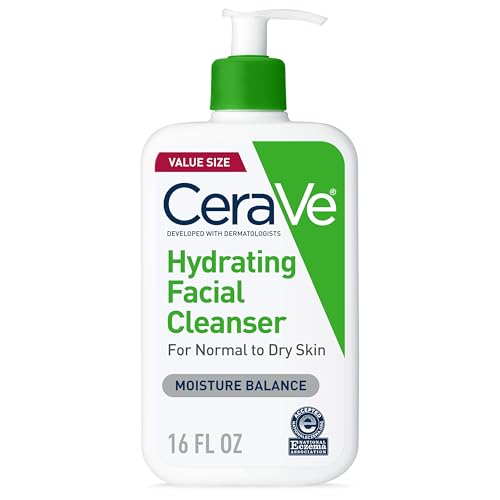
Hydrating Facial Cleanser
CeraVe
It's formulated with three ceramides, hyaluronic acid, and a National Eczema Association seal. Dermatologists mention it most often for reactive skin. It's a genuinely non-foaming, low-irritation formula that doesn't strip the barrier.
Ceramide and hyaluronic acid formula supports the skin barrier while cleansing
Fragrance-free, non-foaming, and won't disrupt a compromised moisture barrier
Budget-friendly per ounce and widely available at drugstores
Doesn't fully dissolve heavy sunscreen or long-wear makeup on its own, so double-cleansing days may need a micellar water or oil-based first step
Readers who want a well-formulated L-ascorbic acid serum without the prestige price tag
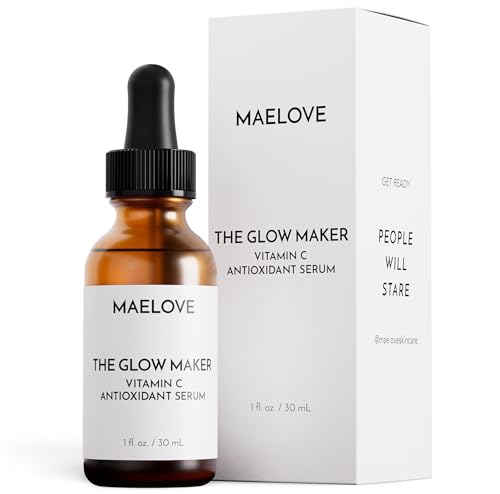
Glow Maker
Maelove
It leans on similar formulation logic to pricier serums: L-ascorbic acid plus vitamin E and ferulic acid. It costs a fraction of the price. That's why it's often called an affordable alternative to the prestige options.
Combines L-ascorbic acid with vitamin E and ferulic acid, echoing higher-end formulas
Opaque pump bottle helps limit light and air exposure
Noticeably cheaper per ounce than most L-ascorbic acid serums of similar formulation
The pump can dispense unevenly or feel like it needs priming, a minor but frequently mentioned annoyance
Normal to dry skin that wants a dermatologist-developed, fragrance-free daily moisturizer
CeraVe Moisturizing Cream
CeraVe
It pairs three essential ceramides with hyaluronic acid in a rich, fragrance-free base. Long-term users with dry, compromised skin consistently praise it. It's also inexpensive enough to use liberally.
Ceramide + hyaluronic acid formula supports the skin barrier
Fragrance-free and well-tolerated by sensitive skin
Large jar size makes it very cost-effective per ounce
The tub packaging means dipping fingers into the product, which isn't ideal for hygiene or portability
oily, pore-prone skin that wants a formula built specifically around pore congestion
Super Volcanic Pore Clay Mask 2X
innisfree
Two types of volcanic clay target sebum and blackheads. The texture isn't chalky or hard to remove like older clay formulas. It's also genuinely affordable for how often you'll reach for it.
Lightweight, non-cakey texture that spreads and rinses easily
Visibly reduces the look of congested pores after a single use
Priced low enough to use regularly without guilt
The mineral scent is noticeable and won't appeal to everyone
Anyone dealing with clogged pores, blackheads, or rough, bumpy texture who wants an evidence-backed exfoliating toner
2% BHA Liquid Exfoliant
Paula's Choice
It's built around a well-studied 2% salicylic acid concentration at an effective pH. The base is fragrance-free and alcohol-free. That combination is why it's stayed a favorite among ingredient-focused shoppers for years, rather than fading as a trend.
2% salicylic acid at a pH that actually works
Fragrance-free and alcohol-free formula
Noticeably improves texture and blackheads with consistent use
The active concentration can cause redness or flaking in the first couple of weeks, so it's not the easiest starting point for very reactive or rosacea-prone skin
people who want the most clinically studied LED mask on the market and don't mind the price
Contour Face
Omnilux
Omnilux's LED technology is the same platform used in dermatology clinics. The Contour Face is its rigid, dermatologist-favorite home version, and it has more research behind it than most at-home competitors.
Extensive clinical research behind Omnilux's LED platform, more than most home devices
FDA-cleared for temporary reduction in the appearance of fine lines and wrinkles
Even, consistent light distance thanks to the rigid, hinged design
Rigid shell doesn't flex to different face shapes, there's no blue-light setting for acne, and it's one of the most expensive masks on the market
Affiliate disclosure: We may earn a commission from qualifying purchases made through links on this page, at no extra cost to you. Some links on this page are affiliate links.