


What a non-comedogenic moisturizer means for clogged pores
A non-comedogenic moisturizer uses ingredients that are less likely to block pores or trigger breakouts. The word comedo simply refers to a clogged pore, so the label means unlikely to cause clogged pores. It is a helpful cue when you shop for daily hydration and worry about congestion. Most people meet the term while choosing products for oily or acne-prone skin. The claim signals that a brand had pore-clogging risk in mind when building the formula. That intent is genuinely worth something on a crowded shelf. Still, it is a useful starting point rather than a strict guarantee.
Here is the catch that trips up many shoppers. Non-comedogenic is not an FDA-regulated term with one legal definition. Brands test and describe it in noticeably different ways. One lab may screen raw ingredients on skin, while another judges only the finished formula. Because the methods differ, results vary from brand to brand. So two products with the same claim can behave differently on your face. Treat the label as a helpful signal, never as a promise of clear skin. Your own skin always has the final say.
Ingredients still matter more than the label on the front. Humectants like glycerin and hyaluronic acid draw in water without adding heavy oils. Lighter textures usually sit better on skin that clogs easily or breaks out. Rich butters and certain plant oils can feel lovely but do not suit everyone. Coconut oil, for one, is famous for clogging many people who try it. Reading the first several ingredients often tells you how heavy a cream will feel. Shorter, simpler formulas tend to be easier to judge and troubleshoot.
Picking an oil-free formula for oily skin and acne-prone skin
If you break out often, pair the non-comedogenic claim with an oil-free formula. This combination tends to work well for both oily skin and acne-prone skin. A gel or water-based texture usually feels lighter and less greasy across a long day. It also layers cleanly under sunscreen and makeup without pilling or sliding. Words like gel, fluid, or lotion often hint at that lighter feel. A few widely available options, among our top oil-free picks for oily skin, fit this brief without costing a fortune:
- Neutrogena Hydro Boost Water Gel is a humectant-based gel many people with oily skin like.
- The Ordinary Natural Moisturizing Factors + HA is a simple, low-cost daily option.
- CeraVe Facial Moisturizing Lotion AM SPF 30 adds sun protection in one step.
- La Roche-Posay Effaclar Mat targets shine with an oil-free finish.
- Differin Oil-Free Moisturizer SPF 30 is designed for acne-prone skin.
Clinique also makes the Dramatically Different Moisturizing Gel, another oil-free formula built for combination or oily skin. Whatever you pick, patch test any new product before you commit to it. Apply a small amount to one area for a few days and watch closely. Look for redness, stinging, or fresh clogged pores before spreading it everywhere. This quick step spares you from a full-face reaction that takes weeks to calm. Give each product a fair trial of a few weeks before judging results.
No moisturizer suits absolutely everyone, even a well-made non-comedogenic moisturizer. Your skin shifts with the seasons, your hormones, and the other products you use. A cream that works in humid summer may feel too light in dry winter. If breakouts persist or turn painful, a board-certified dermatologist can help you sort it out. They can tailor advice to acne-prone skin and rule out other underlying causes. In most cases, consistency with a simple oil-free formula beats a shelf full of trendy jars.
Affiliate disclosure: We may earn a commission from qualifying purchases made through links on this page, at no extra cost to you. Some links on this page are affiliate links.
Recommended oil-free moisturizers for oily skin
Editor-picked products from our guides.

Hydro Boost Water Gel
Neutrogena
A genuinely oil-free, hyaluronic acid gel. It hydrates without a trace of greasy residue, and it's affordable enough to use generously, morning and night.
- Hyaluronic acid hydrates without weight
- Absorbs in seconds, layers well under makeup
- Fragrance-free version available
- Comes in a jar, so you're dipping fingers in rather than using a hygienic pump

Natural Moisturizing Factors + HA
The Ordinary
A stripped-down, ceramide-and-hyaluronic-acid formula. It does the hydration job without unnecessary extras, at one of the lowest prices in the category.
- Very affordable per ounce
- Fragrance-free and simple ingredient list
- Lightweight lotion texture suits oily and combination skin
- No SPF and few extra actives, so it needs to be paired with a separate sunscreen and won't address shine control on its own
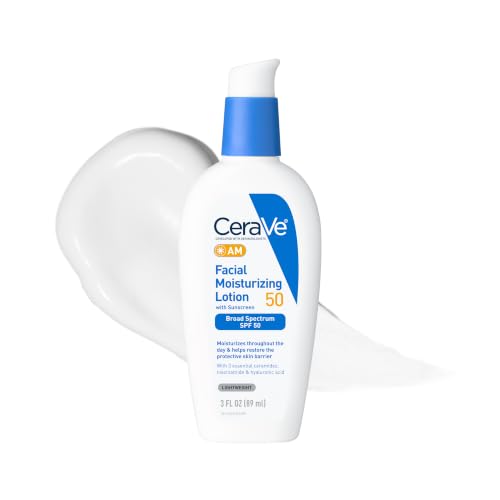
Facial Moisturizing Lotion AM SPF 30
CeraVe
Combines CeraVe's ceramide-and-niacinamide base with broad-spectrum SPF 30. It covers moisturizing and daily sun protection without a heavy or oily finish.
- Broad-spectrum SPF 30 built in
- Ceramides support the skin barrier
- Niacinamide helps with visible oil and redness
- The chemical sunscreen filters can pill slightly under makeup for some users, and SPF 30 from a moisturizer alone isn't enough for extended outdoor time