Why oily skin still needs an oil-free moisturizer
Skipping moisturizer because your skin looks oily is a common mistake. Dehydrated skin can overproduce sebum to compensate. That makes shine worse, not better. An oil-free, water-based moisturizer hydrates without adding fatty oils. It calms skin instead of triggering more oil.
What "oil-free," non-comedogenic & fragrance-free actually mean
"Oil-free" means the formula skips plant oils, mineral oil, and heavy emollients like petrolatum. Instead, it relies on water-based ingredients for a smooth, non-greasy finish. "Non-comedogenic" is a separate claim. It means the formula is less likely to clog pores. It isn't FDA-regulated, so testing varies by brand. Many oil-free picks are also fragrance-free, which lowers irritation risk for reactive or acne-prone skin.
Humectants: hyaluronic acid, niacinamide, glycerin & sebum control for acne-prone skin
- Niacinamide — helps regulate visible sebum and calm redness
- Hyaluronic acid — a humectant that hydrates without weight or grease
- Glycerin — a reliable, well-studied humectant
- Salicylic acid or zinc — added to some acne-prone formulas for extra oil control
- Broad-spectrum SPF — a moisturizer with SPF 30+ can replace a separate sunscreen step and cut down on layers
Gel moisturizer vs. lotion vs. cream: lightweight, mattifying textures compared
Gel moisturizers are the lightest. They absorb fast and suit very oily or hot, humid climates. Lotions sit in the middle — enough hydration for combination skin without heaviness. Creams, even oil-free ones, feel richer. They work best for oily skin that's also dehydrated or dealing with retinoid dryness. Look for a mattifying finish if midday shine is your main concern.
Common mistakes that cause breakouts and pore-clogging
- Using a heavy, cream-based moisturizer meant for dry skin, just because it was on sale or recommended for "anti-aging"
- Skipping moisturizer entirely and going straight to sunscreen — this can leave skin under-hydrated and more reactive
- Assuming "oil-free" and "non-comedogenic" guarantee zero breakouts — they lower the odds, not eliminate them
- Not giving a new formula at least 2–3 weeks before judging whether it's causing pore-clogging or just coinciding with a normal skin cycle
SPF 30, ceramides & when to see a dermatologist for shine control
If you're dealing with persistent cystic acne or sudden new breakouts, see a dermatologist first. The same goes for skin that's oily in some areas and reacting or peeling in others. A dermatologist can identify what's actually happening before you spend money testing moisturizers. We're reviewers, not clinicians — these picks, several with SPF 30 and ceramides built in, are a starting point for shine control, not a diagnosis.
Matching an oil-free pick to your skin and budget
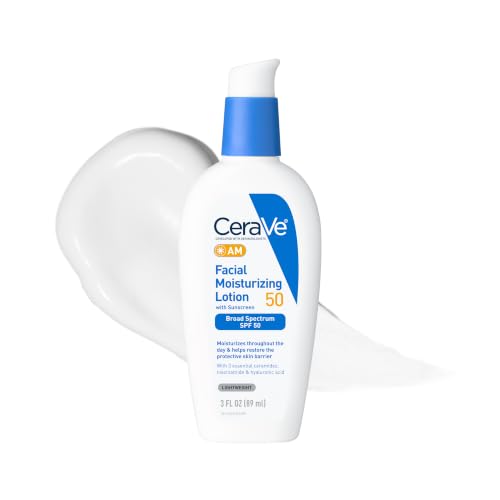
Start from how oily your skin actually runs, then work down to price. Very oily or combination skin in a warm climate is the natural home for a fast-absorbing water gel — the lightweight, humectant-driven texture Neutrogena’s Hydro Boost popularized. If you want the barest, cheapest possible hydrator with nothing extra, a stripped-back humectant formula like The Ordinary’s does the job for pennies a day. Shoppers who’d rather collapse two steps into one should look at a daytime lotion that pairs oil-free hydration with SPF and ceramides, the space CeraVe’s AM formula fills. Skin whose main complaint is midday shine benefits from a dedicated mattifying moisturizer such as La Roche-Posay’s Effaclar Mat. Those who want a higher-end, dermatologist-developed gel and don’t mind the price tend toward Clinique’s long-running oil-free gel, while anyone layering over retinoids or other drying acne treatments is well served by a plainly non-comedogenic option with SPF, like Differin’s.
Telling a genuine oil-free formula from clever marketing
Front-of-bottle words like mattifying, shine-control, and for oily skin aren’t regulated, so read the ingredient list rather than the claim. Confirm the humectants are doing the hydrating — glycerin, hyaluronic acid, or sodium hyaluronate near the top — and check that no heavy plant butters, coconut oil, or waxy emollients have quietly slipped in lower down. Non-comedogenic lowers the odds of clogging; it doesn’t promise zero breakouts, so treat it as a filter, not a guarantee. A short, transparent ingredient list is usually a better sign than a long one padded with fragrances and botanical extracts that give oily, reactive skin more to react to.
When to spend and when to save on daily hydration
For a simple daytime humectant, the drugstore and budget-brand options are genuinely hard to beat, and paying more rarely buys better hydration. It’s worth spending a little more only when a formula earns it by doing a second job well — reliable broad-spectrum SPF, added ceramides for barrier repair, or a mattifying finish that actually holds through the afternoon. A built-in SPF 30+ can replace a separate sunscreen step, which is where a higher price pays for itself.