
Depuffing Ingredients & Cold Therapy for Blood Vessels, Fluid Retention & Under-Eye Puffiness
Most eye creams marketed for puffiness lean on a small set of ingredients. Their mechanisms are genuine, if modest. There's also one very old trick: cold. It still works as well as anything in a jar. Knowing how each one functions makes it easier to judge a product's claims. Are they realistic, or just marketing?
Caffeine: The Vasoconstrictor Workhorse Ingredient
Caffeine is a vasoconstrictor, meaning it narrows blood vessels when applied topically. Under thin under-eye skin, that has two visible effects. It can reduce the pooled fluid that causes swelling. It can also lessen the bluish or reddish tone that comes from blood vessels showing through skin. This is the ingredient with the most direct, short-term de-puffing effect of anything commonly used in eye creams. That's why it appears in most products built specifically for puffiness. The effect is real but temporary — it fades over hours, not days. So caffeine works best as a daily-use ingredient, not a one-time fix. It's most noticeable when applied to skin that's already cool.
Peptides, Niacinamide & Barrier Support
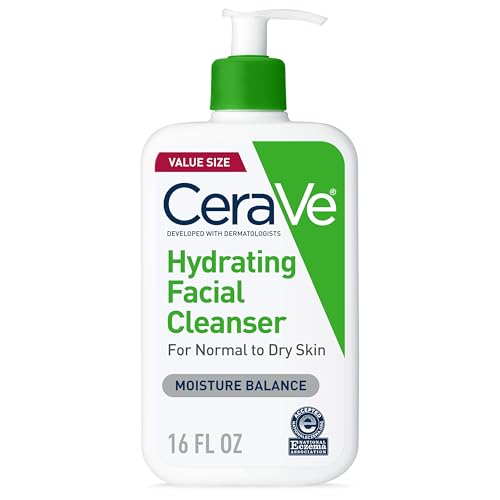
Peptides are small chains of amino acids. They signal skin cells to behave as though they're under mild stress, prompting more collagen production over time. They don't de-puff instantly the way caffeine does. But with weeks of consistent use, they can make under-eye skin look slightly firmer and more resilient. That indirectly makes puffiness less pronounced by improving the surrounding skin quality. Niacinamide works differently — it strengthens the skin barrier and calms inflammation. That matters because irritated skin retains more fluid and looks puffier. It's a good ingredient — CeraVe's Eye Repair Cream is a well-known example — if your under-eye area tends to react to new products. It rarely causes the stinging or sensitivity that stronger actives can.
Plant Extracts & Antioxidants: EGCG, Arnica, Green Tea & Vitamin C
Ingredients like green tea (EGCG), arnica, cucumber extract, and vitamin C show up often in de-puffing formulas, including The Ordinary's Caffeine Solution. Green tea has mild antioxidant and anti-inflammatory properties that pair well with caffeine. The two are often combined since green tea naturally contains caffeine too. Arnica is traditionally used for bruising and mild swelling. But the evidence for topical arnica on under-eye puffiness specifically is thinner than for caffeine. Vitamin C is more useful for brightening dullness and supporting collagen than for de-puffing directly. It's still a reasonable ingredient to have in an eye cream if dark circles are part of what you're dealing with.
Cold Therapy & Cold Compress: Why It Works and How to Use a Jade Roller
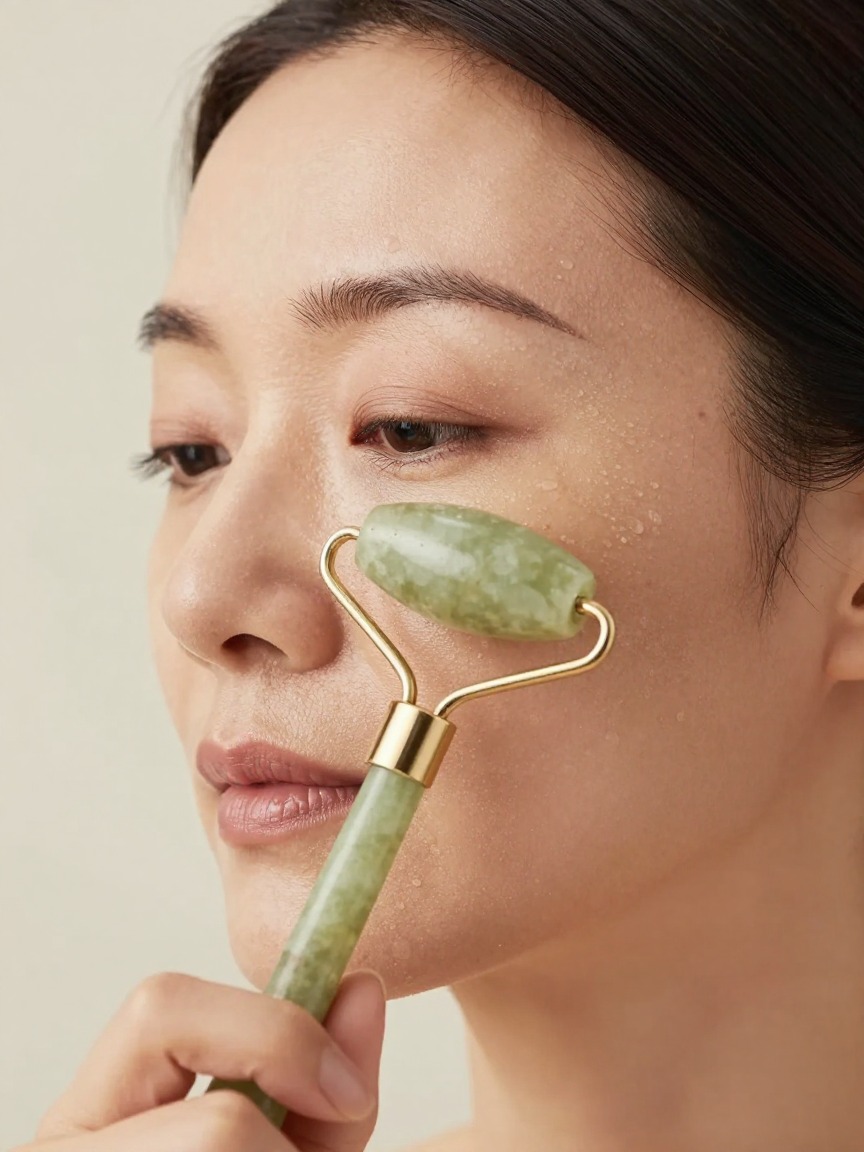
Cold does the same basic thing caffeine does: it constricts blood vessels and reduces fluid movement into tissue. It just works faster and more dramatically. That's why cold compresses, chilled jade rollers, and refrigerated eye creams are such a reliable trick. A cold metal rollerball or applicator built into an eye cream tube, like First Aid Beauty's Eye Duty Triple Remedy, adds this effect on contact. Keeping any eye cream in the fridge gives even a basic formula a noticeable boost in short-term de-puffing. Chilled, damp tea bags or a cold spoon work on the same principle. The point is the temperature, not the object.
Building a Collagen-Friendly De-Puffing Routine
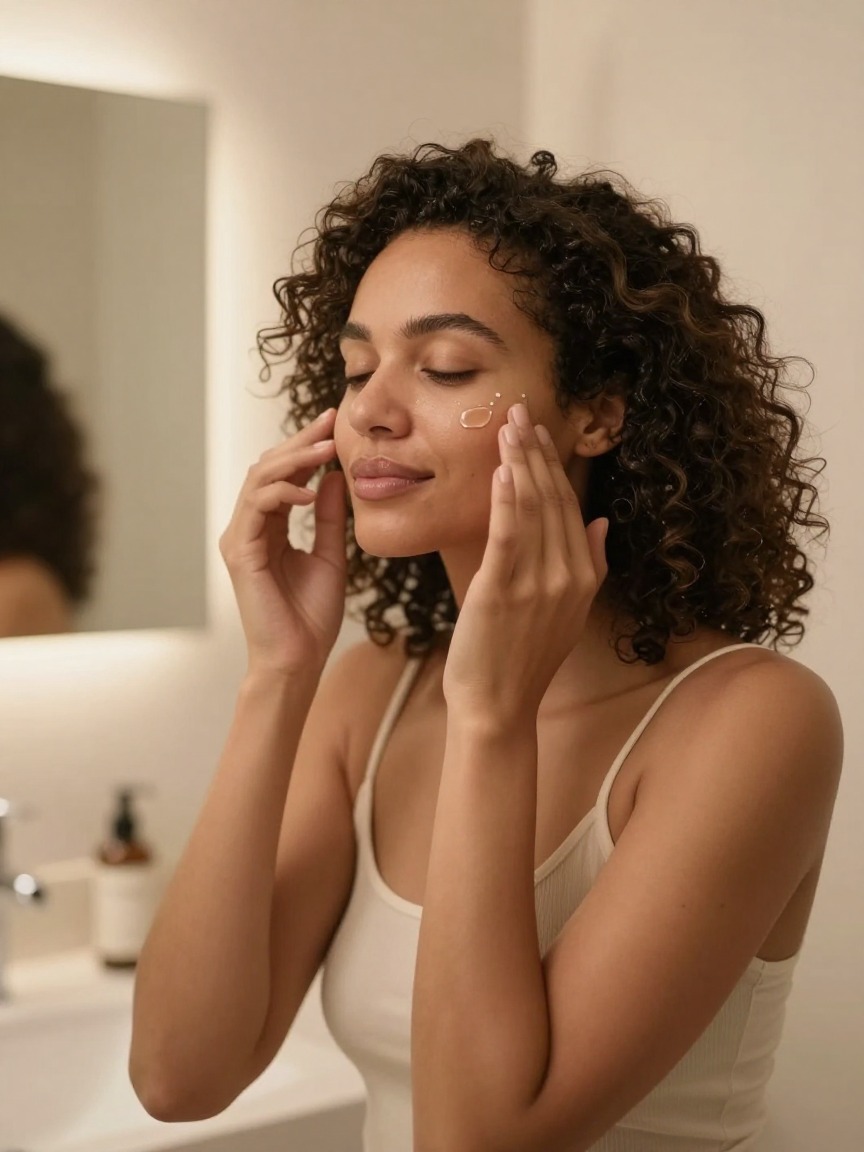
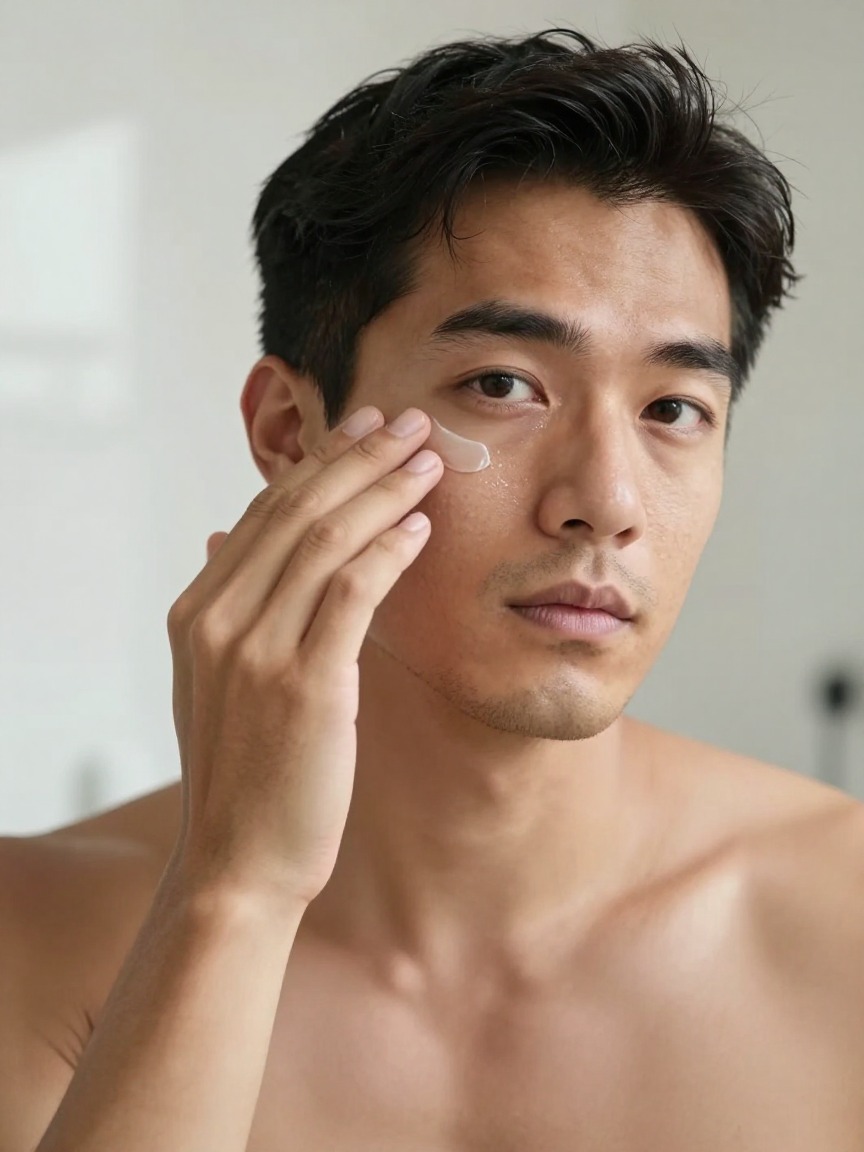
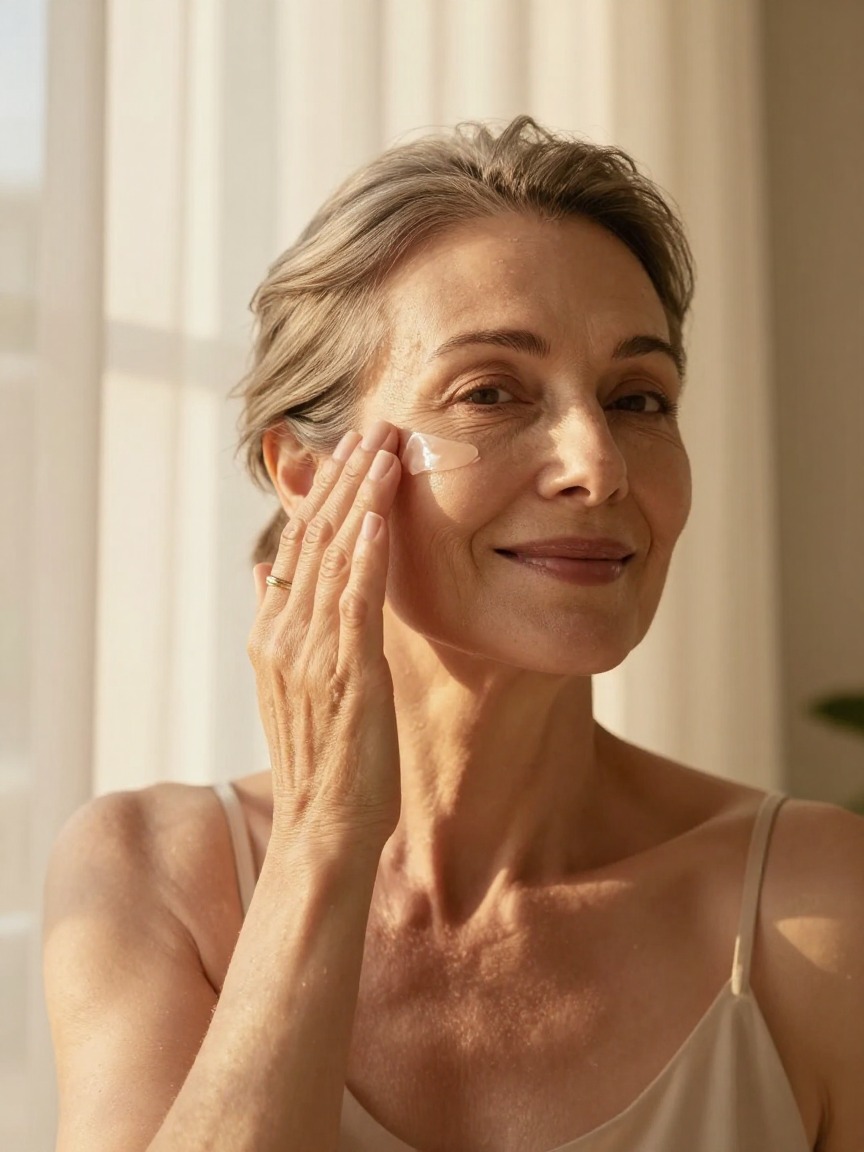
The best combination is a caffeine- or peptide-based formula applied cold. Pat it gently, don't rub, first thing in the morning when puffiness is worst. Reducing evening sodium and alcohol, sleeping slightly propped up, and managing allergies do more for the underlying cause than any cream alone. The skincare step manages the visible symptom and supports long-term collagen health. It doesn't fix what's causing it.
What Not to Expect
None of these ingredients, or cold therapy, will change the anatomy of a structural under-eye bag caused by a shifted fat pad. That's a mechanical change that only a dermatologist-guided procedure can address. What they reliably do is reduce the day-to-day fluid-based puffiness that most people are actually dealing with. For many people, that's the majority of what they see in the mirror each morning.