
Skip to content
How to Get Rid of Dark Spots & Hyperpigmentation · Deep dive

Ingredients That Fade Hyperpigmentation

How Brightening Ingredients Fade Hyperpigmentation & Melanin

Every ingredient here interrupts hyperpigmentation at a different point in the process. Understanding the mechanism helps more than chasing the highest percentage on a label.

Tyrosinase Inhibitors: Vitamin C & Alpha Arbutin

Tyrosinase is the enzyme that kicks off melanin production. Vitamin C and alpha arbutin both slow this enzyme down. That reduces how much new pigment gets made. Vitamin C has one added benefit: antioxidant activity. That helps protect against the UV damage that triggers pigmentation. It's also the least stable of the group. It degrades with light, air, and heat. Formulas like La Roche-Posay's vitamin C serum pair the ingredient with soothing actives to offset the sting. That's why packaging (opaque, airless pump bottles) matters as much as concentration.

Niacinamide Blocks Pigment Transfer

Niacinamide takes a different route. Rather than stopping melanin production, it interferes with the transfer of melanin from melanocytes into surrounding skin cells. That reduces how visible existing pigment becomes at the surface. This mechanism is part of why niacinamide is so well tolerated — it isn't disrupting enzyme activity as aggressively. It also means results tend to be gradual and subtle rather than dramatic.

Anti-Inflammatory Dual-Actives: Azelaic Acid for Sensitive Skin & Acne-Prone Skin

Azelaic acid inhibits tyrosinase like vitamin C and alpha arbutin. It also has anti-inflammatory and mild antibacterial properties. That's why it's frequently recommended for hyperpigmentation caused by acne. It can address the breakout and the mark it leaves behind at the same time. It's well tolerated by sensitive skin and acne-prone skin alike. It occurs naturally in grains like barley and wheat, and skincare formulas typically use it at 10-20% concentrations.

Plasmin Pathway Inhibitors: Tranexamic Acid for Melasma

Tranexamic acid works on an entirely different mechanism than the others. It inhibits the plasmin pathway, which is involved in triggering melanocyte activity. That's particularly the kind driven by UV and heat exposure, a major factor in melasma. It's often reached for with melasma or heat-triggered pigmentation that hasn't responded to standard tyrosinase inhibitors. Topical formulations are generally considered a supporting option rather than a guaranteed fix.

Layering Actives: Which Ingredients Pair Well Together

These ingredients act on different steps of the same pathway. Combining two thoughtfully chosen ones can outperform using either alone. Niacinamide is famously easy to layer with almost anything, including vitamin C, azelaic acid, or alpha arbutin. Vitamin C and azelaic acid can typically be used together as well. Some people find that stacking too many acid-based actives in one routine increases irritation without adding proportional benefit, though. Formulas like The INKEY List's tranexamic acid treatment or The Ordinary's alpha arbutin serum put single actives into practice without the guesswork.

What Not to Combine: Retinoid & Exfoliating Acid Conflicts

Layering vitamin C with a strong exfoliating acid, like a high-percentage AHA, or a retinoid in the same routine is a common mistake. It's one of the most common ways people end up irritated rather than brightened. Irritation itself can trigger more post-inflammatory pigmentation, working against the goal. A more reliable approach separates actives by time of day. Use vitamin C in the morning. Save a retinoid or tranexamic acid treatment for night. Don't layer everything into one application.

How Long Each Ingredient Realistically Takes — and Why Sunscreen Matters

None of these ingredients work overnight, and claims that suggest otherwise should be treated skeptically. Niacinamide and alpha arbutin tend to show the most gradual, subtle progress, often 8-12 weeks before a visible difference. Vitamin C and azelaic acid can show earlier improvements in overall tone and brightness. The pigment-specific fading still follows a similar multi-week timeline, though. Tranexamic acid is often used over several months, especially for melasma. It's usually a maintenance routine rather than a fixed treatment course. Melasma has a tendency to return once treatment stops, especially without consistent sunscreen use.
You may be interested in

Popular picks from related categories, chosen with the same rubric.

Editor's Pick #1
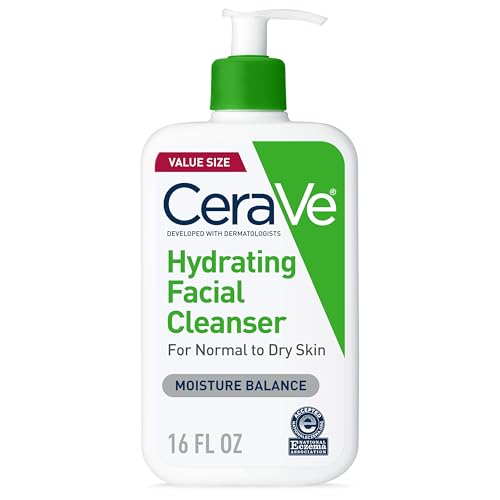
Hydrating Facial Cleanser
Dry-to-normal sensitive skin, especially anyone also using retinoids or other actives

Hydrating Facial Cleanser

CeraVe

It's formulated with three ceramides, hyaluronic acid, and a National Eczema Association seal. Dermatologists mention it most often for reactive skin. It's a genuinely non-foaming, low-irritation formula that doesn't strip the barrier.

Ceramide and hyaluronic acid formula supports the skin barrier while cleansing
Fragrance-free, non-foaming, and won't disrupt a compromised moisture barrier
Budget-friendly per ounce and widely available at drugstores
Doesn't fully dissolve heavy sunscreen or long-wear makeup on its own, so double-cleansing days may need a micellar water or oil-based first step
Best Value #2
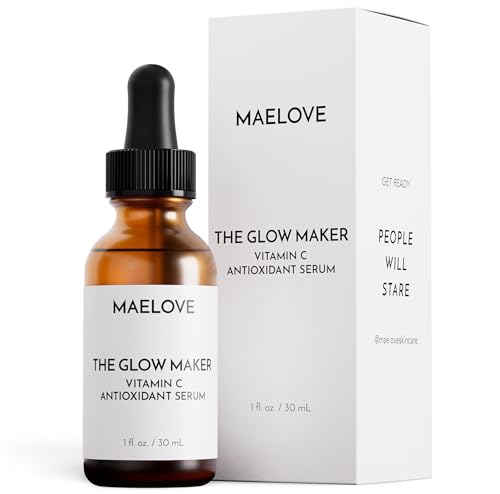
Glow Maker
Readers who want a well-formulated L-ascorbic acid serum without the prestige price tag

Glow Maker

Maelove

It leans on similar formulation logic to pricier serums: L-ascorbic acid plus vitamin E and ferulic acid. It costs a fraction of the price. That's why it's often called an affordable alternative to the prestige options.

Combines L-ascorbic acid with vitamin E and ferulic acid, echoing higher-end formulas
Opaque pump bottle helps limit light and air exposure
Noticeably cheaper per ounce than most L-ascorbic acid serums of similar formulation
The pump can dispense unevenly or feel like it needs priming, a minor but frequently mentioned annoyance
Editor's Pick #1
Moisturizing Cream
Normal to dry skin that wants a dermatologist-developed, fragrance-free daily moisturizer

CeraVe Moisturizing Cream

CeraVe

It pairs three essential ceramides with hyaluronic acid in a rich, fragrance-free base. Long-term users with dry, compromised skin consistently praise it. It's also inexpensive enough to use liberally.

Ceramide + hyaluronic acid formula supports the skin barrier
Fragrance-free and well-tolerated by sensitive skin
Large jar size makes it very cost-effective per ounce
The tub packaging means dipping fingers into the product, which isn't ideal for hygiene or portability
Editor's Pick #1
UV Clear Broad-Spectrum SPF 46
acne-prone, sensitive, or post-procedure skin that needs a dermatologist-trusted daily option

UV Clear Broad-Spectrum SPF 46

EltaMD

Dermatologists reach for EltaMD more than almost any other sunscreen. It pairs broad-spectrum zinc oxide protection with niacinamide and hyaluronic acid. The oil-free base is genuinely weightless and layers well under makeup.

Broad-spectrum SPF 46 with zinc oxide
Oil-free, non-comedogenic formula favored for acne-prone skin
Contains niacinamide and hyaluronic acid for added hydration
Pricier per ounce than most drugstore sunscreens, and the pump makes it easy to under-apply if you're not deliberate about the amount.
Editor's Pick #1
Super Volcanic Pore Clay Mask 2X
oily, pore-prone skin that wants a formula built specifically around pore congestion

Super Volcanic Pore Clay Mask 2X

innisfree

Two types of volcanic clay target sebum and blackheads. The texture isn't chalky or hard to remove like older clay formulas. It's also genuinely affordable for how often you'll reach for it.

Lightweight, non-cakey texture that spreads and rinses easily
Visibly reduces the look of congested pores after a single use
Priced low enough to use regularly without guilt
The mineral scent is noticeable and won't appeal to everyone
Editor's Pick #1
Skin Perfecting 2% BHA Liquid Exfoliant
Anyone dealing with clogged pores, blackheads, or rough, bumpy texture who wants an evidence-backed exfoliating toner

2% BHA Liquid Exfoliant

Paula's Choice

It's built around a well-studied 2% salicylic acid concentration at an effective pH. The base is fragrance-free and alcohol-free. That combination is why it's stayed a favorite among ingredient-focused shoppers for years, rather than fading as a trend.

2% salicylic acid at a pH that actually works
Fragrance-free and alcohol-free formula
Noticeably improves texture and blackheads with consistent use
The active concentration can cause redness or flaking in the first couple of weeks, so it's not the easiest starting point for very reactive or rosacea-prone skin

Affiliate disclosure: We may earn a commission from qualifying purchases made through links on this page, at no extra cost to you. Some links on this page are affiliate links.