

Skip to content
Mineral (Physical) Sunscreens · Deep dive

Zinc Oxide vs Titanium Dioxide

Rowan Avery By Rowan Avery Editorial Director Updated August 24, 2026

Zinc Oxide vs. Titanium Dioxide: What Actually Separates These Mineral Filters

Zinc oxide and titanium dioxide are the only two FDA-recognized mineral UV filters. They show up in nearly every physical sunscreen on the market — sometimes alone, sometimes together. Both work the same basic way: they sit on the skin's surface and reflect or scatter UV radiation instead of absorbing it. But they're not interchangeable. The differences explain a lot about why some mineral sunscreens feel and perform so differently from others. Brands like EltaMD, La Roche-Posay, Blue Lizard, CeraVe, Neutrogena, and Australian Gold each lean on these two actives in different ratios.

Broad-Spectrum Protection: UVA and UVB Coverage

The main technical difference is UVA coverage. Zinc oxide protects effectively across nearly the entire UVA and UVB range on its own. That's why it's often used as a standalone active in broad-spectrum facial sunscreens. Titanium dioxide is a strong UVB blocker and covers short-wave UVA well, but it's weaker on the longer UVA wavelengths — the ones most associated with deep, cumulative skin aging. That's why titanium dioxide is more commonly paired with zinc oxide (or a chemical UVA filter) than used alone. A formula listing zinc oxide as its only active isn't cutting corners — it's often the more complete option by itself.

Feel and Finish on Skin: Reducing White Cast

This is where the two ingredients diverge the most in daily use. Titanium dioxide tends to sit lighter and less chalky. That's part of why it's popular in tinted formulas and paired with zinc to soften the finish. Higher concentrations of zinc oxide, especially in older or less refined formulas, can feel thicker and more prone to a grayish-white cast. Modern micronized or non-nano processing — where the mineral particles are milled smaller — has narrowed this gap significantly. That's why some current zinc-only formulas, like sheer, dry-touch versions, apply nearly as lightly as titanium-based ones did a decade ago.

Which One Suits Sensitive Skin, Rosacea & Eczema Better

Zinc oxide has the longer, more established track record as a low-irritation, skin-calming ingredient. It's the same active used in diaper rash ointments and wound-care products, chosen specifically because it's gentle on compromised or reactive skin barriers. For rosacea, eczema, and general sensitivity, formulas built primarily around zinc oxide are usually the safer starting point. Titanium dioxide is also considered non-irritating for most people. But it doesn't carry quite the same reputation for barrier support. It's more frequently formulated alongside other ingredients (silicones, fragrance) that are the actual source of reactions people sometimes blame on the mineral filter itself.

Nano vs. Non-Nano Particles: Micronized Formulas & Particle Size

Both minerals are available in nano (very finely milled, generally under 100 nanometers) and non-nano particle sizes. Nano particles blend more sheer and leave less white cast. That's why most modern sheer or tinted formulas use them. Current research indicates nano zinc oxide and titanium dioxide particles don't penetrate past the outermost dead layer of skin into living tissue. People who prefer to avoid nanoparticles on principle can look for 'non-nano' on the label — the tradeoff is usually a larger particle size and a heavier, more visible finish.

Environmental Considerations: Reef-Safe Sunscreen Filters

Non-nano zinc oxide and titanium dioxide are the mineral filters permitted under reef-protection laws in Hawaii and Key West. Those laws ban the chemical filters oxybenzone and octinoxate. If you're swimming somewhere with these restrictions, a reef-safe sunscreen using non-nano actives is the more defensible choice. The science on sunscreen's real-world reef impact is still evolving and not fully settled.

The Bottom Line: Choosing the Right Active Ingredient

Neither ingredient is objectively better — they're suited to slightly different priorities. Zinc oxide alone, or as the dominant active ingredient, is the safer default for sensitive skin. It also offers the most complete single-ingredient UVA/UVB coverage. Titanium dioxide earns its place in combination formulas where a lighter, less chalky finish matters more than having the broadest possible UVA coverage from a single active. Most well-formulated facial mineral sunscreens use some combination of the two for exactly this reason. Each one covers for the other's weaker range.
You may be interested in

Popular picks from related categories, chosen with the same rubric.

Editor's Pick #1
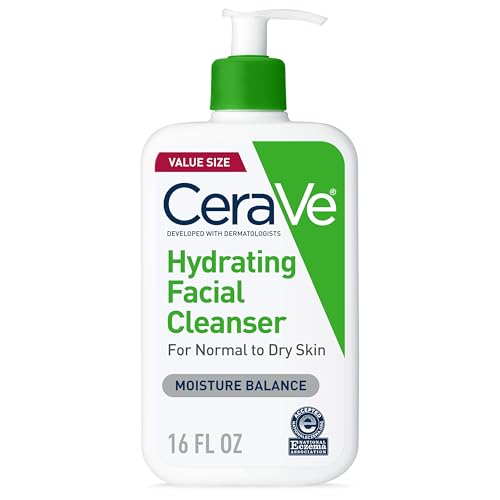
Hydrating Facial Cleanser
Dry-to-normal sensitive skin, especially anyone also using retinoids or other actives

Hydrating Facial Cleanser

CeraVe

It's formulated with three ceramides, hyaluronic acid, and a National Eczema Association seal. Dermatologists mention it most often for reactive skin. It's a genuinely non-foaming, low-irritation formula that doesn't strip the barrier.

Ceramide and hyaluronic acid formula supports the skin barrier while cleansing
Fragrance-free, non-foaming, and won't disrupt a compromised moisture barrier
Budget-friendly per ounce and widely available at drugstores
Doesn't fully dissolve heavy sunscreen or long-wear makeup on its own, so double-cleansing days may need a micellar water or oil-based first step
Best Value #2
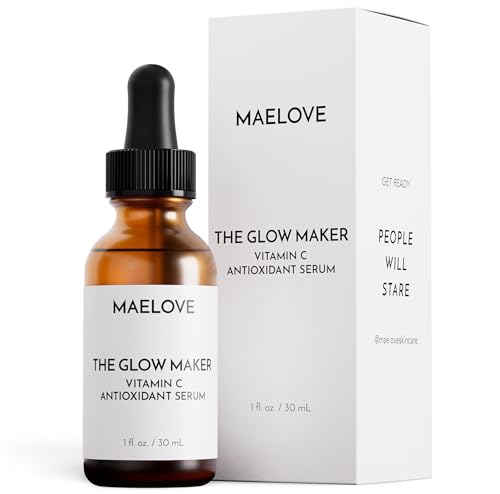
Glow Maker
Readers who want a well-formulated L-ascorbic acid serum without the prestige price tag

Glow Maker

Maelove

It leans on similar formulation logic to pricier serums: L-ascorbic acid plus vitamin E and ferulic acid. It costs a fraction of the price. That's why it's often called an affordable alternative to the prestige options.

Combines L-ascorbic acid with vitamin E and ferulic acid, echoing higher-end formulas
Opaque pump bottle helps limit light and air exposure
Noticeably cheaper per ounce than most L-ascorbic acid serums of similar formulation
The pump can dispense unevenly or feel like it needs priming, a minor but frequently mentioned annoyance
Editor's Pick #1
Moisturizing Cream
Normal to dry skin that wants a dermatologist-developed, fragrance-free daily moisturizer

CeraVe Moisturizing Cream

CeraVe

It pairs three essential ceramides with hyaluronic acid in a rich, fragrance-free base. Long-term users with dry, compromised skin consistently praise it. It's also inexpensive enough to use liberally.

Ceramide + hyaluronic acid formula supports the skin barrier
Fragrance-free and well-tolerated by sensitive skin
Large jar size makes it very cost-effective per ounce
The tub packaging means dipping fingers into the product, which isn't ideal for hygiene or portability
Editor's Pick #1
Super Volcanic Pore Clay Mask 2X
oily, pore-prone skin that wants a formula built specifically around pore congestion

Super Volcanic Pore Clay Mask 2X

innisfree

Two types of volcanic clay target sebum and blackheads. The texture isn't chalky or hard to remove like older clay formulas. It's also genuinely affordable for how often you'll reach for it.

Lightweight, non-cakey texture that spreads and rinses easily
Visibly reduces the look of congested pores after a single use
Priced low enough to use regularly without guilt
The mineral scent is noticeable and won't appeal to everyone
Editor's Pick #1
Skin Perfecting 2% BHA Liquid Exfoliant
Anyone dealing with clogged pores, blackheads, or rough, bumpy texture who wants an evidence-backed exfoliating toner

2% BHA Liquid Exfoliant

Paula's Choice

It's built around a well-studied 2% salicylic acid concentration at an effective pH. The base is fragrance-free and alcohol-free. That combination is why it's stayed a favorite among ingredient-focused shoppers for years, rather than fading as a trend.

2% salicylic acid at a pH that actually works
Fragrance-free and alcohol-free formula
Noticeably improves texture and blackheads with consistent use
The active concentration can cause redness or flaking in the first couple of weeks, so it's not the easiest starting point for very reactive or rosacea-prone skin
Editor's Pick #1
Contour Face
people who want the most clinically studied LED mask on the market and don't mind the price

Contour Face

Omnilux

Omnilux's LED technology is the same platform used in dermatology clinics. The Contour Face is its rigid, dermatologist-favorite home version, and it has more research behind it than most at-home competitors.

Extensive clinical research behind Omnilux's LED platform, more than most home devices
FDA-cleared for temporary reduction in the appearance of fine lines and wrinkles
Even, consistent light distance thanks to the rigid, hinged design
Rigid shell doesn't flex to different face shapes, there's no blue-light setting for acne, and it's one of the most expensive masks on the market

Affiliate disclosure: We may earn a commission from qualifying purchases made through links on this page, at no extra cost to you. Some links on this page are affiliate links.