
Skip to content
Ice Rollers · Deep dive

When to Use an Ice Roller

When to Use an Ice Roller

An ice roller's benefit is real but short-lived. That makes timing the single biggest factor in whether it feels worth using. Rolling at the right moment can visibly change how your skin looks for the next hour or two. Rolling at the wrong moment, or on the wrong skin, does little or actively irritates. An inexpensive roller like an ESARORA or Kitsch one works fine for this. Here's a practical breakdown of when it earns a spot in your routine, and when to skip it.

Morning Puffiness: The Best Time for an Ice Roller

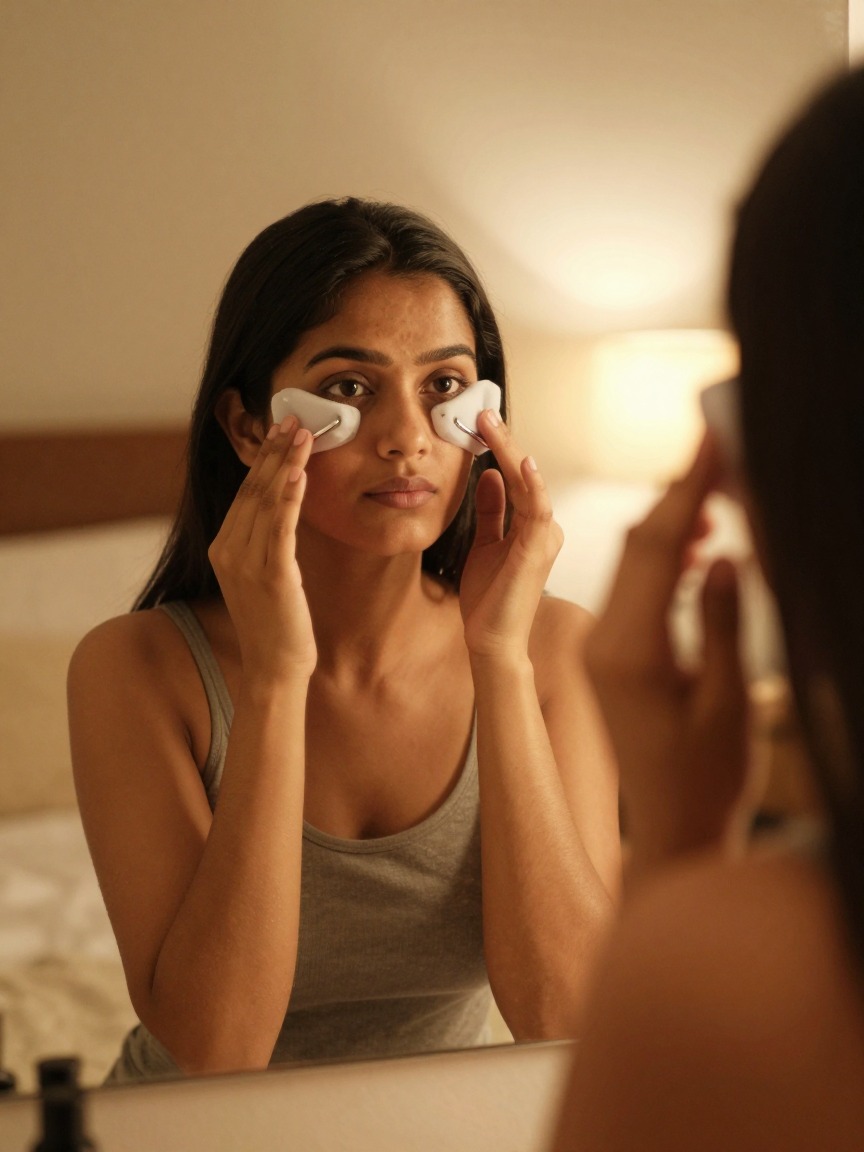
This is the single most common and most effective use case. Overnight, lying flat lets fluid pool in the loose tissue of the face, especially around the eyes. That's why morning puffiness is so universal. A few minutes of rolling right after waking works best, before skincare or makeup. That's when the effect has the most visible puffiness to work against. The difference before and after is usually most noticeable at this time of day.

Before Makeup Application: Vasoconstriction for a Smoother Base

Cold, temporarily de-puffed skin can give foundation and concealer a smoother base. That base lasts for an hour or two. This vasoconstriction effect is cosmetic, not skincare. It doesn't change how makeup wears over a full day. But it helps anyone who applies makeup shortly after waking. Rolling first can make application easier. It can also reduce how much concealer is needed to camouflage puffiness under the eyes.

After a Workout: Calming Redness

Exercise increases blood flow to the face. That can leave skin flushed and warm for a while afterward. A short cold-roll session can take the edge off that flush faster than waiting it out. A Latme or Skin Gym roller kept in the freezer is handy right after a workout. That's similar to how athletes ice other parts of the body post-exercise. It's a comfort measure rather than a recovery necessity. Still, it's a genuinely reasonable use case.

After Sun Exposure: Sunburn Caution

Mild warmth and flushing from time outdoors can respond well to a brief, gentle cold roll. This is different from sunburn, though. Skin that's actually burned is inflamed and damaged. Rolling a cold tool over sunburned skin can feel briefly soothing. But it risks further irritating already-damaged skin, especially with any blistering or peeling. For anything beyond mild pinkness, reach for safer choices. Aloe vera, plain hydration, and time are better. A burn that's severe, blistering, or covers a large area needs a doctor's attention, not a beauty tool.

Before an Event: Timing the Effect

The temporary de-puffing and redness reduction is a short-term boost. It makes sense right before a specific moment. A few minutes, 30 to 60 minutes before you need to look refreshed, can genuinely help. That's roughly the window before the effect starts to fade. It's not a substitute for sleep or skincare in the days before an event. But as a same-day finishing step, this is one of the more reasonable uses of the tool.

When to Skip It: Retinol, In-Office Treatments, Raynaud's, Cold Urticaria, Active Breakouts & Broken Skin

  • Active breakouts you're worried about spreading. Clean the roller head first, or skip rolling directly over inflamed acne.
  • Fresh sunburn or broken skin. Cold can feel briefly nice, but it adds irritation risk to compromised skin.
  • Right after a strong acid, retinol, or in-office treatment. Freshly treated skin is more reactive than usual.
  • If you have Raynaud's phenomenon or cold urticaria, check with a dermatologist first. Do this before making cold tools a habit.
  • As a substitute for sunscreen or a real routine. A five-minute cold roll doesn't protect from UV damage.

Frequency, Daily Use & Sensitive Skin: A Dermatologist's Take on Sunscreen

There's no medical necessity driving frequency here. This is a cosmetic tool. How often you use it comes down to preference and how well your skin tolerates it. Daily use is common. As a quick morning step, it's generally fine for most sensitive skin types too. A basic roller from ProsourceFit or Marnur is all you need for that daily habit. If skin feels more reactive, drier, or irritated after regular use, cut back rather than push through it. More cold exposure isn't inherently better once the effect has already done its work. And remember: an ice roller is never a substitute for daily sunscreen.
You may be interested in

Popular picks from related categories, chosen with the same rubric.

Editor's Pick #1
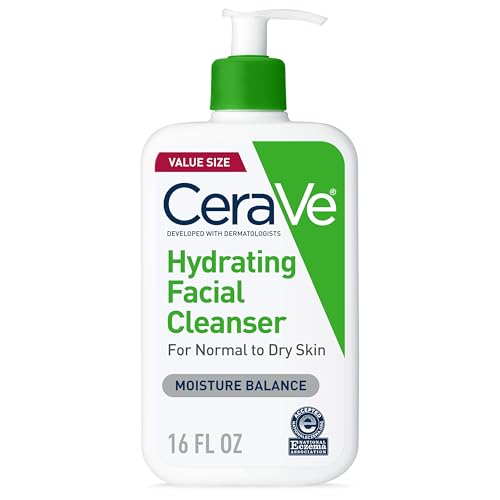
Hydrating Facial Cleanser
Dry-to-normal sensitive skin, especially anyone also using retinoids or other actives

Hydrating Facial Cleanser

CeraVe

It's formulated with three ceramides, hyaluronic acid, and a National Eczema Association seal. Dermatologists mention it most often for reactive skin. It's a genuinely non-foaming, low-irritation formula that doesn't strip the barrier.

Ceramide and hyaluronic acid formula supports the skin barrier while cleansing
Fragrance-free, non-foaming, and won't disrupt a compromised moisture barrier
Budget-friendly per ounce and widely available at drugstores
Doesn't fully dissolve heavy sunscreen or long-wear makeup on its own, so double-cleansing days may need a micellar water or oil-based first step
Best Value #2
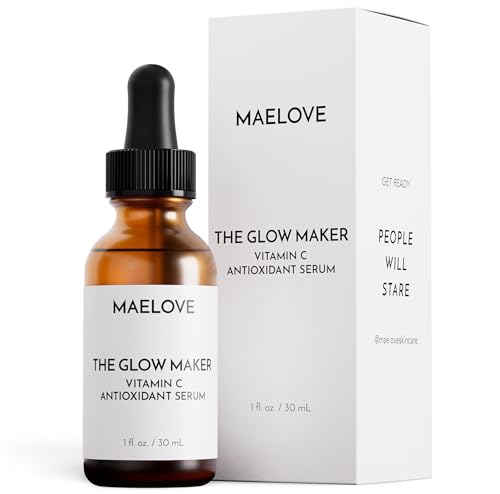
Glow Maker
Readers who want a well-formulated L-ascorbic acid serum without the prestige price tag

Glow Maker

Maelove

It leans on similar formulation logic to pricier serums: L-ascorbic acid plus vitamin E and ferulic acid. It costs a fraction of the price. That's why it's often called an affordable alternative to the prestige options.

Combines L-ascorbic acid with vitamin E and ferulic acid, echoing higher-end formulas
Opaque pump bottle helps limit light and air exposure
Noticeably cheaper per ounce than most L-ascorbic acid serums of similar formulation
The pump can dispense unevenly or feel like it needs priming, a minor but frequently mentioned annoyance
Editor's Pick #1
Moisturizing Cream
Normal to dry skin that wants a dermatologist-developed, fragrance-free daily moisturizer

CeraVe Moisturizing Cream

CeraVe

It pairs three essential ceramides with hyaluronic acid in a rich, fragrance-free base. Long-term users with dry, compromised skin consistently praise it. It's also inexpensive enough to use liberally.

Ceramide + hyaluronic acid formula supports the skin barrier
Fragrance-free and well-tolerated by sensitive skin
Large jar size makes it very cost-effective per ounce
The tub packaging means dipping fingers into the product, which isn't ideal for hygiene or portability
Editor's Pick #1
UV Clear Broad-Spectrum SPF 46
acne-prone, sensitive, or post-procedure skin that needs a dermatologist-trusted daily option

UV Clear Broad-Spectrum SPF 46

EltaMD

Dermatologists reach for EltaMD more than almost any other sunscreen. It pairs broad-spectrum zinc oxide protection with niacinamide and hyaluronic acid. The oil-free base is genuinely weightless and layers well under makeup.

Broad-spectrum SPF 46 with zinc oxide
Oil-free, non-comedogenic formula favored for acne-prone skin
Contains niacinamide and hyaluronic acid for added hydration
Pricier per ounce than most drugstore sunscreens, and the pump makes it easy to under-apply if you're not deliberate about the amount.
Editor's Pick #1
Super Volcanic Pore Clay Mask 2X
oily, pore-prone skin that wants a formula built specifically around pore congestion

Super Volcanic Pore Clay Mask 2X

innisfree

Two types of volcanic clay target sebum and blackheads. The texture isn't chalky or hard to remove like older clay formulas. It's also genuinely affordable for how often you'll reach for it.

Lightweight, non-cakey texture that spreads and rinses easily
Visibly reduces the look of congested pores after a single use
Priced low enough to use regularly without guilt
The mineral scent is noticeable and won't appeal to everyone
Editor's Pick #1
Skin Perfecting 2% BHA Liquid Exfoliant
Anyone dealing with clogged pores, blackheads, or rough, bumpy texture who wants an evidence-backed exfoliating toner

2% BHA Liquid Exfoliant

Paula's Choice

It's built around a well-studied 2% salicylic acid concentration at an effective pH. The base is fragrance-free and alcohol-free. That combination is why it's stayed a favorite among ingredient-focused shoppers for years, rather than fading as a trend.

2% salicylic acid at a pH that actually works
Fragrance-free and alcohol-free formula
Noticeably improves texture and blackheads with consistent use
The active concentration can cause redness or flaking in the first couple of weeks, so it's not the easiest starting point for very reactive or rosacea-prone skin

Affiliate disclosure: We may earn a commission from qualifying purchases made through links on this page, at no extra cost to you. Some links on this page are affiliate links.