



Foaming Cleanser vs Gel Cleanser: What's the Real Difference?
Walk down any skincare aisle and you'll find “foaming cleanser” and “gel cleanser” used almost interchangeably. They're not the same thing. The difference matters more for oily skin than for any other skin type. Understanding what separates them helps explain why one might work better for your specific version of “oily.”
What Makes a Cleanser “Foaming”? Surfactants & Lather
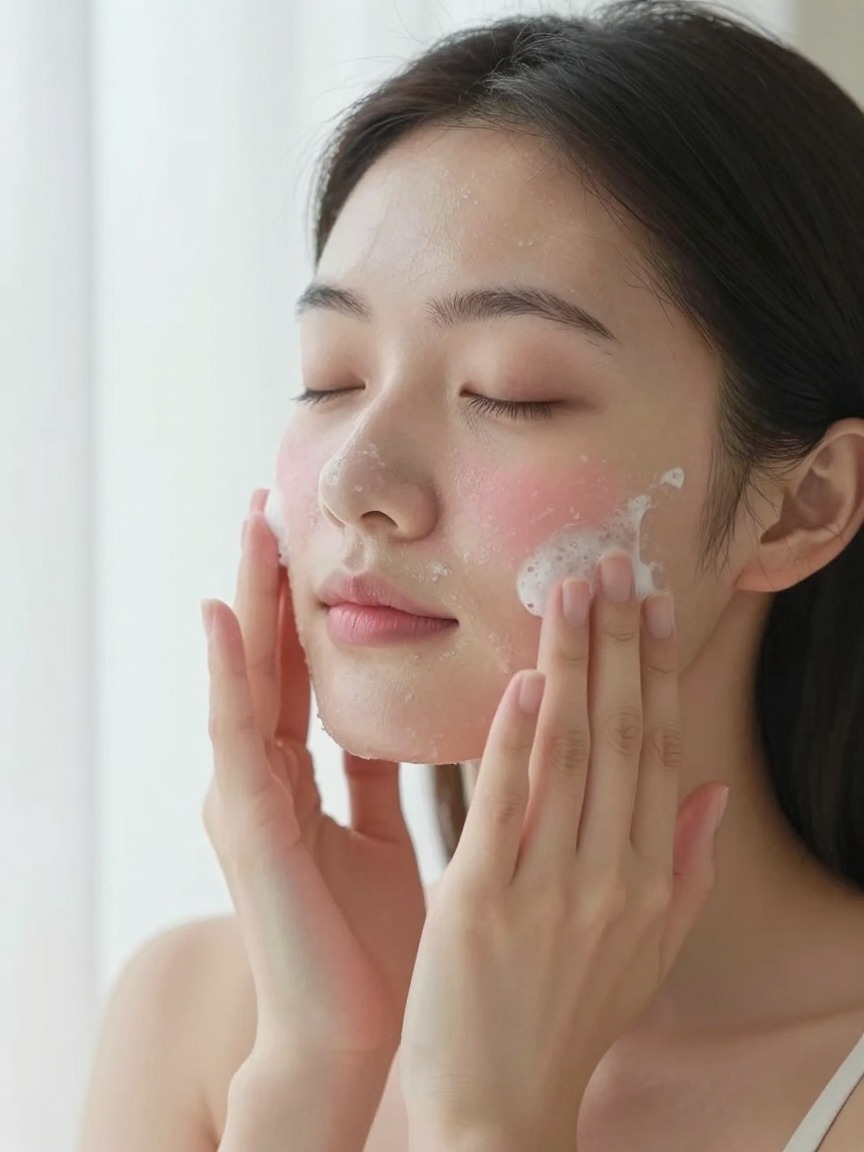
A foaming cleanser is defined by what happens when it contacts water and air. The surfactants in the formula trap air bubbles, creating the light, airy lather most people associate with a “clean” feeling. Foaming cleansers typically come in a gel, cream, or liquid base that transforms into foam as you work it with water, either by hand or dispensed pre-foamed through a pump. The foaming action itself isn't what cleans skin. The surfactants do that regardless of whether they're whipped into foam. But the lather does change how the product feels, and how thoroughly it seems to spread, which affects how people actually use it.
What Makes a Cleanser “Gel”? Texture Without the Foam
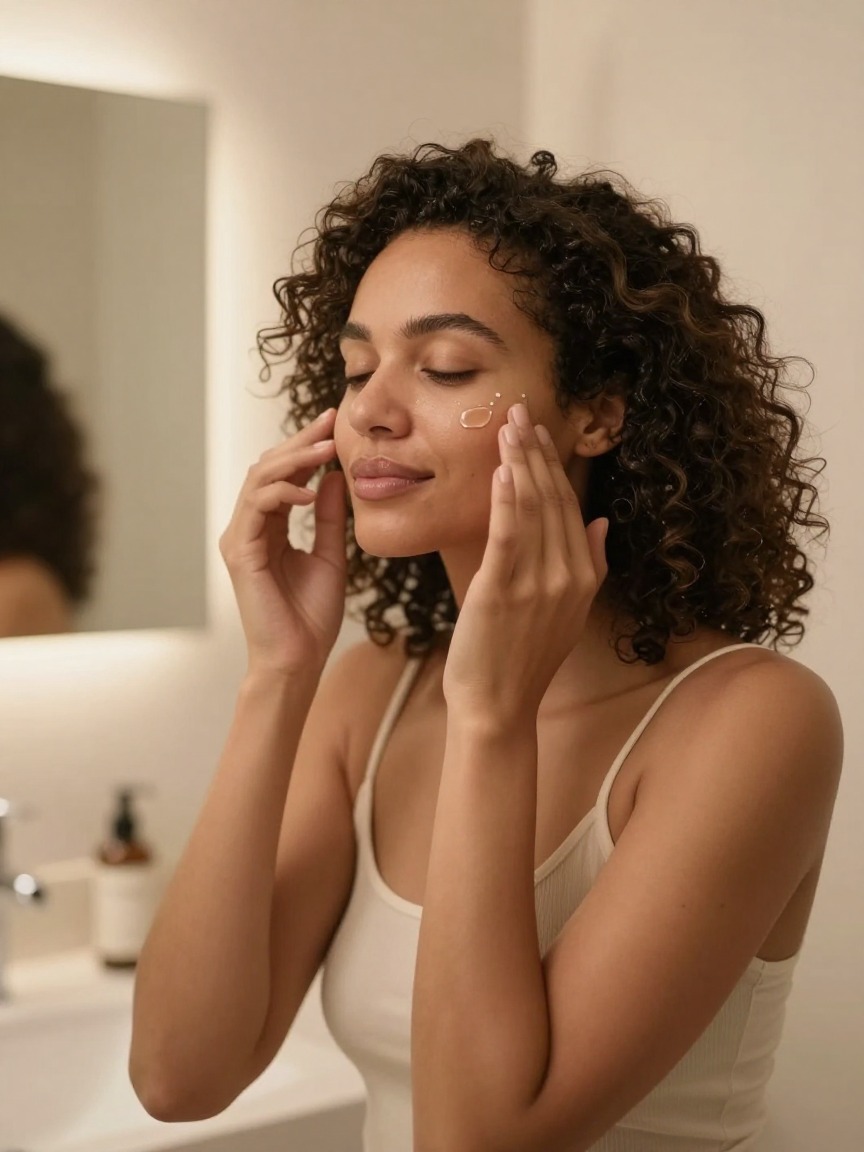
A gel cleanser refers to the base texture — a clear or translucent, non-foaming gel that stays a gel as you massage it in, rather than transforming into lather. Gel cleansers can still contain surfactants and clean effectively. They simply don't rely on foam as the delivery mechanism. Many gel cleansers use lower-foaming or non-foaming surfactant systems, which can make them gentler by default. That's a tendency, not a rule — some gel cleansers use the same acids and actives as foaming versions.
Does Foam Mean It's Stripping Your Skin Barrier?
This is the most persistent myth in oily-skin skincare: that a big, fluffy lather means a cleanser is aggressively stripping oil, and a lack of lather means it's gentle. Neither is reliably true. Foam volume is largely a function of which surfactants are used, and at what concentration. Some very gentle surfactants foam beautifully, and some fairly harsh ones don't foam much at all. The better way to judge a cleanser's gentleness is the ingredient list, and how your skin actually feels afterward. Tight, squeaky, or uncomfortable skin is a sign the skin barrier has been over-stripped — foam or no foam.
Which Suits Oily Skin Better: Sebum, Oil-Control & Everyday Use
For most people with genuinely oily skin, foaming cleansers have a practical edge for oil-control. The lather spreads more evenly across larger areas like the forehead, nose, and chin, where sebum production tends to be heaviest. It's easier to feel confident you've covered the whole face. Gel cleansers can be just as effective. But because they don't foam, it's easier to under-apply or miss a spread. That's a real risk in a rushed morning routine. Gel cleansers tend to have an edge for oily-sensitive skin, though. The surfactant systems used to keep a cleanser non-foaming are often gentler by design. The product also tends to feel less “active” during use. Brands like CeraVe and La Roche-Posay sell both textures for exactly this reason.
Sensitive Skin, Acne-Prone Skin & Breakouts: Matching the Formula
Neither texture is automatically right for acne-prone skin or reactive, sensitive skin. What matters is which active ingredients the formula carries, and how your skin responds to them.
Salicylic Acid & Niacinamide: Actives in Either Texture
Salicylic acid and niacinamide both show up in foaming and gel formulas alike. Salicylic acid targets the clogged pores behind breakouts. Niacinamide helps regulate oil production. It also supports the skin barrier over time. Neither ingredient is texture-dependent — you can find a strong salicylic-acid option in either a foam or a gel.
Fragrance-Free & Non-Comedogenic Labels Worth Checking
For sensitive or acne-prone skin, the fragrance-free and non-comedogenic labels matter more than whether a product foams. Fragrance-free formulas lower the odds of stinging or redness. Non-comedogenic formulas are built not to clog pores or contribute to new breakouts, regardless of texture.
Can You Use Both? Foaming Mornings, Hydrating Gel Nights With a Retinoid
Some people with oily, combination-leaning skin do well switching between the two. A foaming cleanser with salicylic acid in the morning manages overnight oil buildup. A gentler, more hydrating gel cleanser suits skin at night. That's especially true if skin feels irritated from other evening actives, like a retinoid. There's no rule that says you have to commit to one texture forever. What matters is that whichever you use leaves your skin balanced, rather than tight or still visibly oily an hour later.
The Practical Takeaway
If your main concern is thorough oil removal, and you don't have significant sensitivity, a foaming cleanser with niacinamide or salicylic acid is a solid default. If your skin is oily but easily irritated, try a low-foam or gel-based cleanser with the same core actives instead. This also applies if a foaming cleanser leaves you tight, even one marketed as gentle. The ingredient list, not the texture, is what actually determines how a cleanser treats your skin. Texture just determines how it feels while you use it.