Surfactants, Sebum & Your Skin Barrier: How Foaming Cleansers Work
Not all foam is created equal. Foaming cleansers work through surfactants — ingredients that bind water to sebum so it rinses away. Some rely on harsh sulfates, like sodium lauryl sulfate. These strip the skin barrier and can trigger a rebound in oil production. Your skin overcompensates for what was just stripped away. Better formulas use gentler surfactant systems, like sodium cocoyl isethionate or cocamidopropyl betaine. These still create a satisfying lather, but they leave the skin barrier intact. Check the ingredient list, not just a marketing claim like “oil-free” or “for oily skin.”
Salicylic Acid, Niacinamide & Benzoyl Peroxide: Ingredients Worth Looking For
- Salicylic acid (0.5–2%): An oil-soluble beta-hydroxy acid. It gets into pores and clears the debris behind blackheads and breakouts.
- Niacinamide: Helps regulate sebum production over time. It also supports the skin barrier — a compromised barrier often makes more oil, not less.
- Benzoyl peroxide: Effective against acne-causing bacteria on oily skin. It can be drying and bleaches fabric, so it works best as a targeted spot treatment rather than a daily face wash.
Ceramides, Glycerin & Hyaluronic Acid: Hydration That Still Fights Oil
Oily skin still needs hydration. Ceramides, glycerin, and hyaluronic acid all help a foaming cleanser rinse away excess oil without leaving skin feeling stripped. Ceramides rebuild the lipids in the skin barrier. Glycerin and hyaluronic acid pull water into the surface layer, so skin stays comfortable instead of tight. Skipping these ingredients is one reason some “oil-control” cleansers end up making oily skin worse, not better.
Matching the Formula: Sensitive Skin vs Acne-Prone, Breakouts & Clogged Pores
If you're oily but not particularly acne-prone, a foaming gel with niacinamide is usually enough. If you're oily and dealing with regular breakouts, a salicylic-acid foaming cleanser earns its place. Pair it with a barrier-supporting moisturizer, so you're not fighting oil with irritation. If your oily skin is also sensitive skin that flushes easily, skip the acids in your cleanser. Leave-on treatments work better for actives anyway, since a cleanser rinses off before it can do much. Look for a low-fragrance, minimal-ingredient foaming wash instead, to keep clogged pores in check without triggering breakouts.
Fragrance-Free & Non-Comedogenic: Drugstore vs Splurge Oil Control Picks
Two label terms are worth checking every time: fragrance-free and non-comedogenic. Fragrance-free formulas cut down on a common trigger for stinging and redness on reactive, oily skin. Non-comedogenic means a formula is designed not to clog pores. Price doesn't predict either quality — some of the best drugstore foaming cleansers below are fragrance-free and non-comedogenic. A few higher-end splurge picks add exfoliating acids or a richer texture that some people prefer. Check the label, not just the price tag.
Common Mistakes & When to See a Dermatologist
- Over-cleansing. Washing more than twice a day, or scrubbing hard, strips the barrier and can increase oil production as skin tries to compensate.
- Hot water. It feels like it's “getting the oil off,” but it's also stripping protective lipids. Lukewarm water does the job.
- Skipping moisturizer. Oily skin still needs a lightweight, non-comedogenic moisturizer. Skipping it can make oil production worse, not better.
- Chasing a “squeaky clean” feeling. That tightness usually means the barrier's been over-stripped, not that the cleanser is working well.
None of this replaces a dermatologist's advice. If you're dealing with persistent, painful, or cystic acne, talk to a professional instead of swapping cleansers again.
Matching a foaming cleanser to your skin and budget
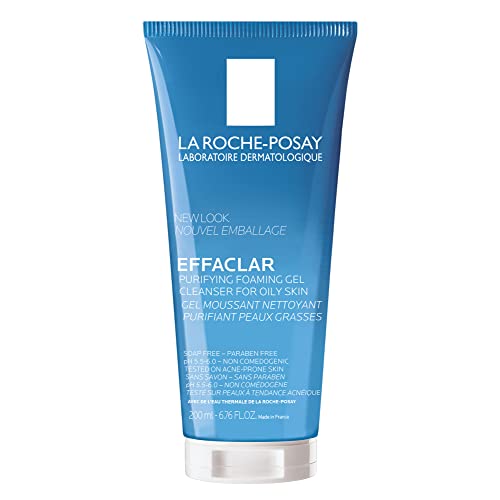
Let your skin's behavior, not the “oil control” label, pick the formula. If you're oily but rarely break out, a straightforward foaming gel with niacinamide like CeraVe Foaming Facial Cleanser usually covers it. Oily skin with regular breakouts leans toward a salicylic or purifying gel such as La Roche-Posay Effaclar Purifying Foaming Gel Cleanser or Paula's Choice CLEAR Pore Normalizing Cleanser. If oily skin also runs sensitive, a milder, low-risk starting point like Cetaphil DermaControl Oil Control Foam Wash is the safer buy.
When to spend and when to save
Price is a poor predictor of a good foaming cleanser. A drugstore option like Neutrogena Oil-Free Acne Wash delivers the core oil-lifting job as well as many pricier tubes, so there's rarely a reason to overspend on a daily wash. A dermatologist-brand splurge like SkinCeuticals Simply Clean can be worth it if you specifically want its texture or added exfoliating acids, but pay for a feature you'll actually use — not the label. Always confirm the surfactant base is gentle before committing to a full-size bottle.