
Cream Cleanser vs Lotion Cleanser for Dry Skin: What Actually Differs
“Cream cleanser” and “lotion cleanser” get used almost interchangeably in skincare marketing. But the terms point to real, if subtle, formulation differences. They matter once you're trying to solve a specific dryness problem, rather than just buying whatever looks gentle on the shelf.
Texture, Emollient Load & Cream-to-Foam: Foaming Surfactant Formulation Differences
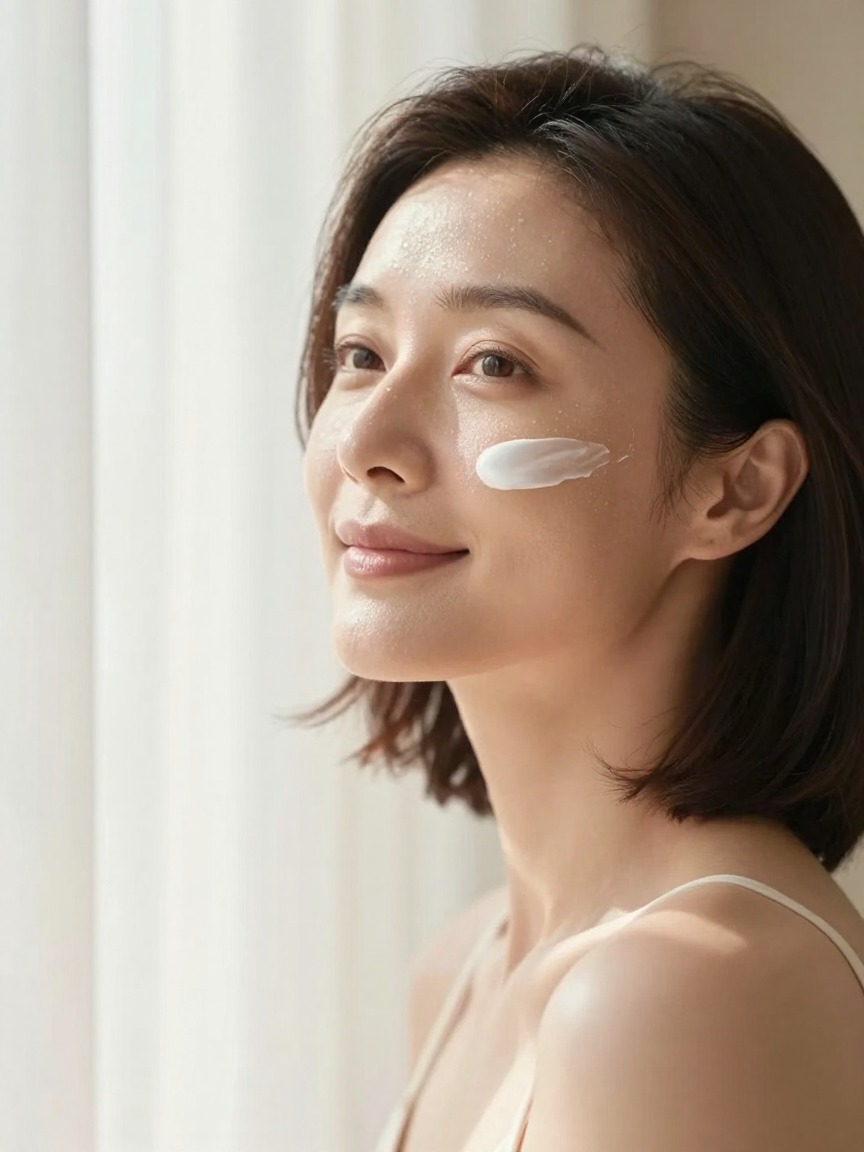
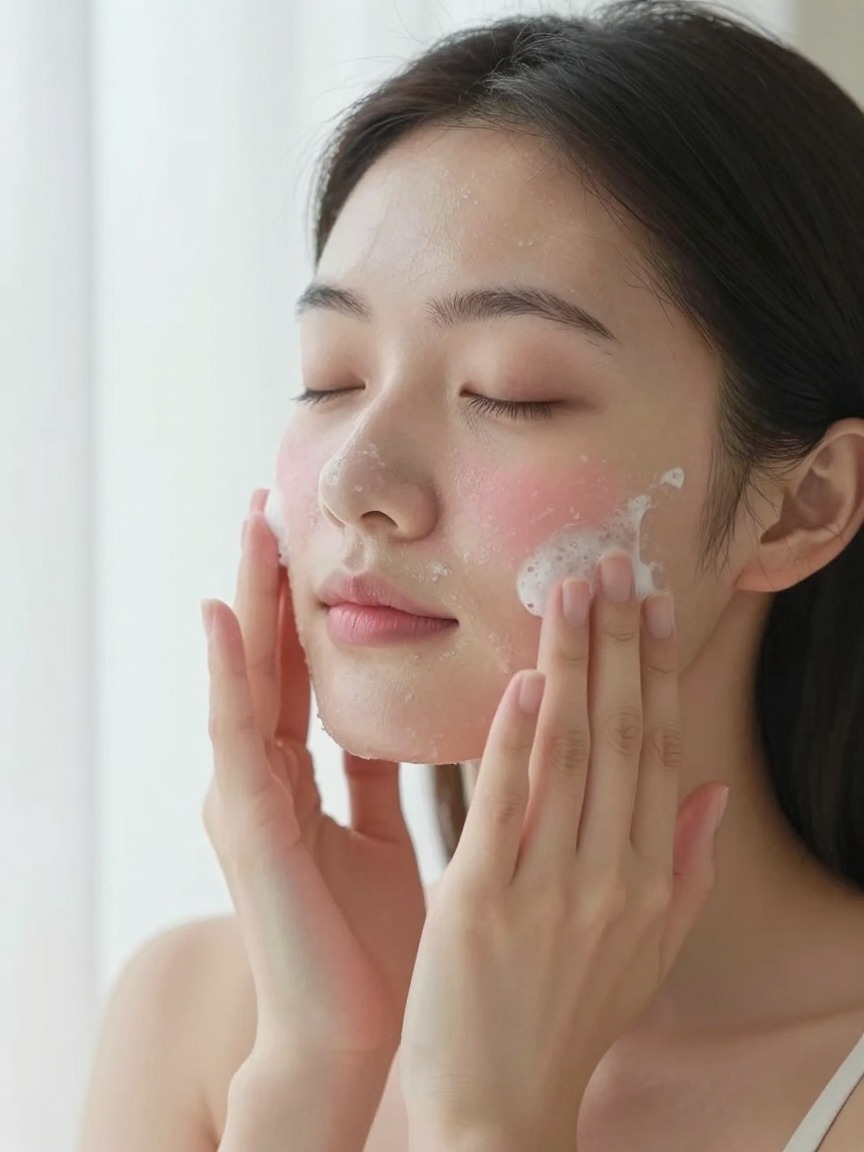
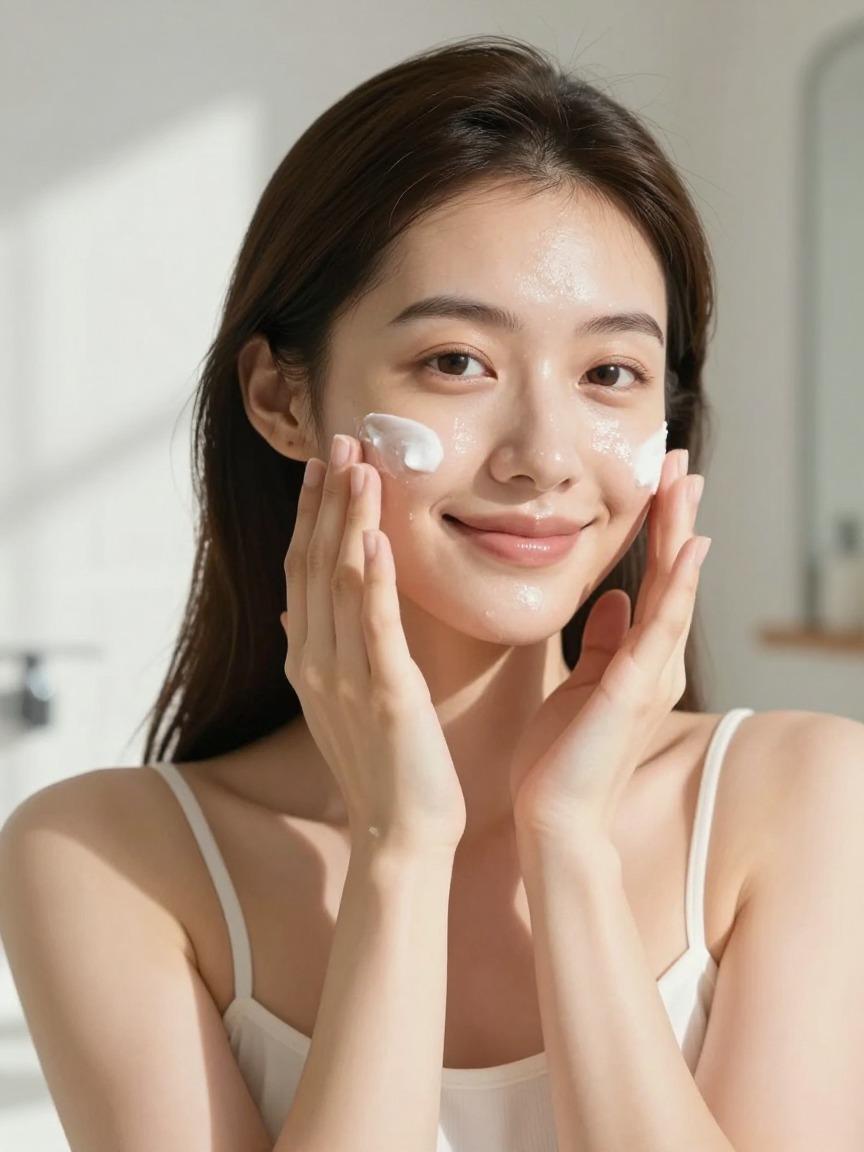
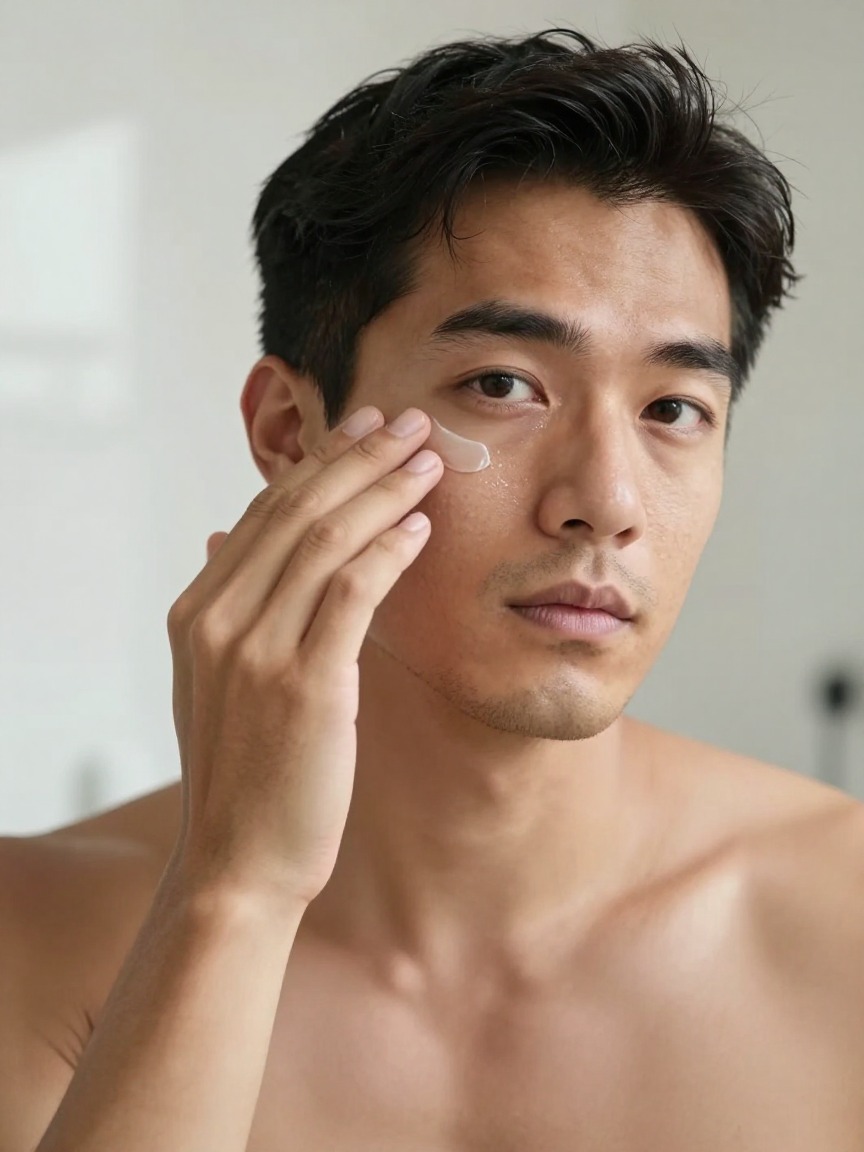
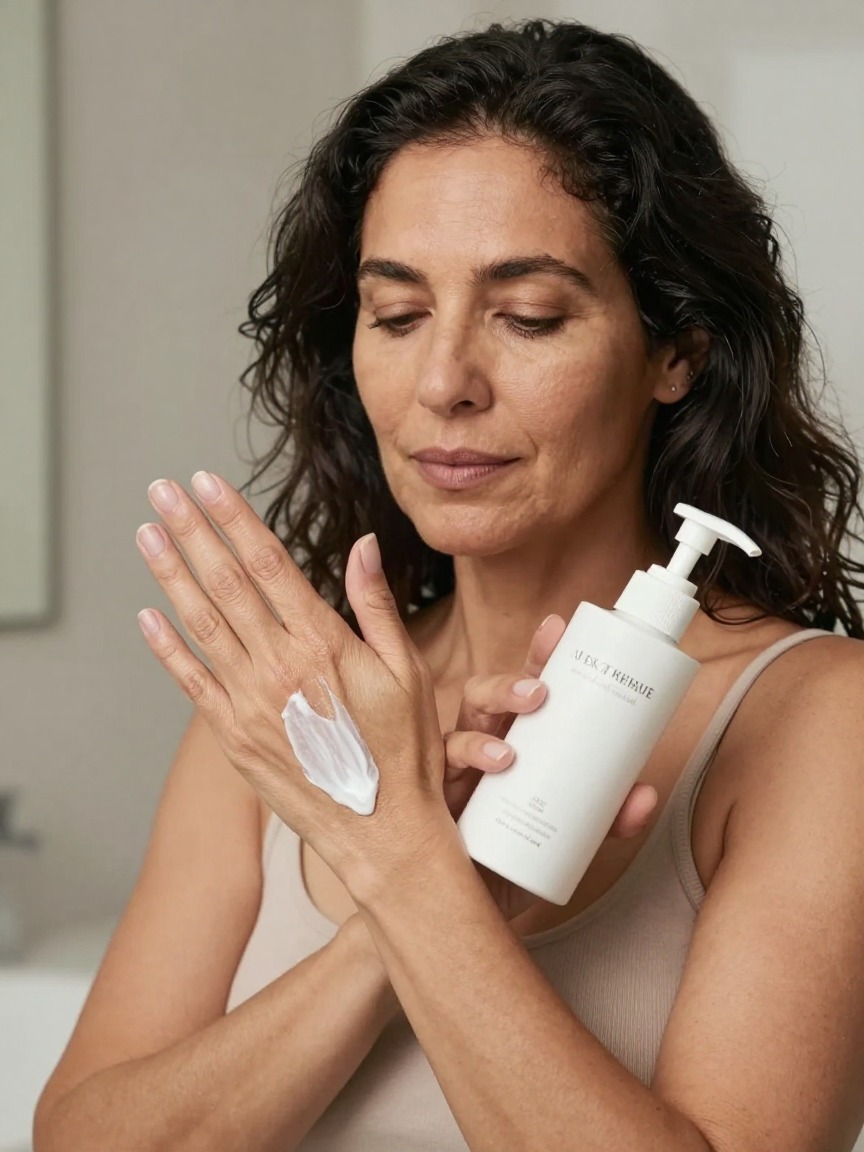
A true cream cleanser is typically thicker and richer in emollients. It's often closer to a rinse-off moisturizer in feel. It usually contains little to no foaming surfactant and is designed to be massaged in, then rinsed with water or wiped away with a soft cloth. A lotion cleanser is thinner and more fluid, closer to a milk in consistency. It tends to rinse more easily with water alone. It still relies primarily on emollients, though, rather than heavy foaming action. Some products marketed as cream-to-foam cleansers sit in between. A cream texture develops a light lather once water is added, giving some of the milky rinse satisfaction of a foaming cleanser with less of the stripping effect.
Non-Foaming Cream vs Lotion: Eczema-Prone & Dehydrated Skin Subtypes
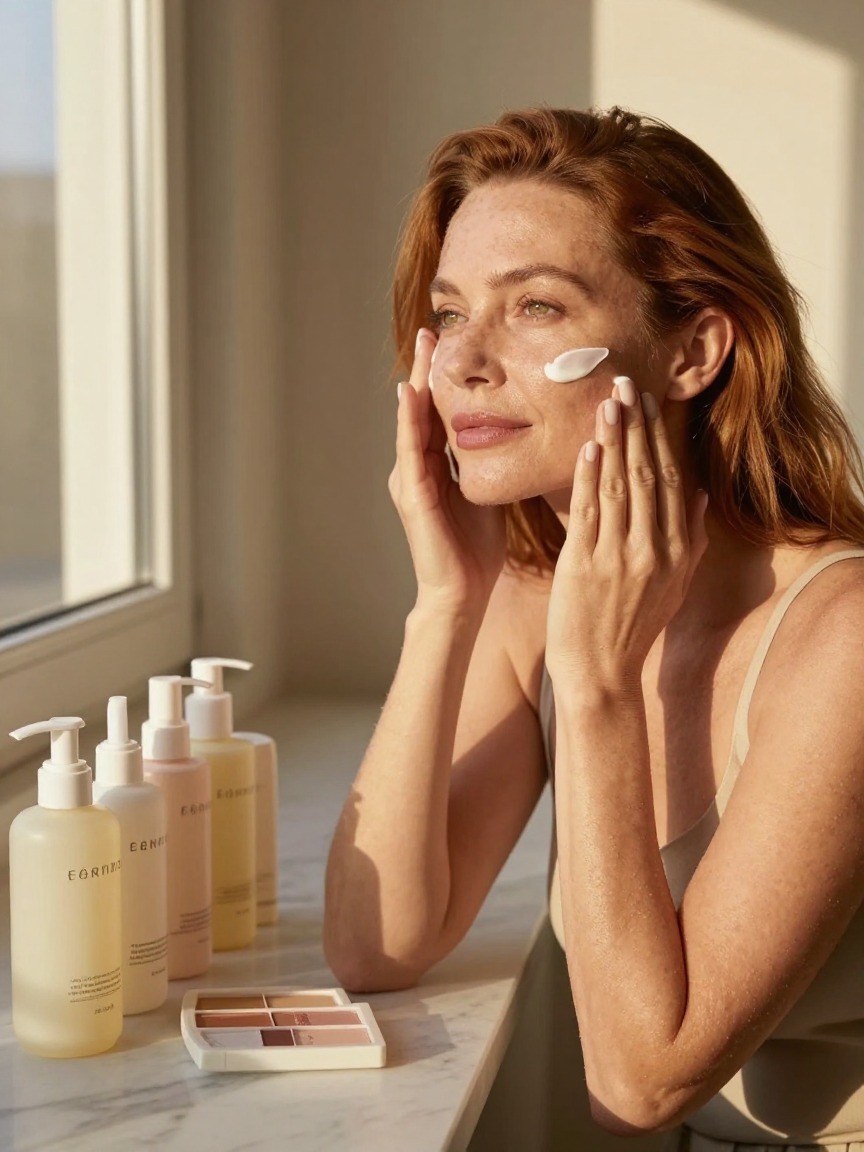
For very dry or eczema-prone skin, a true cream cleanser that doesn't foam is usually the safer choice. Even mild foaming still involves more surfactant activity than a pure cream. These formulas are often best removed with a soft, damp cloth or cotton pad rather than a splash of water. Some people find that inconvenient, but it minimizes the extra rubbing and rinsing the skin experiences. For dry-but-not-reactive skin, a lotion cleanser or cream-to-foam formula tends to feel more satisfying day to day. It rinses cleanly and doesn't leave the light residue that pure creams sometimes do, while still being far gentler than a standard foaming face wash. A brand like CeraVe sells both a true cream and a lighter foaming-lotion option. Cetaphil's classic Gentle Skin Cleanser, by contrast, is closer to the true, low-rinse cream end of the spectrum. Dehydrated skin that's also oily — a common combination in humid climates — often does better with a lotion cleanser. A heavier cream can feel occlusive without addressing surface oil.
Barrier Feel, Residue & Jawline Breakouts: How to Test Which One Is Right for You
The simplest test is how your skin feels 10 to 15 minutes after cleansing, once any initial tightness from water contact has settled. If skin still feels tight, rough, or is visibly flaking, the formula is too stripping for your barrier. You likely need a richer, non-foaming cream. If skin feels coated and heavy, or jawline breakouts appear within a few days, a lighter lotion or cream-to-foam option is probably the better fit. Test a new cleanser for at least one to two weeks before judging it. Skin needs time to adjust after switching from a stripping formula, and the first few days aren't always representative of long-term performance.
Winter Switching & Moisturizer: Seasonal Routine Considerations
Many people benefit from keeping both a cream and a lotion cleanser on hand. Switch based on season, or on how skin is behaving that week, rather than committing to one texture year-round. Use a richer cream for winter or during a flare-up. Use a lighter lotion for warmer months, or when skin is behaving normally. It's a reasonable, low-effort way to match a hydrating cleanser to what skin actually needs. Whichever texture you land on, follow it with a moisturizer while skin is still damp, so the barrier benefit actually sticks.